The killer darts league format rules offer a thrilling and unpredictable competition where players target each other’s lives, making it a fan favorite for its strategic depth and potential for dramatic upsets. This article dives into the specifics of setting up and playing a killer darts league, covering everything from player elimination to scoring variations.
⚠️ Still Using Pen & Paper (or a Chalkboard)?! ⚠️
Step into the future! The Dart Counter App handles all the scoring, suggests checkouts, and tracks your stats automatically. It's easier than you think!
Try the Smart Dart Counter App FREE!Ready for an upgrade? Click above!
Understanding the Killer Darts League Format Rules
The killer darts league format rules differ significantly from standard darts games like 501 or cricket. The core concept revolves around each player having a certain number of “lives,” which are eliminated when another player hits their assigned number on the dartboard. This creates a dynamic where alliances form and break, and individual skill is tested under pressure.
The Objective
The ultimate goal in a killer darts league is to be the last player standing with at least one life remaining. This requires not only accuracy in hitting your assigned number but also strategic play to eliminate opponents and protect yourself.
For more fun and varied darts experiences, consider exploring Darts Variants Fun Games alongside killer.
Setting Up Your Killer Darts League
Before you can start throwing darts, you need to establish the basic rules and parameters for your league. Here’s a breakdown of the key elements:
1. Number of Players
Killer darts can be played with anywhere from 3 to 10+ players. The ideal number is usually between 5 and 8, as this provides a good balance of competition and manageable gameplay. Larger groups can work but require more time per round.
2. Assigning Numbers
Each player needs a unique number on the dartboard. There are a few ways to do this:
- Random Draw: The most common method. Each player draws a number (or multiple numbers, for more lives – see below) from a hat or similar.
- Skill-Based Assignment: In some leagues, better players might be assigned smaller numbers (harder to hit) to level the playing field. This requires careful consideration and agreement among all participants.
- Auction: A more complex but potentially fun option where players bid for the right to have a specific number.
It’s essential to ensure no two players have the same number. If a dart hits a number assigned to an eliminated player, it usually counts as a “dead” dart and doesn’t score.
3. Determining the Number of Lives
The number of lives each player starts with significantly impacts the length and intensity of the game. Generally, players start with 3 to 5 lives. Fewer lives result in quicker eliminations and a faster-paced game. More lives allow for more strategic play and comebacks.
Keep in mind that some obscure dartboard games list may exist with interesting life variations.
4. Establishing the Throwing Order
The order in which players throw is crucial for strategic reasons. The most common method is a random draw, but you can also use a points system based on previous games or a series of “bullseye challenges” to determine the order.
Gameplay: Eliminating Your Opponents
The gameplay is the heart of any killer darts league. Here’s how it typically works:
Taking Lives
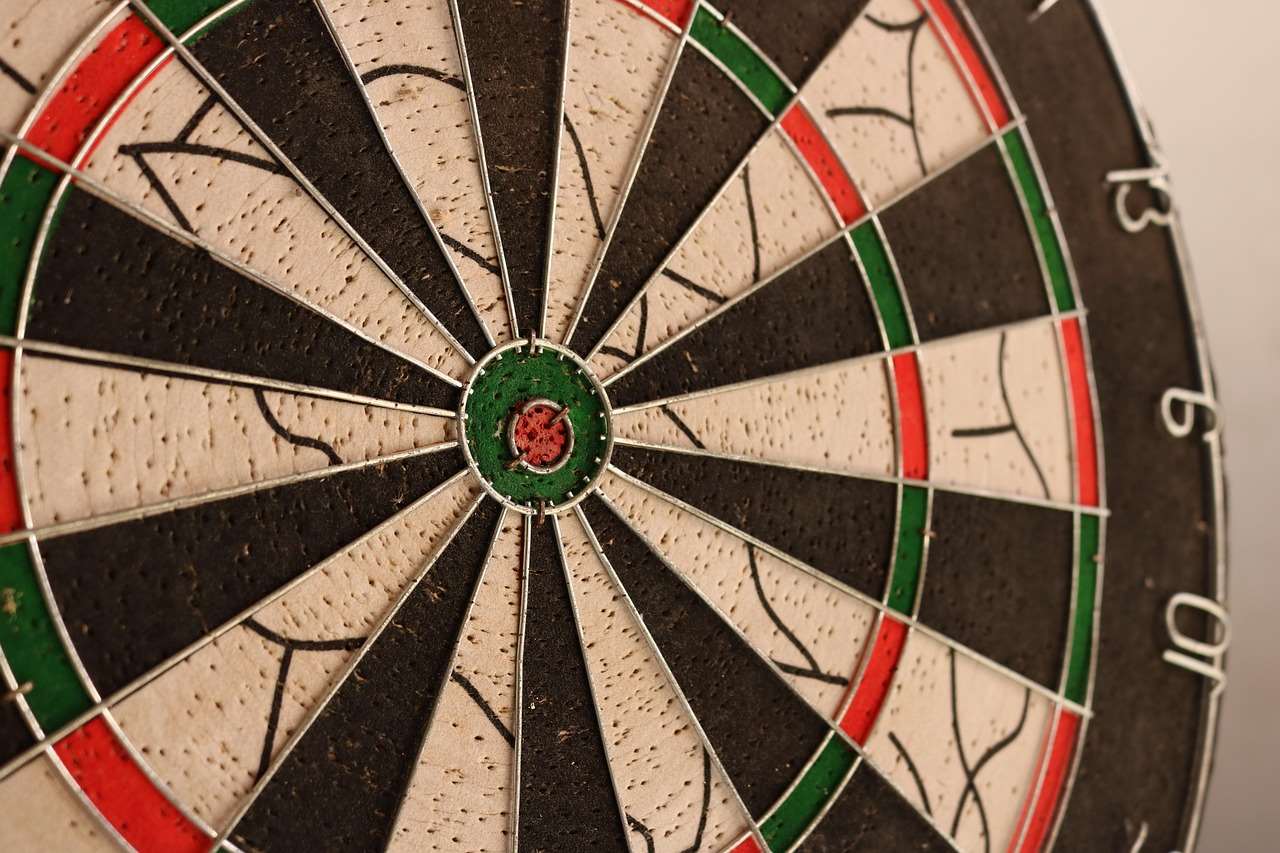
To eliminate an opponent, you must hit their assigned number on the dartboard. A single, double, or triple all count as one hit. Once you hit a player’s number the required number of times to eliminate all their lives, they are out of the game.
Protecting Yourself
While eliminating opponents is the primary goal, protecting your own lives is equally important. Be mindful of who is targeting you and try to anticipate their moves. Forming temporary alliances can be a viable strategy, but remember that these alliances are often fleeting.
The “Killer” Status
Once a player eliminates another player’s lives and knocks them out of the game, they typically become a “killer.” As a killer, you can target *any* player on the board, adding another layer of strategy to the game. Some variations might grant the killer additional privileges, such as an extra throw or the ability to redistribute lives among the remaining players.
Variations on the Killer Darts League Format Rules
One of the great things about killer darts is its adaptability. Here are some popular variations to keep things interesting:
1. Double/Triple to Kill
This variation requires players to hit a double or triple of their assigned number to eliminate a life. This significantly increases the difficulty and adds a greater element of skill to the game.
2. Reverse Killer
In this variation, players lose a life when they hit *their own* number. The goal is to avoid hitting your number while trying to eliminate your opponents. This can lead to some hilarious and unpredictable situations.
3. Team Killer
Players are divided into teams, and each team shares a pool of lives. Team members can protect each other by intercepting darts aimed at their teammates’ numbers. This promotes teamwork and communication.
4. “Mercy Rule”
To prevent one player from dominating the game and dragging it out, a “mercy rule” can be implemented. This might involve limiting the number of lives a killer can take in a single round or granting a temporary shield to players who are close to elimination.
Strategic Considerations for Killer Darts
Killer darts isn’t just about throwing darts accurately; it’s also about making smart strategic decisions. Here are some key considerations:
1. Observe Your Opponents
Pay close attention to your opponents’ throwing styles, strengths, and weaknesses. This will help you anticipate their moves and make informed decisions about who to target.
2. Form (and Break) Alliances
Temporary alliances can be useful for self-preservation, but be careful not to become too reliant on them. Remember that everyone is ultimately out for themselves.
3. Target the Weakest Links
Early on, it’s often wise to target the players who are struggling the most. This can give you an early advantage and reduce the number of threats on the board. While historical dart game variations might not offer such strategic depth, they still hold value.
4. Protect Yourself
Don’t forget to defend your own lives! If you’re being targeted, consider throwing defensively to avoid hitting your number. Or, perhaps, throw at the bullseye if your number is getting hit to throw off your opponent.
Tips for Organizing a Successful Killer Darts League
Here are some practical tips for running a smooth and enjoyable killer darts league:
1. Communicate Clearly
Make sure all players understand the rules and any variations before the game begins. Clearly communicate the number of lives each player has and the throwing order.
2. Keep Score Accurately
Use a whiteboard, chalkboard, or digital scoreboard to keep track of lives and eliminations. Designate someone as the official scorekeeper to avoid disputes.
3. Be Fair and Consistent
Enforce the rules fairly and consistently to ensure a level playing field. Address any disputes promptly and impartially.
4. Make it Social
Encourage friendly competition and camaraderie among players. Provide refreshments, snacks, and music to create a fun and relaxed atmosphere.
Discover the history of darts games uk to appreciate the evolution of the sport.
Adapting the Rules for Different Skill Levels
To ensure everyone enjoys the game, consider adjusting the killer darts league format rules based on the skill levels of the participants. Here are a few ideas:
For Beginners:
- Increase the number of lives each player starts with.
- Allow beginners to choose their assigned number (making it easier to hit).
- Implement a handicap system where more skilled players have fewer lives or must hit doubles/triples to eliminate a life.
For Advanced Players:
- Reduce the number of lives each player starts with.
- Assign smaller, more difficult numbers to skilled players.
- Introduce variations that require more precise throwing, such as double/triple to kill.
The Psychological Game of Killer Darts
Beyond the physical act of throwing darts, killer darts involves a significant amount of psychological warfare. Here are some mental strategies to employ:
Intimidation
Project confidence and skill, even if you’re not feeling it. A little bit of posturing can sometimes throw your opponents off their game.
Deception
Don’t always reveal your true intentions. Sometimes, it’s advantageous to make your opponents think you’re targeting someone else when you’re actually planning to attack them.
Mental Toughness
Don’t get discouraged by early setbacks. Even if you lose a few lives, maintain a positive attitude and stay focused on the goal. And remember, exploring forgotten pub dart games can offer a mental break and a fresh perspective.
Advanced Killer Darts Tactics
Once you’ve mastered the basics, you can start experimenting with more advanced tactics:
Strategic Throwing
Instead of always aiming for your assigned number, consider throwing strategically to block your opponents or set yourself up for a better shot on your next turn.
The Double Bluff
Make your opponents think you’re planning one move, then surprise them with something completely different. This can disrupt their strategy and give you a competitive edge.
Exploiting Weaknesses
Identify your opponents’ weaknesses and exploit them to your advantage. For example, if someone struggles with hitting doubles, target their number and force them to throw under pressure.

Conclusion
The killer darts league format rules offer a dynamic and exciting twist on traditional darts, blending skill, strategy, and a healthy dose of psychological warfare. By understanding the basic rules, exploring variations, and implementing strategic tactics, you can create a killer darts league that’s both challenging and enjoyable for players of all skill levels. So, gather your friends, assign your numbers, and get ready for a battle of skill and wits on the dartboard! Ready to take your darts game to the next level? Start planning your own killer darts league today!

Hi, I’m Dieter, and I created Dartcounter (Dartcounterapp.com). My motivation wasn’t being a darts expert – quite the opposite! When I first started playing, I loved the game but found keeping accurate scores and tracking stats difficult and distracting.
I figured I couldn’t be the only one struggling with this. So, I decided to build a solution: an easy-to-use application that everyone, no matter their experience level, could use to manage scoring effortlessly.
My goal for Dartcounter was simple: let the app handle the numbers – the scoring, the averages, the stats, even checkout suggestions – so players could focus purely on their throw and enjoying the game. It began as a way to solve my own beginner’s problem, and I’m thrilled it has grown into a helpful tool for the wider darts community.