The killer darts last man standing game is a thrilling elimination contest where accuracy and strategy are paramount, leaving only one player victorious. This article will guide you through the rules, strategies, and variations to help you master this exciting dart game, ensuring you’re the last one standing, as well as explore variations, advanced strategies and tips for improving your game.
⚠️ Still Using Pen & Paper (or a Chalkboard)?! ⚠️
Step into the future! The Dart Counter App handles all the scoring, suggests checkouts, and tracks your stats automatically. It's easier than you think!
Try the Smart Dart Counter App FREE!Ready for an upgrade? Click above!
Understanding the Basics of the Killer Darts Last Man Standing Game
The killer darts last man standing game, often simply called “Killer,” is a popular choice in pubs and dart leagues worldwide. It’s a game of survival, where players target each other’s “lives” while protecting their own. The core objective is to be the final player with at least one life remaining, making it a blend of skill, strategy, and a little bit of luck. Unlike some traditional dart games, like 501, Killer focuses on head-to-head competition and elimination.
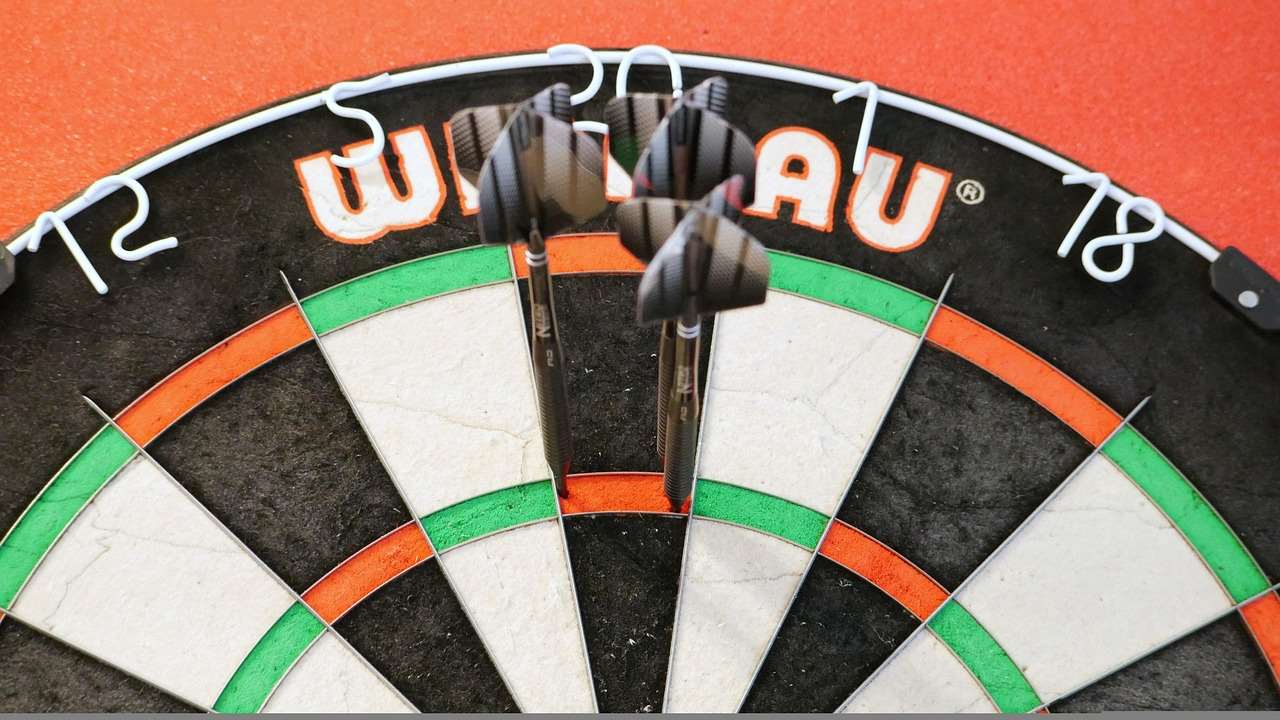
To start, each player needs a number. This is typically determined by throwing a dart at the board with your non-dominant hand. Whatever number you hit (single, double, or treble) becomes your number. If two players hit the same number, they usually re-throw until they have unique numbers. If a player hits the bullseye, that player can either choose their number or make it the player’s choice after them.
Setting Up the Game
- Determine the Number of Players: Killer works best with 3 or more players.
- Establish the Board: Ensure your dartboard is regulation size and properly mounted. Accurate setup is critical; otherwise, the game will be flawed from the start.
- Decide on the Number of Lives: Typically, each player starts with 3 lives, but this can be adjusted based on player skill and desired game length. Shorter games might use fewer lives, while longer, more strategic games could start with more.
- Assign Numbers: As mentioned above, have each player throw a dart with their non-dominant hand to determine their number.
The Rules of Killer Darts Last Man Standing Game
The rules of killer darts last man standing game are relatively simple, making it easy to learn but difficult to master. Here’s a breakdown of the gameplay:
- Becoming a “Killer”: A player becomes a “Killer” once they hit their assigned number. Once you hit your number, that section of the dartboard lights up (metaphorically or literally with some electronic boards) and you become eligible to target other players’ lives.
- Taking Lives: As a “Killer”, you must hit another player’s number to eliminate one of their lives. Single, double, or treble all count as one hit. Some variations require a double or treble to eliminate a life, adding a degree of difficulty.
- Losing Lives: If you have lives remaining and another player hits your number after they have become a killer, you lose a life. Keep track of how many lives each player has remaining.
- Elimination: Once a player loses all their lives, they are eliminated from the game. They no longer participate in throwing or targeting other players.
- Winning the Game: The last player remaining with at least one life is declared the winner.
Specific Game Rules and Variations
- Double/Treble for Elimination: Some variations require a double or treble of the target player’s number to take a life. This increases the difficulty and makes the game longer.
- Self-Inflicted Wounds: Some rules state that if you hit your own number when you are *not* a killer, you lose a life. This adds an element of risk to throwing near your own number while you are not yet activated.
- “Bullseye” Rule: Some variations assign the bullseye as a number. This is advantageous because the bullseye provides a smaller target, making it more challenging to hit.
- No Scoreboard Rule: In some games, players aren’t allowed to state their score, especially when close to becoming a “Killer”.
Strategic Play in Killer Darts Last Man Standing Game
While accuracy is crucial in the killer darts last man standing game, a strategic approach can significantly improve your chances of winning. Consider these tactics:
- Target Selection: Don’t always go for the easy target. Consider alliances, rivalries, and player skill. Sometimes, eliminating a strong player early is worth the risk.
- Protecting Your Number: Be mindful of where you’re aiming your darts, especially when other players are close to becoming killers. Avoid throwing near your own number if possible.
- Becoming a Killer Quickly: The sooner you become a killer, the sooner you can start eliminating opponents. Prioritize hitting your number early in the game.
- The Art of the Block: When you are not yet a killer, deliberately place your dart near your number to deter other players from aiming for it, and therefore becoming a killer.
Advanced Strategies for Killer Darts
Beyond the basics, several advanced strategies can give you an edge in the killer darts last man standing game:
- Forming Alliances: While alliances can be temporary, strategically aligning with another player can help you eliminate a mutual threat. Be wary of betrayal!
- Deception: Mislead your opponents about your intentions. Aim at one player’s number but switch to another at the last second.
- Calculated Risks: Sometimes, taking a risk is necessary to advance your position. Weigh the potential rewards against the possible consequences.
- Understanding Player Psychology: Knowing your opponents’ tendencies and weaknesses can help you predict their moves and exploit their vulnerabilities.
These dart games before 501 invented were likely far less strategic than the modern Killer Darts game.
Practicing Your Dart Skills for Killer
Improving your dart skills is essential for success in the killer darts last man standing game. Here are some practice drills to help you hone your accuracy:
- Target Practice: Focus on hitting specific numbers consistently. Aim for the single, double, and treble of your assigned number.
- Grouping Practice: Work on throwing groups of darts close together. This improves your consistency and reduces the likelihood of errant throws.
- Pressure Practice: Simulate game conditions by adding pressure to your practice sessions. This could involve setting time limits or playing against a virtual opponent.
- Mental Game: Visualize successful throws and stay calm under pressure. A strong mental game is just as important as physical skill.

Drills to Improve Your Accuracy
- The “Around the Clock” Drill: Start at the number 1 and throw three darts at each number in sequence, moving around the board clockwise.
- The “Double Trouble” Drill: Focus solely on hitting doubles. This improves your accuracy on the outer ring, which is crucial for many dart games.
- The “Treble Challenge” Drill: Similar to the “Double Trouble” drill, but focus on hitting trebles. This is more challenging but significantly improves your scoring potential.
- “Killer” Simulation Drill: Simulate a game of killer. Assign yourself a number and practice hitting it consistently. Then, pick another number and practice hitting that as well.
Variations and House Rules in Killer Darts
The beauty of the killer darts last man standing game is its adaptability. Many variations and house rules can be implemented to customize the game to your preferences. Before you begin playing ensure all the players agree on the chosen rules.
- Starting Lives: Adjust the number of starting lives based on player skill or desired game length.
- Elimination Requirements: Require a double or treble to eliminate a life, adding a level of difficulty.
- Self-Inflicted Wound Penalties: Implement penalties for hitting your own number when you’re not a killer.
- Bullseye Rules: Assign unique rules to the bullseye, such as awarding extra lives or eliminating a player immediately.
Examples of Popular House Rules
- “The Joker”: Designate a specific number (e.g., 25 for the outer bull) as “The Joker.” Hitting “The Joker” could grant a player an extra life or eliminate a random opponent.
- “Instant Death”: If a player hits three of the same number in a single round, they instantly eliminate an opponent of their choice.
- “The Savior”: If a player is down to their last life, hitting the bullseye restores them to their original number of lives.
Tips and Tricks for Mastering Killer Darts
Mastering the killer darts last man standing game requires more than just accurate throwing. Here are some additional tips and tricks to help you become a formidable opponent:
- Know Your Opponents: Pay attention to their throwing styles, tendencies, and weaknesses. This will help you anticipate their moves and exploit their vulnerabilities.
- Stay Calm Under Pressure: Darts is a mental game as much as a physical one. Learn to manage your emotions and stay focused, even when the pressure is on.
- Vary Your Throwing Style: Don’t become predictable. Mix up your throwing speed, angle, and release point to keep your opponents guessing.
- Maintain Your Equipment: Keep your darts in good condition and replace worn-out flights or shafts. A well-maintained dart is a more accurate dart.
Essential Dart Equipment Maintenance
- Sharpening Your Darts: Regularly sharpen the points of your darts to ensure they stick properly in the board.
- Replacing Flights: Replace torn or damaged flights to maintain consistent dart trajectory.
- Tightening Shafts: Keep your shafts tight to prevent wobble and ensure accurate throws.
- Cleaning Your Darts: Wipe down your darts with a clean cloth to remove dirt and grime, which can affect your grip.
Interested in other games? Check out these Darts Variants Fun Games.
The Social Aspect of Killer Darts
The killer darts last man standing game is not just about competition; it’s also a social activity. Playing with friends, family, or fellow dart enthusiasts can be a fun and rewarding experience. Here are some tips for making the most of the social aspect of Killer Darts:
- Be a Good Sport: Win or lose, always be respectful of your opponents. Congratulate them on their good throws and avoid gloating or trash-talking.
- Encourage Others: Offer encouragement and support to your fellow players, especially those who are struggling.
- Create a Fun Atmosphere: Play music, tell jokes, and generally create a lighthearted and enjoyable environment.
- Respect the Rules: Abide by the agreed-upon rules of the game and avoid arguing or cheating.
You could look into obscure dartboard games list for other social games to play.
Conclusion: Claiming Victory in Killer Darts
The killer darts last man standing game is a captivating blend of skill, strategy, and social interaction. By understanding the rules, mastering the techniques, and embracing the spirit of the game, you can significantly increase your chances of becoming the last one standing. Remember to practice regularly, strategize effectively, and most importantly, have fun! The key takeaways are to practice hitting your number to become a “Killer” quickly, target your opponents strategically, and maintain a strong mental game under pressure. Now, grab your darts, gather your friends, and prepare to unleash your inner killer! Head to your local dart shop or online retailer today and upgrade your dart equipment to enhance your game and dominate your next killer darts last man standing game. Good luck!

Hi, I’m Dieter, and I created Dartcounter (Dartcounterapp.com). My motivation wasn’t being a darts expert – quite the opposite! When I first started playing, I loved the game but found keeping accurate scores and tracking stats difficult and distracting.
I figured I couldn’t be the only one struggling with this. So, I decided to build a solution: an easy-to-use application that everyone, no matter their experience level, could use to manage scoring effortlessly.
My goal for Dartcounter was simple: let the app handle the numbers – the scoring, the averages, the stats, even checkout suggestions – so players could focus purely on their throw and enjoying the game. It began as a way to solve my own beginner’s problem, and I’m thrilled it has grown into a helpful tool for the wider darts community.