The core of killer darts finishing game rules revolves around eliminating your opponents by reducing their lives to zero after they’ve established a claim on a number. You’ll learn the standard rules, variations, strategies for survival, and tips to become a true darting assassin in this comprehensive guide.
⚠️ Still Using Pen & Paper (or a Chalkboard)?! ⚠️
Step into the future! The Dart Counter App handles all the scoring, suggests checkouts, and tracks your stats automatically. It's easier than you think!
Try the Smart Dart Counter App FREE!Ready for an upgrade? Click above!
Understanding the Basics of Killer Darts
Killer darts is a popular darts game, particularly among larger groups, because it’s exciting, strategic, and can quickly eliminate weaker players. Unlike many darts games focused on accumulating points or reaching a specific target, Killer darts is about outlasting your opponents. The game’s core involves claiming numbers, scoring on those numbers to become a “killer,” and then eliminating other players by hitting their claimed numbers. Let’s dive deeper into the foundational aspects of this thrilling game.
The number of players can vary, typically from 3 to as many as can comfortably fit around the oche. This makes it an excellent option for social gatherings and pub nights. The basic goal is simple: be the last player with at least one life remaining. Sounds easy enough, right? Prepare for cutthroat competition!
Setting Up the Game
Before the first dart is thrown, a few preliminary steps must be taken:
- Number Selection: Each player needs a number to claim. This can be done in several ways:
- Random Draw: Players can draw numbers from a hat or use a random number generator to assign numbers.
- Dart Throw: Each player throws a dart at the board. The number hit becomes their assigned number. If someone hits a number already assigned, they must throw again. Bullseye hits count as 25 for the outer ring and 50 for the inner bull.
- Life Allocation: Players typically start with three lives, represented visibly (e.g., with chalk marks on a board, keeping track on a scorecard, or using physical tokens). Some variations increase or decrease the number of lives to adjust the game’s length.
- Order of Play: The order of play can be determined randomly or through a preliminary round of darts, with players throwing closest to the bullseye going first.

Gameplay Explained
Once the setup is complete, the game begins. The objective of each player is twofold:
- Claim a Number: If a player does not yet have a number, their turn consists of throwing for the purpose of claiming one. The first dart that lands on an unclaimed number assigns that number to the player.
- Become a Killer and Eliminate Opponents: Once a player has claimed a number, they must hit it twice to become a “killer.” A killer is designated as such, usually by writing a “K” next to their name on the scoreboard. Once a killer, the player’s objective shifts to hitting other players’ numbers. Each time a killer hits another player’s number, that player loses a life. Once a player loses all their lives, they are eliminated from the game. The last player with remaining lives wins.
A player can only claim one number at a time. If a player hits their own number after becoming a killer, nothing happens – they don’t gain lives, and other players don’t lose any. The focus is on eliminating other players.
Strategic Considerations for Killer Darts
While the rules of killer darts finishing game rules seem straightforward, the game is rich with strategic possibilities. Effective strategy can drastically improve your chances of survival and victory. Let’s explore some key strategic considerations.
Choosing your number wisely is your first major strategic decision. Consider the following factors:
- Frequency of Hitting: Opt for a number you are reasonably confident in hitting consistently. Numbers in the upper and lower ranges of the dartboard (e.g., 19, 20, 3) are often preferred due to their larger target area.
- Spread: Consider choosing a number with good spread from the triple. Some numbers are easier to get a single on, if you miss the triple.
- Rivalry: Pay attention to which numbers other players are selecting. Choosing a number close to a particularly skilled opponent can create a heated rivalry and potentially lead to an early elimination for one of you.
Once you’ve become a killer, prioritize your targets based on the following:
- Most Vulnerable Players: Target players with fewer remaining lives first. Eliminating them quickly reduces the number of threats you face.
- Strongest Opponents: If you see a skilled player with multiple lives, it might be wise to engage them early, even if it’s risky. Allowing them to accumulate more lives could make them an unstoppable force later in the game.
- Proximity: Consider targeting players whose numbers are close to yours on the dartboard. This allows you to practice hitting those numbers while simultaneously posing a threat to your opponents.
Adapt your strategy as the game progresses. As players are eliminated, the dynamics of the game change. You might need to shift your focus from offense to defense, or vice versa, depending on the remaining players and their skill levels.

Defensive Tactics and Survival Tips
Killer darts isn’t just about being a good shot; it’s also about minimizing your vulnerability. Here are some defensive tactics to help you survive longer:
- Strategic Throwing: If you’re struggling to hit your own number to become a killer, consider throwing at the board in a way that makes it difficult for others to hit their numbers. Aiming near their numbers can be disruptive, forcing them to focus on accuracy rather than aggression.
- Avoid Unnecessary Risks: Don’t try overly ambitious shots if you’re low on lives. Focus on hitting your own number to secure your position and potentially become a killer.
- Mental Game: Stay calm and focused, even under pressure. Don’t let your opponents get into your head.
Variations on the Killer Darts Theme
Like many classic games, killer darts finishing game rules comes in a multitude of variations. These tweaks to the original rules can add layers of complexity, strategy, and excitement. Here are some popular variations.
This variation adds a dramatic twist. If a player hits the bullseye, they can steal a life from any other player. This can create tense moments and shift the balance of power quickly. Hitting a bullseye awards a player with a stolen life from another player of their choosing. This variation can introduce unpredictable swings and encourage riskier shots.
Single Life Killer
This ramps up the stakes considerably. Players start with only one life. This variation is fast-paced and unforgiving. A single mistake can lead to immediate elimination, making every dart throw incredibly important. This variation emphasizes accuracy and caution, as one bad throw can end your game.
Double Trouble Killer
In this version, players must hit their number on a double to become a killer. This adds another layer of difficulty and requires greater precision. This version is more challenging and rewarding, since hitting the double requires focus. This variation encourages players to hone their double-out skills and provides a different strategic element.
Team Killer
Team killer is perfect for larger groups. Players form teams, and the team’s overall goal is to eliminate all members of the opposing teams. Teamwork and strategic coordination become crucial for success. Teammates might choose numbers that are close together on the board to defend each other, or they might focus on eliminating specific threats from the opposing teams. This fosters a sense of camaraderie and encourages collaborative play. You might be surprised to learn about Darts Variants Fun Games and how they might relate.
Handicap Killer
To level the playing field, especially when there’s a significant skill disparity among players, handicap killer can be implemented. Stronger players might start with fewer lives, while weaker players start with more. This gives everyone a fighting chance and makes the game more competitive and engaging. This variation encourages more balanced gameplay and makes it accessible to players of all skill levels.
Common Mistakes to Avoid in Killer Darts
Even experienced dart players can fall prey to common mistakes in killer darts finishing game rules. Being aware of these pitfalls can help you avoid them and improve your overall performance.
Many players prioritize becoming a killer as quickly as possible, neglecting the strategic importance of number selection. As previously mentioned, choosing a number you’re comfortable hitting consistently is far more important than simply claiming the first available number. Take your time and assess the board before throwing.
- Ignoring Opponent’s Numbers: Failing to pay attention to the numbers claimed by other players can be a critical mistake. You might inadvertently choose a number close to a skilled opponent, making yourself an easy target. Or, you might miss an opportunity to strategically target a vulnerable player.
- Poor Aiming: Throwing erratically without a clear target in mind will lead to inconsistent results. Focus on your technique, aim carefully, and visualize the dart hitting your desired number.
- Becoming Complacent: Even after becoming a killer, don’t let your guard down. Other players will be gunning for you, so maintain your focus and continue to adapt your strategy.
Chasing after easy targets without considering the long-term consequences can backfire. Focusing solely on eliminating weaker players might leave you vulnerable to stronger opponents later in the game. Prioritize your targets strategically, considering both their current vulnerability and their potential threat level.

Overconfidence Can Be Your Downfall
A lot of players, especially the experienced ones can easily get overconfident. Remember that killer darts can be unpredictable. Even the best players can have bad streaks. Don’t let early success cloud your judgment. Stay humble, stay focused, and continue to adapt your strategy as the game evolves.
Tips for Improving Your Killer Darts Game
Want to become a formidable force in killer darts finishing game rules? Here are some actionable tips to help you sharpen your skills and dominate the competition:
- Practice Regularly: Consistent practice is the key to improving your dart throwing accuracy. Dedicate time to practicing specific numbers, including doubles and triples.
- Analyze Your Technique: Record yourself throwing darts and analyze your technique. Identify areas for improvement, such as your stance, grip, or release point.
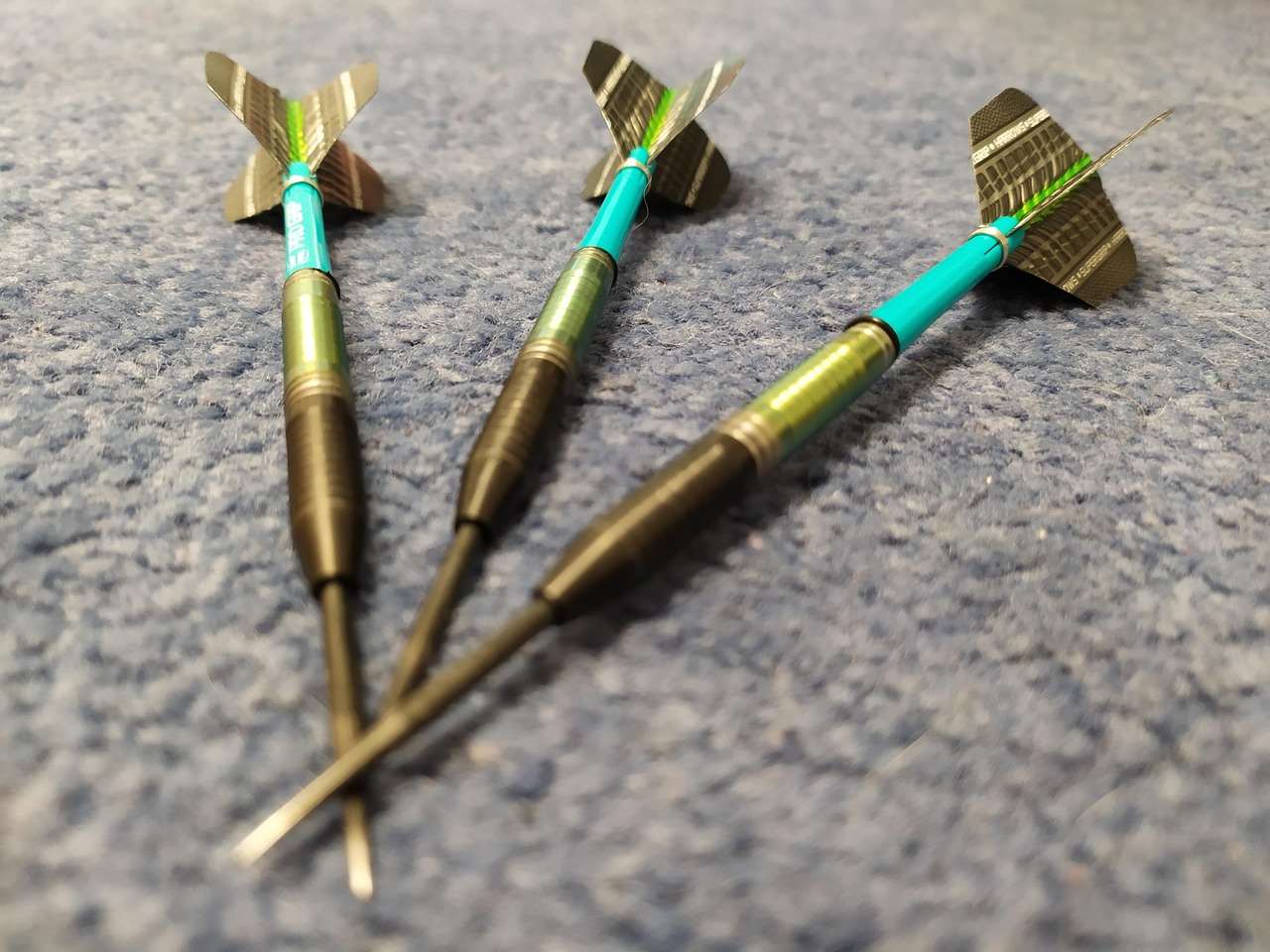
- Experiment with Different Darts: Finding the right darts for your throwing style can make a significant difference. Experiment with different weights, lengths, and barrel shapes to find what feels most comfortable and accurate for you.
Watch videos of professional dart players to observe their techniques and strategies. Pay attention to their stance, grip, release point, and mental approach to the game. Emulate their techniques and adapt them to your own style.
Play against a variety of opponents, including players who are both better and worse than you. This will expose you to different playing styles and force you to adapt your strategy. You might even find that you want to try some old dart games rules to improve.
Killer darts is as much a mental game as it is a physical one. Develop strategies for staying calm and focused under pressure. Practice visualization techniques to improve your accuracy and confidence. Believe in your abilities and approach each game with a positive attitude.
Killer Darts: More Than Just a Game
Killer darts, beyond its competitive nature, is a fantastic way to socialize and enjoy the company of friends. It’s a game that can be enjoyed by players of all skill levels, and the variations offer something for everyone. Whether you’re a seasoned dart player or a complete novice, killer darts provides an opportunity to have fun, test your skills, and engage in some friendly competition. It is an extremely fun activity and an interesting history of darts games uk, and can be a fun night out.
Killer Darts Finishing Game Rules: Conclusion
Understanding and mastering killer darts finishing game rules opens the door to a world of strategic depth and competitive fun. From carefully selecting your number and honing your throwing accuracy to adapting your strategy based on the game’s dynamics, the keys to success lie in preparation, adaptability, and a cool head under pressure. Remember to practice regularly, learn from your mistakes, and embrace the social aspect of the game. Now it’s time to grab your darts, gather your friends, and put your newfound knowledge to the test! So, go ahead and start your journey to becoming the ultimate darting assassin. What are you waiting for? Start playing killer darts today!

Hi, I’m Dieter, and I created Dartcounter (Dartcounterapp.com). My motivation wasn’t being a darts expert – quite the opposite! When I first started playing, I loved the game but found keeping accurate scores and tracking stats difficult and distracting.
I figured I couldn’t be the only one struggling with this. So, I decided to build a solution: an easy-to-use application that everyone, no matter their experience level, could use to manage scoring effortlessly.
My goal for Dartcounter was simple: let the app handle the numbers – the scoring, the averages, the stats, even checkout suggestions – so players could focus purely on their throw and enjoying the game. It began as a way to solve my own beginner’s problem, and I’m thrilled it has grown into a helpful tool for the wider darts community.