The standard junior darts oche distance is 7 feet 9 1/4 inches (2.37 meters) from the dartboard, although the height isn’t strictly defined as it depends on the player’s stature. This article will delve into the specifics of junior darts oche distance and height, providing guidance on setting up the game safely and effectively for young players, alongside tips for improving their game.
⚠️ Still Using Pen & Paper (or a Chalkboard)?! ⚠️
Step into the future! The Dart Counter App handles all the scoring, suggests checkouts, and tracks your stats automatically. It's easier than you think!
Try the Smart Dart Counter App FREE!Ready for an upgrade? Click above!
Understanding the correct junior darts oche distance and height is crucial for fair play and safety. While the standard distance is well-defined, the ideal height depends entirely on the player’s reach, ensuring they can comfortably throw darts without straining. This requires a bit of adjustment and experimentation to find what works best for each child. This is different to standard adult play and has its own considerations. But this isn’t just about distance and height; it is also about creating a safe and engaging space for young dart players.
Finding the right junior darts oche distance and height is just one piece of the puzzle. We’ll also explore essential setup guidelines, common mistakes to avoid, and techniques to help young players develop proper throwing form.
Junior Darts Oche Distance: The Importance of Standardisation
Maintaining a consistent junior darts oche distance is paramount for fair play. Unlike adult games, where players of varying heights can still compete effectively using the standard oche distance, in junior games, we need to think a bit more about how tall and how long their arms are. The official distance of 7 feet 9 1/4 inches (2.37 meters) provides a baseline. However, for younger or smaller children, it might be necessary to adjust this to suit their size and abilities.
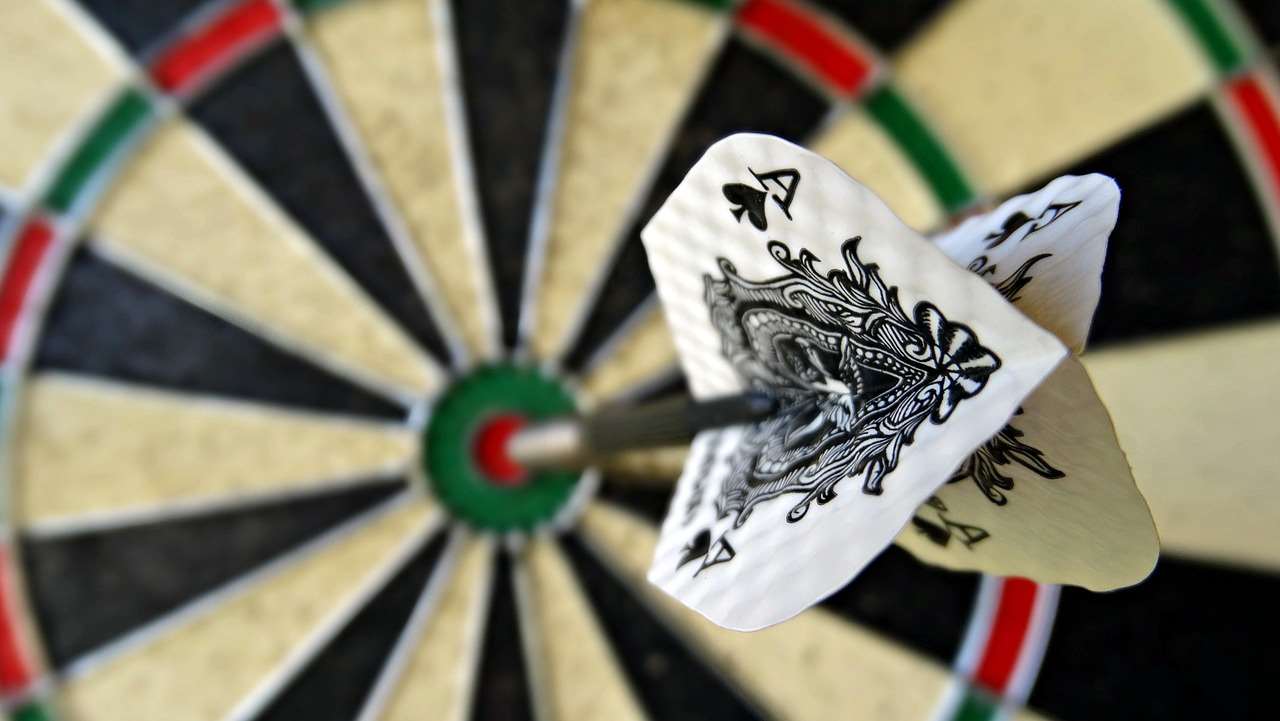
Consider using a shorter oche distance for beginners and progressively increasing it as their skills develop. This gradual adjustment helps avoid frustration and promotes confidence building. A flexible approach to the junior darts oche distance ensures a fun and encouraging learning experience, and can help motivate a child to improve their skills. Remember consistency is key here to make certain the game remains fair throughout.
Setting Up Your Junior Darts Game: Oche and Beyond
Measuring the Oche Distance
Accurately measuring the junior darts oche distance is crucial. Use a tape measure to ensure the exact distance of 7 feet 9 1/4 inches (2.37 meters) from the face of the dartboard to the oche line. Mark the oche line clearly using tape or chalk. Remember, this is a guideline, and adjustments may be necessary depending on the player’s height.
Choosing the Right Dartboard
Selecting an age-appropriate dartboard is just as important as getting the junior darts oche distance right. Opt for a softer dartboard designed for children to minimize the risk of injury and damage to walls. Consider bristle dartboards with sisal fibers, as these are more forgiving than plastic alternatives. There are also soft-tip dartboards available for younger children, eliminating any risk of needle-related injury, though you will need to use soft-tip darts instead of steel-tip ones.
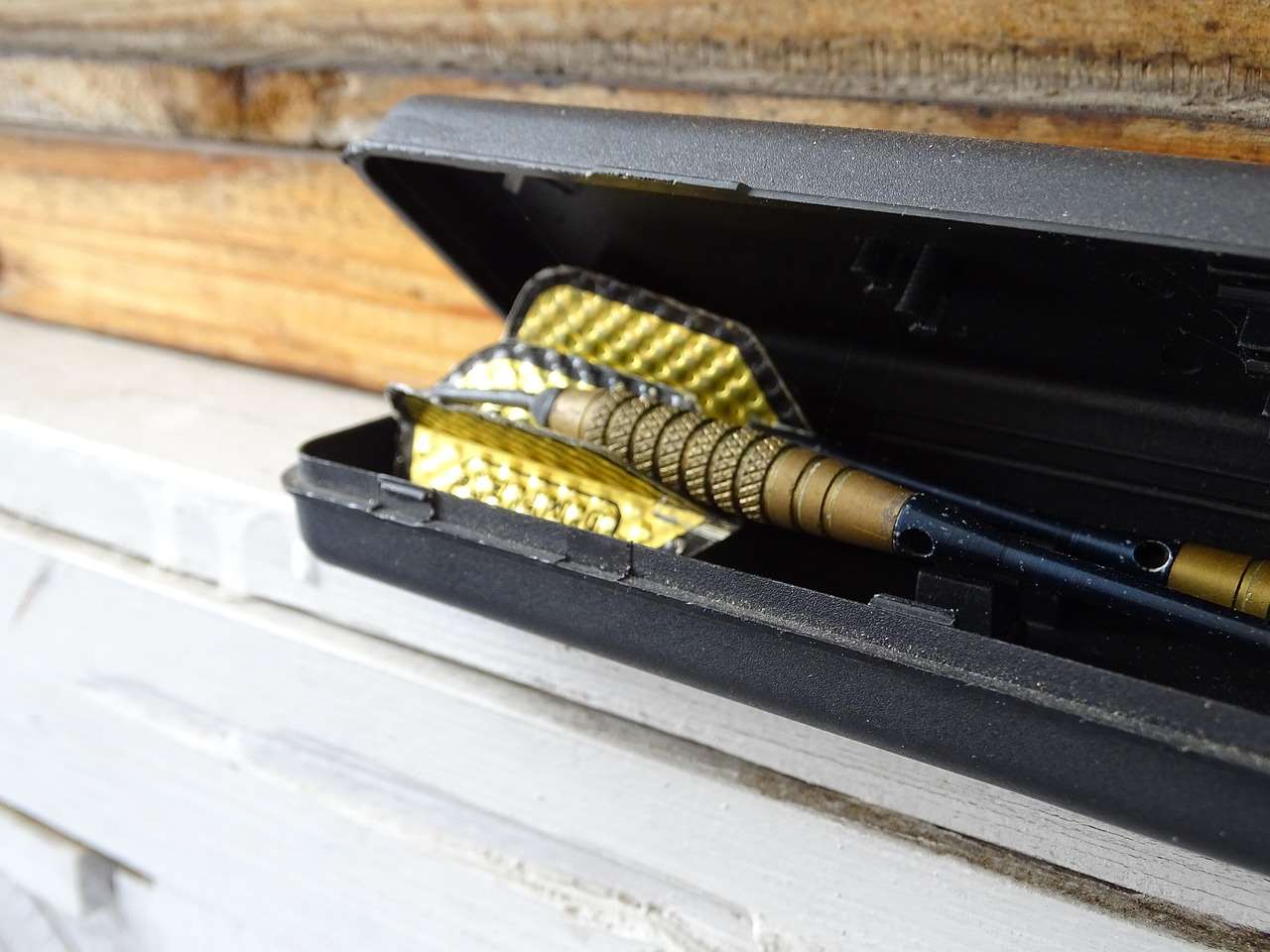
Remember to always supervise children while they are playing darts, even if they are using a soft-tip dartboard. It is important to teach them the importance of safe dart handling, and to ensure that the dartboard is set up in a way that won’t lead to them or anyone else getting hurt.
Adapting the Oche Distance for Younger Players
For very young players, reducing the junior darts oche distance may be beneficial. Start with a shorter distance, perhaps 5 feet or even less, to allow them to throw darts comfortably and build confidence. Gradually increase the distance as their skills improve. This incremental approach helps them develop accuracy and consistency without causing undue frustration. You might consider even using smaller, lighter darts designed specifically for children.
Remember, the goal is to make the game enjoyable and encouraging. If a child is struggling with the distance, don’t push them too hard. Focus on fun and skill development. This is where using a soft-tip dartboard will come in handy as children can safely practice their technique and build confidence in their skills without any fear of injuries. Check the packaging of any board or darts you purchase to make sure they are age-appropriate.
Understanding the Height Factor
While the official guidelines primarily focus on the junior darts oche distance, the player’s height is a crucial factor to consider. The throwing arm should be naturally extended, and the child shouldn’t have to stretch or hunch over to reach the board. A slightly elevated oche could be considered for taller children.
The emphasis should always be on comfortable reach and proper throwing posture. This is very important for building correct technique in the younger players. It will prevent bad habits being formed and can prevent injuries in the longer run.
Troubleshooting Common Problems
Many beginners struggle with accuracy and consistency initially. Some common issues include incorrect grip, inconsistent throwing action, and poor aiming technique. Working through these problems will help children develop their throwing technique and improve their game.
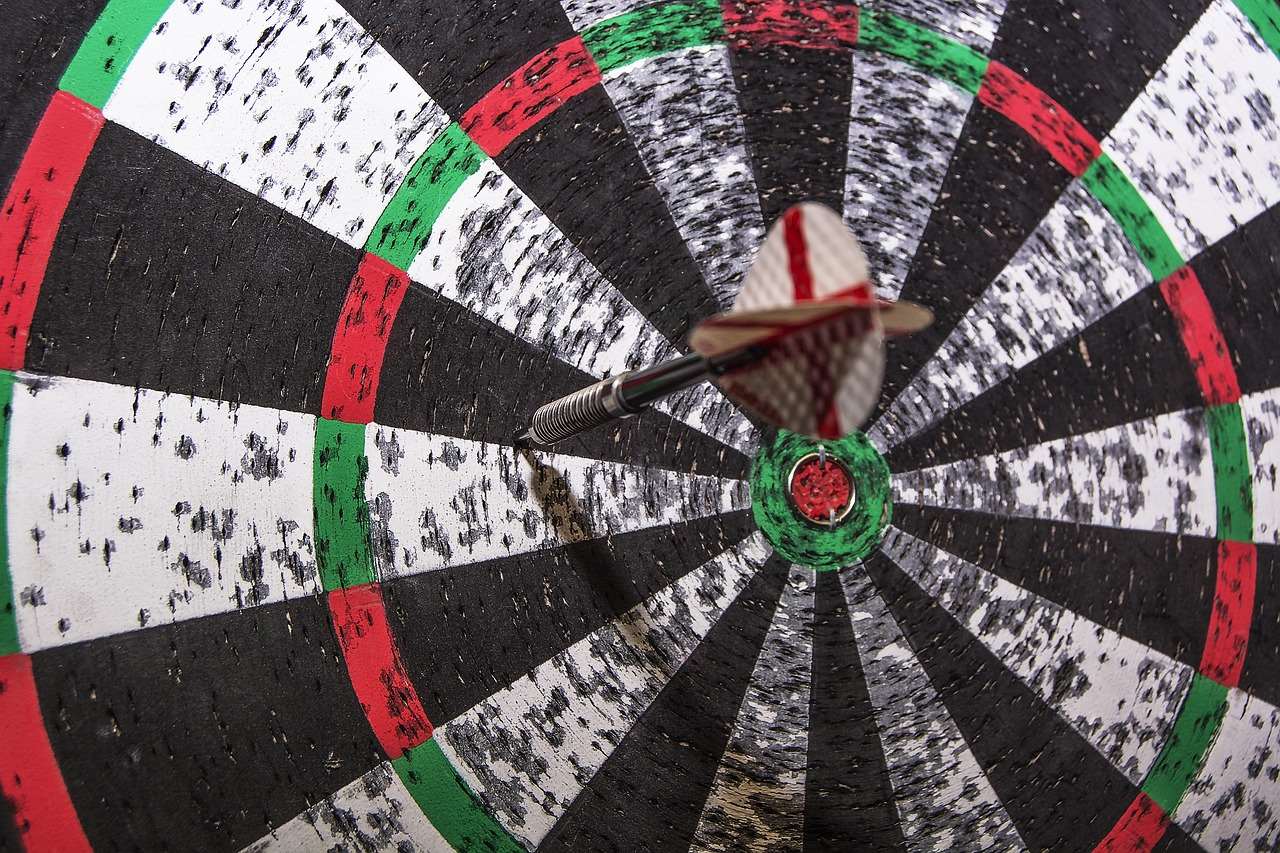
One common mistake to watch out for is an inconsistent release. Learning how to release the dart smoothly and accurately is crucial. Making sure your child is able to do this will contribute to more accurate throws, and they will find this helps them improve their scores. You can find helpful information about improving release technique here: when dart release.
Improving Your Child’s Dart Game
Besides getting the junior darts oche distance and height right, focus on teaching proper throwing technique. A smooth, consistent throwing motion is key to accuracy. Encourage a relaxed stance, aiming for the center of the board. Practice is crucial, but keep it fun and engaging.
Introduce simple games initially, focusing on hitting the bullseye or particular numbers. As their skill improves, introduce more challenging games to enhance their skills and strategic thinking. Dart games offer various options to keep children entertained and learning. Don’t forget that a bit of playful competition can help motivate them too. You can also teach them about the different scoring options on the board, including the outer bull, more information on this can be found here: outer bull score darts.
Remember, mastering darts takes time and practice. Focus on encouraging a positive learning environment, and celebrate their achievements. It’s about fun and building confidence. Don’t forget to consider your choice of darts too. Dart flight shaft and weight can have a big impact on accuracy, and lighter darts can be more suitable for kids.
Safety First: Essential Tips for Safe Dart Playing
Always supervise young players to ensure safe play. Choose appropriate dartboards and darts for their age and skill level. Insist on the use of safety glasses or eye protection to prevent any accidents involving stray darts. Remind children about the importance of proper throwing technique and responsible dart handling.
Explain the risks associated with inappropriate behaviour, such as throwing darts at anything other than the dartboard. It’s always important to make sure the environment is safe. Consider using a dartboard light surround to improve visibility and make the dartboard easier to aim at.

Teaching children about the scoring system can make the game more engaging, and this will make them more interested in improving their game. Using a Darts scoreboard app can be very useful for helping to keep score during games. Try to make it as fun as possible and you will be surprised at how quickly they pick up the skills.
Conclusion: Mastering Junior Darts Oche Distance and Height
Mastering the junior darts oche distance and height is essential for a safe and enjoyable dart experience for young players. By following the guidelines discussed in this article and providing a supportive learning environment, parents and coaches can help children develop their skills and confidence. Remember, the correct junior darts oche distance is a starting point, and adjustments based on the player’s height and skill level are essential. The key is to have fun and make learning enjoyable.
This article covered various aspects of setting up a junior darts game, focusing on the correct distance and height, choosing age-appropriate equipment, and teaching proper throwing techniques. By consistently following this advice and offering encouragement, young players can build confidence, improve their skills and experience all the joys of the game. And don’t forget to check out some fun dart games that will keep them entertained and engaged!

Hi, I’m Dieter, and I created Dartcounter (Dartcounterapp.com). My motivation wasn’t being a darts expert – quite the opposite! When I first started playing, I loved the game but found keeping accurate scores and tracking stats difficult and distracting.
I figured I couldn’t be the only one struggling with this. So, I decided to build a solution: an easy-to-use application that everyone, no matter their experience level, could use to manage scoring effortlessly.
My goal for Dartcounter was simple: let the app handle the numbers – the scoring, the averages, the stats, even checkout suggestions – so players could focus purely on their throw and enjoying the game. It began as a way to solve my own beginner’s problem, and I’m thrilled it has grown into a helpful tool for the wider darts community.