The JDC challenge darts practice game is a fantastic tool for aspiring dart players to hone their skills and track their progress, offering structured drills that focus on accuracy and consistency. This article will explore the ins and outs of this popular practice method, covering its rules, benefits, and strategies to maximize its effectiveness, helping you become a more confident and skilled darts player.
⚠️ Still Using Pen & Paper (or a Chalkboard)?! ⚠️
Step into the future! The Dart Counter App handles all the scoring, suggests checkouts, and tracks your stats automatically. It's easier than you think!
Try the Smart Dart Counter App FREE!Ready for an upgrade? Click above!
Understanding the JDC Challenge Darts Practice Game
The JDC challenge darts practice game is designed to mimic the pressure and demands of competitive darts, providing a structured way to improve your scoring and accuracy. It’s a widely recognized practice routine, especially among young dart players, but its benefits extend to players of all skill levels. The challenge helps to identify weaknesses in your game, allows you to work on them, and provides a quantifiable way to measure your improvements over time.
The Core Principles of the Challenge
- Targeted Practice: The challenge focuses on specific areas of the dartboard.
- Scoring System: A clear scoring system provides immediate feedback on your performance.
- Progress Tracking: You can easily track your scores over time to monitor your progress.
- Simulated Pressure: The structured nature helps to replicate the pressure of a real match.
Setting Up the JDC Challenge Darts Practice Game
Before you start improving your game with the JDC challenge darts practice game, you’ll need to set it up properly. This ensures a fair and consistent experience every time you practice. This involves understanding the scoring system and familiarizing yourself with the target areas.
Essential Equipment
- A standard dartboard
- A set of darts
- A scoring system (paper and pen, whiteboard, or a darts scoring app)
- A clear understanding of the challenge rules
The Standard JDC Challenge Format
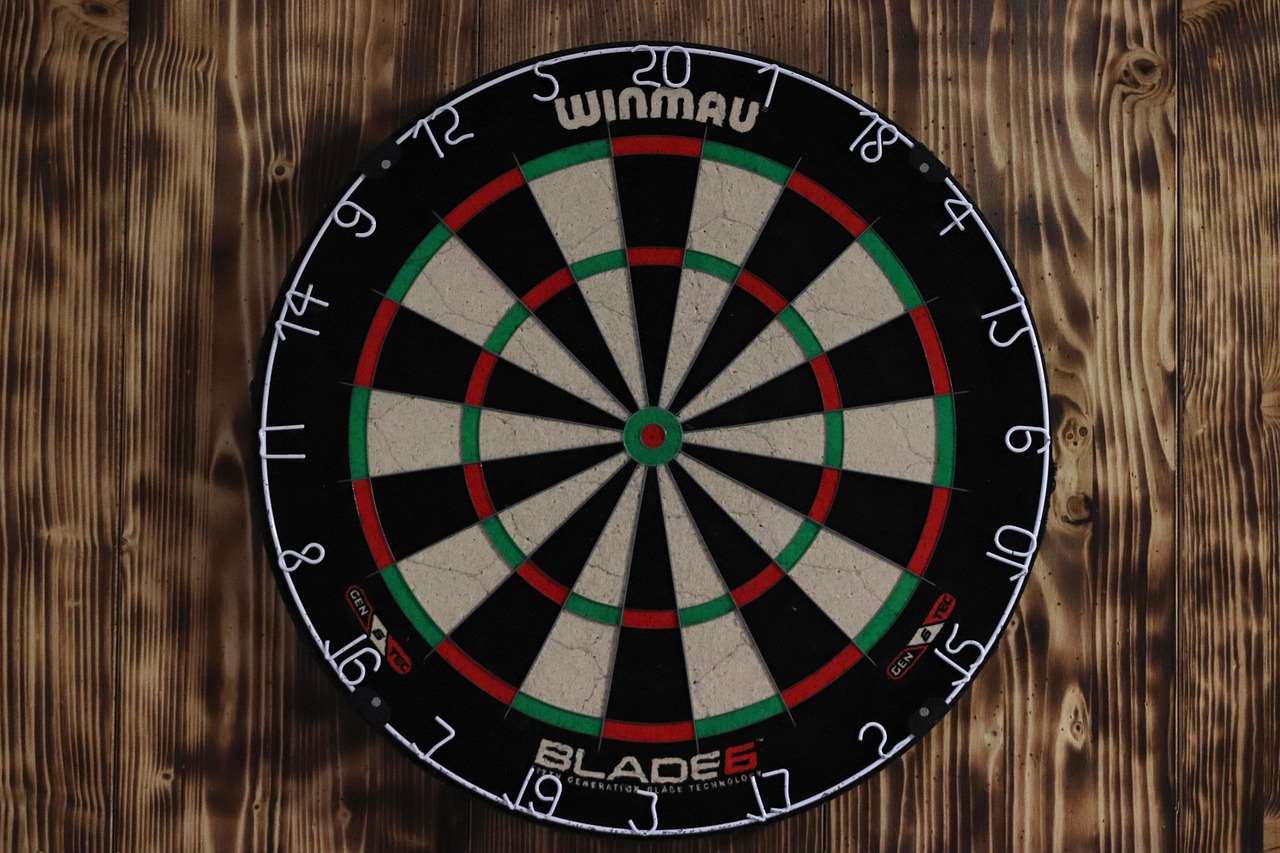
The standard JDC Challenge involves throwing three darts at each of the following targets:
- 20 Segment: Aim for the single 20.
- 19 Segment: Aim for the single 19.
- Double 20: Aim for the double 20.
- Double 19: Aim for the double 19.
- Treble 20: Aim for the treble 20.
- Treble 19: Aim for the treble 19.
- Bullseye: Aim for the bullseye (50 points).
- 25 (Single Bull): Aim for the single bull (25 points).
- Outer Bull: Aim for the outer bull (25 points). Note that some variations only count the bullseye here, not the outer bull.
Scoring System Explained
The scoring is straightforward:
- Direct Hit: If a dart lands in the target area, you score the full value of the target (e.g., 20 for the 20 segment, 60 for the treble 20, 50 for the bullseye).
- Missed Target: If a dart misses the target area, you score zero for that dart.
Add up the scores for all nine rounds (27 darts in total) to get your final score. The higher the score, the better your performance. Tracking your scores over time is vital for assessing your improvement. For example, you might find some Darts Variants Fun Games really helpful for this process.

Strategies to Improve Your JDC Challenge Darts Practice Game Score
Maximizing your score in the JDC challenge darts practice game requires more than just throwing darts. Strategic practice, focusing on your technique, and identifying your weaknesses are key. Here are some actionable strategies to help you improve:
Focus on Your Stance and Grip
Your stance and grip are the foundation of your throw. Experiment with different stances to find what feels most comfortable and stable for you. Similarly, experiment with different grips to find one that gives you the best control over the dart. Consistency in your stance and grip is crucial for accuracy.
Develop a Consistent Throwing Motion
A consistent throwing motion is essential for hitting your targets reliably. Break down your throw into its component parts (stance, grip, backswing, forward motion, release) and practice each part individually. Aim for fluidity and repeatability in your motion. Consider recording yourself throwing to identify areas for improvement.
Target Practice and Visualization
Before each throw, visualize the dart hitting the target. This mental rehearsal can help to improve your focus and accuracy. Focus on the specific segment you are aiming for, and try to picture the dart landing there. If your target is the single bull, make sure your visualization is clear and focused. This is especially useful for targets like the treble 20, which requires pinpoint accuracy.
Identify and Address Your Weaknesses
As you practice the JDC challenge darts practice game, you’ll likely notice that you struggle with certain targets more than others. Pay attention to these weaknesses and dedicate extra practice time to them. For example, if you consistently miss the double 20, focus on drills that specifically target that area of the board. Another good related keyword is **dart throwing techniques** as you will need to refine these.
Use Visual Aids
Some players find it helpful to use visual aids to improve their accuracy. This could include placing a small piece of tape on the wall behind the dartboard to help them focus their eyes, or using a laser pointer to help them align their throw. Experiment with different visual aids to see if they help you improve your accuracy.
Vary Your Practice Routine
While the JDC challenge darts practice game is a great foundation, it’s important to vary your practice routine to keep things interesting and prevent boredom. Try incorporating other practice games, such as round the clock or cricket, to work on different aspects of your game. Trying some forgotten pub dart games may bring some inspiration.
Record and Analyze Your Performance
Keep a record of your scores for each round of the JDC challenge darts practice game. This will allow you to track your progress over time and identify areas where you are improving or struggling. You can use a notebook, spreadsheet, or a darts scoring app to record your scores. Analyzing your performance can help you to tailor your practice routine to address your specific needs.
Variations of the JDC Challenge Darts Practice Game
The standard JDC challenge darts practice game is a great starting point, but you can also modify it to suit your individual needs and goals. Here are some popular variations:
Modified Target Order
Change the order of the targets to keep things interesting and challenge yourself in different ways. For example, you could start with the bullseye and work your way down to the single segments. This can help you to improve your adaptability and prevent complacency.
Handicap System
If you are practicing with players of different skill levels, you can use a handicap system to level the playing field. This could involve giving less skilled players extra points or allowing them to throw more darts. A handicap system can make practice more enjoyable and motivating for everyone involved.
Time-Based Challenge
Instead of focusing on the number of darts thrown, you can set a time limit for each round. This will force you to throw more quickly and under pressure, which can help you to improve your decision-making and accuracy under pressure. Using a timer may add an element of stress but this is a helpful challenge. Some might consider looking into the historical dart game variations for more complex scoring systems.
Focus on Doubles and Trebles
Dedicate a practice session solely to doubles and trebles. This will help you improve your finishing skills and accuracy on these crucial targets. You could create a custom challenge that only includes doubles and trebles, or you could incorporate them into the standard JDC challenge darts practice game.
The “Around the World” Variation
This variation involves throwing at each number on the dartboard in sequence, starting with 1 and ending with 20. You must hit the correct number before moving on to the next one. This is a great way to improve your accuracy on all areas of the dartboard and to develop a consistent throwing motion. It’s also an excellent option alongside the JDC challenge darts practice game.

The Mental Game of Darts and the JDC Challenge
While physical skill is essential, the mental aspect of darts is equally important, especially when practicing the JDC challenge darts practice game. Maintaining focus, managing pressure, and building confidence are all crucial for success.
Developing a Pre-Throw Routine
A consistent pre-throw routine can help you to focus your mind and prepare for each throw. This could involve taking a deep breath, visualizing the target, or repeating a positive affirmation. Find a routine that works for you and stick to it. This will help you to maintain your composure under pressure and to throw consistently.
Managing Pressure
Pressure can have a significant impact on your performance in darts. Learn to recognize the signs of pressure (e.g., increased heart rate, sweaty palms) and develop strategies for managing it. This could involve taking a break, focusing on your breathing, or reminding yourself of your strengths. Using the JDC challenge darts practice game will increase your resistance to pressure in real-world scenarios.
Building Confidence
Confidence is essential for success in darts. Believe in your abilities and focus on your strengths. Celebrate your successes, no matter how small, and learn from your mistakes. The JDC challenge darts practice game allows you to track your progression. Over time you will start to see improvements which builds confidence.
Positive Self-Talk
Use positive self-talk to encourage yourself and to stay focused on your goals. Replace negative thoughts with positive ones. For example, instead of thinking “I’m going to miss this,” think “I can hit this.” Positive self-talk can help you to build confidence and to perform at your best. Exploring the history of darts games UK may provide some inspiration, reminding you of the game’s rich tradition and your place within it.
Advanced Drills to Enhance Your JDC Challenge Performance
Once you’ve mastered the basics of the JDC challenge darts practice game, you can incorporate advanced drills to further challenge yourself and refine your skills. These drills focus on specific aspects of your game and can help you to break through plateaus. Here is some additional information related to **dart practice drills**.
Grouping Drills
Grouping drills focus on throwing multiple darts into the same small area of the dartboard. This helps to improve your consistency and accuracy. Set a target (e.g., the treble 20) and try to throw three darts into that target as close together as possible. You can use a scoring system to track your progress and to measure your improvement over time.
Checkout Practice
Checkout practice involves practicing specific checkout combinations. This is a crucial skill for competitive darts, as it allows you to finish legs quickly and efficiently. Choose a checkout combination (e.g., 170, 164, 100) and practice throwing the darts required to achieve that checkout. You can use a darts scoring app or website to generate random checkout combinations to practice.
Around the Clock with Doubles/Trebles
Combine the “Around the Clock” variation with doubles or trebles. This is a challenging drill that will test your accuracy and your ability to hit specific targets under pressure. Start at the 1 double, then proceed to the 2 double, all the way to the 20 double, and then bullseye to finish. Similarly, you can practice trebles in the same way. You’re always learning, so keep an eye on **dart technique**.
The “Killer” Game for Solo Practice
Adapt the “Killer” game for solo practice. Assign yourself a number on the board. You start with a certain number of lives (e.g., 3). To gain “killer” status (double your number), you must hit that double first. Once a “killer” your aim is to knock out your lives by hitting the single segment of your number. Once you lose all your lives, the game is over. This adds an element of pressure and consequences to your practice.
Conclusion
The JDC challenge darts practice game is a valuable tool for dart players of all levels seeking to enhance their skills and track their progress. By understanding the game’s structure, employing effective strategies, and incorporating variations and advanced drills, you can significantly improve your accuracy, consistency, and mental fortitude. Remember to track your progress, analyze your performance, and stay consistent with your practice routine. Embrace the challenge, focus on continuous improvement, and enjoy the journey of becoming a better darts player. Now, pick up your darts and start practicing! Aim for the bullseye!

Hi, I’m Dieter, and I created Dartcounter (Dartcounterapp.com). My motivation wasn’t being a darts expert – quite the opposite! When I first started playing, I loved the game but found keeping accurate scores and tracking stats difficult and distracting.
I figured I couldn’t be the only one struggling with this. So, I decided to build a solution: an easy-to-use application that everyone, no matter their experience level, could use to manage scoring effortlessly.
My goal for Dartcounter was simple: let the app handle the numbers – the scoring, the averages, the stats, even checkout suggestions – so players could focus purely on their throw and enjoying the game. It began as a way to solve my own beginner’s problem, and I’m thrilled it has grown into a helpful tool for the wider darts community.