Tired of playing the same old darts games? Inventing new darts games ideas is easier than you think, and it’s the perfect way to spice up your next game night! This article will provide you with a framework and inspiration to create your own unique and exciting darts variations, along with practical tips for ensuring fairness and fun for all players.
⚠️ Still Using Pen & Paper (or a Chalkboard)?! ⚠️
Step into the future! The Dart Counter App handles all the scoring, suggests checkouts, and tracks your stats automatically. It's easier than you think!
Try the Smart Dart Counter App FREE!Ready for an upgrade? Click above!
Unlocking Creativity: A Framework for Inventing New Darts Games Ideas
The key to inventing new darts games ideas lies in understanding the core elements of dart games and then creatively manipulating them. Think about the scoring system, the target areas, the number of darts thrown, and any special rules or conditions. By changing these elements, you can generate a nearly endless variety of games.
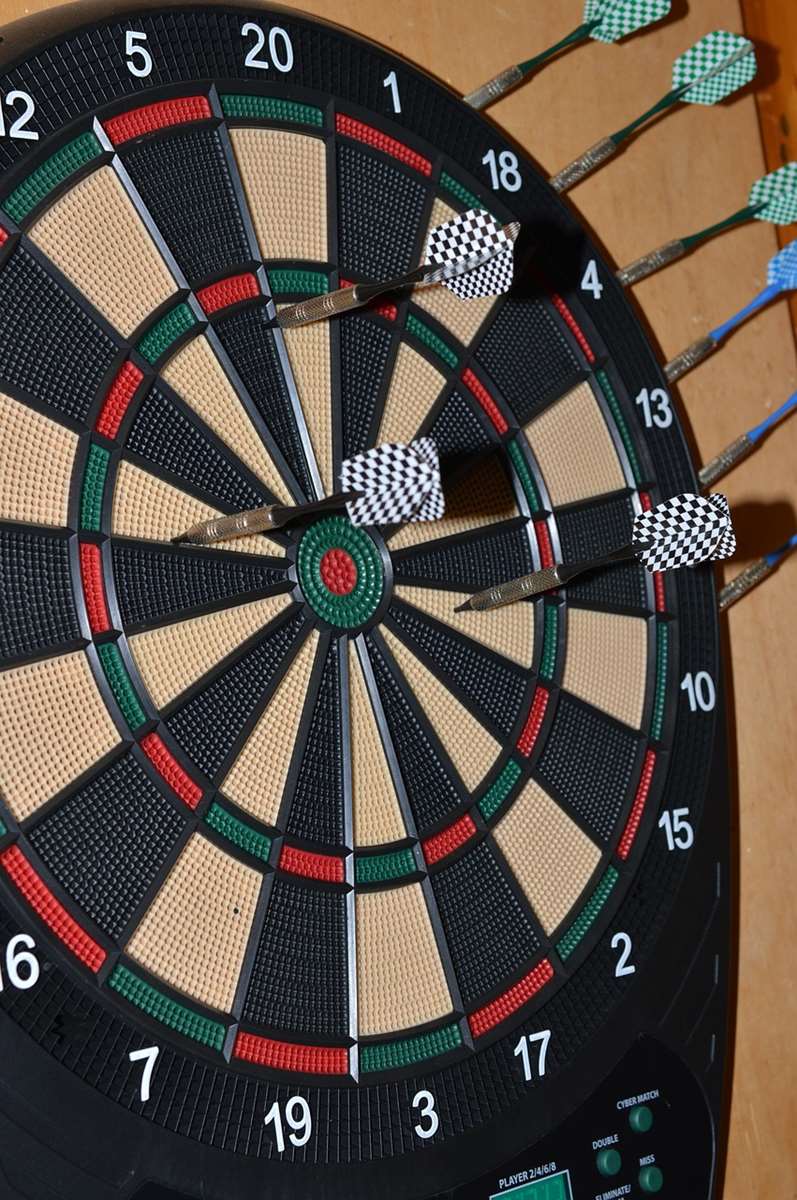
Before you dive into specific ideas, let’s establish a framework. Consider these aspects:
- Objective: What is the goal of the game? Is it to reach a certain score, eliminate opponents, or complete a specific pattern?
- Scoring: How are points awarded? Are all sections of the board worth the same, or are there multipliers and bonuses?
- Rules: What are the specific regulations? Are there restrictions on which numbers to hit, penalties for missing, or special actions players can take?
- Difficulty: How challenging is the game? Can it be easily adapted for players of different skill levels? Consider using a Handicap system fun dart games to make it more fair.
- Number of Players: Is it a solo game, a head-to-head competition, or a team-based game?
Keeping these elements in mind will help you structure your ideas and create games that are both fun and engaging. Always consider player experience when creating your game. Does it flow well? Are the rules easy to understand? Is there a good balance between skill and luck?
Brainstorming Techniques for Unique Darts Games
Now that we have a framework, let’s explore some brainstorming techniques to spark your creativity and aid in inventing new darts games ideas:
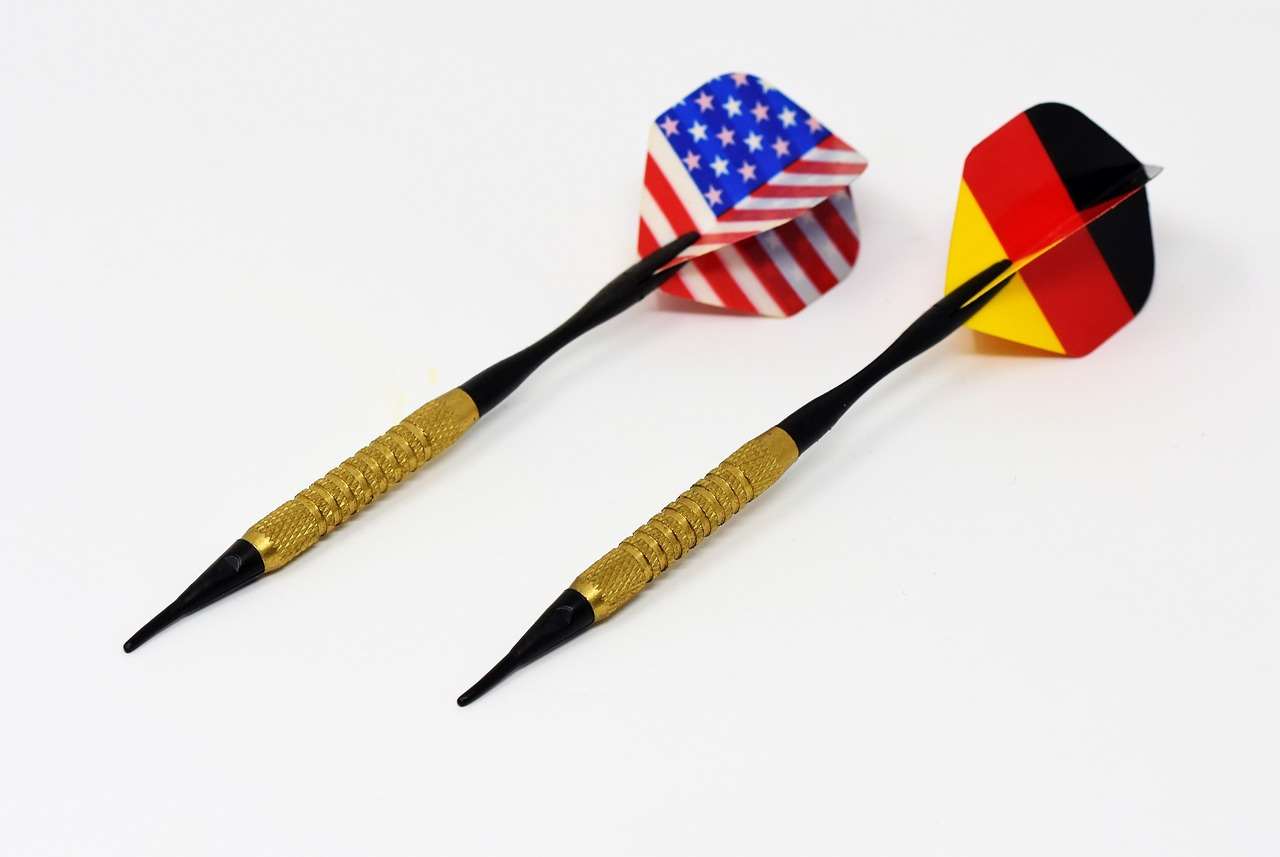
- Target Area Modifications:
- Restricted Zones: Can you design a game where certain sections of the board are off-limits or have negative point values?
- Moving Targets: While not literally moving the board (safety first!), could you mentally designate a “hot zone” that shifts after each round?
- Pattern Play: Players must hit targets in a specific sequence to earn points.
- Scoring System Innovations:
- Progressive Scoring: Points increase or decrease based on consecutive hits or misses.
- Multiplier Madness: Introduce multipliers based on difficulty, such as a triple 20 being worth more than just three times the score.
- Negative Scoring: Introduce penalties for hitting certain sections of the board. This can be especially fun and challenging!
- Rule-Based Twists:
- Challenge System: Players can challenge an opponent’s throw, potentially costing them points.
- Action Darts: Assign special actions to certain numbers (e.g., hitting a 10 allows you to steal points from an opponent).
- Limited Darts: Restrict the number of darts thrown per round or force players to use a specific grip.
Example Game Idea: “The Gauntlet”
Let’s put these techniques into practice. Imagine a game called “The Gauntlet.”
- Objective: Navigate through a series of increasingly difficult target zones.
- Scoring: Each zone has a point value. Successfully hitting a zone earns you its points.
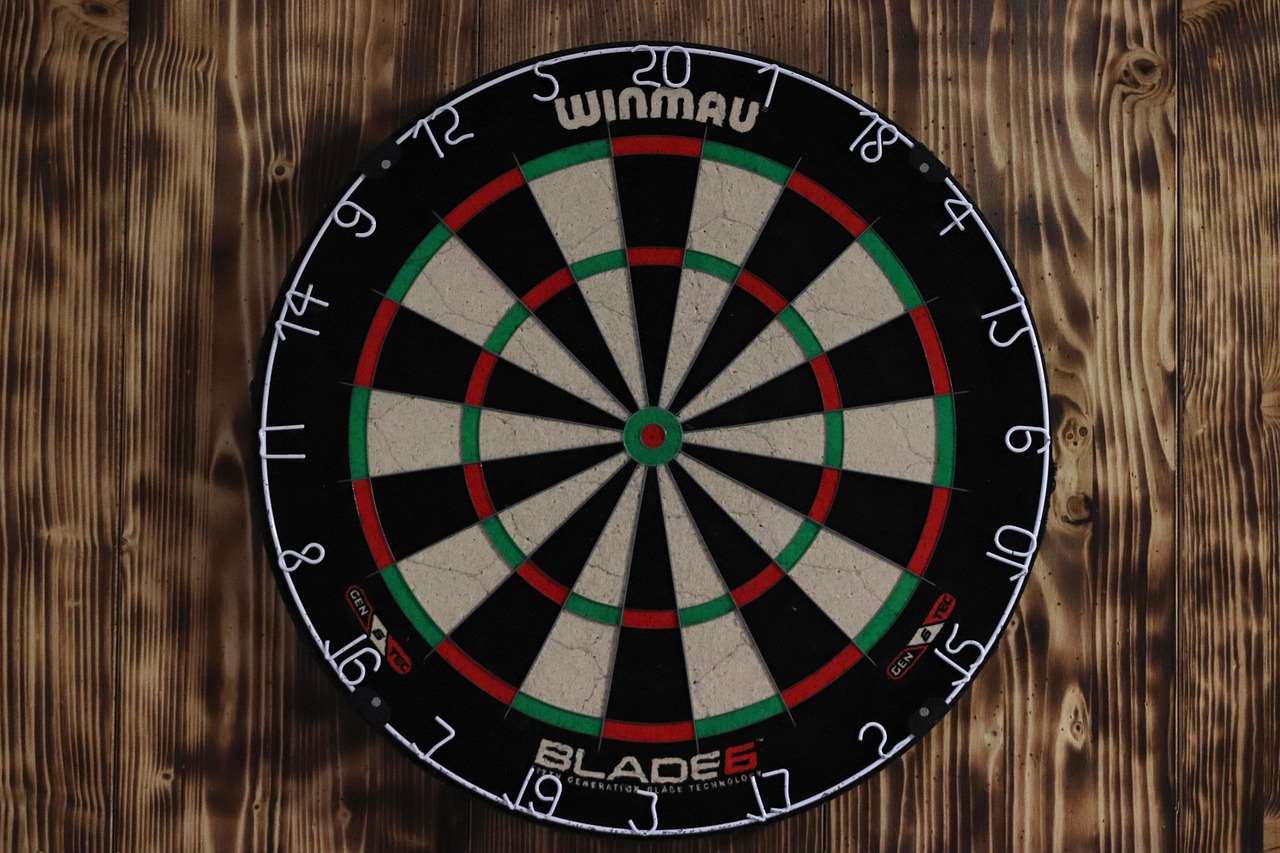
- Rules: Players must hit zones in a specific order (e.g., 20, 1, 18, 4, 13, 6, 10, 15, 2, 17, 3, 19, 7, 16, 8, 11, 14, 9, 12, 5). Missing a zone incurs a penalty.
- Difficulty: The target zones could become smaller and more challenging as the game progresses.
This is just one example, but it illustrates how you can combine different elements to create a unique and engaging darts game. Remember, experimentation is key! Don’t be afraid to try out different ideas and see what works best.
Adapting Darts Games for Different Skill Levels
A crucial aspect of inventing new darts games ideas is ensuring that they are enjoyable for players of all skill levels. Nobody wants to feel consistently outmatched, so finding ways to level the playing field is essential. There are several ways to address the modify dart games skill gap.
- Handicap Systems: Award less skilled players bonus points or allow them to start with a higher score. As previously noted, a handicap system fun dart games can be very effective.
- Variable Target Sizes: Give less skilled players larger target areas to aim for. This could be as simple as allowing them to score points for hitting any section within a larger area, rather than requiring a specific double or triple.
- Simplified Rules: Offer simplified versions of the game for beginners, gradually introducing more complex rules as they improve. Think about beginner vs pro dart game rules.
- Team Play: Pairing experienced players with less experienced players in a team-based game can create a more balanced and enjoyable experience for everyone.
When **inventing new dart games ideas**, consider how easily the game can be scaled in difficulty. Can the rules be adjusted to suit different skill levels without compromising the core gameplay? This adaptability will ensure that your games are inclusive and fun for all participants.
Ensuring Fairness and Fun: Key Considerations
Beyond balancing skill levels, ensuring fairness and fun requires careful consideration of other factors. Here are some crucial aspects to keep in mind when inventing new darts games ideas:
- Clear and Concise Rules: Ambiguity can lead to arguments and frustration. Make sure the rules are clearly defined and easy to understand. Write them down and have everyone agree on them before starting. This is a critical element when you’re Adjusting dart game rules.
- Consistent Gameplay: Avoid rules that are overly complex or rely heavily on luck. Aim for a balance between skill and chance to keep things interesting and engaging.
- Positive Reinforcement: Encourage good sportsmanship and celebrate successes, regardless of skill level. Create a positive and supportive environment where everyone feels comfortable participating.
- Experimentation and Feedback: Don’t be afraid to try out new ideas and solicit feedback from players. Use their input to refine your games and make them even more enjoyable.

Remember, the goal is to create a game that is both challenging and enjoyable. By considering these factors, you can ensure that your new darts game is a hit with everyone.
Documenting and Sharing Your Darts Game Creations
Once you’ve perfected your new darts game, why not share it with the world? Documenting your game’s rules and sharing them online can help spread the fun and inspire others to create their own variations. Here are some tips for documenting and sharing your creations:

- Create a Rule Sheet: Write down all the rules in a clear and concise manner. Include diagrams or illustrations if necessary.
- Film a Gameplay Video: A video can be a great way to explain the rules and demonstrate how the game is played.
- Share on Online Forums and Social Media: Post your game rules and videos on darts forums and social media platforms.
- Consider a Website or Blog: If you’re passionate about darts games, consider creating a website or blog to showcase your creations and connect with other enthusiasts. You could even detail different Darts Variants Fun Games.
By sharing your innovative darts game ideas, you can contribute to the growing community of darts enthusiasts and help others discover new and exciting ways to enjoy the game.
Advanced Tactics for Darts Game Design
As you gain experience in inventing new darts games ideas, you can start exploring more advanced design tactics. Here are a few concepts to consider:
- Strategic Trade-offs: Design rules that force players to make difficult decisions. For example, a rule that allows players to sacrifice points to gain an advantage in a later round.
- Asymmetrical Gameplay: Create games where different players have different roles or objectives. This can add a layer of complexity and strategic depth. Consider how this might work with Darts for mixed ability groups.
- Dynamic Rules: Introduce rules that change over the course of the game based on player actions or random events. This can create a more unpredictable and exciting experience.
These advanced tactics can elevate your games to a new level of sophistication, but it’s important to use them judiciously. Ensure that the rules remain clear and that the game remains enjoyable for all participants. As you refine your skills with Adapting darts games skills, you’ll find it easier to make unique experiences.
Conclusion
Inventing new darts games ideas is a rewarding and creative process. By understanding the core elements of dart games, employing effective brainstorming techniques, adapting to player skill levels, and ensuring fairness and fun, you can create unique and engaging variations that will spice up your next game night. So grab your darts, unleash your creativity, and start experimenting! The possibilities are endless. Don’t forget to document your creations and share them with the world! Now, go out there and invent some new darts games ideas – your friends (and the wider darts community) will thank you for it!

Hi, I’m Dieter, and I created Dartcounter (Dartcounterapp.com). My motivation wasn’t being a darts expert – quite the opposite! When I first started playing, I loved the game but found keeping accurate scores and tracking stats difficult and distracting.
I figured I couldn’t be the only one struggling with this. So, I decided to build a solution: an easy-to-use application that everyone, no matter their experience level, could use to manage scoring effortlessly.
My goal for Dartcounter was simple: let the app handle the numbers – the scoring, the averages, the stats, even checkout suggestions – so players could focus purely on their throw and enjoying the game. It began as a way to solve my own beginner’s problem, and I’m thrilled it has grown into a helpful tool for the wider darts community.