Improving run scoring darts skill comes down to consistent practice, strategic aiming, and a deep understanding of the game’s nuances. This article will delve into practical techniques, mental strategies, and effective practice routines to elevate your scoring ability on the dartboard, ultimately turning you into a more formidable player.
⚠️ Still Using Pen & Paper (or a Chalkboard)?! ⚠️
Step into the future! The Dart Counter App handles all the scoring, suggests checkouts, and tracks your stats automatically. It's easier than you think!
Try the Smart Dart Counter App FREE!Ready for an upgrade? Click above!
The Foundation: Grip, Stance, and Throw for Run Scoring
Before even thinking about specific targets, mastering the fundamentals of your grip, stance, and throw is crucial for consistent run scoring. These are the building blocks upon which all advanced techniques are built. Let’s break them down:
Grip
Experiment with different grips to find what feels most natural and provides the most control. There’s no one “right” grip, but consider these factors:
- Consistency: Can you replicate the grip every time?
- Control: Does it allow you to release the dart cleanly and accurately?
- Comfort: Is it comfortable enough for extended practice sessions?
Common grip styles include the 2-finger grip, 3-finger grip, and pencil grip. Try them all and see what works best for you. A stable grip is essential for accurate throws and, therefore, improving your run scoring darts skill.
Stance
Your stance provides the foundation for your throw. A stable and balanced stance will help you maintain consistency. Consider these points:
- Foot Placement: Typically, one foot is placed slightly forward, pointing towards the board. Experiment with different angles to find what feels most stable and allows you to comfortably lean forward.
- Weight Distribution: Maintain a balanced weight distribution between your feet. Avoid leaning too far forward or backward.
- Body Alignment: Keep your body aligned with the target as much as possible.
Throw
The throwing motion should be smooth, fluid, and repeatable. Avoid jerky movements or unnecessary tension. Focus on these aspects:
- Backswing: Keep the backswing consistent and controlled.
- Release Point: Release the dart at the same point in each throw.
- Follow-Through: Follow through with your arm fully extended towards the target.
Practice these fundamentals diligently. Record yourself throwing and analyze your technique to identify areas for improvement. Consistent form is the key to consistent scoring.
Targeting Strategies: Mastering the Numbers for Maximizing Run Scoring
Knowing where to aim is just as important as how to throw. Developing a strategic approach to targeting specific numbers will significantly boost your run scoring potential. Understanding the layout of the dartboard is essential for developing a solid darts strategy.
Prioritizing Trebles
The treble 20 is the holy grail of dart scoring. Consistently hitting the treble 20 is the fastest way to accumulate points. However, it’s not always the smartest play. Consider these factors:
- Accuracy: Are you confident in your ability to consistently hit the treble 20? If not, aiming for the single 20 or the treble 19 might be a more strategic play.
- Remaining Score: What score do you need to leave yourself for the next turn? Sometimes, aiming for a different number will set you up for a better finish.
Remember, consistent scoring is more important than chasing the treble 20 every time. Smart targeting is key for **improving run scoring darts skill**.
Utilizing the 19s
The treble 19 is a valuable alternative to the treble 20. It’s often easier to hit consistently, and it still provides a significant score boost. The layout of the 19 segment also provides a safety net; missing towards the 7 or 3 generally results in a less damaging score than missing the 20 into the 1 or 5.
Understanding Out-Shots
Knowing which numbers to target to set up finishes is crucial. Familiarize yourself with common out-shot combinations and practice hitting them consistently. Resources like online checkout charts can be incredibly helpful for learning these combinations.

For example, if you have 160 remaining, you might aim for treble 20, treble 20, and bullseye. Or, if you have 81 remaining, you might aim for treble 17 and double 15. Strategic out-shot planning is a vital aspect of improving your run scoring.
Practice Drills for Honing Your Scoring Prowess
Consistent practice is the cornerstone of improving run scoring darts skill. However, simply throwing darts aimlessly won’t yield optimal results. Implement structured practice drills to target specific areas of your game.
Around the Clock
This drill focuses on accuracy and consistency. Start by aiming for the single 1, then move to the single 2, and so on, until you hit all 20 numbers in order. Repeat the drill aiming for doubles and then trebles.
High Score Challenge
Give yourself a set number of darts (e.g., 9 darts) and try to score as many points as possible. This drill helps you focus on maximizing your scoring potential and develop a consistent rhythm.
Out-Shot Practice
Set up specific out-shots (e.g., 40, 60, 81) and practice hitting them repeatedly. This drill will help you become more comfortable and confident with your finishing shots. You can even make a game of it, and you can have some fun with Darts Variants Fun Games.
Targeted Treble Training
Focus specifically on hitting trebles. Choose a single treble (e.g., treble 20) and throw a set number of darts at it. Track your progress and try to improve your accuracy over time. Setting smaller goals and being successful can help you gain a mental edge with the numbers of the game.

Remember to track your progress and analyze your results. Identify your strengths and weaknesses, and adjust your practice drills accordingly. Consistent, targeted practice is the key to unlocking your scoring potential.
Mental Game: Staying Focused Under Pressure
Darts is not just a physical game; it’s also a mental game. The ability to stay focused, calm, and confident under pressure is crucial for improving run scoring darts skill. A strong mental game can be the difference between a good player and a great player. The importance of a good mental game is even more important when you’re playing games.
Visualization
Before each throw, visualize the dart hitting your target. This technique can help you focus your mind and improve your accuracy. See the dart flying through the air and landing exactly where you want it to go.
Positive Self-Talk
Replace negative thoughts with positive affirmations. Instead of thinking “I’m going to miss,” think “I’m going to hit it.” Positive self-talk can boost your confidence and improve your performance.
Dealing with Pressure
Learn to manage your emotions and stay calm under pressure. Take deep breaths, focus on your breathing, and remind yourself that it’s just a game. Don’t let the pressure get to you. You also can check out the English Cricket darts strategy tips to manage pressure better.
Developing a Routine
Establish a consistent pre-throw routine. This routine will help you focus your mind and prepare your body for each throw. A consistent routine can help you block out distractions and stay in the zone.

A strong mental game is just as important as technical skill. Practice your mental game regularly to develop the mental toughness needed to excel in darts.
Equipment Matters: Choosing the Right Darts
While skill is paramount, having the right equipment can significantly impact your performance. Choosing the right darts for your throwing style and grip can contribute to improving run scoring darts skill.
Dart Weight
Experiment with different dart weights to find what feels most comfortable and provides the best control. Heavier darts tend to fly straighter, while lighter darts are easier to control. Most darts players experiment for a long time before finding the weight that suits them best.
Dart Shape and Balance
Consider the shape and balance of the dart. Different shapes and balances will affect the dart’s flight characteristics. Some players prefer a torpedo-shaped dart, while others prefer a straight barrel dart.
Dart Material
Darts are typically made from brass, nickel silver, or tungsten. Tungsten darts are denser and more durable than brass or nickel silver darts. Tungsten allows for a slimmer barrel, which can improve grouping.
Flights and Shafts
Experiment with different flights and shafts to fine-tune the dart’s flight path. Flights affect the dart’s stability, while shafts affect its length and balance. This is where many professional players make slight adjustments for slight improvements in their game.
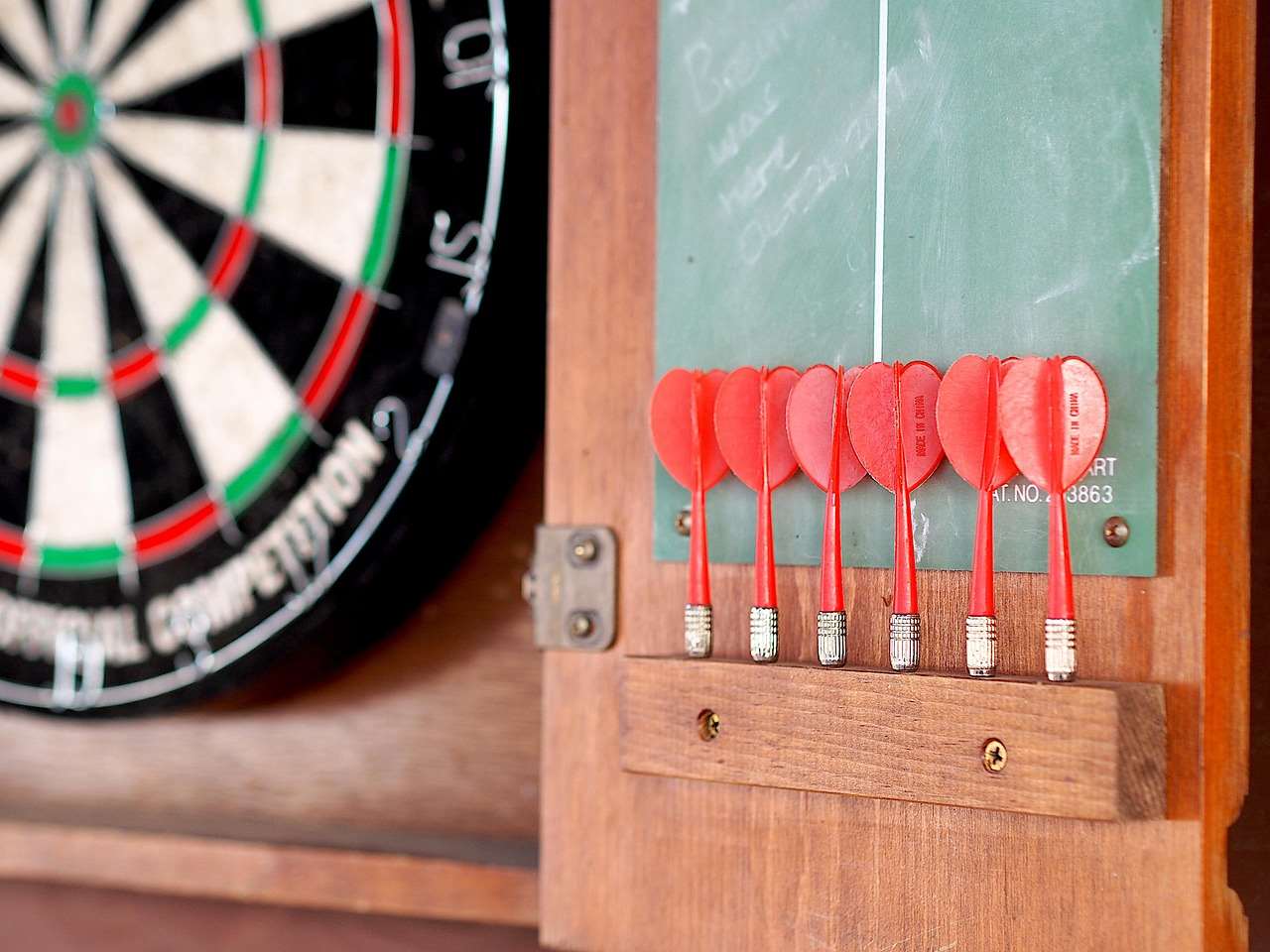
Investing in quality darts that suit your individual needs can enhance your accuracy and consistency, ultimately contributing to improved scoring. The details of this are important when scoring runs.
Analyzing Your Game: Identifying Areas for Improvement
To truly elevate your run scoring ability, it’s essential to analyze your performance, identify your weaknesses, and implement strategies to address them. Self-assessment is a critical component of improving run scoring darts skill.
Tracking Your Stats
Keep track of your scoring averages, out-shot percentages, and other relevant statistics. This data will provide valuable insights into your strengths and weaknesses. There are many apps available that are designed to let you keep track of your stats.
Video Analysis
Record yourself playing and analyze your throwing technique. Look for areas where you can improve your grip, stance, or throw. Video analysis can reveal subtle flaws that you might not be aware of.
Seeking Feedback
Ask a more experienced player to watch you play and provide feedback. A fresh perspective can often identify areas for improvement that you might have overlooked. Most people who are serious about their darts game find a mentor to help them.
Focus on Continuous Improvement
Darts is a game of continuous improvement. Never stop learning and striving to get better. Embrace challenges, learn from your mistakes, and always be open to new techniques and strategies.
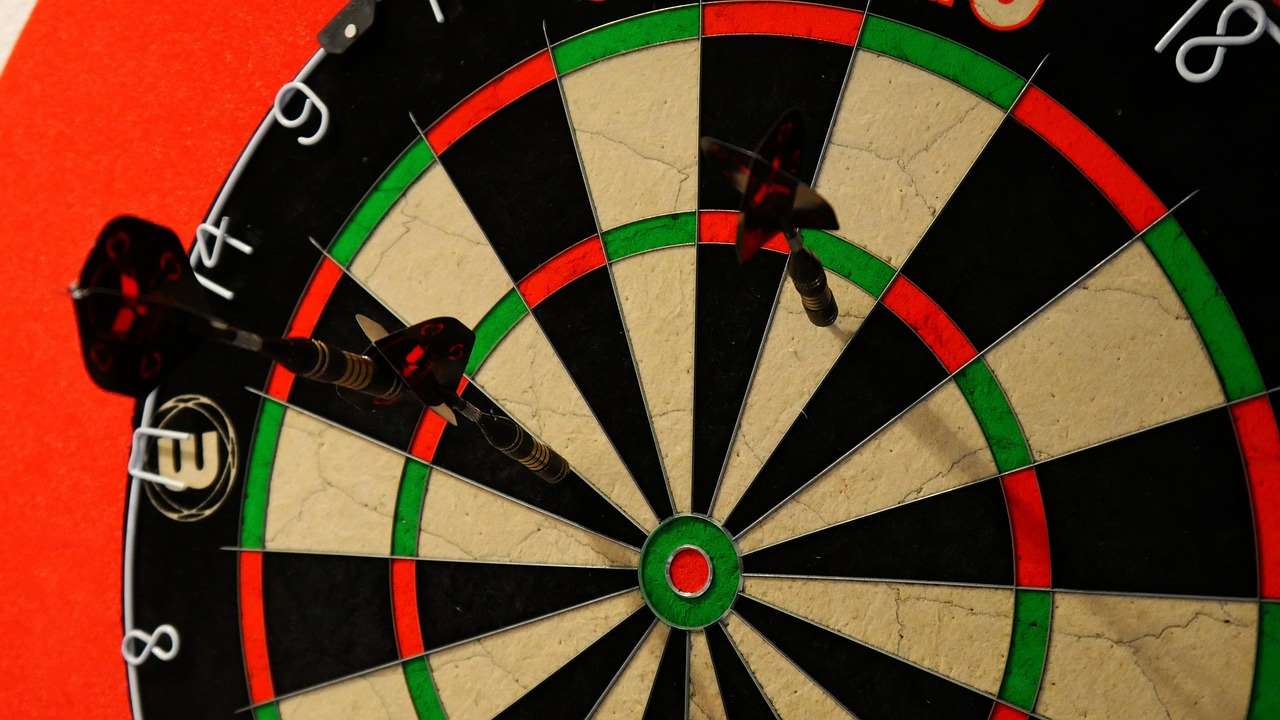
By analyzing your game and actively seeking improvement, you can unlock your full potential and achieve significant gains in your run scoring ability. It also helps you learn more about Target Numbers.
Conclusion
Improving run scoring darts skill is a journey that requires dedication, practice, and a strategic mindset. By mastering the fundamentals, developing effective targeting strategies, implementing structured practice drills, cultivating a strong mental game, choosing the right equipment, and continuously analyzing your performance, you can significantly elevate your scoring ability and become a more formidable darts player. Now, pick up those darts, put these tips into practice, and watch your scores soar! What are you waiting for? Go throw some darts!

Hi, I’m Dieter, and I created Dartcounter (Dartcounterapp.com). My motivation wasn’t being a darts expert – quite the opposite! When I first started playing, I loved the game but found keeping accurate scores and tracking stats difficult and distracting.
I figured I couldn’t be the only one struggling with this. So, I decided to build a solution: an easy-to-use application that everyone, no matter their experience level, could use to manage scoring effortlessly.
My goal for Dartcounter was simple: let the app handle the numbers – the scoring, the averages, the stats, even checkout suggestions – so players could focus purely on their throw and enjoying the game. It began as a way to solve my own beginner’s problem, and I’m thrilled it has grown into a helpful tool for the wider darts community.