Looking to **improve darts skills fun games**? Playing games specifically designed to hone your abilities is the fastest, most enjoyable way to improve. This article covers a variety of dart games and practice drills to boost your accuracy, consistency, and overall darting prowess.
⚠️ Still Using Pen & Paper (or a Chalkboard)?! ⚠️
Step into the future! The Dart Counter App handles all the scoring, suggests checkouts, and tracks your stats automatically. It's easier than you think!
Try the Smart Dart Counter App FREE!Ready for an upgrade? Click above!
Fun Darts Games to Improve Your Skills
Darts doesn’t have to be a serious competition all the time. Injecting some fun games into your practice routine can make a world of difference, keeping you motivated and engaged while simultaneously improving your skills. Playing regularly ensures you don’t suffer from dartitis or a dart slump. Let’s explore some engaging options designed to **improve darts skills fun games** style.
Around the Clock
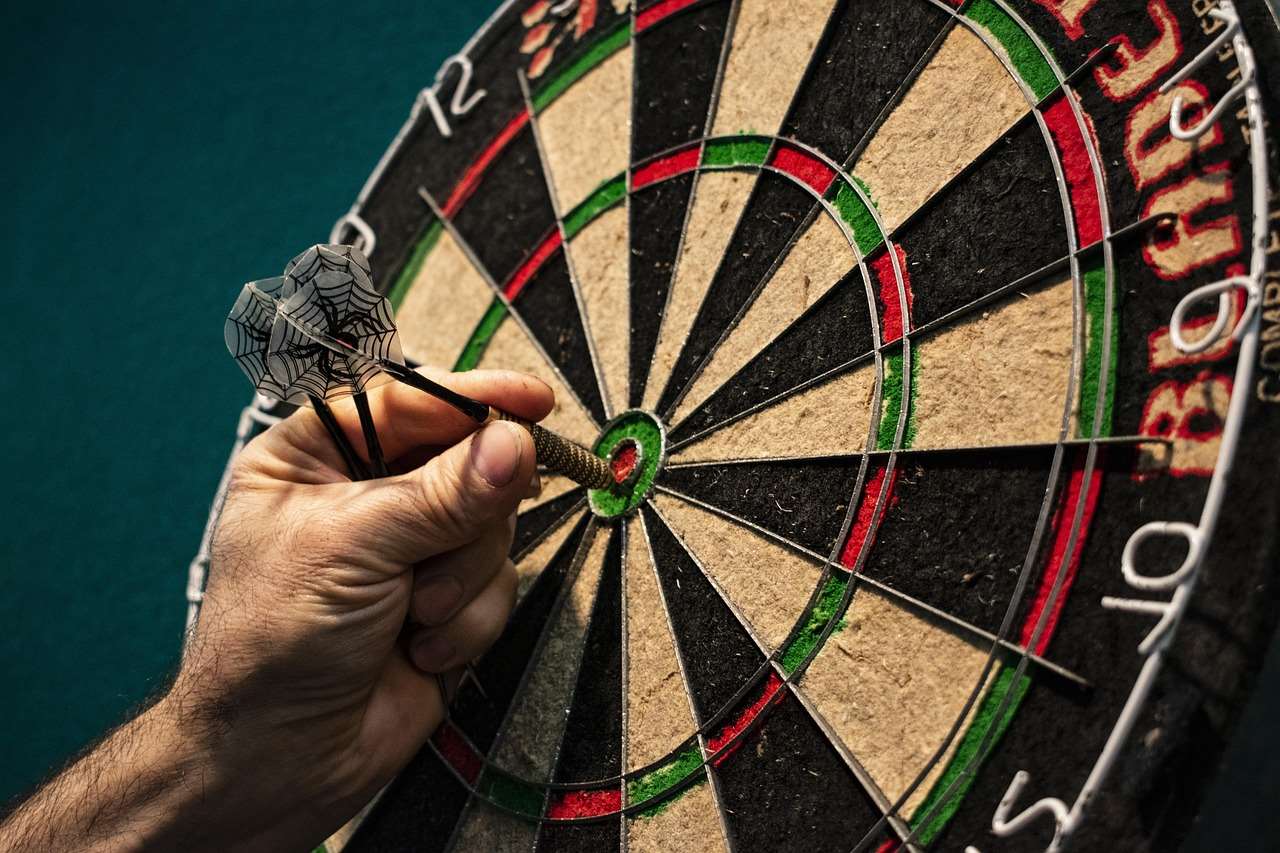
This classic game is fantastic for honing your accuracy on specific numbers. The aim is simple: hit each number on the dartboard in sequence, starting with 1 and ending with 20. You can make it harder by requiring a double or treble to count. This game is great for building **accuracy** and **focus**.
- How to Play: Start at 1. Hit the number to progress to the next. A miss means your turn ends. The first to reach 20 wins.
- Skill Focus: Number accuracy, target acquisition, mental focus.
Cricket
Cricket is a strategic game that requires both accuracy and tactical thinking. Players must “close out” numbers by hitting them three times each. The numbers used are typically 20, 19, 18, 17, 16, 15, and the bullseye. Cricket requires an understanding of scoring and strategy, especially when playing against an opponent who is ahead.
- How to Play: Close out numbers by hitting them three times. Score points on those numbers until your opponent closes them out as well. The first to close out all numbers and have a higher score wins.
- Skill Focus: Strategic targeting, scoring under pressure, number accuracy.
Killer
Killer is a great game for groups and adds an element of suspense. Each player gets assigned a number on the dartboard (usually by throwing a dart with their non-dominant hand). To become a “killer,” they must hit their assigned number twice. Once they are a killer, they can eliminate other players by hitting their numbers twice. This game encourages players to perform under pressure while also refining their ability to hit specific numbers. This is yet another great option to **improve darts skills fun games** are intended for.
- How to Play: Each player gets a number. Hit your number twice to become a “killer.” As a killer, hit another player’s number twice to eliminate them. Last player standing wins.
- Skill Focus: Accuracy under pressure, strategic targeting, mental toughness.
Targeted Practice Drills for Darting Excellence
While games add a fun element to your training, targeted practice drills are essential for focusing on specific areas of your game. These drills allow you to isolate and improve individual aspects of your technique and accuracy, contributing significantly to your overall darting ability. Practicing regularly will help improve your mental game, too.

The 20s Drill
This drill focuses on your ability to consistently hit the treble 20, the highest-scoring area on the dartboard. The goal is to hit as many treble 20s as possible in a set number of darts. This drill is excellent for developing consistency and muscle memory. Try to keep track of your scores to note your improvement.
- How to Do It: Throw 20 darts, aiming for the treble 20 each time. Track how many you hit. Repeat regularly and aim to improve your score each time.
- Skill Focus: Treble 20 accuracy, consistency, release point.
The Doubles Challenge
Doubles are crucial for finishing legs in darts. This drill involves throwing at each double on the dartboard in sequence (1-20). The aim is to hit each double in as few darts as possible. This drill is particularly effective for improving your finishing ability and building confidence when facing a checkout.
- How to Do It: Start with double 1 and throw darts until you hit it. Then move to double 2, and so on, up to double 20. Track how many darts it takes you to hit each double.
- Skill Focus: Double accuracy, finishing under pressure, target transitioning.
The Shanghai Drill
This drill involves throwing at the single, double, and treble of a specific number in one visit. For example, you would throw at the single 20, then the double 20, then the treble 20. This drill improves your accuracy across different areas of the same number and helps you develop a more versatile throwing technique. Some players prefer to play this drill as a game against another player.
- How to Do It: Choose a number (e.g., 20). Throw one dart at the single, one at the double, and one at the treble. Repeat with different numbers.
- Skill Focus: Accuracy across different segments, adaptability, target precision.
Advanced Techniques and Strategies
Once you’ve mastered the basics, consider incorporating advanced techniques and strategies to further elevate your game. These techniques focus on the mental and tactical aspects of darts, helping you perform at your best under pressure and make smart decisions during matches. As your game improves, you might want to explore the Darts Variants Fun Games that are available.
Mental Toughness Training
Darts is as much a mental game as it is a physical one. Developing mental toughness is essential for maintaining focus, managing pressure, and bouncing back from setbacks. Techniques like visualization, positive self-talk, and deep breathing can help you stay calm and confident during matches. Remember, even the best players have bad throws; it’s how you respond that matters.
- Techniques:
- Visualization: Imagine yourself throwing perfect darts and achieving your goals.
- Positive Self-Talk: Replace negative thoughts with positive affirmations.
- Deep Breathing: Use deep breaths to calm your nerves and refocus your mind.
- Benefits: Improved focus, reduced anxiety, increased confidence.
Strategic Checkout Planning
Knowing how to plan your checkouts is crucial for winning legs. This involves understanding the optimal combinations of numbers to leave yourself with a double to finish. Practice calculating different checkout routes and visualizing the throws required to achieve them. Many apps and websites can help you learn and practice checkout combinations.
- Key Considerations:
- Optimal Combinations: Learn the most efficient routes to leave yourself on a double.
- Opponent’s Position: Consider your opponent’s score and adjust your checkout plan accordingly.
- Risk Assessment: Weigh the risks and rewards of different checkout options.
- Resources: Checkout charts, dart scoring apps, online checkout calculators.
Equipment Optimization
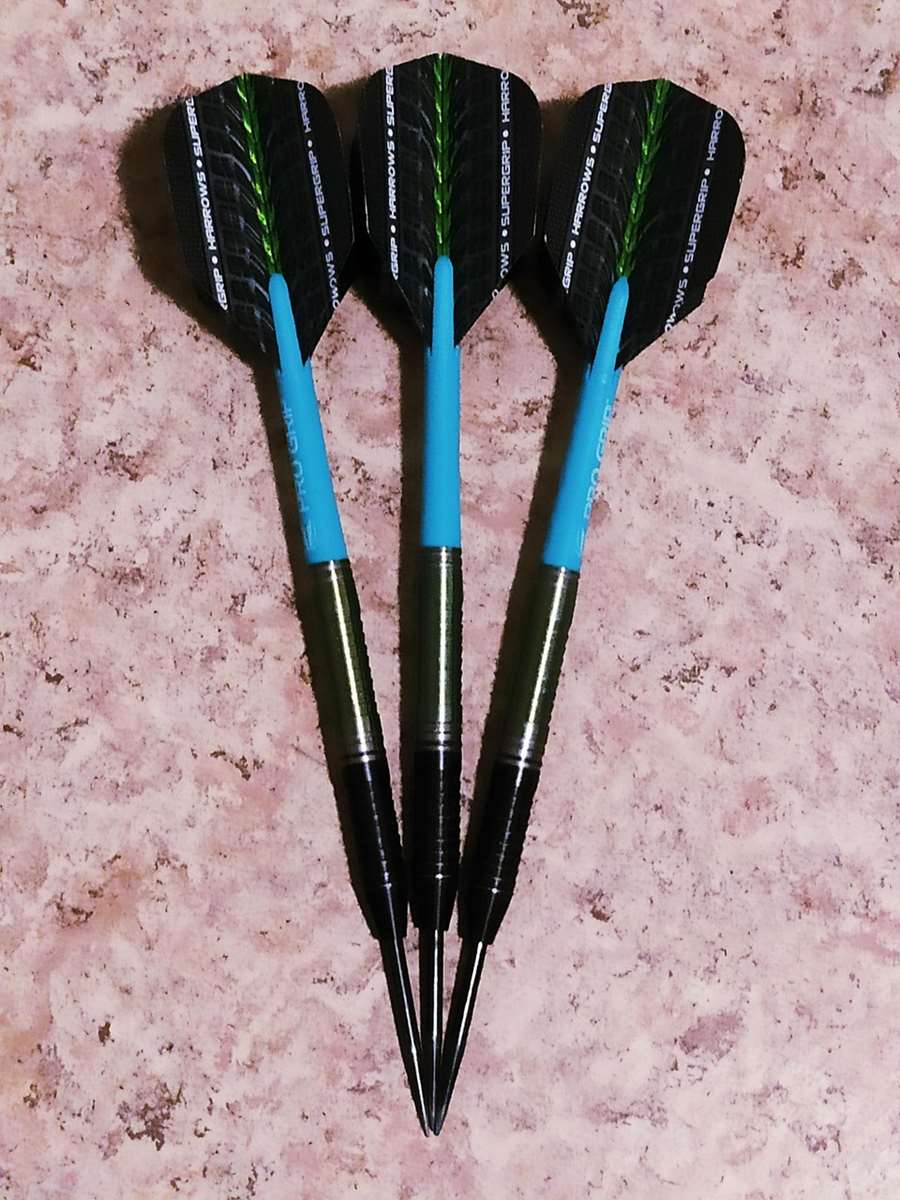
Your darts equipment can significantly impact your performance. Experiment with different dart weights, shaft lengths, and flight shapes to find the combination that best suits your throwing style. Pay attention to grip and stance to ensure consistency and comfort. Having the right equipment can help to **improve darts skills fun games**, as well as make training more comfortable.
- Factors to Consider:
- Dart Weight: Experiment with different weights to find what feels most comfortable and controllable.
- Shaft Length: Adjust shaft length to fine-tune your dart’s trajectory.
- Flight Shape: Try different flight shapes to affect the dart’s stability and speed.
- Benefits: Improved accuracy, increased consistency, reduced hand fatigue.
Making Practice Fun and Engaging
The key to long-term improvement in darts is consistent practice. However, practice can become monotonous if you don’t find ways to keep it fun and engaging. Here are some tips for injecting enjoyment into your practice routine. The more enjoyable the practice, the more you will want to **improve darts skills fun games**.
Set Realistic Goals
Setting realistic goals is crucial for maintaining motivation. Start with small, achievable targets and gradually increase the difficulty as you improve. Celebrate your successes along the way to stay encouraged. Avoid comparing yourself to others and focus on your own progress. You can even set goals for learning old dart games rules and mastering those.
- Example Goals:
- Increase your average score by 5 points per week.
- Hit a certain number of treble 20s in a row.
- Improve your checkout percentage by 10%.
- Benefits: Increased motivation, improved focus, greater sense of accomplishment.
Vary Your Practice Routine
Avoid boredom by varying your practice routine. Mix up your games and drills, experiment with different throwing techniques, and try practicing at different times of day. Changing things up will keep you mentally stimulated and prevent you from getting stuck in a rut. Explore obscure dartboard games list for new challenges.
- Ideas for Variation:
- Alternate between games, drills, and free practice.
- Try throwing with your non-dominant hand.
- Practice in different environments (e.g., at home, at a pub).
- Benefits: Reduced boredom, improved adaptability, enhanced creativity.
Track Your Progress
Tracking your progress is a great way to stay motivated and see how far you’ve come. Keep a record of your scores, checkout percentages, and other relevant statistics. Review your progress regularly to identify areas where you’re improving and areas where you need to focus more attention. This also helps highlight the best ways to **improve darts skills fun games**.
- Tracking Methods:
- Use a dart scoring app to track your scores and statistics.
- Keep a written journal of your practice sessions and matches.
- Create a spreadsheet to visualize your progress over time.
- Benefits: Increased motivation, improved self-awareness, data-driven insights.
The Importance of Regular Practice
Ultimately, consistent practice is the most crucial factor in improving your darts skills. Even short, focused practice sessions can be more effective than long, infrequent ones. Aim to practice regularly, even if it’s just for 15-20 minutes a day. The more you practice, the more ingrained your technique will become and the more consistently you’ll perform.
Building Muscle Memory
Regular practice helps to build muscle memory, which is essential for consistent throwing. Muscle memory allows you to perform the same throwing motion repeatedly without consciously thinking about it. The more you practice, the stronger your muscle memory becomes and the more automatic your throwing will feel.
- Key Principles:
- Repetition: Perform the same throwing motion repeatedly.
- Consistency: Maintain the same grip, stance, and release point.
- Mindful Practice: Focus on the feel of your throwing motion and make small adjustments as needed.
- Benefits: Increased consistency, reduced mental effort, improved accuracy under pressure.
Developing Consistency
Consistency is key to success in darts. Regular practice helps you to develop a consistent throwing motion, which will lead to more predictable results. The more consistent you are, the more likely you are to hit your target and score points. If you want to **improve darts skills fun games** can help, but not without consistent practice.
- Factors Affecting Consistency:
- Grip: Maintain a consistent grip on the dart.
- Stance: Keep your feet in the same position each time you throw.
- Release Point: Release the dart at the same point in your throwing motion.
- Benefits: Improved accuracy, reduced variation, increased confidence.
Improving Your Mental Game
Regular practice not only improves your physical skills but also strengthens your mental game. The more you practice, the more confident you’ll become in your abilities and the better you’ll be able to handle pressure. Practicing regularly also helps you to develop mental toughness, which is essential for bouncing back from setbacks and maintaining focus during matches.
- Mental Benefits of Practice:
- Increased confidence
- Improved focus
- Enhanced mental toughness
Conclusion
Improving your darts skills doesn’t have to be a grind. By incorporating **fun games** and targeted practice drills into your routine, you can make the process more enjoyable and effective. Remember to focus on building consistency, developing mental toughness, and optimizing your equipment. Set realistic goals, vary your practice routine, and track your progress to stay motivated. Now, grab your darts, try out these tips, and watch your game soar! Consider researching historical dart game variations to broaden your knowledge and add further variety to your training.

Hi, I’m Dieter, and I created Dartcounter (Dartcounterapp.com). My motivation wasn’t being a darts expert – quite the opposite! When I first started playing, I loved the game but found keeping accurate scores and tracking stats difficult and distracting.
I figured I couldn’t be the only one struggling with this. So, I decided to build a solution: an easy-to-use application that everyone, no matter their experience level, could use to manage scoring effortlessly.
My goal for Dartcounter was simple: let the app handle the numbers – the scoring, the averages, the stats, even checkout suggestions – so players could focus purely on their throw and enjoying the game. It began as a way to solve my own beginner’s problem, and I’m thrilled it has grown into a helpful tool for the wider darts community.