Understanding the **impact of wiring on bounce outs** is crucial for any serious darts player; improper wiring significantly increases the likelihood of darts bouncing harmlessly away from the board. This article delves into the various wiring types, materials, and designs that influence bounce-out rates, and provides practical solutions to minimize them, helping you improve your game and reduce frustration.
⚠️ Still Using Pen & Paper (or a Chalkboard)?! ⚠️
Step into the future! The Dart Counter App handles all the scoring, suggests checkouts, and tracks your stats automatically. It's easier than you think!
Try the Smart Dart Counter App FREE!Ready for an upgrade? Click above!
Understanding the Impact Of Wiring On Bounce Outs
The wiring of a dartboard plays a more significant role in your darts performance than many realize. It’s the first point of contact for your dart, and its design, material, and overall condition directly influence the frequency of bounce-outs. A poorly designed or maintained wiring system can lead to frustratingly high bounce-out rates, regardless of your skill level. Optimizing your wiring setup can significantly reduce these occurrences, allowing you to focus on improving your accuracy and strategy.
Dartboard wiring comes in various configurations, each with its own set of advantages and disadvantages. Understanding these differences is key to choosing the right board for your playing style and budget.
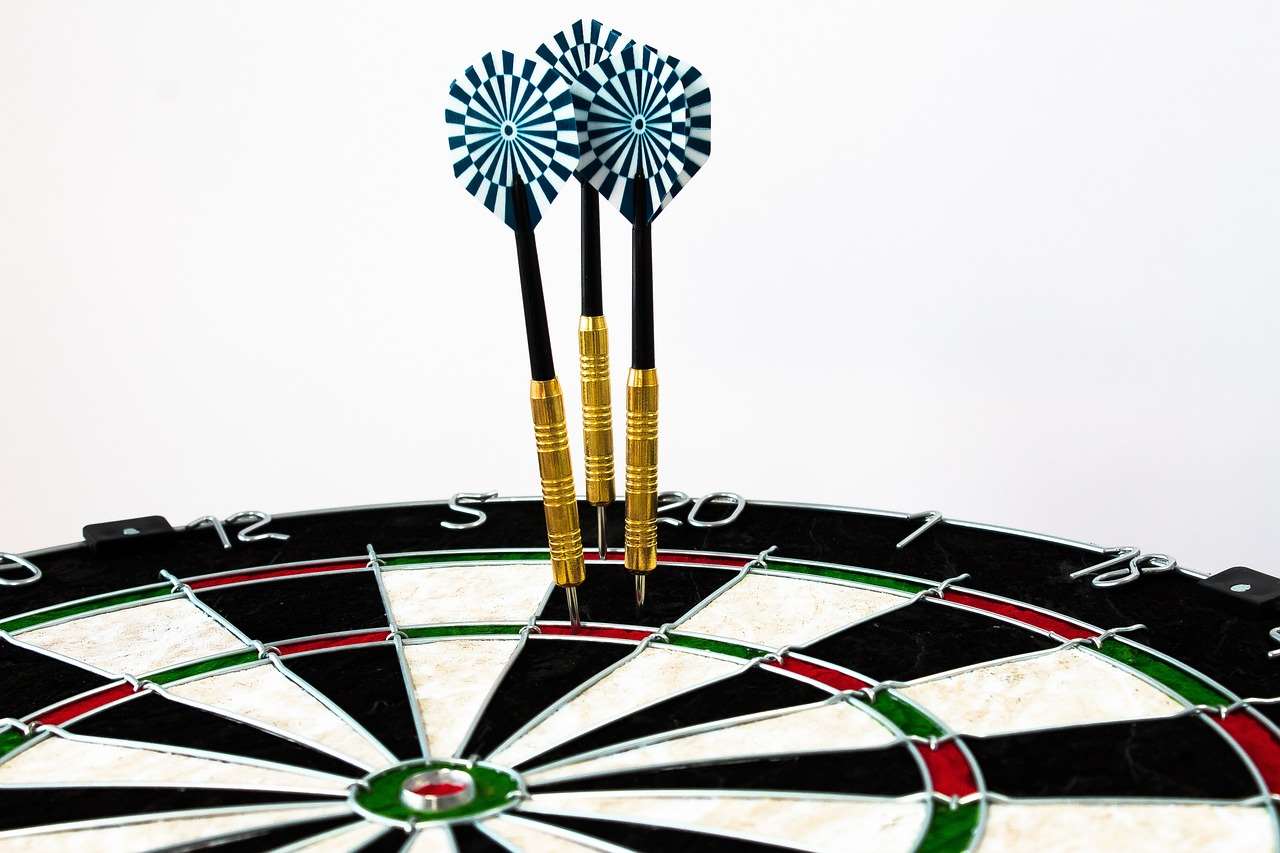
Common Dartboard Wiring Types
- Round Wire: This is the most traditional type of wiring. It’s generally made of steel and is embedded into the sisal fibers of the dartboard. While durable, its round profile presents a larger surface area for darts to hit, increasing the chance of a bounce-out.
- Bladed Wire: Bladed wire, also known as knife-edge wiring, features a thinner, sharper profile. This design allows darts to slide past the wire and into the scoring area more easily, significantly reducing bounce-outs. Boards with bladed wire are often more expensive but provide a superior playing experience.
- Embedded Wire: Embedded wiring is set deeper into the dartboard than traditional wiring. This helps to protect the wire from damage and can also slightly reduce bounce-outs. However, the difference may not be as noticeable as with bladed wire.
Factors Influencing Bounce Outs Related to Wiring
Beyond the type of wiring used, several other factors contribute to the frequency of bounce-outs. These include the material of the wire, the way it’s secured to the board, and the overall condition of the wiring.
Wiring Material and Its Impact
The material used for the wiring significantly affects its durability and ability to prevent bounce-outs. Here are some common materials:
- Steel: Steel is a common and affordable option. It’s relatively durable but can be prone to bending or rusting over time.
- High Tensile Steel: This is a stronger and more durable form of steel, offering better resistance to bending and damage.
- Stainless Steel: Stainless steel is highly resistant to rust and corrosion, making it a great option for long-term durability. It’s often found on higher-end dartboards.
- Titanium: While less common and more expensive, titanium wiring offers exceptional strength and durability. It’s highly resistant to bending and corrosion, making it the premium choice.
The Role of Wire Fastening
The way the wire is attached to the dartboard also plays a crucial role. Poorly secured wiring can loosen over time, leading to increased movement and more bounce-outs. Some dartboards feature advanced fastening systems that provide a more secure and stable connection.
Regularly checking and maintaining your wiring is essential. Look for any loose or bent wires and address them promptly to prevent further issues. This could involve gently bending the wire back into place or, in more severe cases, replacing the entire wiring system.
Practical Tips to Minimize Bounce Outs
Even with the best dartboard and wiring, bounce-outs can still occur. Here are some practical tips to help minimize them:
- Choose the Right Dartboard: Invest in a high-quality dartboard with bladed or embedded wiring. Research different brands and models to find one that suits your budget and playing style. Consider the overall construction and durability of the board.
- Maintain Your Dartboard: Rotate your dartboard regularly to distribute wear and tear evenly. This will help prevent certain sections of the board from becoming overly compressed, which can increase bounce-outs.
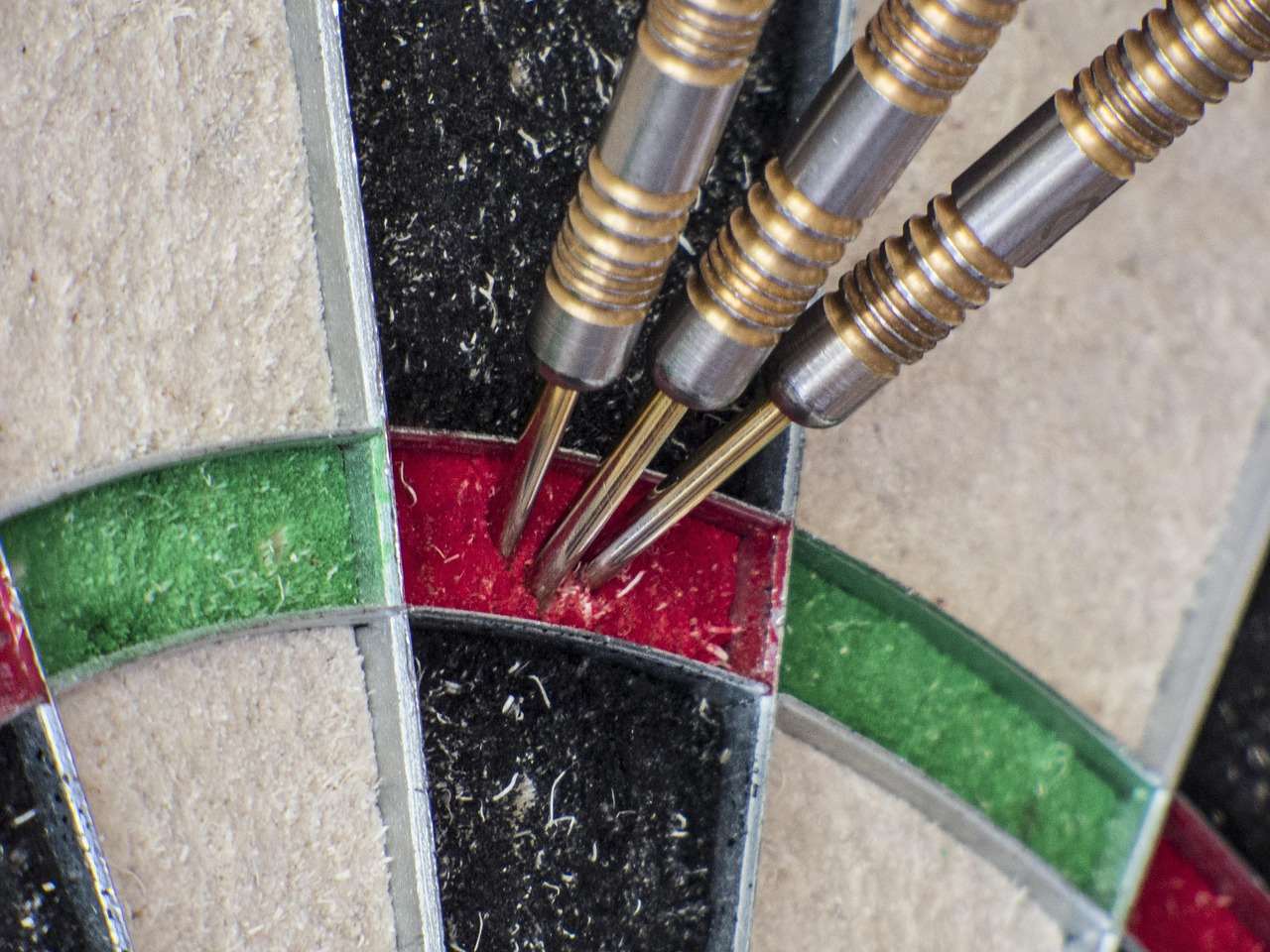
- Sharpen Your Darts: Dull dart points are a major cause of bounce-outs. Keep your dart points sharp using a dart sharpener. Sharp points penetrate the sisal fibers more easily, reducing the chance of a bounce-out.
- Improve Your Throwing Technique: A consistent and accurate throw is essential for minimizing bounce-outs. Practice your technique regularly and focus on hitting your target with precision. Ensure your follow-through is smooth and controlled.
- Check Your Wiring Regularly: Inspect your wiring for any signs of damage or looseness. Gently bend any bent wires back into place and tighten any loose screws or fasteners. Consider using a specialized dartboard repair kit for more extensive repairs.
Choosing the Right Dartboard for Reduced Bounce Outs
Selecting the right dartboard is the first step in minimizing bounce-outs. Here are some key features to look for:
- Bladed Wiring: As mentioned earlier, bladed wiring offers a significant advantage in reducing bounce-outs. Look for dartboards that specifically advertise bladed or knife-edge wiring.
- Embedded Wiring: Embedded wiring can also help to minimize bounce-outs by providing a smoother surface for the darts to enter the board.
- High-Quality Sisal: The quality of the sisal fibers also plays a role. Denser, more tightly packed sisal fibers provide a better gripping surface for the darts, reducing the chance of a bounce-out.
- Construction and Durability: Choose a dartboard that is well-constructed and built to last. Look for dartboards with sturdy backboards and secure wiring systems.
If you’re seeking the Optimal Dartboard Lighting Solutions Guide, remember that visibility also plays a key part in precision and bounce-out reduction.
Understanding Dartboard Zones and Bounce-Out Hotspots
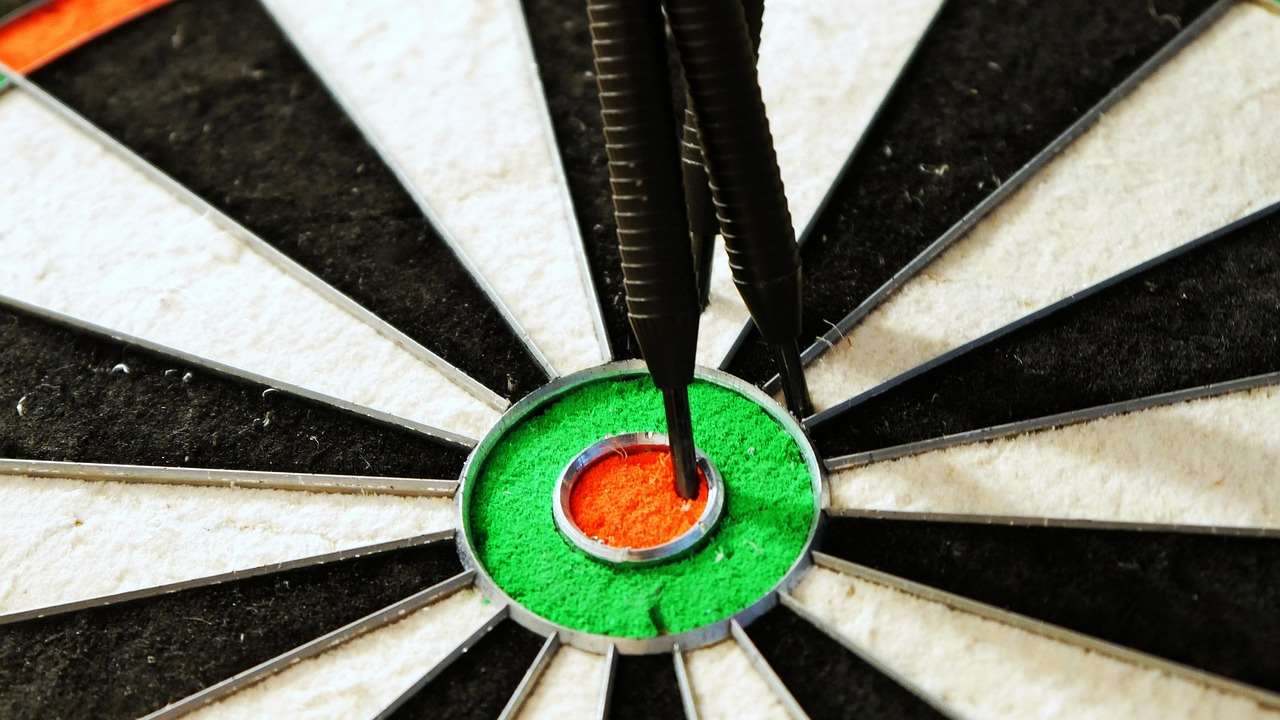
Certain areas of the dartboard are more prone to bounce-outs than others. This is often due to the density of the sisal fibers and the proximity of the wiring. Common bounce-out hotspots include the bullseye and the triple segments.
Being aware of these hotspots can help you adjust your throwing strategy. For example, if you’re consistently experiencing bounce-outs in the bullseye, you might consider aiming slightly to the side to avoid hitting the wire directly.
Dart Maintenance and Its Effect on Bounce-Out Rate
While the dartboard’s wiring is crucial, the condition of your darts significantly influences bounce-out frequency. Regular maintenance of your darts keeps them performing optimally.
- Sharpening Dart Points: Dull points require more force to penetrate the dartboard, leading to bounce-outs. Use a dart sharpener regularly to maintain sharp, penetrating points. There are various types of dart sharpeners available, from simple handheld models to more sophisticated electric sharpeners.
- Checking Dart Shafts: Damaged or loose dart shafts can affect your throw’s accuracy and increase the likelihood of bounce-outs. Inspect your shafts regularly and replace them if necessary. Consider using different types of shafts to find the best fit for your throwing style.
- Replacing Dart Flights: Worn or damaged dart flights can also affect your throw’s trajectory and increase bounce-outs. Replace your flights regularly to ensure optimal performance. Experiment with different flight shapes and sizes to find what works best for you.
Advanced Strategies for Reducing Bounce Outs
Beyond basic maintenance and equipment selection, there are some advanced strategies you can employ to further reduce bounce-outs.
- Using Dartboard Surrounds: A dartboard surround can protect your walls from stray darts and also provide a slightly softer landing surface for darts that bounce out, potentially reducing damage to the darts themselves.
- Adjusting Your Stance and Grip: Experiment with different stances and grips to find the most comfortable and accurate throwing position for you. A more stable and controlled throw can reduce the chance of bounce-outs.
- Analyzing Your Throw: Record yourself throwing darts and analyze your technique. Look for any inconsistencies or flaws that might be contributing to bounce-outs. Consider working with a darts coach to get personalized feedback and guidance.
Knowing Choose Best Dart Equipment will significantly impact your overall game and success.
Impact Of Wiring On Bounce Outs: Common Misconceptions
There are several common misconceptions regarding the impact of wiring on bounce outs. Let’s debunk a few:
- Misconception: All dartboards are created equal. Reality: The quality of the dartboard, especially the wiring, varies significantly between brands and models. Investing in a higher-quality board is worth it for serious players.
- Misconception: Bounce-outs are always the player’s fault. Reality: While throwing technique is important, a poorly designed or maintained dartboard can contribute significantly to bounce-out rates.
- Misconception: Sharpening your darts is unnecessary. Reality: Dull dart points are a major cause of bounce-outs. Regular sharpening is essential for minimizing these occurrences.
Bounce-Out Troubleshooting: A Step-by-Step Guide
If you’re experiencing a high number of bounce-outs, follow these steps to troubleshoot the issue:
- Inspect Your Darts: Check your dart points for sharpness and your shafts and flights for damage. Replace any worn or damaged components.
- Examine Your Dartboard: Look for any loose or bent wires. Gently bend any bent wires back into place and tighten any loose screws or fasteners.
- Assess Your Throwing Technique: Analyze your throw for any inconsistencies or flaws. Practice your technique regularly and focus on hitting your target with precision.
- Consider Your Environment: Ensure your dartboard is properly lit and that there are no obstructions that might be interfering with your throw.
The Future of Dartboard Wiring Technology
Dartboard technology is constantly evolving, and advancements in wiring design are likely to continue to improve the playing experience. Look for innovations such as:
- Self-Healing Wiring: Wiring made from materials that can repair minor bends or damage.
- Smart Dartboards: Dartboards with sensors that can track dart placement and provide feedback on your throw.
- Customizable Wiring: Dartboards that allow you to adjust the wiring configuration to suit your playing style.
Conclusion: Minimizing Bounce Outs for Maximum Enjoyment
The **impact of wiring on bounce outs** is undeniable, and understanding its nuances is vital for any darts enthusiast. By choosing the right dartboard, maintaining your equipment properly, and refining your throwing technique, you can significantly reduce bounce-outs and enjoy a more rewarding and less frustrating darts experience. Don’t let bounce-outs hinder your progress; take the time to optimize your setup and unlock your full potential. Consider exploring different LED Dartboard Lights Benefits to enhance your visibility and precision, ultimately minimizing bounce-outs.
Ready to take your darts game to the next level? Invest in a high-quality dartboard with bladed wiring today!

Hi, I’m Dieter, and I created Dartcounter (Dartcounterapp.com). My motivation wasn’t being a darts expert – quite the opposite! When I first started playing, I loved the game but found keeping accurate scores and tracking stats difficult and distracting.
I figured I couldn’t be the only one struggling with this. So, I decided to build a solution: an easy-to-use application that everyone, no matter their experience level, could use to manage scoring effortlessly.
My goal for Dartcounter was simple: let the app handle the numbers – the scoring, the averages, the stats, even checkout suggestions – so players could focus purely on their throw and enjoying the game. It began as a way to solve my own beginner’s problem, and I’m thrilled it has grown into a helpful tool for the wider darts community.