The impact of material on dart weight is direct: denser materials allow for slimmer barrels at the same weight, affecting aerodynamics and grip. This article explores how various materials influence dart weight, balance, and overall performance, helping you choose the best darts for your playing style.
⚠️ Still Using Pen & Paper (or a Chalkboard)?! ⚠️
Step into the future! The Dart Counter App handles all the scoring, suggests checkouts, and tracks your stats automatically. It's easier than you think!
Try the Smart Dart Counter App FREE!Ready for an upgrade? Click above!
Understanding How Material Choices Affect Dart Weight
The weight of a dart is a fundamental factor in its flight characteristics. While the overall weight is regulated in professional play, the distribution of that weight, heavily influenced by the material, can dramatically alter a dart’s trajectory and feel. The primary materials used in dart manufacturing are tungsten, brass, and occasionally nickel-silver. Each possesses distinct properties that directly influence the dart’s weight and, consequently, its performance.
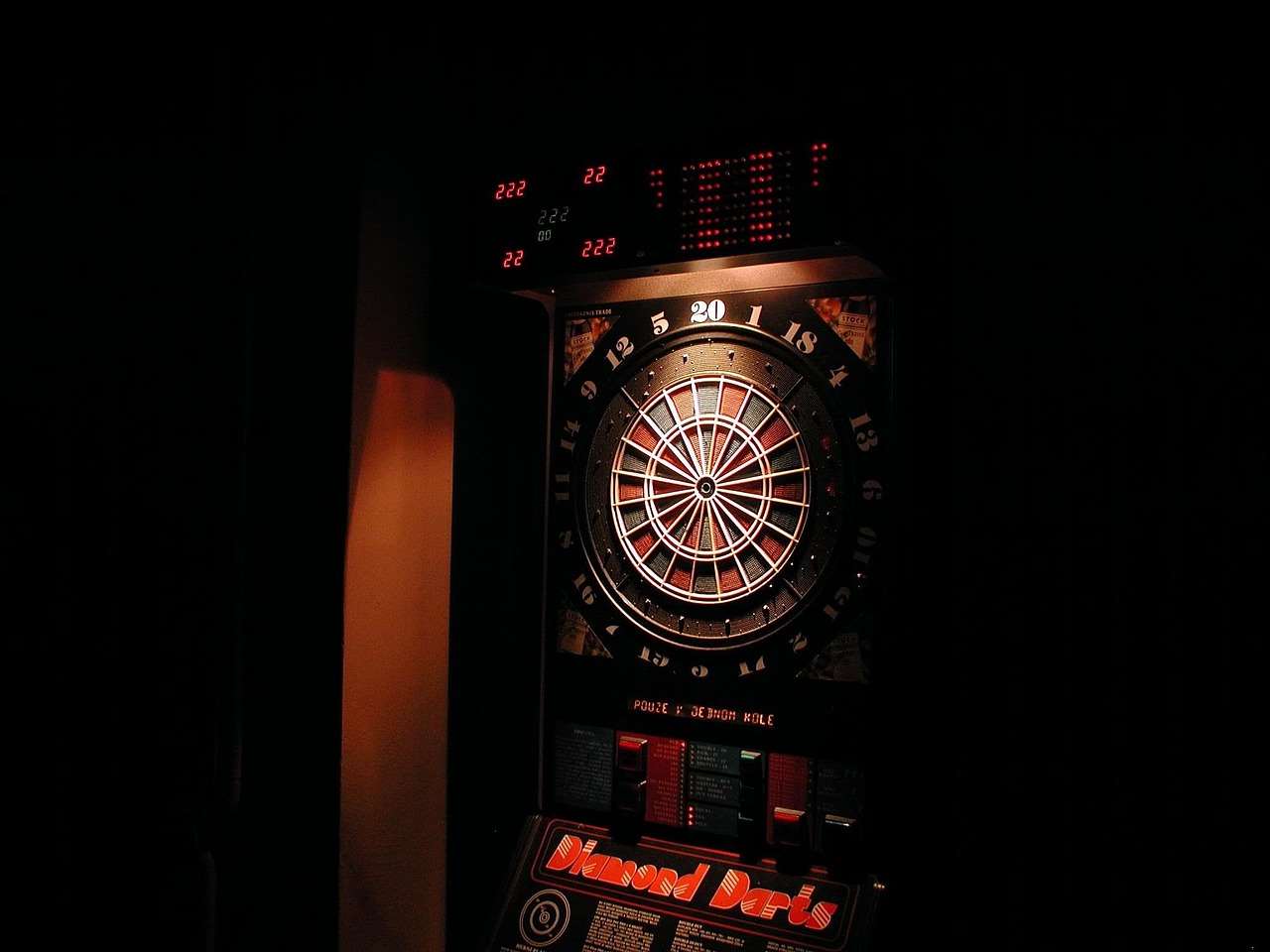
Consider two darts, both weighing 24 grams. One is made of brass, and the other is tungsten. The brass dart will be significantly larger and bulkier than the tungsten dart. This is because tungsten is much denser than brass. This difference in size directly affects aerodynamics; the slimmer tungsten dart will generally fly straighter and penetrate the dartboard with greater ease. Understanding these core differences is essential for selecting the right darts for you. To further understand the complexities in choosing your equipment, consider reading about how to Choose Best Dart Equipment.
The Density Factor: A Deep Dive
Density is the key property that dictates how much material is needed to achieve a specific weight. Tungsten is significantly denser than both brass and nickel-silver. This allows manufacturers to create darts with slimmer profiles while maintaining regulation weight. Slimmer darts offer several advantages, including tighter groupings and reduced “bounce-outs” as multiple darts can fit more easily within a small area of the dartboard. Brass, being less dense, results in thicker, bulkier darts that may not fly as smoothly or consistently.
Tungsten Darts: The Gold Standard
Tungsten darts are widely considered the gold standard in the darting world. Their high density allows for a slimmer barrel, which provides numerous benefits. Players often find that tungsten darts offer superior control and accuracy due to their compact size and efficient aerodynamics. While generally more expensive than brass or nickel-silver darts, the performance benefits often justify the investment for serious players. The impact of material on dart weight is most evident when comparing tungsten to other materials.
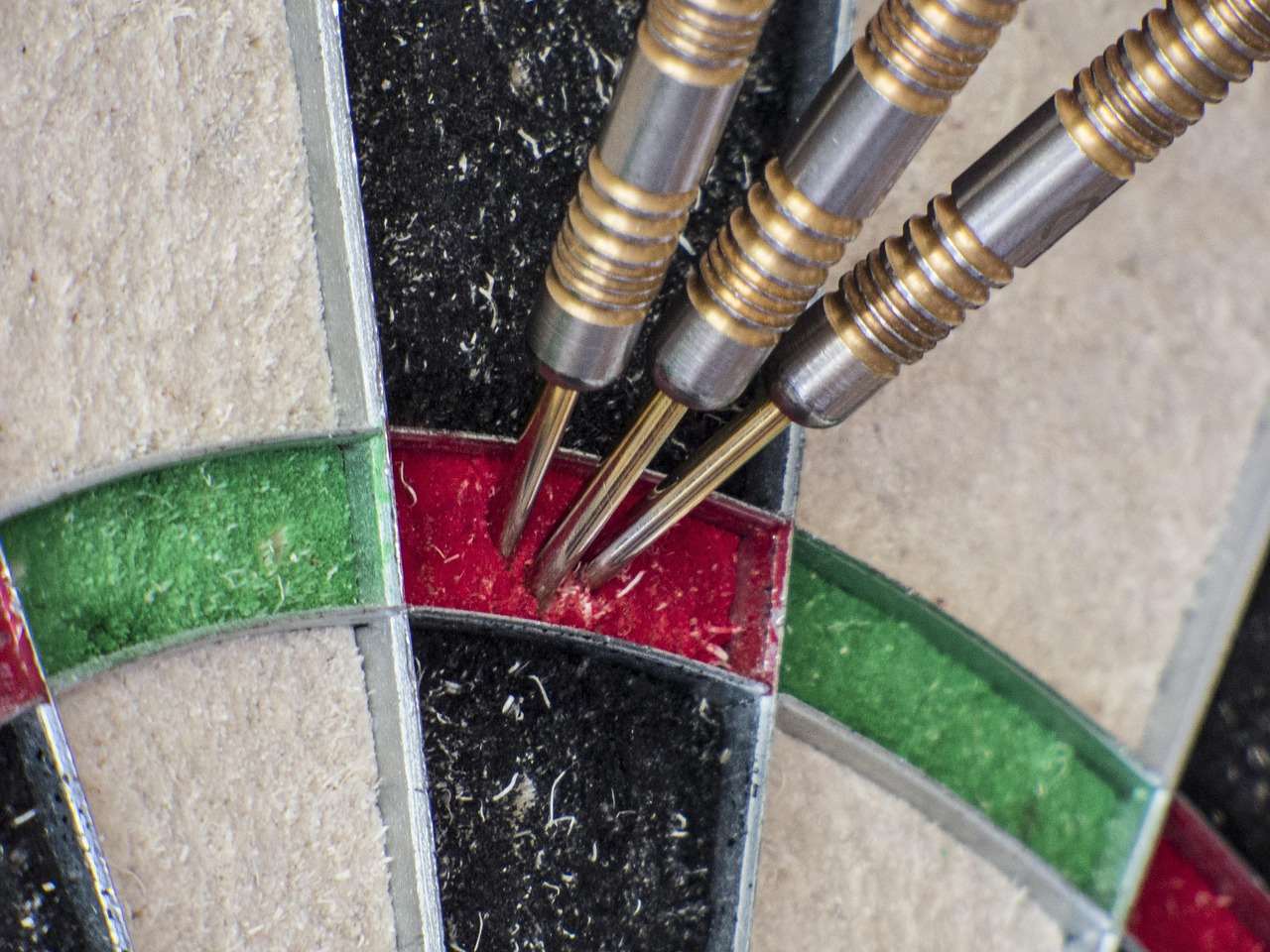
Advantages of Tungsten Darts:
- Slimmer Profile: Allows for tighter groupings and reduced bounce-outs.
- Enhanced Aerodynamics: Flies straighter and penetrates the dartboard more efficiently.
- Improved Control: Provides a more consistent and predictable flight path.
- Durability: Tungsten is a very durable material, ensuring longevity.
Disadvantages of Tungsten Darts:
- Higher Cost: Tungsten darts are typically more expensive than brass or nickel-silver darts.
Brass Darts: An Affordable Option
Brass darts are a popular choice for beginners and casual players due to their affordability. However, their lower density compared to tungsten means that brass darts are significantly thicker and bulkier for the same weight. This can affect their aerodynamics and make them less consistent in flight. While not ideal for serious competition, brass darts offer a cost-effective way to get started with the game.
Advantages of Brass Darts:
- Affordability: Brass darts are the most budget-friendly option.
- Beginner-Friendly: Their larger size can be easier for beginners to grip.
Disadvantages of Brass Darts:
- Bulky Size: Can lead to inconsistent flight and bounce-outs.
- Lower Durability: Brass is softer than tungsten and can dent or wear down more easily.
Nickel-Silver Darts: A Middle Ground?
Nickel-silver darts represent a compromise between the affordability of brass and the performance of tungsten. They offer slightly better density than brass but are still less dense than tungsten. While they can provide a more streamlined profile compared to brass, they often lack the superior aerodynamics and control of tungsten darts. They can be a good option for players looking for a mid-range dart that offers a balance of performance and cost. Consider researching Types Optimal Dartboard Lighting to enhance your practice environment for maximum performance.
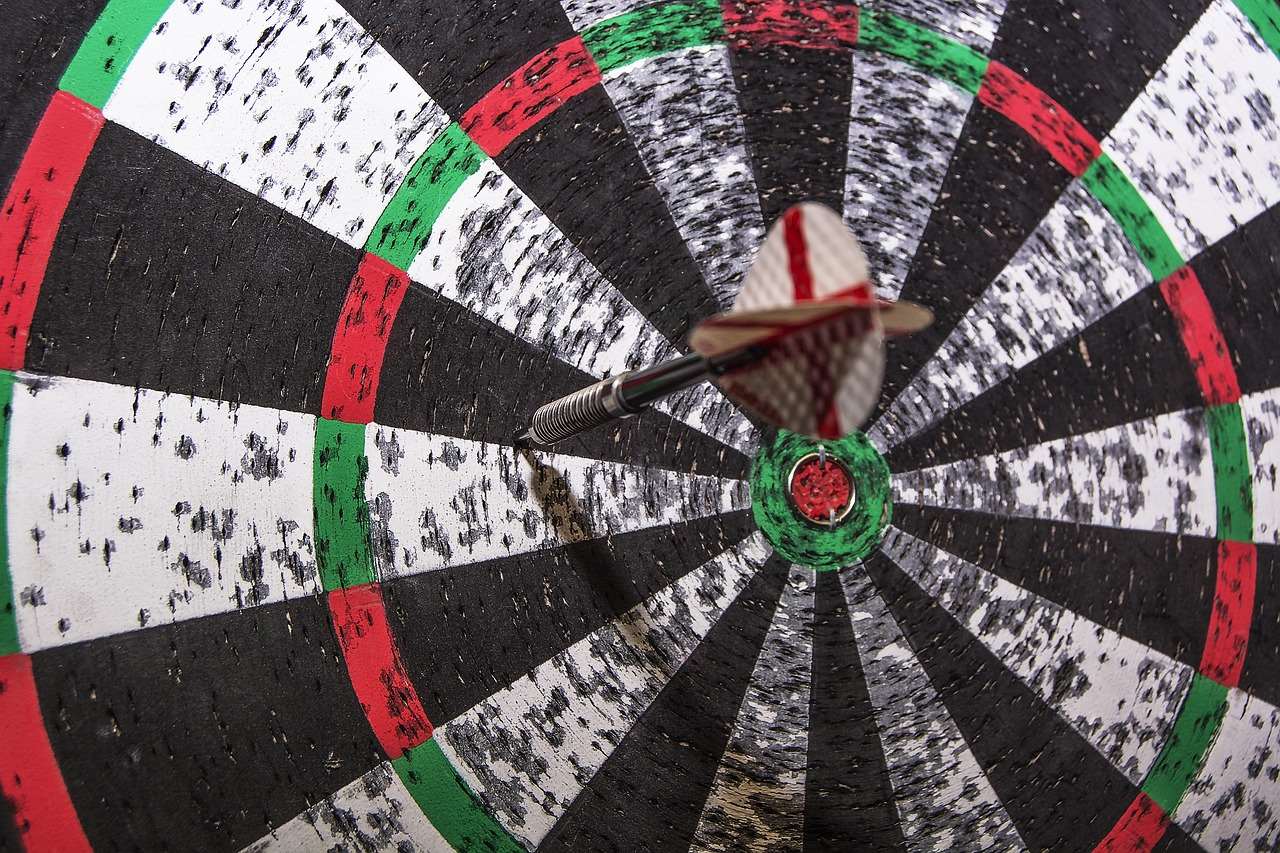
Advantages of Nickel-Silver Darts:
- Moderate Cost: Offers a mid-range price point.
- Improved Density Compared to Brass: Provides a slightly slimmer profile.
Disadvantages of Nickel-Silver Darts:
- Not as Dense as Tungsten: Lacks the superior aerodynamics and control of tungsten darts.
Weight Distribution and Its Impact
Beyond the material itself, the weight distribution within the dart significantly affects its flight characteristics. Darts can be front-weighted, center-weighted, or rear-weighted. Front-weighted darts tend to fly straighter and penetrate the dartboard more easily, while rear-weighted darts offer more control and a more arcing trajectory. Center-weighted darts provide a balance between the two. The best weight distribution for you depends on your throwing style and personal preference.
The material used in the dart construction plays a role in how the weight can be distributed. For example, using a denser material like tungsten allows for more precise control over weight distribution since less material is needed overall.
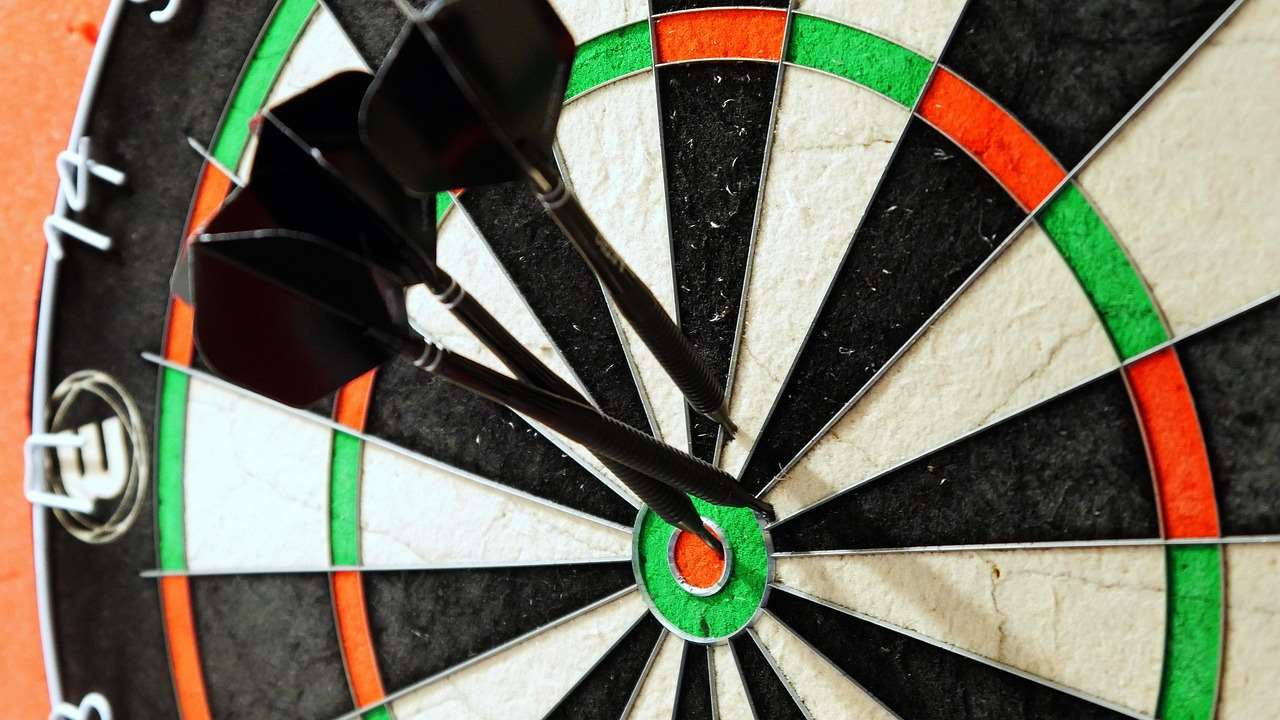
Grip and Material Interaction
The material of your dart barrel also interacts with your grip to influence your throw. Some materials, like brass, can be naturally more slippery, requiring a more aggressive grip pattern. Tungsten, especially when coated, can offer a more consistent and less slippery surface, allowing for a more relaxed and controlled grip. Consider how the surface texture of the material feels in your hand and how it impacts your release. The right dartboard lighting can help you see these details more clearly; research Optimal Dartboard Lighting Solutions Guide for optimal visibility.
Factors Beyond Material
While the material and weight are crucial factors, other elements also contribute to a dart’s performance. These include:
- Shape of the Barrel: Different barrel shapes can affect grip and aerodynamics.
- Flights: Flights provide stability and lift, influencing the dart’s trajectory.
- Shafts: Shafts connect the barrel to the flight and affect the dart’s balance and overall length.
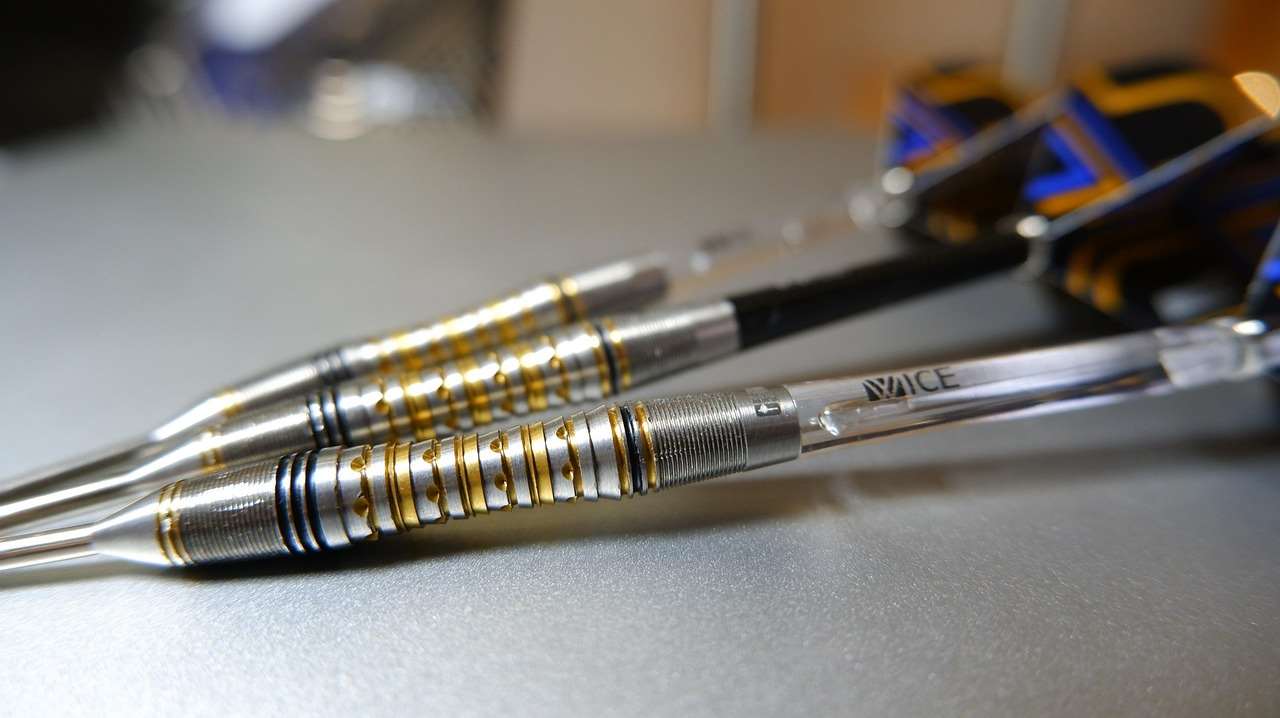
- Grip Pattern: The texture of the dart barrel, whether knurled, ringed, or smooth, impacts grip and control.
Experimentation is Key
Ultimately, the best way to determine the right dart for you is to experiment with different materials, weights, and shapes. Visit a local dart shop or borrow darts from friends to try out various options. Pay attention to how the dart feels in your hand, how it flies, and how consistently you can hit your target. There is no one-size-fits-all solution, so finding what works best for your individual style is essential.
The Long-Term Impact Of Material On Dart Weight
Choosing the right dart material and understanding its impact of material on dart weight can significantly enhance your dart game over time. Investing in quality darts, especially those made from tungsten, can lead to improved accuracy, tighter groupings, and a more enjoyable playing experience. Don’t underestimate the importance of this decision, as it can be a crucial factor in reaching your full potential as a dart player.
Conclusion
The impact of material on dart weight is a critical consideration when selecting darts. Tungsten offers superior density and performance, while brass provides an affordable entry point, and nickel-silver sits in between. Understanding the advantages and disadvantages of each material will empower you to make an informed decision that aligns with your skill level, budget, and playing style. Experiment with different darts to find the perfect fit and elevate your dart game. Ready to take your game to the next level? Explore our selection of high-quality darts and accessories to find the perfect setup for you! If you need extra light consider these LED Dartboard Lights Benefits.

Hi, I’m Dieter, and I created Dartcounter (Dartcounterapp.com). My motivation wasn’t being a darts expert – quite the opposite! When I first started playing, I loved the game but found keeping accurate scores and tracking stats difficult and distracting.
I figured I couldn’t be the only one struggling with this. So, I decided to build a solution: an easy-to-use application that everyone, no matter their experience level, could use to manage scoring effortlessly.
My goal for Dartcounter was simple: let the app handle the numbers – the scoring, the averages, the stats, even checkout suggestions – so players could focus purely on their throw and enjoying the game. It began as a way to solve my own beginner’s problem, and I’m thrilled it has grown into a helpful tool for the wider darts community.