The ability to maintain proper balance is paramount in achieving a consistent and accurate throw, regardless of the sport or activity. This article delves into the multifaceted impact of balance on throw, exploring how different aspects of balance affect throwing mechanics and accuracy.
⚠️ Still Using Pen & Paper (or a Chalkboard)?! ⚠️
Step into the future! The Dart Counter App handles all the scoring, suggests checkouts, and tracks your stats automatically. It's easier than you think!
Try the Smart Dart Counter App FREE!Ready for an upgrade? Click above!
Understanding the Core: Impact Of Balance On Throw Mechanics
At its heart, the impact of balance on throw lies in providing a stable foundation from which to generate power and control. A balanced stance allows for efficient transfer of energy from the lower body, through the core, and into the throwing arm. When balance is compromised, the body compensates, leading to inconsistencies and reduced accuracy. This applies to everything from pitching a baseball to throwing a dart. A crucial aspect is the kinetic chain, which describes how energy is transferred through different body segments. Proper balance ensures the chain functions smoothly, maximizing power output and minimizing the risk of injury.
Consider a baseball pitcher; their entire delivery is a carefully orchestrated sequence of movements designed to generate velocity and pinpoint accuracy. If their center of gravity shifts inappropriately during the windup or release, the kinetic chain is disrupted, leading to a wild pitch or reduced speed. Similarly, in darts, a slight sway can throw off your aim completely.
Key Elements of Balance for a Better Throw
Several factors contribute to achieving and maintaining good balance during a throw. These include:
- Stance: A wide and stable stance provides a solid base of support. The width and position of your feet should be tailored to the specific throwing motion.
- Weight Distribution: Proper weight distribution ensures that your center of gravity remains within your base of support. This often involves shifting weight strategically during the throw to maximize power and control.
- Core Strength: A strong core acts as the anchor for the entire throwing motion. It helps stabilize the spine and pelvis, preventing unwanted rotation and sway.
- Proprioception: This is your body’s awareness of its position in space. Improving proprioception allows you to make subtle adjustments to maintain balance, even when faced with unexpected disturbances.
- Focus and Concentration: Mental focus plays a significant role in maintaining balance. A wandering mind can lead to a wandering body.
Practical Tips for Improving Balance
Improving your balance is an ongoing process that requires dedicated practice. Here are some exercises and techniques that can help:
- Balance Board Exercises: These exercises challenge your balance and proprioception, helping you develop the ability to make quick adjustments.
- Single-Leg Stance: Practice standing on one leg for increasing durations. This improves your core strength and stability.
- Yoga and Pilates: These disciplines focus on strengthening the core and improving flexibility, both of which are essential for balance.
- Weighted Throws: Use weighted implements during practice throws. This helps build strength and stability in the core and throwing arm. Be sure to start with lighter weights and gradually increase the resistance.
Remember to Choose Best Dart Equipment to maximize your potential for success.
Specific Sports and the Impact of Balance
The impact of balance on throw varies slightly depending on the specific sport or activity. Let’s examine a few examples:
- Baseball: Pitchers rely on a complex sequence of movements to generate velocity and accuracy. Balance is crucial throughout the entire delivery, from the windup to the release. Any disruption in balance can lead to a wild pitch or reduced speed.
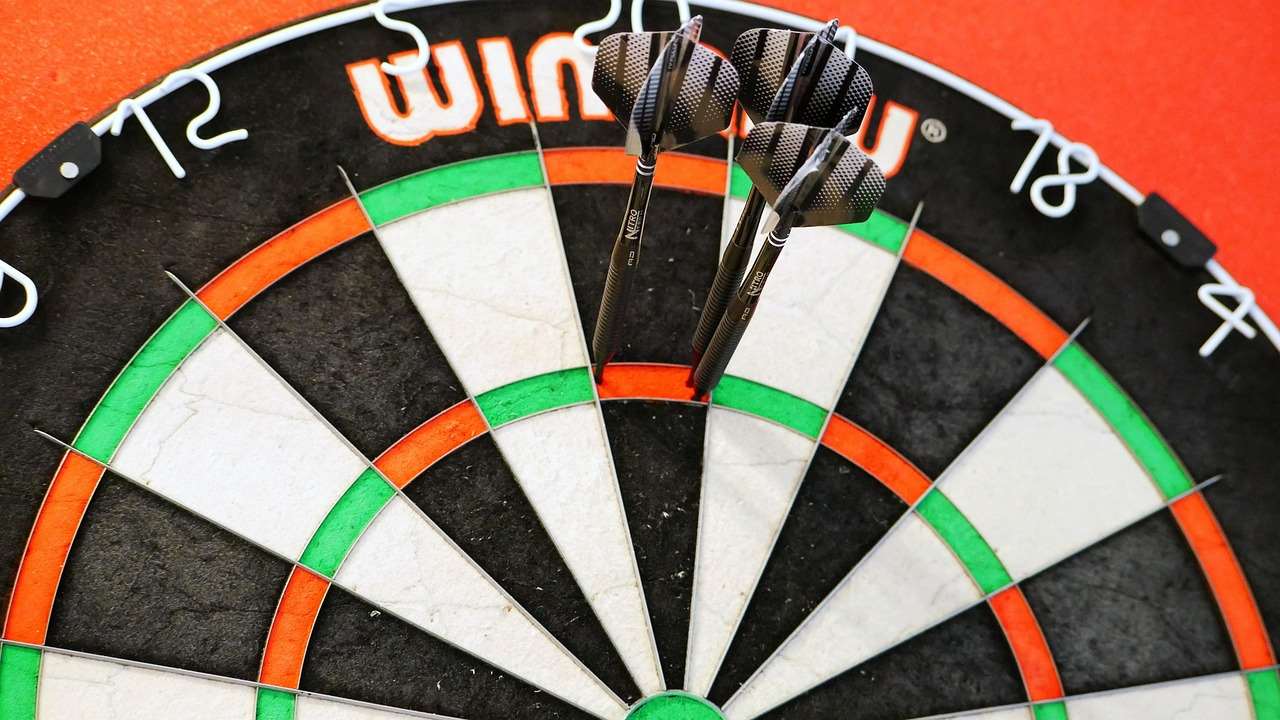
- Darts: Darts require a stable and consistent stance. Even the slightest sway can throw off your aim. Focus and concentration are also essential for maintaining balance during the throw. Understanding Types Optimal Dartboard Lighting can help eliminate distractions.
- Football: Quarterbacks need to maintain their balance while under pressure from opposing defenders. This requires a strong core and the ability to make quick adjustments.
- Javelin: Javelin throwers generate enormous power during their run-up and release. Balance is crucial for transferring that power efficiently and accurately.
Balance Training Drills for Throwing Athletes
For athletes seeking to improve their throwing performance, incorporating specific balance training drills into their routines is highly beneficial. Here are some examples:
- Medicine Ball Throws on a Balance Board: This exercise challenges your balance while simultaneously strengthening your core and throwing muscles.
- Single-Leg Landings: Practice landing on one leg after a jump or hop. This improves your ability to absorb impact and maintain balance.
- Resisted Rotation Exercises: Use resistance bands or cables to strengthen your core muscles and improve your ability to resist unwanted rotation.
- Agility Ladder Drills: Agility ladder drills improve your footwork and coordination, which are essential for maintaining balance during dynamic movements.
How Imbalances Lead to Injuries
Beyond affecting performance, poor balance can also significantly increase the risk of injuries. When the body is out of balance, it has to compensate, placing undue stress on certain muscles and joints. Over time, this can lead to strains, sprains, and other injuries. For instance, in baseball, poor balance during the pitching motion can lead to shoulder, elbow, or back injuries. Therefore, addressing balance issues is not only important for improving throwing accuracy but also for preventing injuries.
Addressing Muscular Imbalances
One common cause of balance problems is muscular imbalances. For example, having strong chest muscles but weak back muscles can pull the body forward, disrupting balance. To address this, it’s important to incorporate exercises that strengthen both sides of the body equally. A qualified physical therapist can help identify and correct any muscular imbalances you may have.
Moreover, paying attention to the environment can help. Consider Optimal Dartboard Lighting Solutions Guide and ensure a properly lit throwing area to reduce eye strain and maintain focus.
The Role of Vision in Maintaining Balance During a Throw
Vision plays a crucial, often overlooked, role in maintaining balance. Our eyes provide valuable information about our surroundings and our body’s position in space. This information is processed by the brain and used to make adjustments to our posture and movements. When throwing, visual cues help us maintain our orientation and make corrections to our trajectory. Peripheral vision is particularly important for maintaining awareness of our surroundings and preventing falls. Therefore, maintaining good vision and incorporating visual training exercises can improve balance and throwing accuracy.
Consider the archer aiming at a target. A clear and unobstructed view is crucial for accurate aiming and maintaining balance. Any visual distractions or impairments can negatively impact their performance.
Advanced Techniques for Optimizing Balance
For elite athletes, optimizing balance requires more than just basic exercises. It often involves incorporating advanced techniques such as:
- Neuromuscular Training: This type of training focuses on improving the communication between the brain and the muscles. It involves exercises that challenge your balance and coordination in unpredictable ways.
- Sensory Integration Therapy: This therapy helps improve the way your brain processes sensory information, including visual, auditory, and tactile cues.
- Biofeedback: Biofeedback uses electronic sensors to monitor your body’s physiological responses, such as heart rate and muscle tension. This information can be used to identify and correct imbalances.
By understanding the intricate impact of balance on throw, athletes can unlock their full potential and achieve peak performance.
Conclusion: Achieving Throwing Excellence Through Balance
Ultimately, understanding and addressing the impact of balance on throw is essential for maximizing performance and minimizing the risk of injury in any throwing-based activity. From stance and weight distribution to core strength and proprioception, a multitude of factors contribute to achieving optimal balance. By incorporating the tips and techniques discussed in this article, you can improve your balance, enhance your throwing mechanics, and unlock your full potential. Take the time to assess your current balance, identify areas for improvement, and implement a targeted training program. Start today and experience the transformative effects of improved balance on your throwing performance.
Ready to improve your game? Evaluate your balance and take steps to enhance your technique! Also, remember to consult with a qualified coach or trainer for personalized guidance and support.

Hi, I’m Dieter, and I created Dartcounter (Dartcounterapp.com). My motivation wasn’t being a darts expert – quite the opposite! When I first started playing, I loved the game but found keeping accurate scores and tracking stats difficult and distracting.
I figured I couldn’t be the only one struggling with this. So, I decided to build a solution: an easy-to-use application that everyone, no matter their experience level, could use to manage scoring effortlessly.
My goal for Dartcounter was simple: let the app handle the numbers – the scoring, the averages, the stats, even checkout suggestions – so players could focus purely on their throw and enjoying the game. It began as a way to solve my own beginner’s problem, and I’m thrilled it has grown into a helpful tool for the wider darts community.