The most effective way to **how to test dart barrels** is through consistent throwing and focused evaluation of grip, balance, and flight characteristics; paying close attention to how the dart feels in your hand and performs in the air will quickly reveal its suitability for your throwing style. This article explores detailed methods for assessing **dart barrel** quality, personalized grip testing, weight distribution analysis, and strategies for optimizing your dart setup for improved accuracy and consistency.
⚠️ Still Using Pen & Paper (or a Chalkboard)?! ⚠️
Step into the future! The Dart Counter App handles all the scoring, suggests checkouts, and tracks your stats automatically. It's easier than you think!
Try the Smart Dart Counter App FREE!Ready for an upgrade? Click above!
Understanding the Basics of Dart Barrel Evaluation
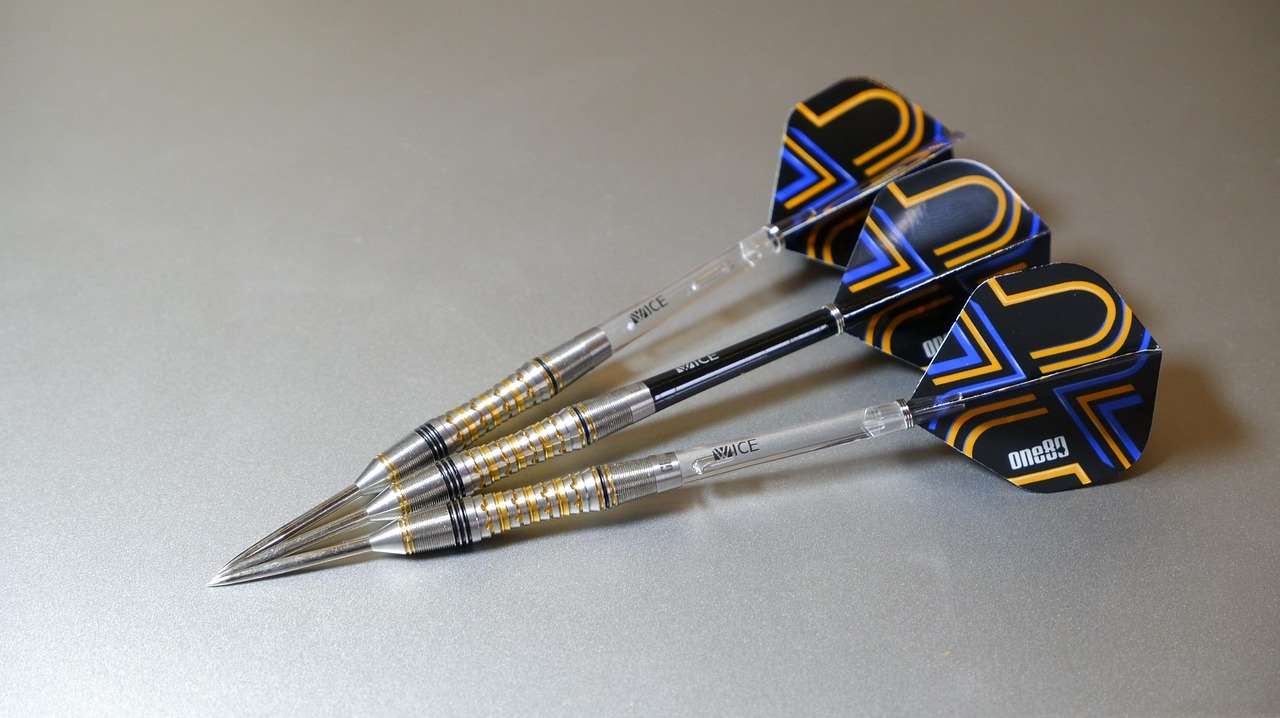
Before diving into advanced testing methods, it’s essential to grasp the fundamental aspects of a **dart barrel**. The barrel is the heart of the dart, directly influencing grip, balance, and overall feel. Factors like material (tungsten, brass, nickel-silver), shape (straight, torpedo, bomb), weight, and knurling (grip texture) all play crucial roles. When evaluating a barrel, consider how these elements interact with your individual throwing style. Do you prefer a heavy dart or a lighter one? A smooth grip or a more aggressive texture? These preferences will guide your testing process.
Material Matters: Tungsten vs. Brass vs. Nickel-Silver
Tungsten is the preferred material for serious dart players due to its high density. This allows for slimmer barrels with the same weight as bulkier brass or nickel-silver darts. Slimmer barrels facilitate tighter groupings on the dartboard. Brass is a cheaper alternative, suitable for beginners or casual players. Nickel-silver falls somewhere in between, offering decent performance at a moderate price point. When testing dart barrels made of different materials, pay attention to how the weight and balance affect your throw. Consider choosing the best dart equipment for your needs.
The Impact of Barrel Shape on Grip and Throw
Dart barrel shapes significantly impact grip and release. A straight barrel offers a consistent grip point along its length, favored by players who hold the dart in the same spot every time. Torpedo-shaped barrels are thicker in the middle and taper towards the ends, encouraging a specific grip point. Bomb-shaped barrels are even more pronounced in their curvature, often preferred by players who want a very defined grip. Experiment with different shapes to find what feels most natural and promotes a consistent release.
Hands-On Grip Testing: Finding Your Perfect Match
One of the most crucial aspects of **how to test dart barrels** is evaluating the grip. Your grip is the direct connection between you and the dart, and a comfortable, consistent grip is essential for accuracy. Different types of knurling (the textured pattern on the barrel) offer varying levels of grip. Some players prefer a smooth, almost slick barrel, while others prefer a more aggressive, sandpaper-like texture. The key is to find a barrel that provides enough grip to prevent slippage without feeling overly restrictive. Furthermore, consider the overall **dart weight** during your grip test.
Experimenting with Different Knurling Patterns
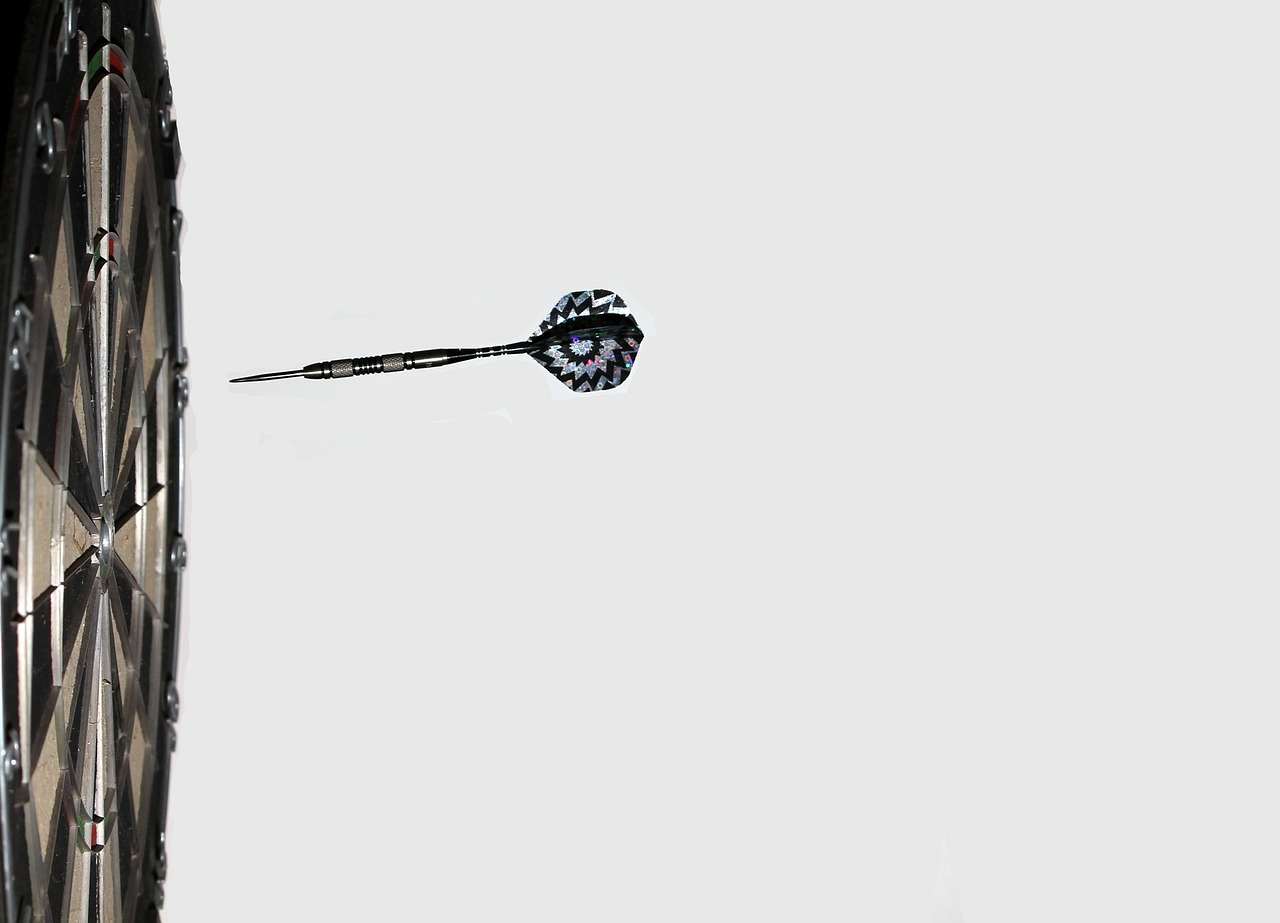
Knurling patterns range from fine rings to coarse grooves to intricate diamond patterns. Fine rings provide a subtle grip, ideal for players with a light touch. Coarse grooves offer a more secure grip, suitable for players who prefer a firmer hold. Diamond patterns provide a balanced grip that is neither too smooth nor too aggressive. Try different knurling patterns and see how they affect your control and consistency. Consider using a **dart case** to protect your investment.
The Blind Test: Eliminating Bias
To truly assess your grip preference, conduct a blind test. Have someone hand you different dart barrels with varying knurling patterns without revealing which is which. Throw each dart for a few rounds and rate them based on comfort, control, and consistency. This eliminates any preconceived notions and allows you to objectively evaluate the grip based on feel alone. Note which darts provide a secure grip but also allow a clean release. This unbiased feedback is critical when deciding **how to test dart barrels**.
Analyzing Weight Distribution for Optimal Flight
The weight distribution of a **dart barrel** significantly impacts its flight characteristics. Front-weighted darts tend to fly straighter and penetrate the dartboard more easily, making them a good choice for players who prefer a more direct throwing style. Center-weighted darts offer a balanced feel and are often preferred by players who release the dart with a spin. Rear-weighted darts tend to kick up more, requiring a higher throwing arc, and are favored by some players who prefer a lobbing motion. Understanding how weight distribution affects flight is key to choosing the right barrel for your style. When experimenting with different setups, make sure to have the optimal dartboard lighting solutions guide at your disposal.
Testing with Different Shafts and Flights
To fully assess weight distribution, experiment with different shafts and flights. Longer shafts shift the center of gravity further back, while shorter shafts move it forward. Larger flights provide more stability, while smaller flights offer more speed. By adjusting these components, you can fine-tune the dart’s flight characteristics to match your throwing style. Pay close attention to how the dart enters the board and how consistently you can group your darts together.
Observing Dart Trajectory and Board Penetration
As you throw, observe the dart’s trajectory. Does it fly straight and true, or does it wobble or veer off course? How does it penetrate the dartboard? Does it stick firmly or bounce out frequently? These observations will provide valuable insights into whether the weight distribution is suitable for your throwing style. If you’re experiencing excessive bounce-outs, consider switching to a front-weighted dart or adjusting your throwing technique.
Refining Your Dart Setup: Fine-Tuning for Consistency
Once you’ve identified your preferred grip, weight distribution, and flight characteristics, it’s time to refine your dart setup. This involves making subtle adjustments to the individual components to optimize your performance. Don’t be afraid to experiment with different combinations of barrels, shafts, and flights until you find the perfect combination for your style. Consistent experimentation is critical for learning **how to test dart barrels**.
Making Incremental Adjustments
Avoid making drastic changes to your setup. Instead, make small, incremental adjustments and assess the impact on your performance. For example, if you’re struggling with dart wobble, try switching to slightly larger flights. If you’re having trouble grouping your darts tightly, try a different shaft length. By making gradual changes, you can isolate the effects of each adjustment and avoid introducing new problems. Consider purchasing a **dartboard cabinet** to protect your setup.
Documenting Your Results
Keep a detailed log of your testing process. Record the specific barrel, shaft, and flight combinations you’ve tried, along with your observations on their performance. Note any changes you make to your throwing technique and how they affect your results. This documentation will serve as a valuable reference as you continue to refine your dart setup. Understanding your past testing will greatly aid in **how to test dart barrels** in the future.
Additional Factors to Consider
Beyond the core elements of grip, weight, and flight, several other factors can influence your dart performance. The length of the barrel, the diameter of the barrel, and the overall balance of the dart all play a role. Additionally, consider the durability of the barrel. Tungsten barrels are generally more durable than brass or nickel-silver barrels and are less prone to damage from impact. Also, make sure you have the how to light your dartboard properly.
Conclusion: Embrace the Experimentation Process
Learning **how to test dart barrels** effectively is an ongoing process of experimentation and refinement. There’s no one-size-fits-all solution; the perfect dart setup is highly individual. By understanding the fundamental principles of dart barrel design, conducting thorough grip testing, analyzing weight distribution, and making incremental adjustments, you can optimize your dart setup for improved accuracy and consistency. Embrace the experimentation process and enjoy the journey of finding the perfect darts for your throwing style. The insights gained will be invaluable as you continue to hone your skills and elevate your game. Ultimately, finding the right setup is about understanding your own throwing style and preferences. Explore different options, take notes, and be patient. Soon, you’ll discover the dart setup that works best for you, enhancing your enjoyment of the game. Invest in quality equipment, practice regularly, and watch your dart game flourish.

Hi, I’m Dieter, and I created Dartcounter (Dartcounterapp.com). My motivation wasn’t being a darts expert – quite the opposite! When I first started playing, I loved the game but found keeping accurate scores and tracking stats difficult and distracting.
I figured I couldn’t be the only one struggling with this. So, I decided to build a solution: an easy-to-use application that everyone, no matter their experience level, could use to manage scoring effortlessly.
My goal for Dartcounter was simple: let the app handle the numbers – the scoring, the averages, the stats, even checkout suggestions – so players could focus purely on their throw and enjoying the game. It began as a way to solve my own beginner’s problem, and I’m thrilled it has grown into a helpful tool for the wider darts community.