Achieving perfect dart flight often hinges on balance, and learning how to rebalance darts is key; this usually involves adjusting weight distribution by modifying points, shafts, or flights. This article will guide you through identifying imbalance, making adjustments, and testing for optimal performance to enhance your dart game.
⚠️ Still Using Pen & Paper (or a Chalkboard)?! ⚠️
Step into the future! The Dart Counter App handles all the scoring, suggests checkouts, and tracks your stats automatically. It's easier than you think!
Try the Smart Dart Counter App FREE!Ready for an upgrade? Click above!
Understanding Dart Balance
Dart balance significantly impacts accuracy and consistency. A well-balanced dart flies straighter and truer, requiring less corrective action from the thrower. An imbalanced dart, on the other hand, can wobble, drift, or nose-dive, leading to frustrating inconsistencies. Factors contributing to dart balance include the weight and distribution of the barrel, shaft, and flight. It’s crucial to understand these components to effectively rebalance your darts.
Identifying Imbalance
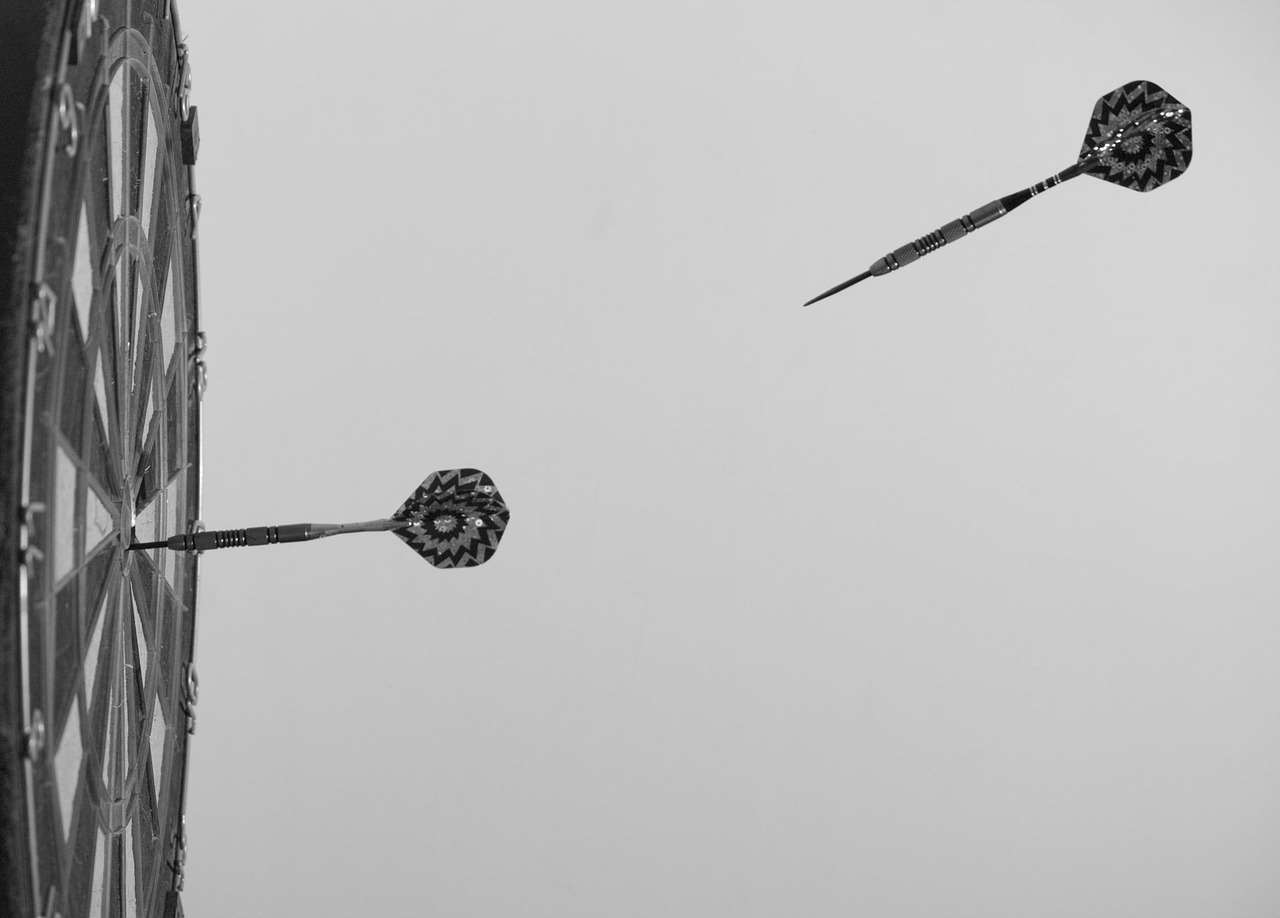
Before you can begin the process of how to rebalance darts, you need to identify if your darts are indeed imbalanced. Here are a few telltale signs:
- Inconsistent Flight: Darts wobble or veer off course unpredictably.
- Nose Diving: The dart’s point dips significantly during flight.
- Tail Wagging: The rear of the dart oscillates excessively.
- Difficulty Grouping: You struggle to consistently land darts in the same area of the board.
If you’re experiencing any of these issues, it’s a good indication that your darts could benefit from rebalancing. Keep in mind that adjusting your throwing technique can also improve these problems. You might find helpful information about premium darts and their benefits in our guide about Are Premium Darts Worth It.
Methods for How To Rebalance Darts
There are several approaches you can take when considering how to rebalance darts, each targeting different aspects of the dart’s construction.
Adjusting Dart Points
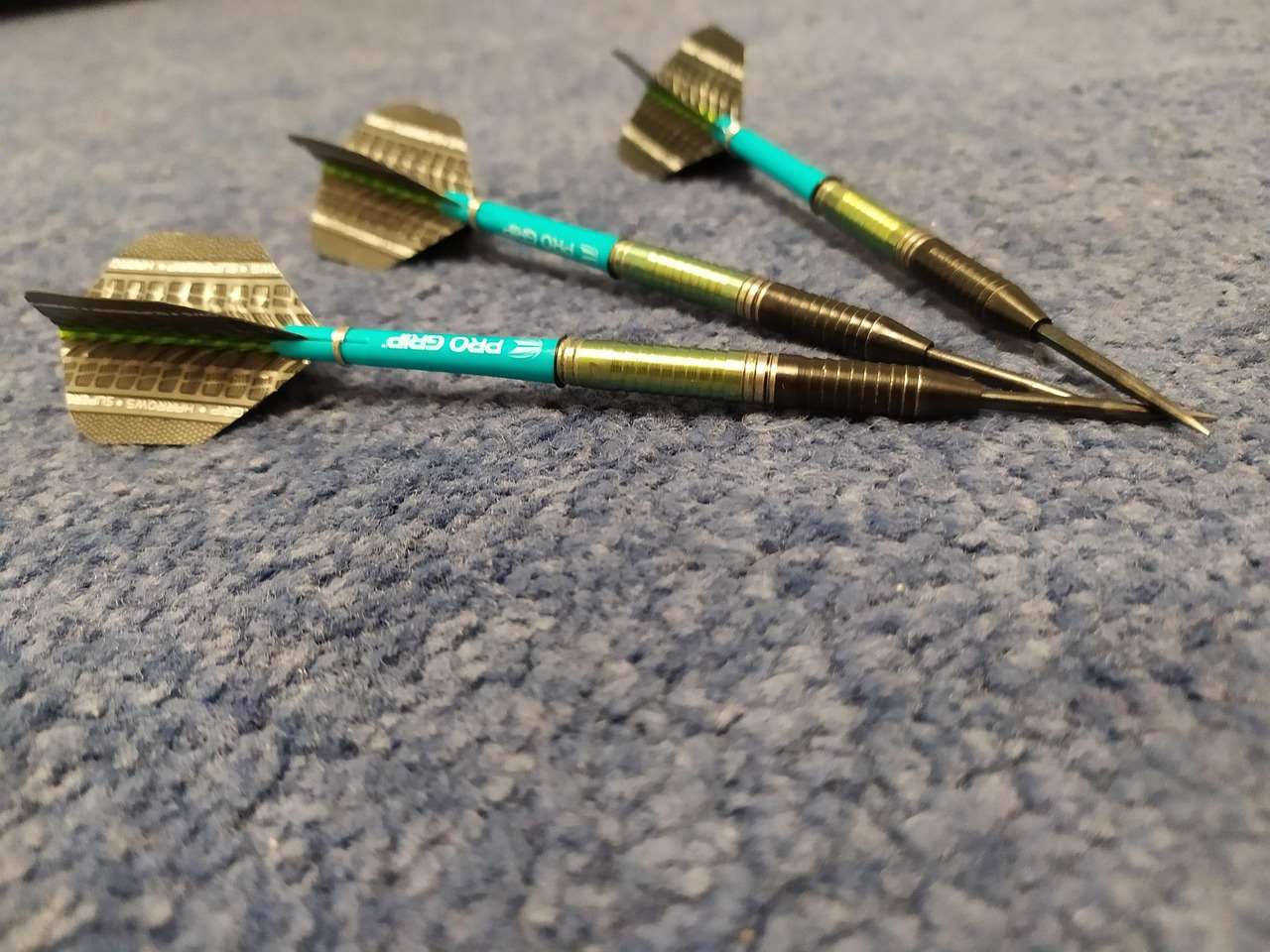
The point’s weight plays a crucial role in the overall balance. Heavier points shift the center of gravity forward, potentially improving stability, especially for players who grip the dart towards the front. Lighter points can offer a more neutral balance, preferred by some. You can experiment with different point weights to find what works best for you.
- Changing Point Weight: Invest in a set of points with varying weights (e.g., 26mm, 30mm, 32mm). A dart point tool is useful for this.
- Testing and Evaluating: Throw several sets of darts with each point weight, noting how they fly and group.
Consider the barrel material when evaluating. You might find our Quality Comparison Budget Premium Darts guide helpful to decide if you want to upgrade.
Modifying Dart Shafts
Shafts contribute significantly to the dart’s rear weight. Shorter shafts move the center of gravity forward, promoting a faster, flatter trajectory. Longer shafts increase rear weight, potentially aiding stability, especially for those who prefer a higher arc in their throw. There are many options to Choose Best Dart Equipment so selecting the right shaft is crucial.
- Experimenting with Shaft Length: Purchase a selection of shafts in different lengths (e.g., short, medium, long).
- Trying Different Materials: Shafts are available in nylon, aluminum, and carbon fiber, each with varying weights and flex characteristics. Aluminum shafts, for example, are more durable but can bend, affecting balance.
Shaft material affects dart balance too. Nylon shafts are common and relatively lightweight. Aluminum shafts add weight, and carbon fiber offers a balance of strength and lightness.
Altering Dart Flights
Flights affect the dart’s aerodynamic properties. Larger flights provide more drag, stabilizing the dart and slowing it down. Smaller flights offer less drag, allowing for a faster, more direct flight. The shape of the flight also influences stability; standard flights are the most common, while slim flights reduce drag.
- Trying Different Flight Shapes and Sizes: Experiment with standard, slim, kite, and pear-shaped flights in various sizes.
- Considering Flight Material: Flights are made from various materials, including polyester, nylon, and holographic films. Thicker materials are more durable but can add weight.
Remember that flight choice should complement your shaft length. Shorter shafts often pair well with smaller flights, and longer shafts with larger flights.
Tools and Equipment for Dart Rebalancing
While some adjustments can be made with basic tools, having specific dart-related equipment can make the process easier and more precise. Consider these tools:
- Dart Point Removal Tool: For safely removing and replacing dart points.
- Dart Shaft Tightening Tool: To ensure shafts are securely fastened.
- Dart Weight Scale: For accurately measuring the weight of dart components.
- O-Rings: To prevent shafts from loosening during play.
Step-by-Step Guide: How To Rebalance Darts
Here’s a structured approach to how to rebalance darts:
- Identify the Imbalance: Observe your dart’s flight characteristics to pinpoint the issue (wobbling, nose-diving, etc.).
- Choose a Component to Adjust: Start with either the points, shafts, or flights. It is often easiest to start with flights and then work backwards.
- Make Small Adjustments: Change the weight or length of the selected component incrementally.
- Test Thoroughly: Throw multiple sets of darts with each adjustment, focusing on consistency and accuracy.
- Evaluate the Results: Note any improvements or changes in flight behavior.
- Repeat as Needed: Continue making adjustments and testing until you achieve optimal balance and flight.
It’s important to make only one adjustment at a time to accurately assess its impact. Document your changes and results to track your progress.
Advanced Techniques for Fine-Tuning Dart Balance
Once you’ve mastered the basics, you can explore more advanced techniques for fine-tuning your dart balance.
Using Weight Additions
Small weights can be added to the front or rear of the dart to precisely adjust the center of gravity. These weights are typically available as small lead or tungsten inserts. This might be an important decision when considering Investing In Premium Dart Equipment.
- Adding Weight to the Front: Can help stabilize the dart and reduce wobbling.
- Adding Weight to the Rear: Can promote a higher arc and improve grouping for some players.
Customizing Dart Barrels
More advanced players might consider modifying the barrel itself. This could involve adding or removing material, although this requires specialized tools and expertise.
Troubleshooting Common Dart Balance Issues
Even with careful adjustments, you may encounter persistent balance issues. Here are some common problems and solutions:
- Problem: Darts Still Wobble After Adjustments.
- Solution: Double-check that all components (points, shafts, flights) are securely fastened. Try a different flight shape or size.
- Problem: Darts Nosedive Despite Point Weight Changes.
- Solution: Experiment with shorter shafts or larger flights to increase rear weight and drag.
- Problem: Inconsistent Grouping Persists.
- Solution: Focus on your grip and throwing technique. Even the most balanced dart won’t compensate for inconsistent mechanics.
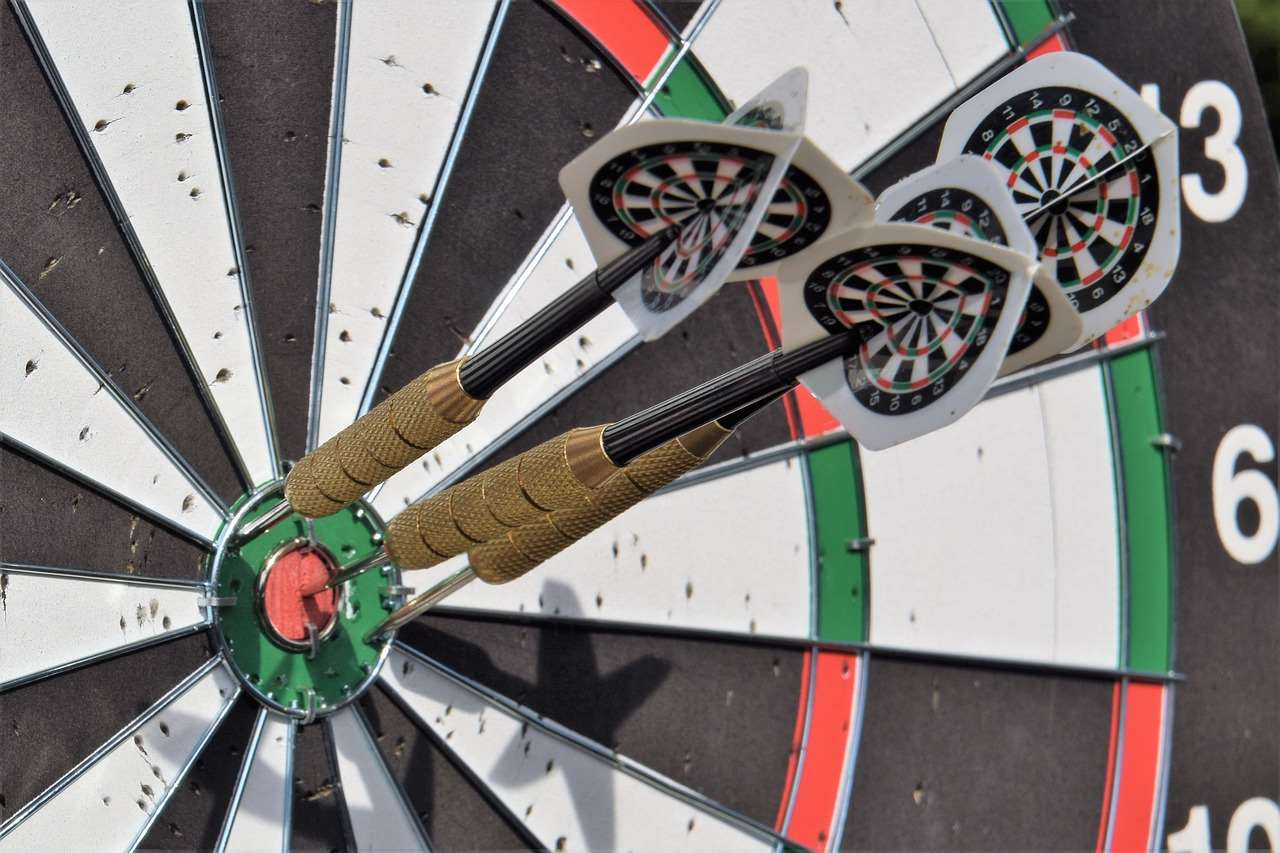
Remember that finding the perfect dart balance is a process of experimentation. Don’t be afraid to try different combinations of components until you find what works best for your individual throwing style. This may take time, but remember to stay focused and to enjoy the process.
Maintaining Dart Balance Over Time
Once you’ve achieved optimal balance, it’s important to maintain it. Regularly inspect your darts for any signs of wear or damage. Replace worn flights or bent shafts promptly. Keep your dart points sharp to ensure they grip the board properly. These are all important aspects when evaluating the Difference Budget Premium Darts and what the higher price point delivers.
Conclusion
Mastering how to rebalance darts can significantly enhance your dart-playing experience. By understanding the impact of points, shafts, and flights, and by experimenting with different combinations, you can fine-tune your darts for optimal flight and accuracy. Remember to make small adjustments, test thoroughly, and maintain your darts to preserve their balance over time. Ready to take your dart game to the next level? Start experimenting with different dart components today and discover the perfect balance for your throw!

Hi, I’m Dieter, and I created Dartcounter (Dartcounterapp.com). My motivation wasn’t being a darts expert – quite the opposite! When I first started playing, I loved the game but found keeping accurate scores and tracking stats difficult and distracting.
I figured I couldn’t be the only one struggling with this. So, I decided to build a solution: an easy-to-use application that everyone, no matter their experience level, could use to manage scoring effortlessly.
My goal for Dartcounter was simple: let the app handle the numbers – the scoring, the averages, the stats, even checkout suggestions – so players could focus purely on their throw and enjoying the game. It began as a way to solve my own beginner’s problem, and I’m thrilled it has grown into a helpful tool for the wider darts community.