The secret to **how pro players choose their darts** often comes down to a highly personalized combination of feel, weight, grip, and balance that allows them to consistently and accurately hit their targets. This article delves into the key factors influencing their choices, exploring the nuances of dart weight, material, shape, grip, and setup, providing valuable insights for players of all skill levels.
⚠️ Still Using Pen & Paper (or a Chalkboard)?! ⚠️
Step into the future! The Dart Counter App handles all the scoring, suggests checkouts, and tracks your stats automatically. It's easier than you think!
Try the Smart Dart Counter App FREE!Ready for an upgrade? Click above!
Understanding the Core Factors: How Pro Players Choose Their Darts
How pro players choose their darts is a complex process guided by individual preferences and playing styles. There isn’t a one-size-fits-all solution. Instead, it’s about finding the perfect match between the dart and the player. Several key factors come into play, including dart weight, barrel material, barrel shape, grip style, and the overall dart setup.
Dart Weight: Finding the Right Balance
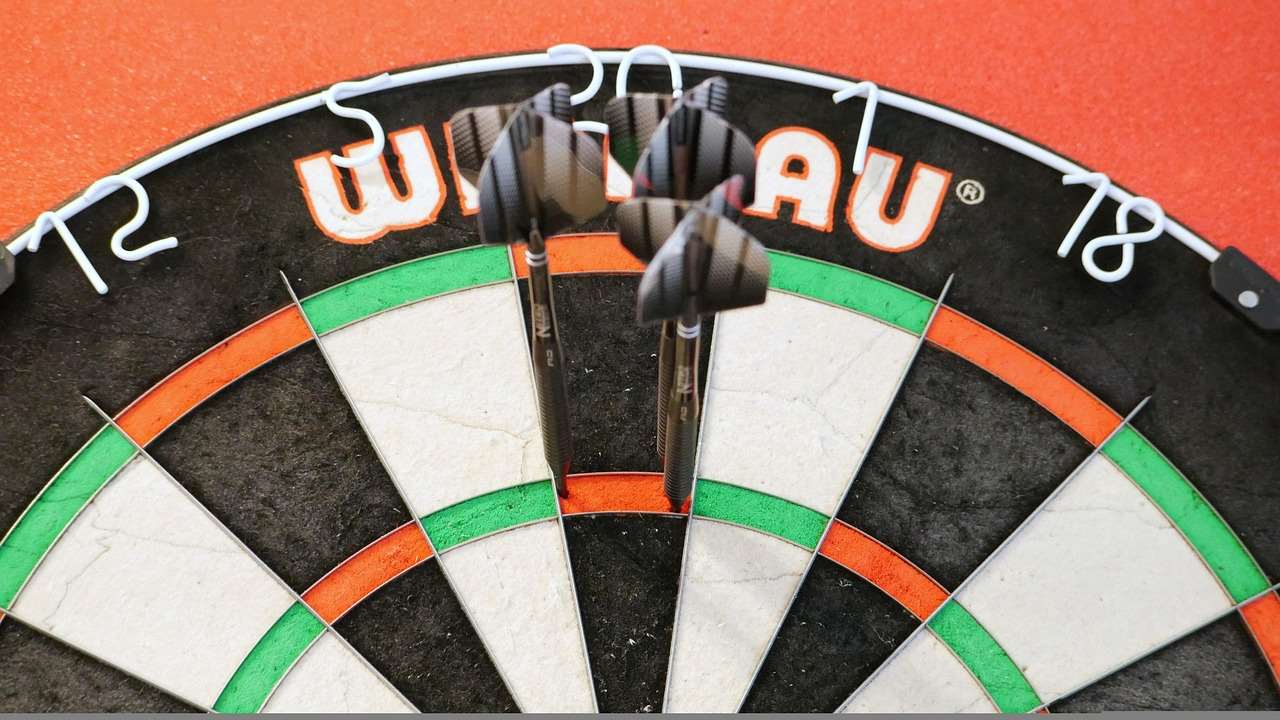
Dart weight is arguably the most crucial factor. Most professional players use darts ranging from 21 to 26 grams, but this is just a general guideline. A heavier dart can provide more stability in flight, especially for players with a stronger throw, reducing wobble and increasing accuracy. However, it can also lead to fatigue for players who prefer a lighter touch. Lighter darts, conversely, require more control and finesse. Experimenting with different weights is essential to find what feels most comfortable and natural. Finding the right dart weight can also help reduce dartboard shadows effectively and improve your throw.
Consider these points when assessing dart weight:
- Throwing Style: A powerful throw might benefit from a heavier dart.
- Stamina: Lighter darts might be preferable for longer games.
- Consistency: The ideal weight promotes consistent release and trajectory.
Barrel Material: Tungsten vs. Brass
The barrel material significantly impacts dart thickness and grip. Tungsten darts are denser than brass darts, allowing for a slimmer barrel profile for the same weight. This slim profile provides more space on the dartboard, reducing bounce-outs. Most professional players favor tungsten darts due to their durability and superior grip options. Brass darts are less expensive but tend to be bulkier and less durable. If you are interested in choosing the best darts then you might also look into choose best dart equipment and understand the features that determine quality.
Barrel Shape: Torpedo, Straight, or Scalloped?
Barrel shape directly influences how the dart feels in the hand and how it releases. Common shapes include:
- Torpedo: Bulky at the front, tapering towards the rear. Promotes a front-weighted feel.
- Straight: Consistent diameter throughout the barrel. Offers a balanced feel.
- Scalloped: Features concave sections for enhanced grip and finger placement.
The best shape depends entirely on personal preference. Players should try different shapes to determine which one provides the most comfortable and controlled grip. Different shapes also affect the LED dartboard lights benefits that dart players see.
Grip Considerations: How Pro Players Choose Their Darts Based on Feel
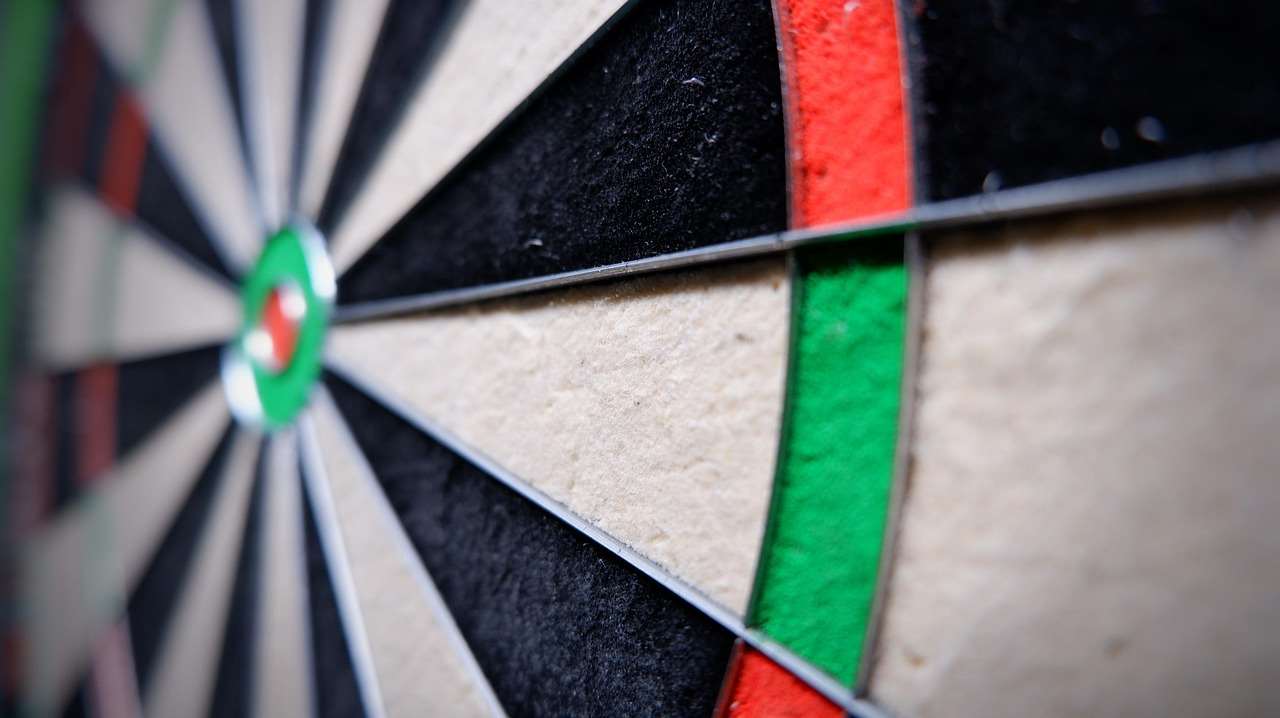
A player’s grip style is highly personal, influencing the type of grip on their darts. Some players prefer a smooth barrel, while others require aggressive knurling. The key is to find a grip that provides secure control without requiring excessive force. Players should experiment with different levels of knurling, rings, and grooves to find what works best for them. The right grip can significantly improve accuracy and consistency.
Grip Zones and Knurling Types
Professional darts often have distinct grip zones tailored to different finger placements. Knurling comes in various forms, each offering a unique feel:
- Ringed Grip: Provides consistent grip along the barrel.
- Knurled Grip: Offers a more aggressive, textured feel.
- Smooth Grip: Suitable for players who prefer minimal resistance.
The selection of grip depends on the player’s throwing style and preferred level of control. The type of grip will also depend on the type of optimal dartboard lighting solutions guide that the player uses since sweaty hands will affect grip more in some lighting conditions than others.
Dart Setup: Shafts, Flights, and Points
The complete dart setup, including shafts, flights, and points, further refines the dart’s flight characteristics and overall performance. These components are adjustable and can be changed to fine-tune the dart’s trajectory and stability. Understanding these elements is key to knowing how pro players choose their darts.
Shafts: Length and Material
Shaft length influences the dart’s angle of entry into the dartboard. Shorter shafts tend to make the dart fly with a steeper angle, while longer shafts create a flatter trajectory. Shaft material also matters. Nylon shafts are common and affordable, while aluminum shafts offer greater durability but can be more prone to loosening. Carbon fiber shafts are a premium option, providing both strength and lightweight performance.
Flights: Shape and Size
Flight shape and size affect the dart’s stability and drag. Larger flights provide more stability, while smaller flights allow for a faster, more direct flight. Common flight shapes include:
- Standard: Offers maximum stability.
- Slim: Reduces drag for faster flight.
- Kite: Provides a balance of stability and speed.
Experimenting with different flight shapes is crucial to finding the optimal balance for a player’s individual throwing style. Consider the types optimal dartboard lighting and how it may affect your perception of the dart flight.
Points: Grip and Length
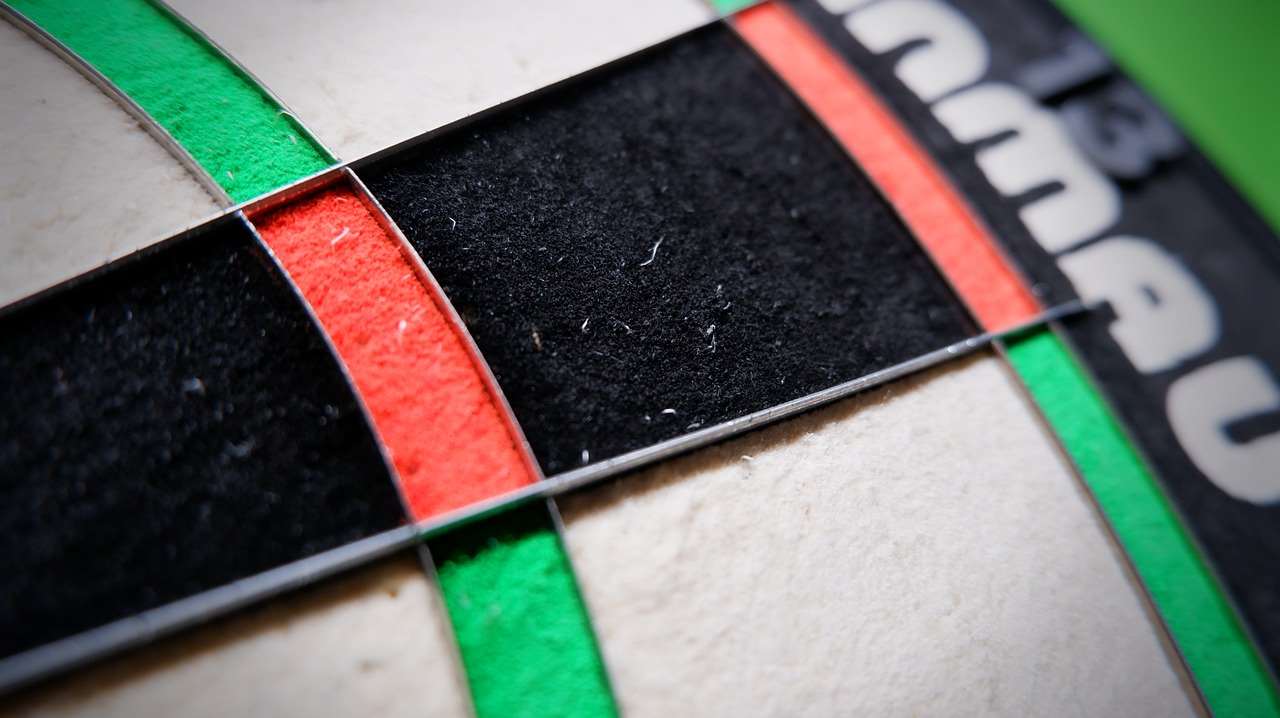
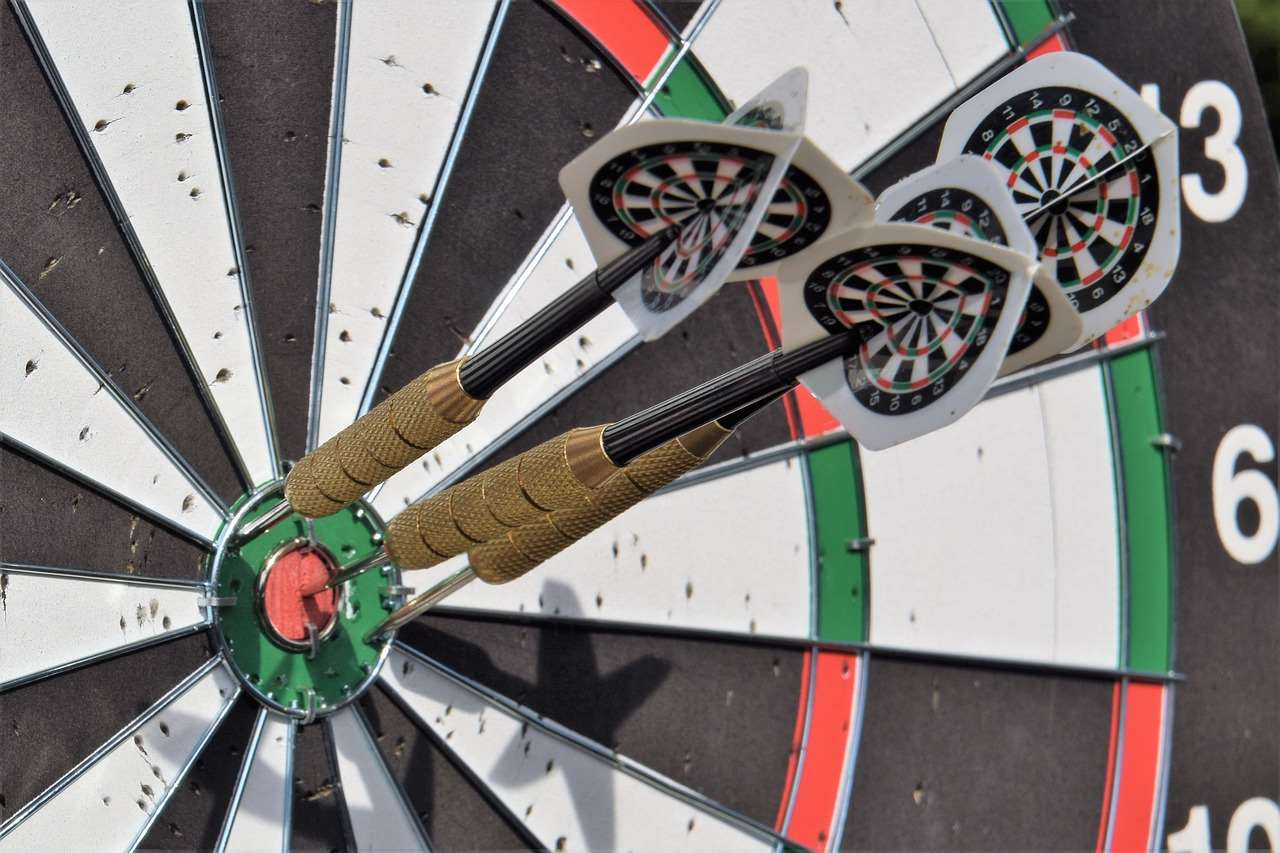
Dart points are often overlooked but play a vital role in how the dart sticks in the dartboard. Textured points offer better grip, reducing bounce-outs. The length of the point also affects the dart’s balance and stability. Longer points tend to make the dart more front-weighted, while shorter points provide a more balanced feel. Recessed points also help minimize deflections.
The Importance of Trial and Error
Ultimately, how pro players choose their darts involves extensive trial and error. They experiment with different weights, materials, shapes, and setups until they find the perfect combination that suits their individual throwing style. Many professionals work closely with dart manufacturers to create custom darts that meet their specific requirements. It’s not just about the dart, but also having the right setup, including having the best dartboard lighting systems.
Trying Before Buying
If possible, try out different darts before making a purchase. Many dart shops and pubs offer demo darts that players can test. This allows players to get a feel for different weights, shapes, and grip styles. Pay attention to how the dart feels in the hand, how it releases, and how consistently it flies. Consider also the placement and quality of your cabinet lighting for dartboards when assessing the effectiveness of different dart setups.
Adjusting and Fine-Tuning
Even after purchasing a set of darts, players should be prepared to make adjustments. Experiment with different shaft lengths, flight shapes, and point types to fine-tune the dart’s performance. Small changes can make a significant difference in accuracy and consistency. Remember to also consider halogen dartboard lighting explained which can impact the visual clarity of your setup and hence your choices.
Mental Game and Confidence
While the physical attributes of a dart are important, the mental aspect of the game cannot be ignored. Feeling confident with a particular set of darts can significantly improve performance. If a player believes in their darts, they are more likely to throw with conviction and accuracy. Remember that a good mental game can help overcome challenges like needing to how to light your dartboard in a consistent and reliable manner.
Conclusion: Your Perfect Dart Awaits
How pro players choose their darts isn’t an exact science; it’s an art form honed through experience and meticulous attention to detail. By understanding the key factors discussed—weight, material, shape, grip, and setup—and by embracing a process of experimentation, players of all levels can discover the darts that best complement their individual styles and unlock their full potential. Don’t be afraid to try new things and constantly refine your setup. Remember to consider all factors that affect visibility, from dartboard placement and ring light dartboard pros cons to dart choice. Start experimenting today to find your perfect dart!
Ready to take your dart game to the next level? Check out our guide on Choose Best Dart Equipment and start your journey towards darting excellence!

Hi, I’m Dieter, and I created Dartcounter (Dartcounterapp.com). My motivation wasn’t being a darts expert – quite the opposite! When I first started playing, I loved the game but found keeping accurate scores and tracking stats difficult and distracting.
I figured I couldn’t be the only one struggling with this. So, I decided to build a solution: an easy-to-use application that everyone, no matter their experience level, could use to manage scoring effortlessly.
My goal for Dartcounter was simple: let the app handle the numbers – the scoring, the averages, the stats, even checkout suggestions – so players could focus purely on their throw and enjoying the game. It began as a way to solve my own beginner’s problem, and I’m thrilled it has grown into a helpful tool for the wider darts community.