Proper illumination is critical for consistent dart throwing, as it directly impacts your vision, depth perception, and overall accuracy in a 501 darts game. In this comprehensive guide, we’ll explore how lighting affects your 501 darts game, covering optimal lighting setups, different types of lighting, and practical tips for improving your dartboard visibility.
⚠️ Still Using Pen & Paper (or a Chalkboard)?! ⚠️
Step into the future! The Dart Counter App handles all the scoring, suggests checkouts, and tracks your stats automatically. It's easier than you think!
Try the Smart Dart Counter App FREE!Ready for an upgrade? Click above!
Understanding How Lighting Affects Your 501 Darts Game
The way light interacts with your dartboard can make or break your game. Glare, shadows, and inconsistent brightness can all significantly impede your ability to accurately target the board. Optimal dartboard lighting eliminates these distractions, allowing you to focus solely on your throw.
Let’s delve into the specifics:
- Visibility: Adequate lighting ensures you can clearly see the entire dartboard, including the numbers, wires, and specific segments you’re aiming for.
- Shadows: Poor lighting can create distracting shadows, making it difficult to judge distances and angles accurately.
- Glare: Excessive glare can strain your eyes, leading to fatigue and reduced concentration.
- Depth Perception: Inadequate or uneven lighting can distort your perception of depth, making it harder to gauge the correct distance to the board.
These factors cumulatively impact your performance, making proper lighting an essential component of any serious dart player’s setup. Consider how even adapting darts rules for small spaces won’t help if you can’t see the board clearly.
Essential Elements of Dartboard Lighting
Creating the perfect lighting environment for your dartboard involves several key components. Let’s explore them in detail.
Types of Lighting Fixtures
Choosing the right type of lighting fixture is crucial for achieving optimal illumination. Here are some popular options:
- Dartboard Surround Lights: These are typically LED rings that mount directly onto the dartboard surround, providing even illumination across the entire board.
- Overhead Lights: A single overhead light fixture can be effective, but it’s essential to ensure it provides sufficient brightness and is positioned to minimize shadows.
- Side Lights: Two or more lights positioned on either side of the dartboard can create a balanced and well-lit playing area.
- Clip-On Lights: These are a versatile option for adding focused light to specific areas of the dartboard.
Light Bulbs and Color Temperature
The type of light bulb you use can also significantly impact your dartboard visibility. Consider these factors:
- LED Bulbs: LEDs are energy-efficient, long-lasting, and provide a bright, consistent light. They are an excellent choice for dartboard lighting.
- Halogen Bulbs: Halogen bulbs produce a bright, white light, but they can generate significant heat and are less energy-efficient than LEDs.
- Color Temperature: Choose a color temperature between 4000K and 5000K for optimal visibility. This range provides a neutral white light that is easy on the eyes.
Brightness and Lumens
Brightness is measured in lumens, which indicates the total amount of visible light emitted by a light source. For dartboard lighting, aim for at least 1000 lumens to ensure adequate visibility. You may need to adjust the brightness depending on the size of your room and the color of your walls.
Remember, consistent lighting is paramount. Even basic darts fundamentals for beginners are harder to grasp when struggling to see the board.
Setting Up Your Dartboard Lighting
Proper installation is just as important as choosing the right lighting fixtures and bulbs. Here’s a step-by-step guide to setting up your dartboard lighting.
Step 1: Determine the Optimal Placement
The first step is to determine the best location for your dartboard lighting. Consider these factors:
- Height: Ensure the light source is positioned at a height that provides even illumination across the entire dartboard. For overhead lights, this is typically around 7-8 feet above the floor.
- Distance: Position side lights approximately 3-4 feet away from the dartboard on either side.
- Angle: Adjust the angle of the lights to minimize shadows and glare.
Step 2: Install the Lighting Fixtures
Follow the manufacturer’s instructions for installing your chosen lighting fixtures. If you’re using overhead lights, make sure they are securely mounted to the ceiling. For side lights, use sturdy stands or wall mounts.
Step 3: Adjust the Lighting
Once the lighting fixtures are installed, take some time to adjust the lighting to achieve optimal visibility. Experiment with different angles and brightness levels until you find the perfect balance. Pay close attention to shadows and glare, and make adjustments as needed. Consider modifying rules for mixed-level dart players, but lighting is crucial first!
Step 4: Test Your Setup
The final step is to test your setup by throwing a few darts. Pay attention to how the lighting affects your vision and depth perception. Make any final adjustments as needed. The goal is to create a comfortable and consistent lighting environment that allows you to focus on your game. You can even explore fun dart game variations with modified rules once you’ve got the lighting right!
Troubleshooting Common Lighting Issues
Even with the best equipment and careful installation, you may still encounter some common lighting issues. Here are some tips for troubleshooting these problems.
Glare
Glare can be a major distraction when playing darts. To reduce glare:
- Adjust the angle of the lights: Angle the lights slightly away from your eyes to minimize direct glare.
- Use dimmer switches: Install dimmer switches to control the brightness of your lights.
- Consider diffused lighting: Use lighting fixtures with diffusers to soften the light and reduce glare.
Shadows
Shadows can distort your perception of depth and make it difficult to target the board accurately. To minimize shadows:
- Use multiple light sources: Using multiple lights from different angles will help to fill in shadows.
- Position lights strategically: Experiment with different light positions to find the optimal arrangement.
- Increase brightness: Increasing the brightness of your lights can help to reduce the intensity of shadows.
Inconsistent Brightness
Inconsistent brightness can be distracting and make it difficult to focus on the board. To ensure consistent brightness:
- Use high-quality light bulbs: Invest in high-quality light bulbs that provide a consistent and reliable light output.
- Check for loose connections: Ensure all electrical connections are secure to prevent flickering or dimming.
- Replace bulbs regularly: Replace light bulbs regularly to maintain consistent brightness over time.
The Psychology of Lighting in Darts
Beyond the technical aspects, lighting also plays a role in the psychology of your game. The right lighting can create a more focused and relaxed environment, improving your concentration and reducing stress. Here’s how:
- Mood Enhancement: A well-lit dartboard creates a more inviting and enjoyable playing environment.
- Improved Focus: Consistent and adequate lighting minimizes distractions, allowing you to focus solely on your throw.
- Reduced Eye Strain: Proper lighting reduces eye strain, preventing fatigue and improving your overall endurance during longer games.
By paying attention to both the technical and psychological aspects of lighting, you can create a dartboard setup that enhances your performance and enjoyment of the game. Even if you’re considering alternative darts rules for home play, proper lighting should be a priority.
Choosing the Right Lighting System for Your Budget
Dartboard lighting systems range in price from budget-friendly options to high-end setups. It’s important to consider your budget when making a decision. Here’s a breakdown of different options based on price point:
- Budget-Friendly Options: Clip-on lights or a single overhead light with an LED bulb can be a cost-effective solution.
- Mid-Range Options: Dartboard surround lights offer excellent illumination and are typically priced in the mid-range.
- High-End Options: Premium lighting systems may include adjustable brightness, color temperature settings, and smart home integration.
Remember to balance cost with performance when choosing your lighting system. Investing in a quality lighting setup can significantly improve your game and is often worth the extra expense in the long run. You might even think about **how to make darts fairer with handicap rules** once you get the lighting sorted!
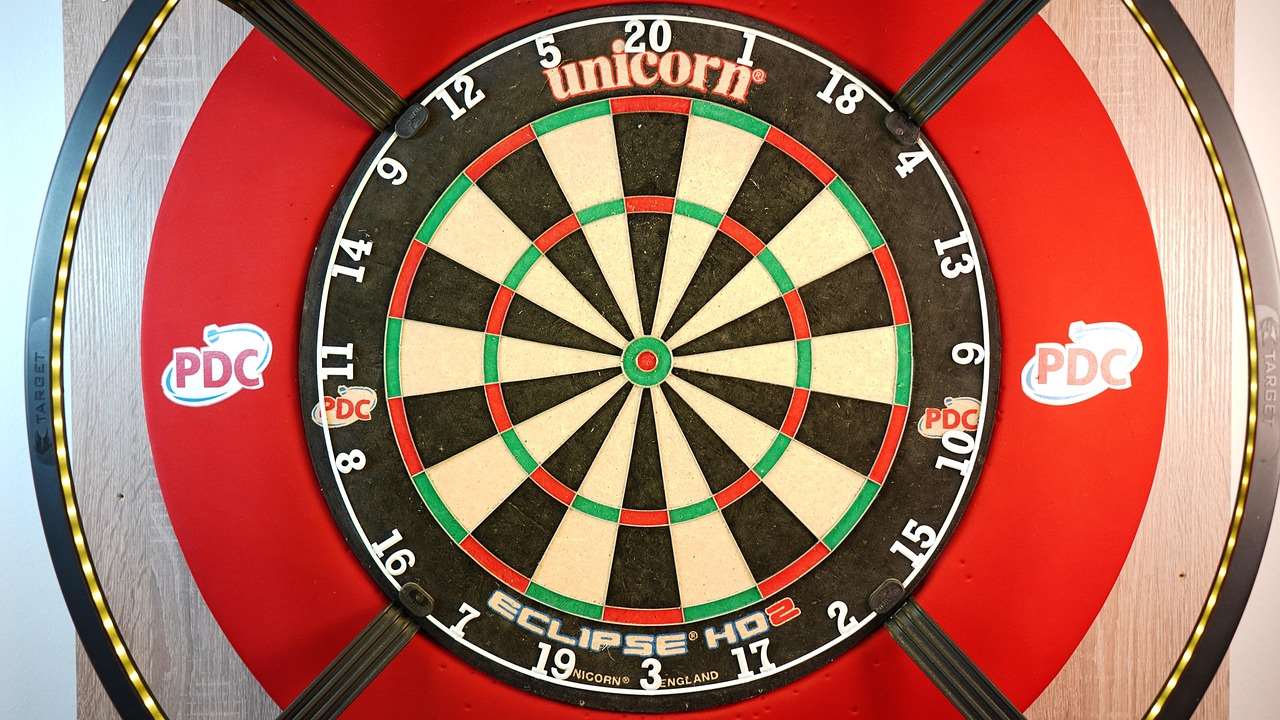
Conclusion: Elevating Your Game with Proper Dartboard Lighting
In conclusion, understanding how lighting affects your 501 darts game is paramount for improving your accuracy, consistency, and overall enjoyment of the sport. By investing in the right lighting setup and paying attention to factors such as brightness, color temperature, and shadow reduction, you can create a playing environment that optimizes your performance. Implement these strategies to transform your game and start hitting those bullseyes with greater confidence. Ready to take your game to the next level? Upgrade your lighting setup today and experience the difference!

Hi, I’m Dieter, and I created Dartcounter (Dartcounterapp.com). My motivation wasn’t being a darts expert – quite the opposite! When I first started playing, I loved the game but found keeping accurate scores and tracking stats difficult and distracting.
I figured I couldn’t be the only one struggling with this. So, I decided to build a solution: an easy-to-use application that everyone, no matter their experience level, could use to manage scoring effortlessly.
My goal for Dartcounter was simple: let the app handle the numbers – the scoring, the averages, the stats, even checkout suggestions – so players could focus purely on their throw and enjoying the game. It began as a way to solve my own beginner’s problem, and I’m thrilled it has grown into a helpful tool for the wider darts community.