How light affects your dart game is profound: inadequate or poorly positioned lighting creates shadows, glare, and visual distortion that hinder accuracy. This article will explore the various ways lighting impacts your performance and provide solutions for achieving optimal illumination on your dartboard.
⚠️ Still Using Pen & Paper (or a Chalkboard)?! ⚠️
Step into the future! The Dart Counter App handles all the scoring, suggests checkouts, and tracks your stats automatically. It's easier than you think!
Try the Smart Dart Counter App FREE!Ready for an upgrade? Click above!
Understanding How Light Affects Your Dart Game: A Comprehensive Guide
Dart players often focus on technique, equipment, and practice. However, the impact of lighting is frequently overlooked. Suboptimal lighting can drastically reduce your scores, no matter how skilled you are. Proper illumination, on the other hand, enhances visibility, reduces eye strain, and promotes accuracy.
Consider the physics involved. Your eyes need sufficient light to clearly perceive the dartboard and your darts. Shadows distort depth perception, making it difficult to judge distances accurately. Glare can cause eye fatigue, leading to inconsistent throws. By addressing these issues, you can significantly improve your game.
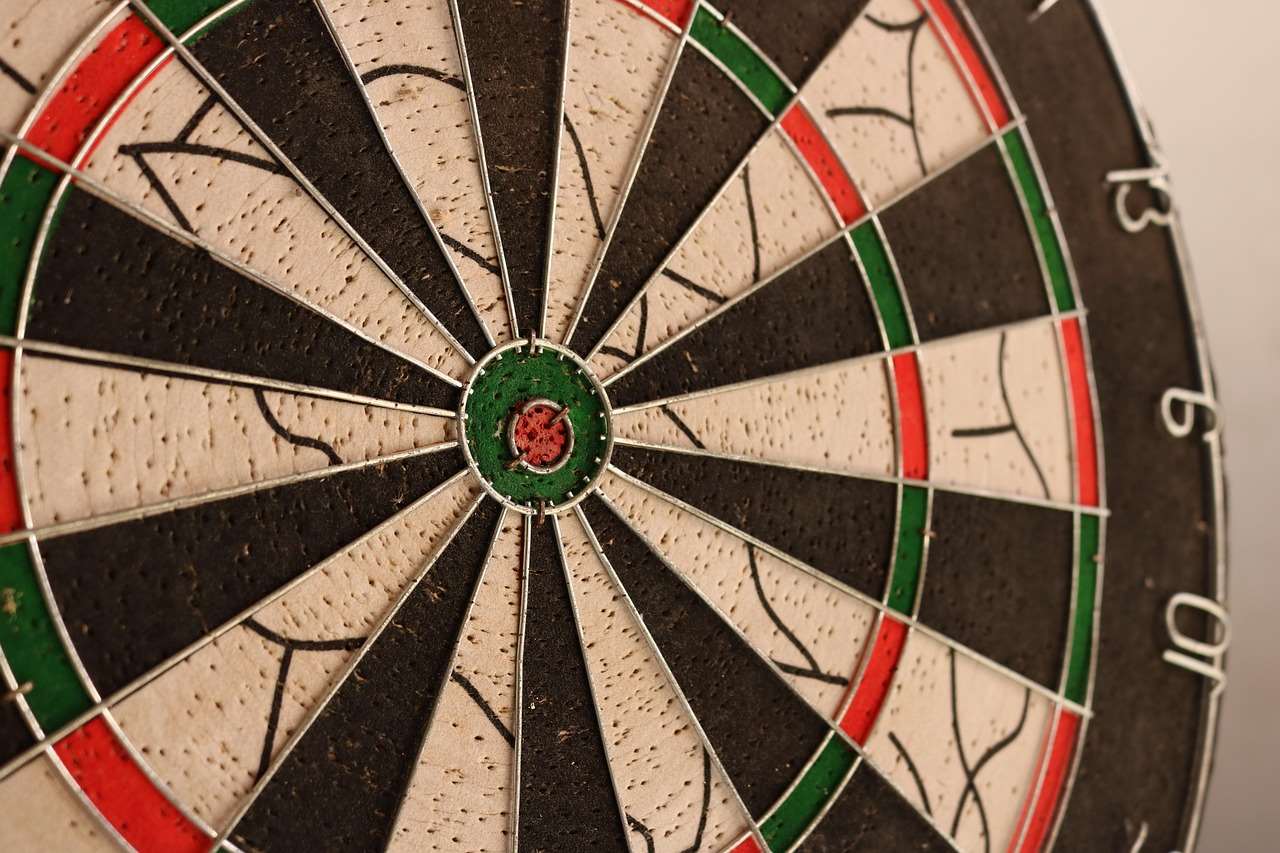
The Impact of Shadows on Dartboard Accuracy
Shadows are the arch-nemesis of any dart player. They can obscure the target, making it difficult to aim precisely. Even subtle shadows can throw off your perception of depth and distance.
Types of Shadows and Their Effects
- Harsh Shadows: Created by a single, direct light source. They produce dark, well-defined edges that can completely hide parts of the dartboard.
- Soft Shadows: Result from diffused light or multiple light sources. While less severe, they can still blur the edges of the target and create visual ambiguity.
- Moving Shadows: Shadows that shift as you move or as ambient light changes. These are especially distracting and make it nearly impossible to maintain consistent aim.
To combat shadows, you need to use multiple light sources or diffused lighting that will even out the illumination across the dartboard. Understanding how to reduce dartboard shadows effectively is critical.
Glare: A Major Distraction in Dart Games
Glare occurs when excessive light reflects off a surface, causing discomfort and impairing vision. In the context of dart games, glare can bounce off the dartboard, the darts themselves, or even surrounding walls, making it difficult to focus. Glare can be significantly reduced by using the right lighting equipment.
Sources of Glare and How to Minimize Them
- Direct Sunlight: Position your dartboard away from direct sunlight. Use blinds or curtains to control incoming light.
- Shiny Surfaces: Avoid having highly reflective surfaces near the dartboard. Consider using matte finishes on walls and furniture.
- Improper Light Fixtures: Ensure your light fixtures are properly shielded and don’t emit excessive light directly into your eyes.
Choosing the best dart equipment, including the correct lighting, makes all the difference. Anti-glare bulbs or diffusers can help to mitigate this issue.
Color Temperature and Its Influence on Performance
Color temperature, measured in Kelvin (K), refers to the color of light emitted by a light source. Different color temperatures can affect mood, focus, and visual acuity.
Choosing the Right Color Temperature
- Warm White (2700K – 3000K): Creates a cozy and relaxing atmosphere. Suitable for casual games but may not be ideal for serious competition.
- Neutral White (3500K – 4500K): Provides a balanced and natural light. A good choice for general dart playing.
- Cool White (5000K – 6500K): Offers bright and crisp illumination. Can enhance focus and concentration, making it suitable for competitive play.
Experiment to find the color temperature that works best for you. Some players prefer the alertness provided by cool white light, while others find neutral white more comfortable for extended play. Using LED dartboard lights benefits include adjustable color temperatures.
Optimal Dartboard Lighting Positioning: A Practical Guide
The position of your light source(s) is just as important as the type of light you use. Improper positioning can create shadows, glare, and uneven illumination.
Recommended Lighting Positions
- Above the Dartboard: A single light source positioned directly above the dartboard can create harsh shadows. Avoid this configuration if possible.
- Side Lighting: Two light sources positioned on either side of the dartboard, slightly angled inward, provide more balanced illumination and reduce shadows.
- Ring Lighting: A circular light fixture that surrounds the dartboard. This provides even, shadow-free illumination and is a popular choice for professional players. Understanding ring light dartboard pros cons are important before making a purchasing decision.
Ensure that the light sources are positioned at a height that minimizes glare and provides adequate illumination across the entire dartboard. Explore different types optimal dartboard lighting options before making a final choice.
The Importance of Light Intensity (Lumens)
Light intensity, measured in lumens, refers to the amount of light emitted by a light source. Insufficient light intensity can make it difficult to see the dartboard clearly, while excessive intensity can cause glare and eye strain.
Determining the Right Light Intensity
- Consider the Room Size: A larger room will require more lumens to achieve adequate illumination.
- Factor in Ambient Light: If the room has a lot of natural light, you may need less artificial light.
- Experiment with Different Brightness Levels: Start with a moderate level of brightness and adjust as needed.
As a general guideline, aim for at least 800-1000 lumens for dartboard lighting. Dimmable light fixtures allow you to adjust the brightness to suit your preferences.
Specific Lighting Solutions for Dartboards
Several specialized lighting solutions are available for dartboards, each with its own advantages and disadvantages.
Common Lighting Options
- Dartboard Surrounds with Integrated Lighting: These surrounds typically feature built-in LED lights that provide even illumination around the dartboard.
- Clip-On Lights: Versatile and easy to install, clip-on lights can be attached to the dartboard cabinet or surrounding walls.
- Dedicated Dartboard Lighting Systems: These systems are specifically designed for dartboard illumination and often include adjustable brightness and color temperature settings.
Consider your budget, space constraints, and personal preferences when choosing a lighting solution. Best dartboard lighting systems offer good value for the money.
Color Rendering Index (CRI) and Dartboard Visibility
The Color Rendering Index (CRI) measures how accurately a light source renders colors compared to natural sunlight. A higher CRI indicates more accurate color rendering.
Why CRI Matters for Dart Games
Accurate color rendering is essential for distinguishing between different sections of the dartboard, especially the red bullseye and the surrounding colored rings. A low CRI can make it difficult to differentiate between colors, leading to misaimed throws.
Choose light sources with a CRI of 80 or higher for optimal color rendering. LED bulbs typically have a higher CRI than incandescent bulbs.
Troubleshooting Common Dartboard Lighting Problems
Even with the best lighting setup, you may encounter occasional problems. Here are some common issues and how to resolve them.
Problem-Solving Tips
- Flickering Lights: Replace the bulb or check the wiring. Flickering lights can be distracting and cause eye strain.
- Uneven Illumination: Adjust the position of the light sources or add additional lights to even out the illumination.
- Excessive Glare: Use anti-glare bulbs or diffusers, and adjust the angle of the light sources to minimize reflections.
Regular maintenance and adjustments can help to ensure that your dartboard lighting remains optimal. Learning Halogen dartboard lighting explained can save you a lot of time and money.
Conclusion: Optimizing Your Dart Game Through Proper Lighting
As you can see, how light affects your dart game is a critical factor that should not be overlooked. By understanding the principles of lighting and implementing the right solutions, you can dramatically improve your accuracy, reduce eye strain, and enhance your overall playing experience. Invest in proper lighting and elevate your game to the next level. Are you ready to transform your game? Consider exploring options for cabinet lighting for dartboards and other lighting solutions to find the perfect fit for your needs and dart-playing space.

Hi, I’m Dieter, and I created Dartcounter (Dartcounterapp.com). My motivation wasn’t being a darts expert – quite the opposite! When I first started playing, I loved the game but found keeping accurate scores and tracking stats difficult and distracting.
I figured I couldn’t be the only one struggling with this. So, I decided to build a solution: an easy-to-use application that everyone, no matter their experience level, could use to manage scoring effortlessly.
My goal for Dartcounter was simple: let the app handle the numbers – the scoring, the averages, the stats, even checkout suggestions – so players could focus purely on their throw and enjoying the game. It began as a way to solve my own beginner’s problem, and I’m thrilled it has grown into a helpful tool for the wider darts community.