The history of darts on TV reveals a fascinating evolution from niche pub game to a globally televised sporting phenomenon. This article explores that transformation, covering the key figures, groundbreaking broadcasts, and pivotal moments that shaped televised darts. You’ll discover how shrewd marketing, charismatic players, and innovative production techniques propelled darts into the mainstream.
⚠️ Still Using Pen & Paper (or a Chalkboard)?! ⚠️
Step into the future! The Dart Counter App handles all the scoring, suggests checkouts, and tracks your stats automatically. It's easier than you think!
Try the Smart Dart Counter App FREE!Ready for an upgrade? Click above!
The Humble Beginnings: Early Televised Darts
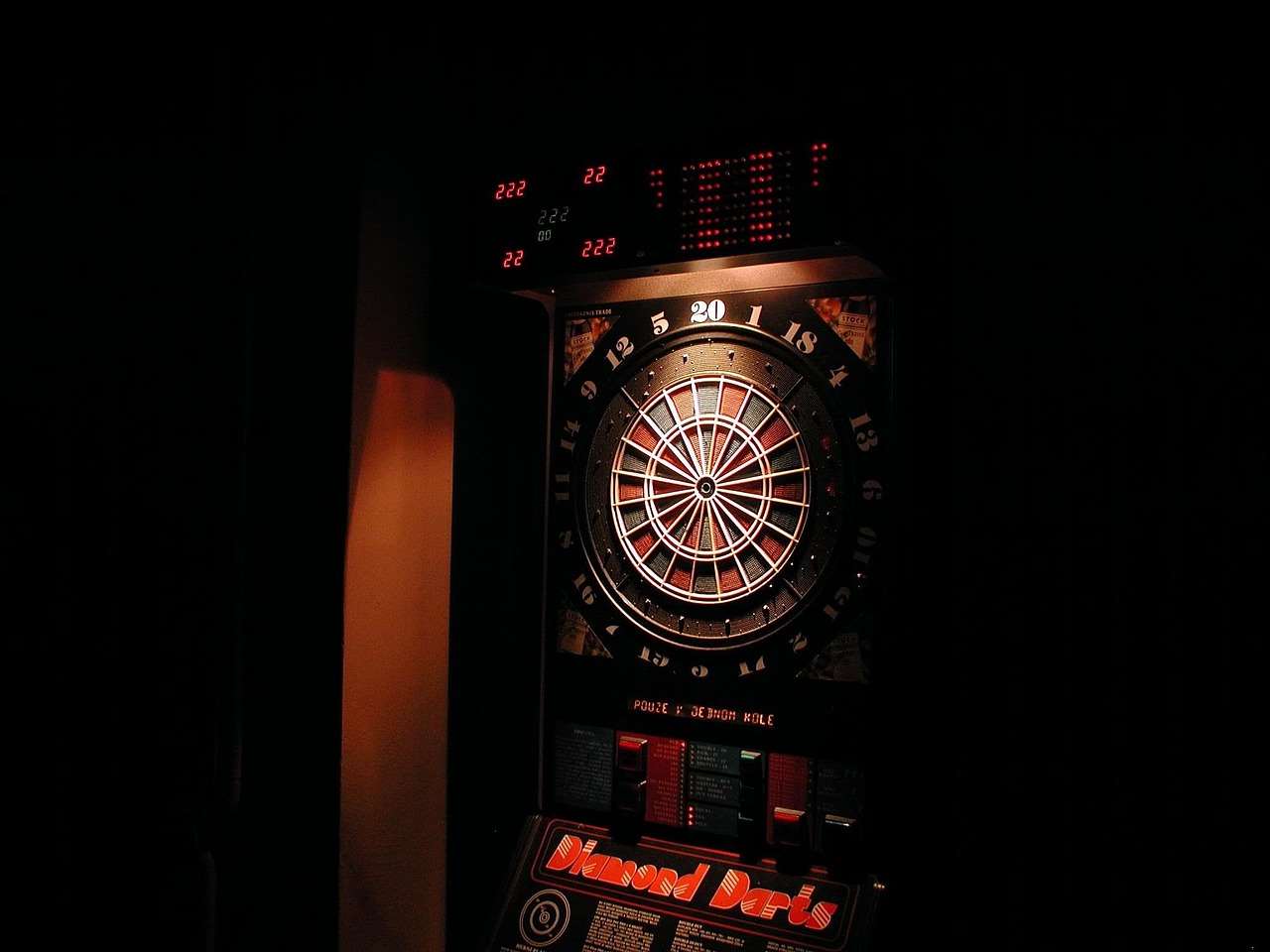
Before the roaring crowds and dazzling light shows, televised darts had rather modest beginnings. The earliest documented instances were often regional broadcasts, capturing the spirit of local competitions and pub leagues. These weren’t the high-stakes tournaments we know today; instead, they offered a glimpse into the social fabric of the game. The coverage was typically straightforward, often featuring a single camera and minimal commentary. The focus was on showcasing the skills of the players, and the atmosphere was relaxed and informal. These early broadcasts, although basic by modern standards, laid the foundation for the future growth and popularity of darts broadcasting. The Darts Culture And Community Guide highlights this rich history.
Early Pioneers: Broadcasters and Players
Several key figures emerged during this formative period. Broadcasters, recognizing the potential appeal of darts to a wider audience, began to experiment with different formats and presentation styles. Players like Tom Barrett and Alan Evans became household names, their personalities and rivalries adding drama and excitement to the televised product. These early stars weren’t just skilled dart players; they were also natural entertainers who understood how to connect with viewers. Their on-screen charisma played a crucial role in attracting a loyal following and establishing darts as a viable television sport.
The Emergence of Professional Darts and Increased TV Coverage
The 1970s and 80s witnessed a significant shift as professional darts began to take shape. The formation of organizations like the British Darts Organisation (BDO) provided a structured framework for tournaments and competitions. This professionalization coincided with increased television coverage, most notably on the BBC and ITV. The arrival of colour television further enhanced the viewing experience, making the game more visually appealing to a wider audience. This was a golden age for darts on TV, solidifying its place in the British sporting landscape. The World Professional Darts Championship, first held in 1978, became a flagship event, attracting huge viewing figures and cementing the legacy of players like Eric Bristow.
The “Golden Age” of Darts on TV: Bristow, Lowe, and Wilson
This era was dominated by iconic figures such as Eric Bristow, John Lowe, and Jocky Wilson. These players weren’t just masters of their craft; they were compelling personalities who captivated audiences. Their rivalries, triumphs, and occasional controversies generated significant media attention, further boosting the popularity of darts on TV. The combination of skill, showmanship, and compelling narratives made this a truly unforgettable period in the sport’s history. Their impact on the viewing figures and commercial success of darts during this time cannot be overstated.
The Split and the Rise of the PDC
In the early 1990s, a major schism occurred within the world of darts, leading to the formation of the Professional Darts Corporation (PDC). Frustrated by the BDO’s management and perceived lack of commercial opportunities, a group of leading players broke away to form their own organization. This split had a profound impact on the history of darts on TV, creating two distinct and competing professional circuits. Initially, the BDO retained the majority of television coverage, but the PDC, with its more dynamic and commercially focused approach, gradually gained ground. The decision to allow walk-on music and encourage greater player interaction with the crowd proved to be a masterstroke, attracting a new generation of fans and viewers. Promoting Local Darts also played a crucial role in increasing visibility.
The PDC’s Innovative Approach to Broadcasting
The PDC revolutionized darts broadcasting by adopting a more modern and entertainment-focused approach. They embraced innovations such as walk-on music, player interviews, and interactive features, making the viewing experience more engaging and exciting. They also forged partnerships with broadcasters like Sky Sports, which provided extensive coverage of PDC tournaments and helped to raise the profile of the sport. This willingness to experiment and adapt proved to be a key factor in the PDC’s success. Their focus on entertainment, combined with the exceptional skill of the players, helped to attract a new audience and establish the PDC as the leading force in professional darts.
The Phil Taylor Era: A Dominant Force on Television
The rise of Phil “The Power” Taylor coincided with the PDC’s growing dominance in the world of darts. Taylor’s unparalleled skill and unwavering determination made him a formidable force on the oche, and his matches consistently drew huge television audiences. He became a household name, transcending the sport and achieving mainstream recognition. Taylor’s rivalry with other top players, such as Raymond van Barneveld, further amplified the excitement and drama of darts on TV. His incredible run of success, coupled with his compelling personality, helped to solidify the PDC’s position as the premier darts organization.
The Taylor vs. Van Barneveld Rivalry: TV Gold
The rivalry between Phil Taylor and Raymond van Barneveld was arguably the most significant and captivating in the history of darts on TV. Their matches were epic encounters, filled with tension, drama, and moments of breathtaking skill. The contrasting personalities of the two players – Taylor the ruthless professional and Van Barneveld the charismatic Dutchman – added further intrigue to the rivalry. Their head-to-head battles consistently drew record-breaking television audiences, cementing their status as two of the greatest players of all time. This rivalry helped elevate darts broadcasting to new heights.
Darts on TV Today: Global Phenomenon
Today, darts on TV is a global phenomenon, broadcast in numerous countries and watched by millions of viewers worldwide. The PDC World Darts Championship is one of the most popular sporting events on television, attracting huge audiences and generating significant commercial revenue. The sport has evolved significantly since its humble beginnings, with advancements in broadcasting technology, increased prize money, and a growing number of professional players. The use of high-definition cameras, slow-motion replays, and sophisticated graphics has enhanced the viewing experience, making it more immersive and engaging for fans.
The Rise of New Stars and Continued Innovation
While Phil Taylor has retired, a new generation of stars has emerged, including Michael van Gerwen, Gerwyn Price, and Peter Wright. These players are pushing the boundaries of the sport, showcasing incredible skill and captivating audiences with their personalities. The PDC continues to innovate in its broadcasting approach, experimenting with new formats and technologies to enhance the viewing experience. The introduction of live streaming services and social media integration has further expanded the reach of darts on TV, allowing fans to engage with the sport in new and exciting ways. Building Local Darts League Club Guide helps fuel interest and growth.
Future of Darts Broadcasting
The future of darts broadcasting looks bright. With the continued growth of the sport and the ongoing advancements in technology, there are numerous opportunities to further enhance the viewing experience. Virtual reality, augmented reality, and interactive streaming platforms could all play a role in shaping the future of darts on TV. The PDC’s commitment to innovation and its ability to adapt to changing consumer preferences will be crucial in ensuring the continued success of darts broadcasting in the years to come. There’s potential for even more engaging and immersive fan experiences. Also, new avenues like mobile gaming and digital collectibles might offer new revenue streams for darts.

Embracing Technology and Engaging Fans
The key to the future of darts on TV lies in embracing technology and engaging fans in new and innovative ways. By leveraging virtual reality, augmented reality, and interactive streaming platforms, broadcasters can create more immersive and personalized viewing experiences. Social media integration can further enhance fan engagement, allowing viewers to interact with players, share their opinions, and participate in online competitions. The PDC’s ability to adapt to changing consumer preferences and its commitment to innovation will be crucial in ensuring the continued success of darts broadcasting in the years to come. As viewership continues to grow, so does the potential for continued growth.
In conclusion, the history of darts on TV is a testament to the sport’s enduring appeal and its ability to adapt to changing times. From its humble beginnings in regional broadcasts to its current status as a global phenomenon, darts has consistently captivated audiences with its combination of skill, drama, and compelling personalities. The PDC’s innovative approach to broadcasting and its commitment to engaging fans have been crucial in driving the sport’s success. To start your darts journey, consider Setting Up A Darts Club, or even How To Start A Darts League. Now is the perfect time to immerse yourself in the world of darts!

Hi, I’m Dieter, and I created Dartcounter (Dartcounterapp.com). My motivation wasn’t being a darts expert – quite the opposite! When I first started playing, I loved the game but found keeping accurate scores and tracking stats difficult and distracting.
I figured I couldn’t be the only one struggling with this. So, I decided to build a solution: an easy-to-use application that everyone, no matter their experience level, could use to manage scoring effortlessly.
My goal for Dartcounter was simple: let the app handle the numbers – the scoring, the averages, the stats, even checkout suggestions – so players could focus purely on their throw and enjoying the game. It began as a way to solve my own beginner’s problem, and I’m thrilled it has grown into a helpful tool for the wider darts community.