The history of dartboard dimensions and standardization is surprisingly complex, moving from regional variations to the established measurements we know today; ultimately, standardization ensures fair competition and consistent gameplay across the globe. This article explores the evolution of dartboard sizes, materials, and the journey toward a unified standard.
⚠️ Still Using Pen & Paper (or a Chalkboard)?! ⚠️
Step into the future! The Dart Counter App handles all the scoring, suggests checkouts, and tracks your stats automatically. It's easier than you think!
Try the Smart Dart Counter App FREE!Ready for an upgrade? Click above!
The Early Days of Darts: Before Standardization
Before any formal standardization efforts, the game of darts evolved organically in pubs and social settings across England. This meant that the size and construction of early dartboards varied considerably. Pub owners would often create their own boards, using whatever materials were readily available. These early boards might have been made from solid wood, elm, or even packed clay.
One common type of early board was made from a section of a tree trunk. Over time, the end grain of elm became a popular choice because it could withstand repeated dart impacts. These “tree trunk” boards didn’t have the intricate wiring system we see today. Instead, they were divided into sections, often using chalk lines or simple markings.
Regional variations were rampant. The diameter of the board, the size and placement of the scoring segments, and even the method of scoring itself differed from one area to another. This lack of uniformity made it difficult for players from different regions to compete against each other.
The Yorkshire Dartboard: A Notable Exception
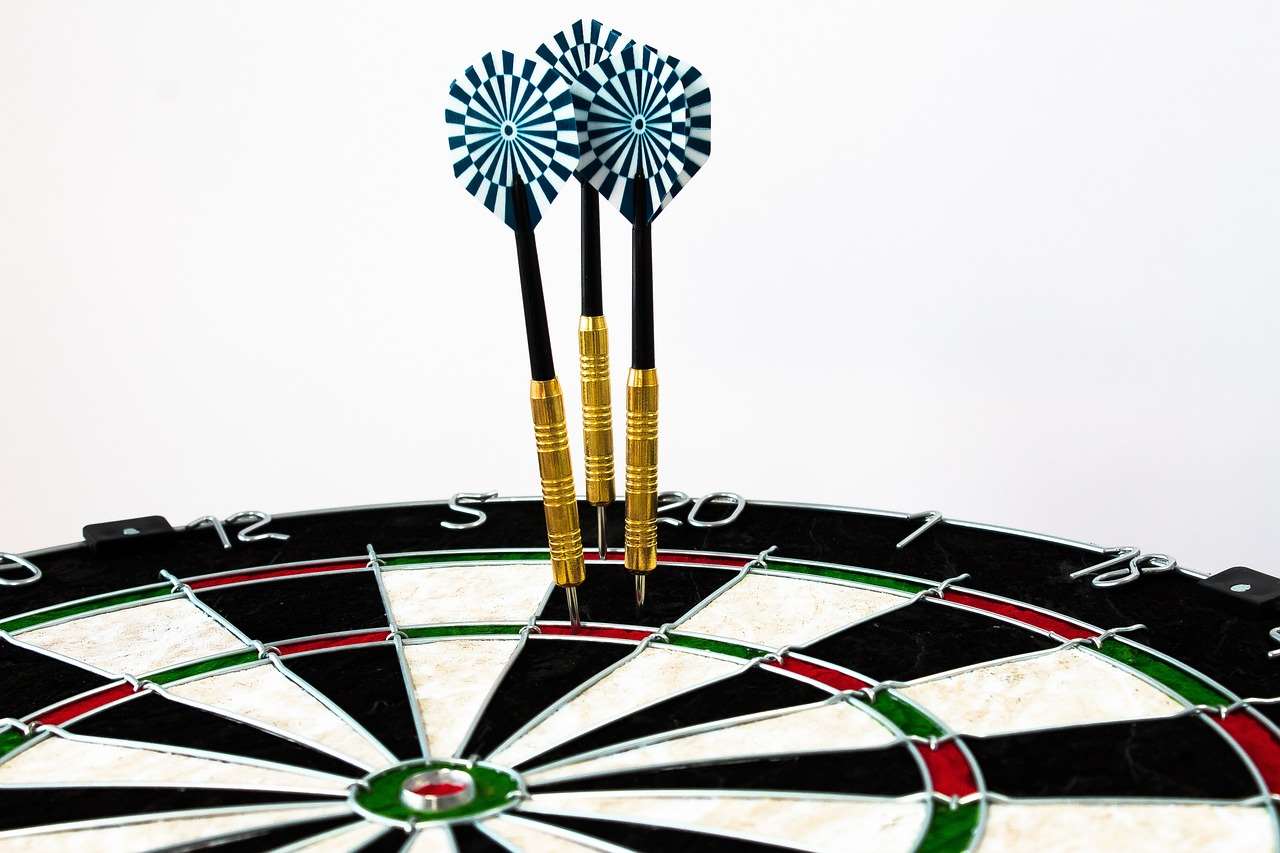
One prominent regional variation was the Yorkshire dartboard. This board was smaller than the standard board, typically measuring around 10 inches in diameter. The scoring system also differed, with the bullseye being worth 50 points, but the outer bull (the “outer bullseye,” or “25 ring”) only worth 2 points. Today, many alternative darts rules for home play exist.
While the Yorkshire dartboard is less common now, it serves as a reminder of the diversity that existed before standardization took hold. It also highlights the importance of having a universally accepted standard for fair competition.
The Gradual Path to Standardized Dartboard Dimensions
The drive toward standardized dartboard dimensions was a slow but inevitable process. As darts grew in popularity, the need for a consistent playing experience became increasingly apparent. However, achieving consensus on the ideal dimensions proved to be a challenge.
One of the key factors driving standardization was the rise of organized darts leagues and tournaments. As these competitions became more prevalent, the need for a level playing field became paramount. Players and organizers alike recognized that inconsistent dartboard dimensions could unfairly advantage certain competitors.
The National Darts Association (NDA) in the United States and the British Darts Organisation (BDO) in the United Kingdom played significant roles in the standardization process. These organizations began to establish rules and regulations for tournament play, including specifications for dartboard dimensions. While there were initial differences between the American and British standards, the eventual goal was to create a unified global standard.
Key Dimensions Under Scrutiny
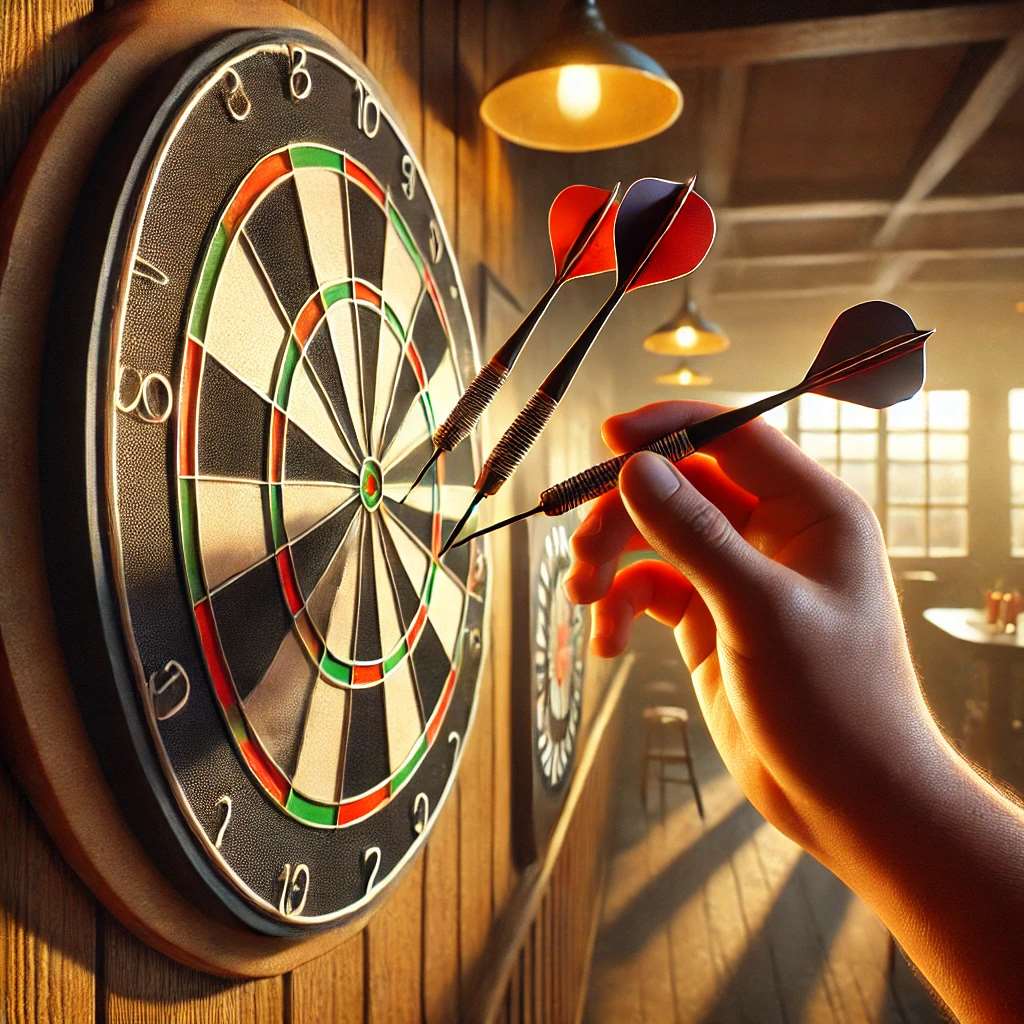
Several key dimensions were at the center of the standardization debate. These included:
- Overall diameter of the dartboard: This measurement determines the total size of the playing surface.
- Diameter of the bullseye: The bullseye is the most valuable target on the board, so its size and placement are critical.
- Width of the doubles and trebles rings: These rings offer bonus scores, and their width affects the difficulty of hitting them.
- Distance from the bullseye to the throwing line (oche): This distance determines the range at which players throw their darts.
Reaching agreement on these dimensions required careful consideration of factors such as player skill, board construction, and the overall balance of the game. The organizers also studied and recorded data points regarding Basic Darts Fundamentals for Beginners.
The Emergence of the Modern Dartboard: Standardization Achieved
The culmination of years of debate and experimentation resulted in the modern dartboard dimensions that are now recognized worldwide. The standard dartboard is typically made from sisal fibers tightly packed together, creating a durable and self-healing surface. This material is far more resilient than the wood or clay used in earlier boards.
The dimensions of a standard dartboard are as follows:
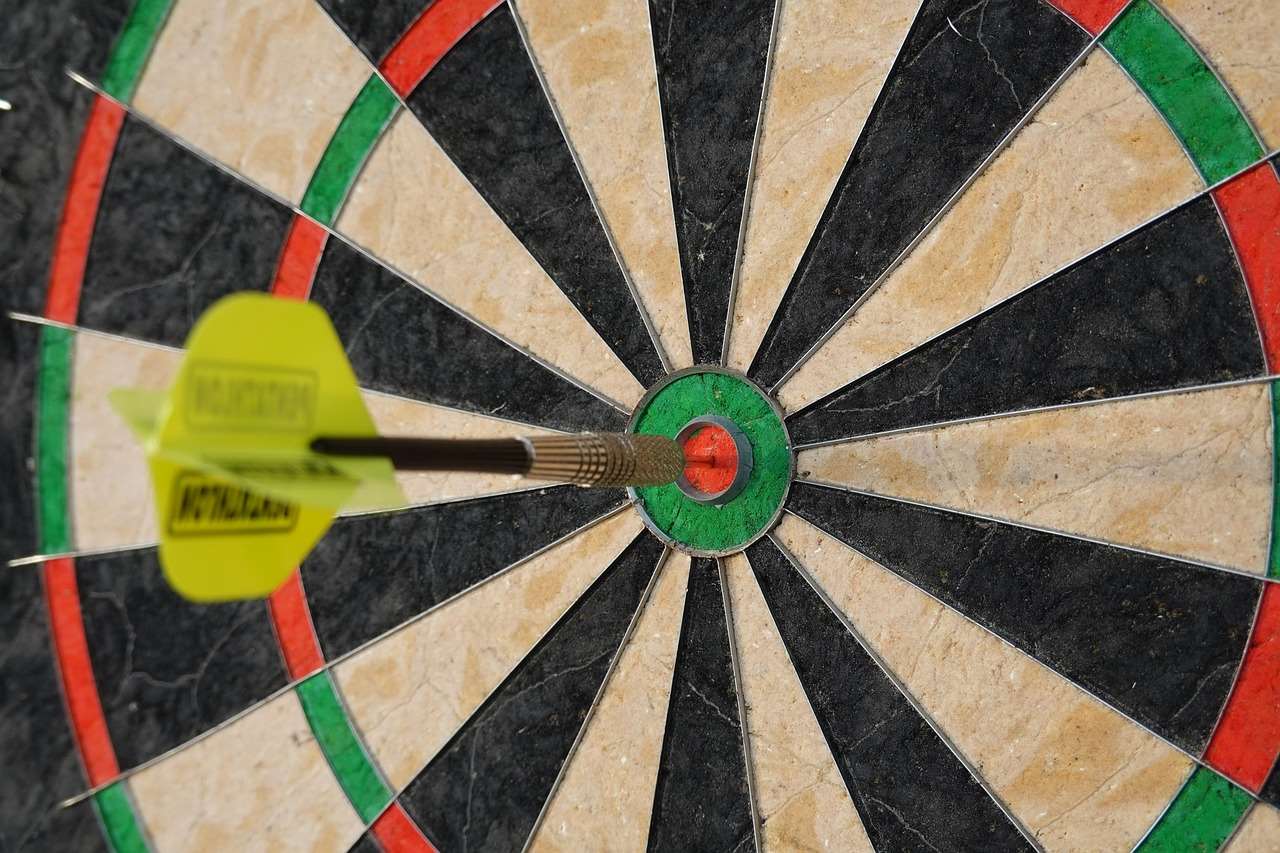
- Diameter: 17 3/4 inches (451 mm)
- Bullseye diameter: 12.7 mm (1/2 inch)
- Double and Treble ring width: 8 mm
- Distance from the bullseye to the oche: 7 feet 9 1/4 inches (2.37 meters) – this measurement can vary slightly depending on the specific rules being followed.
These dimensions are now widely accepted by major darts organizations, ensuring a consistent playing experience for players around the world. This is crucial for fair play, particularly in professional tournaments.
The Role of the British Darts Organisation (BDO) and the Professional Darts Corporation (PDC)
While both the BDO and the PDC adhered to the standard dartboard dimensions, their influence on the game’s popularity and professionalization cannot be overstated. The BDO, established in 1973, played a crucial role in promoting darts as a recognized sport. The PDC, formed in 1992, focused on elevating the professional level of the game, attracting larger audiences and higher prize money.
Both organizations have contributed to the widespread adoption of standardized dartboard dimensions by enforcing these standards in their respective tournaments. This has helped to solidify the standard as the definitive playing surface for serious darts enthusiasts.
Understanding these standards is particularly useful when adapting darts rules for small spaces: tips and tricks, helping maintain consistency even in unconventional setups.
Materials and Construction: Impact on Durability and Play
The materials used to construct a dartboard have a significant impact on its durability and playing characteristics. As mentioned earlier, early dartboards were often made from wood or clay. However, these materials were prone to damage and wear, requiring frequent replacement.
The introduction of sisal fiber revolutionized dartboard construction. Sisal is a natural fiber derived from the agave plant. When tightly compressed, sisal fibers create a dense and resilient surface that can withstand repeated dart impacts. The fibers also have a self-healing property, meaning that the holes created by darts tend to close up over time, extending the life of the board. One consideration is studying tips on how to make darts fairer with handicap rules to accommodate different skill levels that may affect wear and tear.
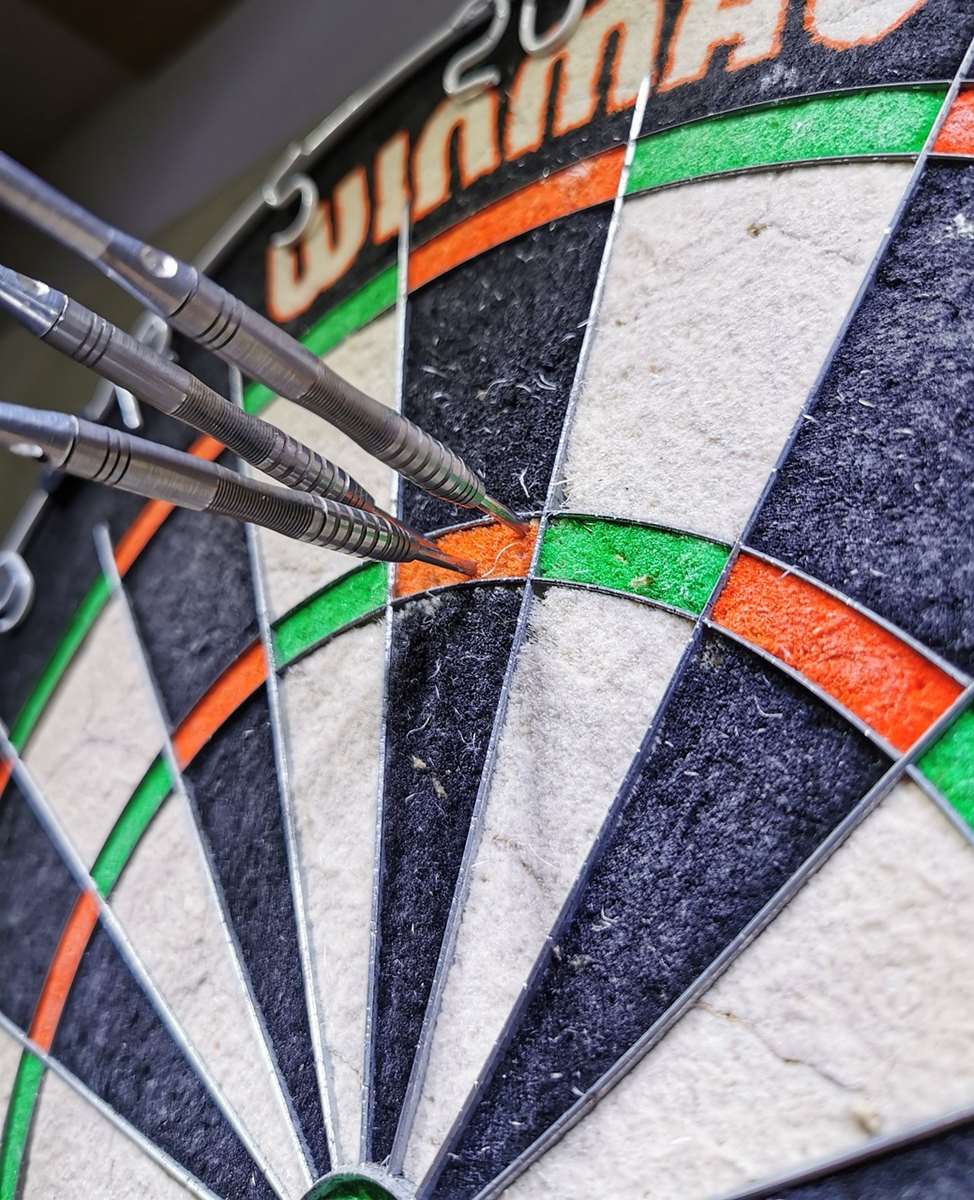
The wiring system on a dartboard is also an important factor. The wires define the scoring segments and prevent darts from bouncing out. Modern dartboards typically use thin, rounded wires to minimize bounce-outs and maximize scoring potential. Some high-end boards even feature blade wiring, which further reduces bounce-outs by minimizing the surface area of the wire.
Maintaining Your Dartboard for Optimal Performance
To ensure your dartboard lasts as long as possible and performs at its best, it’s important to follow a few simple maintenance tips:
- Rotate your dartboard regularly: This will distribute wear evenly across the surface of the board.
- Use a dartboard surround: A surround will protect your wall from stray darts and prevent damage to the surrounding area.
- Keep your darts sharp: Sharp darts penetrate the board more easily, reducing bounce-outs and minimizing damage to the sisal fibers.
- Avoid using excessive force when throwing: Throwing too hard can damage the board and shorten its lifespan.
The Future of Dartboard Standards
While the current dartboard dimensions are widely accepted, the game continues to evolve. There are ongoing discussions about potential refinements to the standards, such as the use of new materials or the implementation of electronic scoring systems.
One area of potential development is the use of electronic dartboards. These boards automatically score each dart and eliminate the need for manual scoring. Electronic dartboards are becoming increasingly popular, particularly for casual play and in commercial settings. However, there are concerns about whether electronic dartboards offer the same playing experience as traditional sisal boards.
Another area of potential innovation is the development of new materials that are even more durable and self-healing than sisal. Researchers are exploring the use of synthetic fibers and composite materials that could potentially extend the lifespan of dartboards and improve their playing characteristics.
The Importance of Continued Dialogue
Ultimately, the future of dartboard standards will depend on continued dialogue and collaboration between players, manufacturers, and governing bodies. By working together, these stakeholders can ensure that the game of darts remains fair, challenging, and enjoyable for generations to come.
Also, one must not overlook fun dart game variations with modified rules as a way to inject novelty into the sport.
Conclusion
The history of dartboard dimensions and standardization is a testament to the sport’s evolution from informal pub games to a globally recognized competition. From the haphazard sizes of early wooden boards to the precisely measured sisal boards of today, the journey towards standardization has been driven by a desire for fairness and consistency. The establishment of standardized dimensions by organizations like the BDO and PDC has ensured that players around the world compete on a level playing field. By understanding the history and rationale behind these standards, players can gain a deeper appreciation for the game of darts and its rich heritage. Explore different dartboard options today and improve your game!

Hi, I’m Dieter, and I created Dartcounter (Dartcounterapp.com). My motivation wasn’t being a darts expert – quite the opposite! When I first started playing, I loved the game but found keeping accurate scores and tracking stats difficult and distracting.
I figured I couldn’t be the only one struggling with this. So, I decided to build a solution: an easy-to-use application that everyone, no matter their experience level, could use to manage scoring effortlessly.
My goal for Dartcounter was simple: let the app handle the numbers – the scoring, the averages, the stats, even checkout suggestions – so players could focus purely on their throw and enjoying the game. It began as a way to solve my own beginner’s problem, and I’m thrilled it has grown into a helpful tool for the wider darts community.