The **history of 501 darts game** is rooted in the evolution of dart scoring itself, emerging as a standardized format to provide a challenging yet accessible contest of skill. In this comprehensive guide, we’ll delve into the origins of darts, the factors that led to the rise of 501, and its enduring popularity in pubs and professional tournaments worldwide. You’ll also learn about key milestones, influential figures, and the impact of 501 on the modern game.
⚠️ Still Using Pen & Paper (or a Chalkboard)?! ⚠️
Step into the future! The Dart Counter App handles all the scoring, suggests checkouts, and tracks your stats automatically. It's easier than you think!
Try the Smart Dart Counter App FREE!Ready for an upgrade? Click above!
Unraveling the Origins: A Glimpse into the **History of 501 Darts Game**
To truly understand the history of 501 darts game, we must first explore the genesis of darts itself. Darts, in its rudimentary form, likely began as a medieval pastime, potentially involving soldiers throwing sharpened objects, like short spears or arrows, at the bottom of upturned wine barrels or tree trunks. Over time, this evolved into a more defined game, with sections marked for scoring.
The exact origins of the dartboard’s layout remain debated, but several theories exist. One suggests that a carpenter named Brian Gamlin from Lancashire devised the standard numbering system we recognize today around 1896. His reasoning purportedly involved maximizing penalties for inaccuracy. Another theory attributes it to William “Billy” Fuld, although concrete evidence is scarce. Regardless of the precise inventor, the standardized dartboard became increasingly prevalent throughout England.
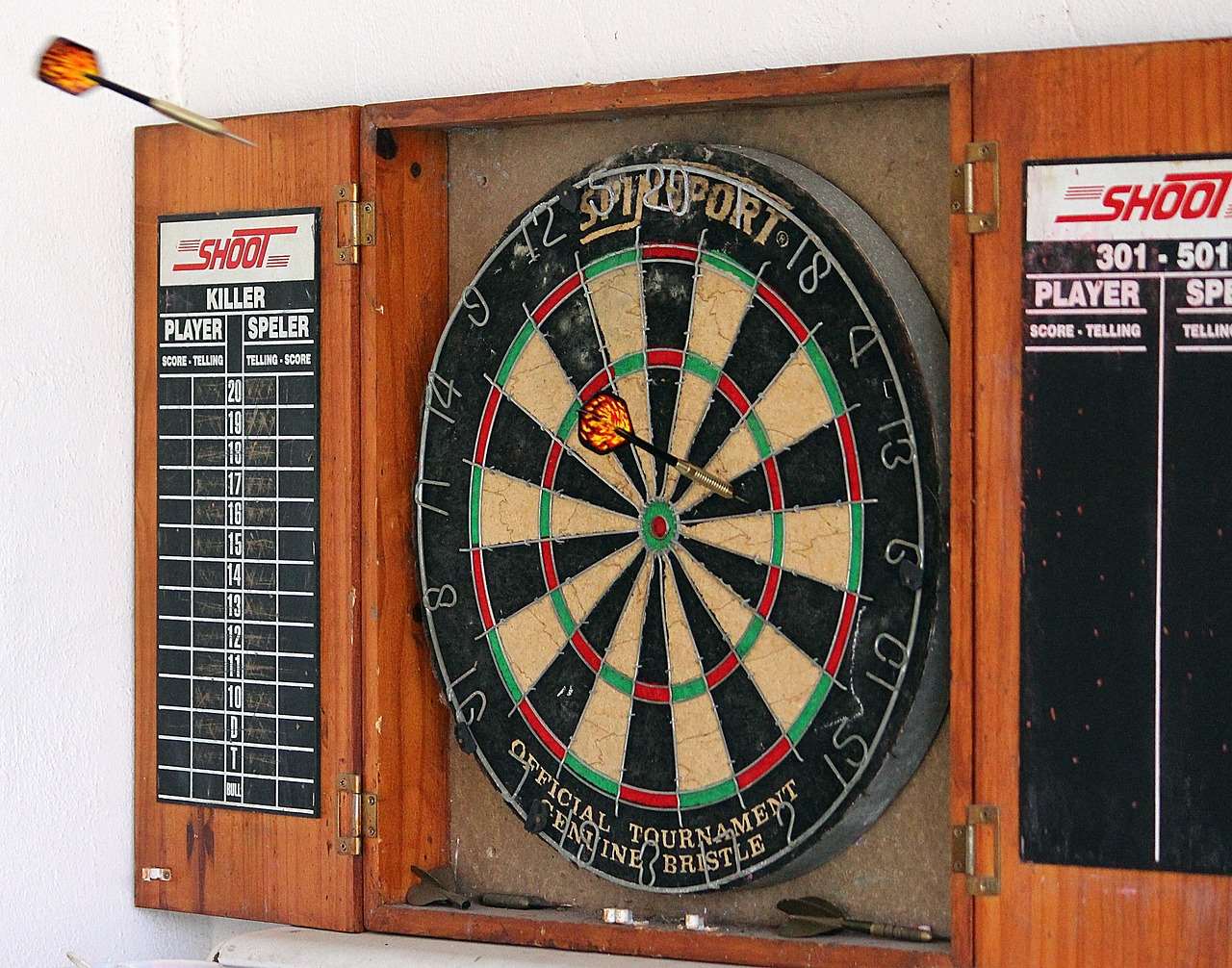
The evolution of scoring methods went hand-in-hand with the development of the dartboard. Initially, games were likely simpler, perhaps involving reaching a target score or hitting specific sections. As the game grew, so did the need for a more structured and challenging format. This demand laid the groundwork for the arrival of 501, which offered a balance of skill, strategy, and mental fortitude.
The Rise of 501: Standardizing the Game
The precise moment 501 became the dominant format is difficult to pinpoint, but it gained traction throughout the 20th century, particularly in pubs and working men’s clubs across the United Kingdom. Several factors contributed to its popularity. One key reason was its inherent fairness; starting with the same score allowed for a level playing field. The requirement to finish on a double added an extra layer of complexity, demanding precision and strategic thinking. This finish requirement is an important part of **Adapting darts rules for beginners** as it sets the basic standard.
The appeal of 501 also lay in its relative brevity. Compared to some other potential scoring systems, 501 offered a manageable game length, making it ideal for pub play where multiple matches could be contested in an evening. The format also lent itself well to tournament play, providing a consistent and predictable structure for competitions. Many of the same concepts related to 501 are important when considering Fun dart game variations with modified rules.
Crucially, the **standardization** of darts rules, including the 501 format, was essential in propelling the sport’s growth. The establishment of governing bodies, such as the British Darts Organisation (BDO) in 1973, helped to codify the rules and regulations, ensuring consistency across different venues and tournaments. This move toward standardization solidified 501’s position as the preeminent format.
The Golden Era and Beyond: 501 in Professional Darts
The emergence of televised darts in the late 1970s and early 1980s further cemented 501’s status. Players like Eric Bristow, Jocky Wilson, and John Lowe became household names, captivating audiences with their skill and charisma. These early tournaments were almost exclusively played using the 501 format, showcasing its suitability for both amateur and professional play. Viewers were drawn to the suspense and excitement of watching players navigate the complexities of scoring and attempting to “checkout” on a double. The popularity of these televised events significantly boosted the sport’s profile and encouraged wider participation.
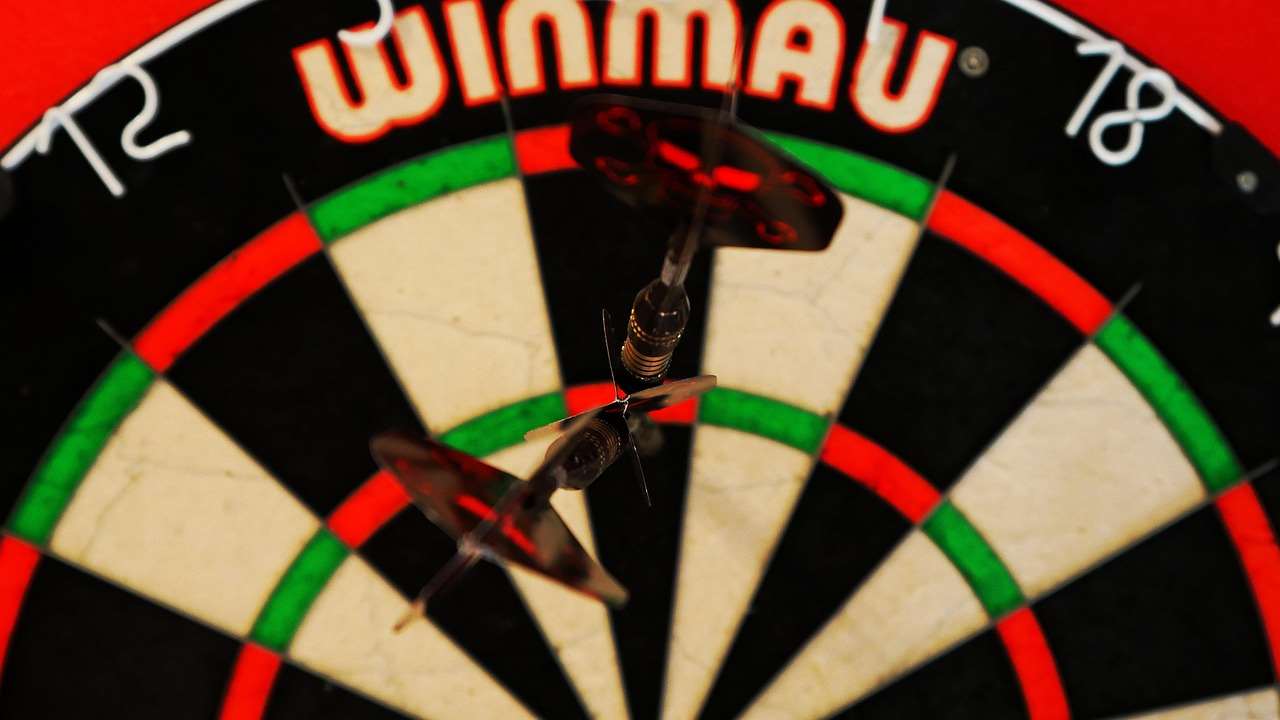
The split in darts governance in the early 1990s, leading to the formation of the Professional Darts Corporation (PDC), did not diminish 501’s importance. Both the BDO and the PDC continued to use 501 as their primary format, albeit with some variations in tournament structure and rules. The emergence of new stars, such as Phil Taylor and Michael van Gerwen, further propelled the game’s popularity and ensured the continued prominence of 501. Even looking at **alternative darts rules for home play**, the 501 game is still common.
The accessibility of 501 is another reason for its continued relevance. While the professional game demands exceptional skill, the basic rules are easy to learn, making it appealing to casual players. You can even simplify the format by **adapting darts rules for small spaces: tips and tricks** to help players of all ages and skill sets enjoy the game. This accessibility has ensured that 501 remains a staple of pub games and social gatherings worldwide.
Key Rules and Strategies in 501 Darts
Understanding the rules of 501 is essential for anyone looking to play or follow the game. Here’s a breakdown of the key elements:
- Each player starts with a score of 501.
- Players take turns throwing three darts at the dartboard.
- The score achieved in each round is deducted from the player’s remaining total.
- The objective is to reduce the score to exactly zero.
- The final dart thrown must land on a double (a number in the outer ring of the dartboard).
- If a player scores more than they need to reach zero, or fails to finish on a double, the round is a “bust,” and their score reverts to the total at the start of that round.
Strategic thinking is crucial in 501. Players must consider their scoring potential, their opponent’s position, and the potential pitfalls of going for high scores. Choosing the right targets and managing the checkout are essential skills for any serious darts player. It is also important to have **Basic Darts Fundamentals for Beginners** understood before moving on to more advanced strategies.
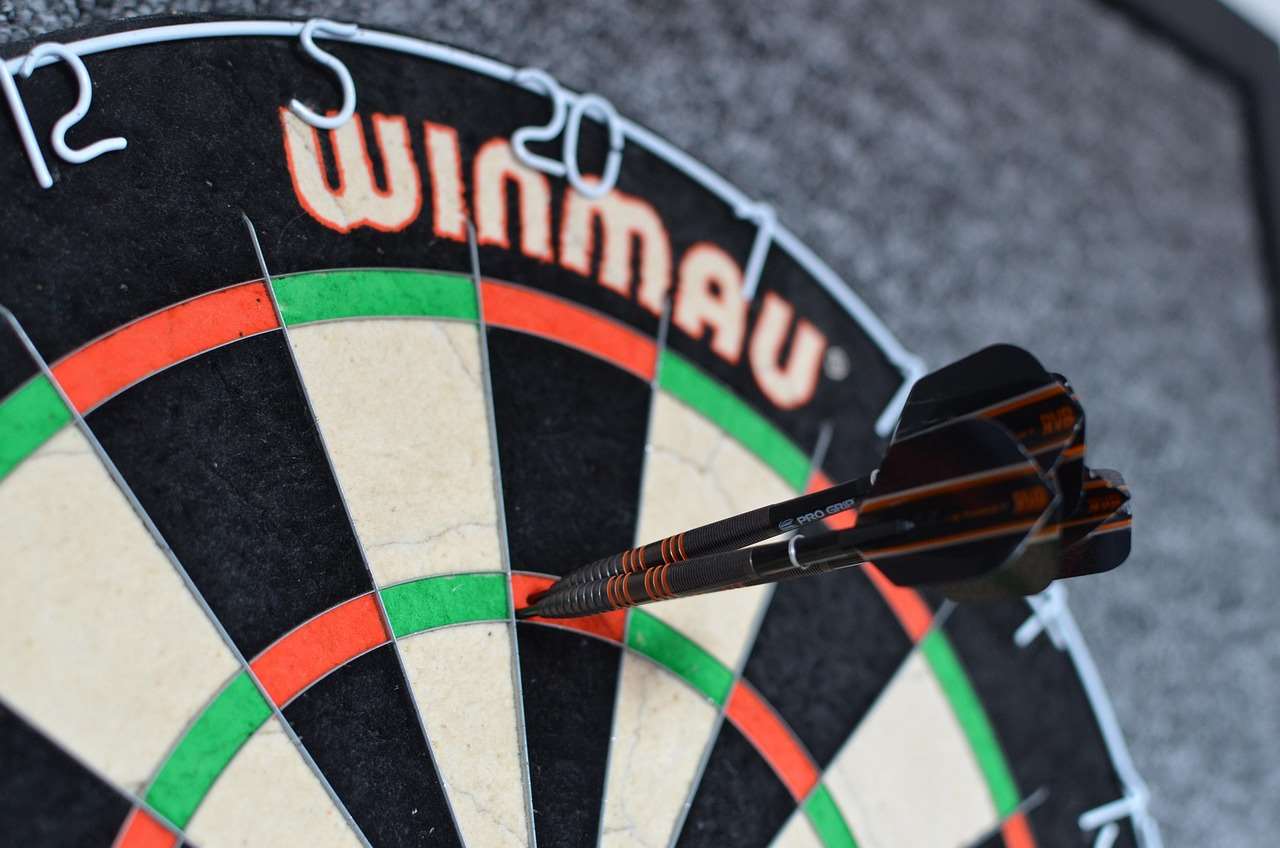
501 Around the World: Global Popularity
While darts has deep roots in the United Kingdom, 501 has spread far beyond its shores, gaining popularity in countries around the world. In Europe, particularly in the Netherlands and Germany, darts has become a major sport, with passionate fan bases and thriving professional circuits. North America has also seen a surge in interest in recent years, with increasing numbers of players and tournaments.
The global appeal of 501 is evident in the international composition of professional darts players. The PDC World Championship, for example, attracts competitors from dozens of countries, showcasing the sport’s truly global reach. The simplicity and accessibility of the game have undoubtedly contributed to its worldwide popularity.
Furthermore, the advent of online darts platforms has further fueled the growth of 501, allowing players from different countries to compete against each other virtually. This has created a global community of darts enthusiasts and has provided new opportunities for players to hone their skills and test themselves against international competition.
The Future of 501: Enduring Legacy
Despite the emergence of other darts variations and formats, 501 remains the bedrock of the sport. Its combination of skill, strategy, and accessibility ensures its continued popularity among players of all levels. The format is deeply ingrained in the history and tradition of darts, and it is unlikely to be displaced anytime soon. As the sport continues to evolve, 501 will undoubtedly remain a central element of the game.
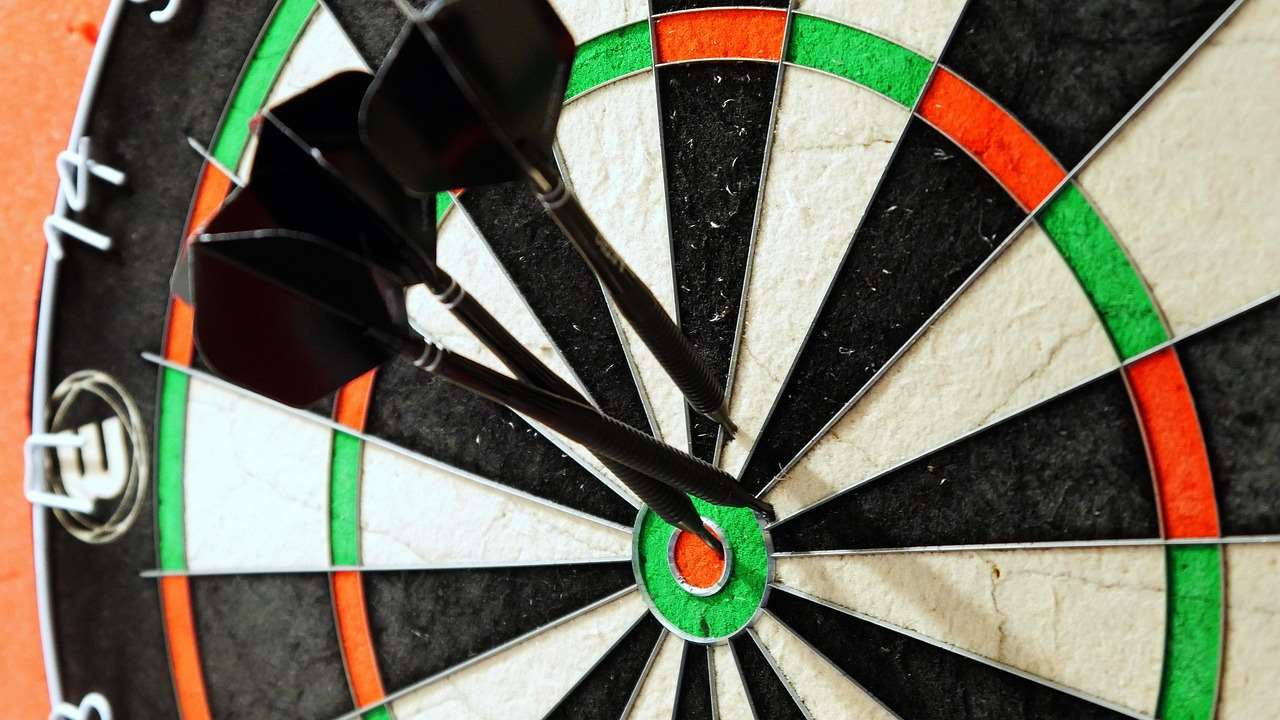
The future of 501 may also involve technological advancements. Innovations such as electronic dartboards and online scoring systems could enhance the playing experience and attract new participants. However, the core principles of the game will likely remain unchanged, ensuring that 501 continues to be a challenging and rewarding pursuit for generations to come.
In conclusion, the **history of 501 darts game** is a testament to the enduring appeal of a simple yet strategic contest. From its humble beginnings in pubs and working men’s clubs to its current status as a global phenomenon, 501 has captivated players and fans alike with its blend of skill, excitement, and accessibility. Its legacy is secure, and its future looks bright.
Tips to Improve Your 501 Darts Game
Whether you’re a seasoned player or just starting out, there’s always room for improvement in your 501 game. Here are a few tips to help you hone your skills and climb the ranks:
- Practice regularly: Consistent practice is essential for developing accuracy and consistency. Set aside dedicated time each week to work on your game.
- Focus on your technique: Pay attention to your stance, grip, and throwing motion. Small adjustments can make a big difference.
- Develop a checkout strategy: Plan your shots in advance and have a clear strategy for finishing legs. Knowing your outs is crucial.
- Manage your nerves: Darts can be a mentally challenging game. Learn to control your emotions and stay focused under pressure.
- Analyze your performance: Track your scores and identify areas where you can improve. Use data to inform your training.
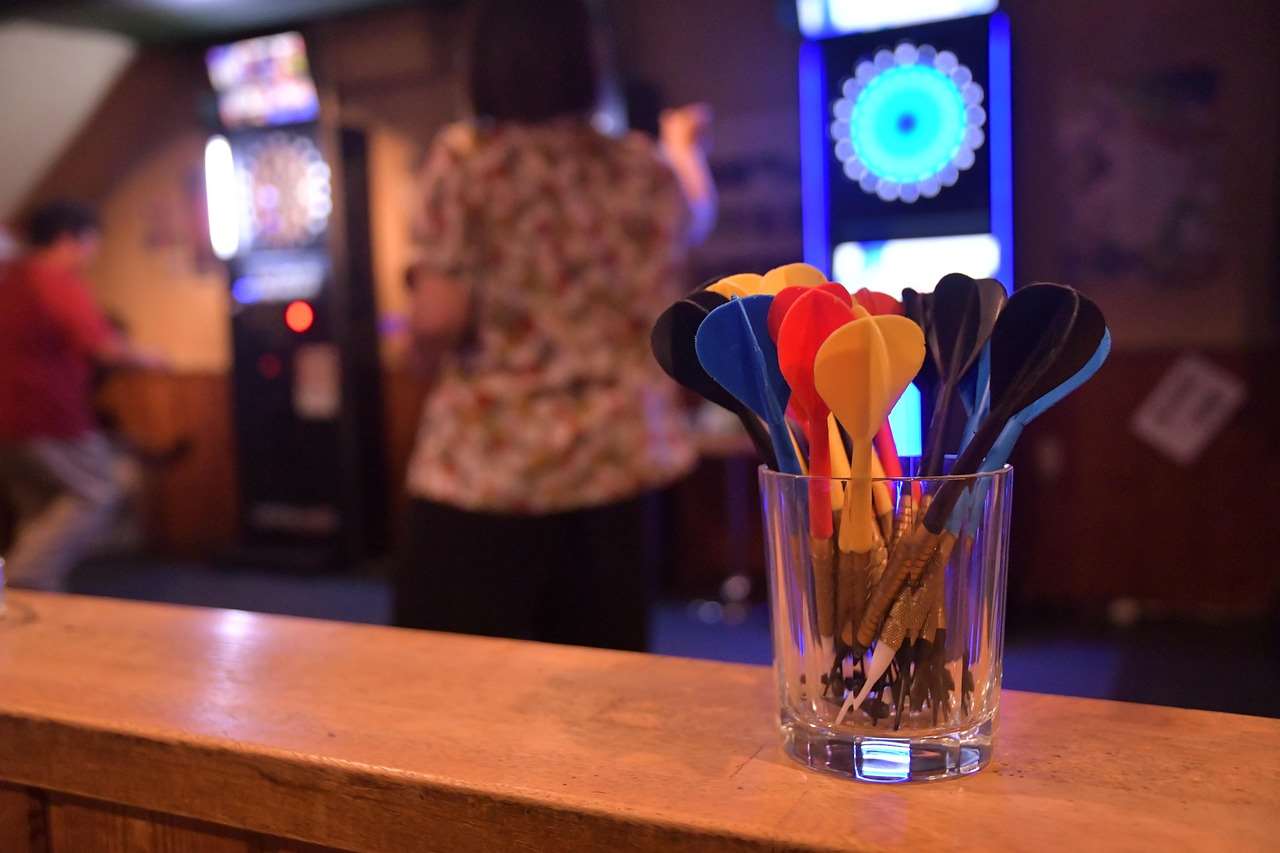
By following these tips and dedicating yourself to practice, you can significantly improve your 501 game and achieve your darts goals.
Mastering Checkout Strategies in 501
A crucial component of success in 501 is developing sound checkout strategies. Checkouts refer to the combinations of scores needed to reduce your total to zero and finish the game on a double. Here’s how to approach them:
- Know the common outs: Familiarize yourself with the most common checkout combinations, such as 170 (T20, T20, D25), 164 (T20, T18, D25), and 100 (T20, D20).
- Plan your path: Before each throw, consider the possible checkout paths available based on your current score and remaining darts.
- Target the setup dart: Often, your first dart is not for the double itself but to set up an easier double with the remaining darts. For example, leaving yourself 40 (D20) after the first dart of a 100 checkout.
- Practice under pressure: Simulate match conditions in practice to get used to hitting checkouts when it matters most.
By dedicating time to mastering checkout strategies, you’ll significantly improve your 501 game and increase your chances of winning.
So, grab your darts, practice your technique, and delve deeper into the fascinating history of 501 darts game. You might just discover your new favorite pastime, or even become the next darts champion! Why not start by reading more about Basic Darts Fundamentals for Beginners?

Hi, I’m Dieter, and I created Dartcounter (Dartcounterapp.com). My motivation wasn’t being a darts expert – quite the opposite! When I first started playing, I loved the game but found keeping accurate scores and tracking stats difficult and distracting.
I figured I couldn’t be the only one struggling with this. So, I decided to build a solution: an easy-to-use application that everyone, no matter their experience level, could use to manage scoring effortlessly.
My goal for Dartcounter was simple: let the app handle the numbers – the scoring, the averages, the stats, even checkout suggestions – so players could focus purely on their throw and enjoying the game. It began as a way to solve my own beginner’s problem, and I’m thrilled it has grown into a helpful tool for the wider darts community.