The evolution of dart flight shapes significantly impacts dart aerodynamics and player performance. This article explores the history of dart flight shapes, from the earliest rudimentary designs to today’s technologically advanced options, highlighting how each shape affects flight characteristics and player suitability; we’ll cover everything from standard flights to the more modern kite, slim, and vortex designs.
⚠️ Still Using Pen & Paper (or a Chalkboard)?! ⚠️
Step into the future! The Dart Counter App handles all the scoring, suggests checkouts, and tracks your stats automatically. It's easier than you think!
Try the Smart Dart Counter App FREE!Ready for an upgrade? Click above!
A Brief Overview of History Dart Flight Shapes
The humble dart flight has come a long way. Initially, players used whatever materials were available – feathers, paper, or even folded-up cardboard. These early attempts were rudimentary, providing minimal stability and consistency. As darts evolved, so did the understanding of aerodynamics and the importance of flight shape.
The history of dart flight shapes is closely tied to the development of dart manufacturing techniques and materials. Early flights were often handmade, leading to inconsistencies in size and shape. The introduction of mass production and new materials like nylon and plastics allowed for greater precision and experimentation.
The Standard Flight: The Original Shape
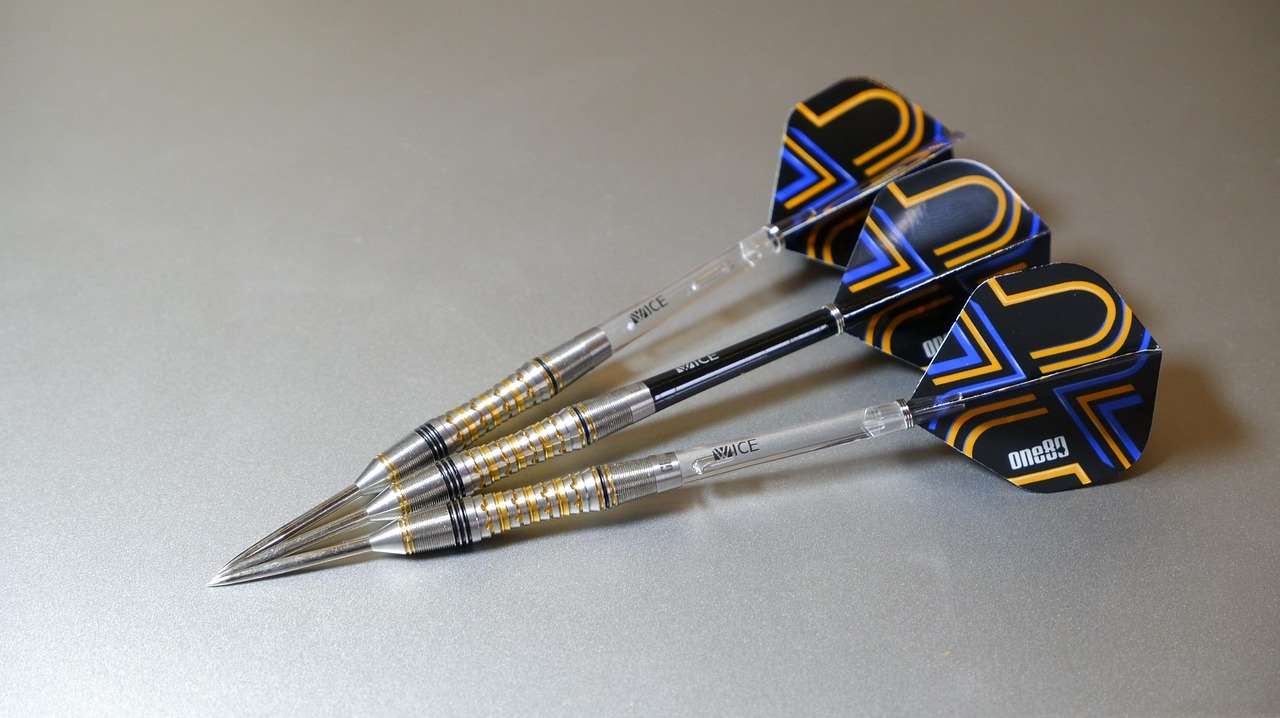
The standard flight is perhaps the most recognizable and widely used dart flight shape. Its rectangular design offers a large surface area, providing maximum stability and lift. This makes it ideal for beginners who are still developing their throwing technique, and for players who prefer a stable, predictable flight path. The generous surface area translates to greater drag, slowing the dart down more quickly than other flight types. Some players find this increased drag useful for controlling the dart’s trajectory.
Advantages of Standard Flights:
- High stability: Minimizes wobble and deviation.
- Predictable trajectory: Provides a consistent flight path.
- Good for beginners: Helps develop a solid throwing technique.
Disadvantages of Standard Flights:
- Slower speed: Increased drag can reduce dart velocity.
- Larger profile: May be more susceptible to air resistance.
It is important to consider the weight of your darts when using standard flights. Heavier darts may benefit more from the stability offered by standard flights, while lighter darts may become too slow and loopy.
Kite Flights: A Versatile Option
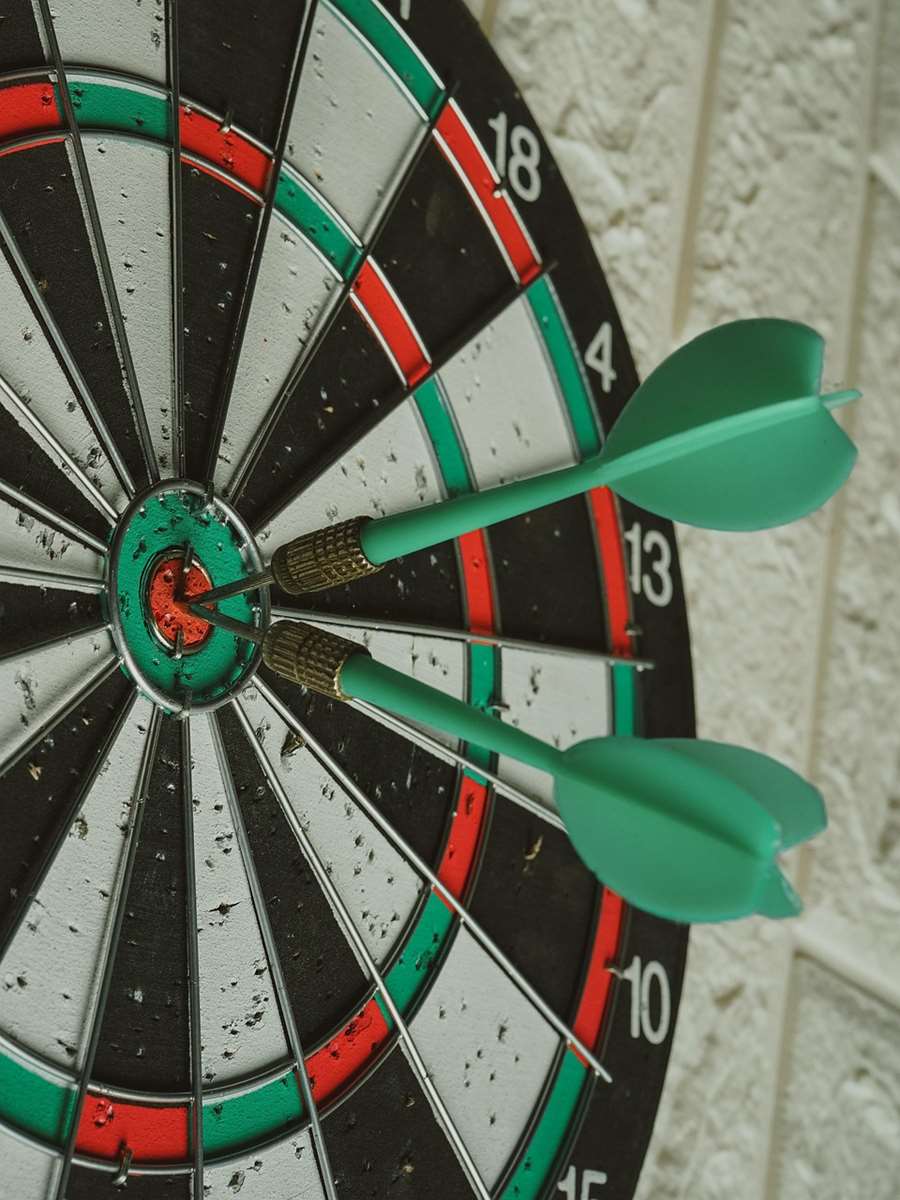
Kite flights offer a slightly different aerodynamic profile compared to standard flights. They feature a similar surface area but with a more streamlined shape, tapering towards the rear. This design provides a balance between stability and speed. The kite shape offers a smoother release and slightly faster flight compared to the standard, this increased speed can greatly improve your game. Kite dart flights are well-suited for players who want a bit more control over their dart’s trajectory without sacrificing too much speed.
A key advantage of kite flights is their versatility. They work well with a variety of dart weights and throwing styles. They are a popular choice among intermediate players who are looking to refine their technique and experiment with different flight characteristics.
Benefits of Kite Flights
- Enhanced Stability: Offers a more controlled flight path for improved accuracy.
- Versatile Performance: Suitable for various throwing styles and dart weights.
- Aerodynamic Design: Balances stability with a smoother, faster flight.
When considering kite flights, it’s important to experiment to find the right balance for your individual style. Different brands may have slightly different interpretations of the kite shape, which can affect the overall performance of the dart.
Slim Flights: Prioritizing Speed
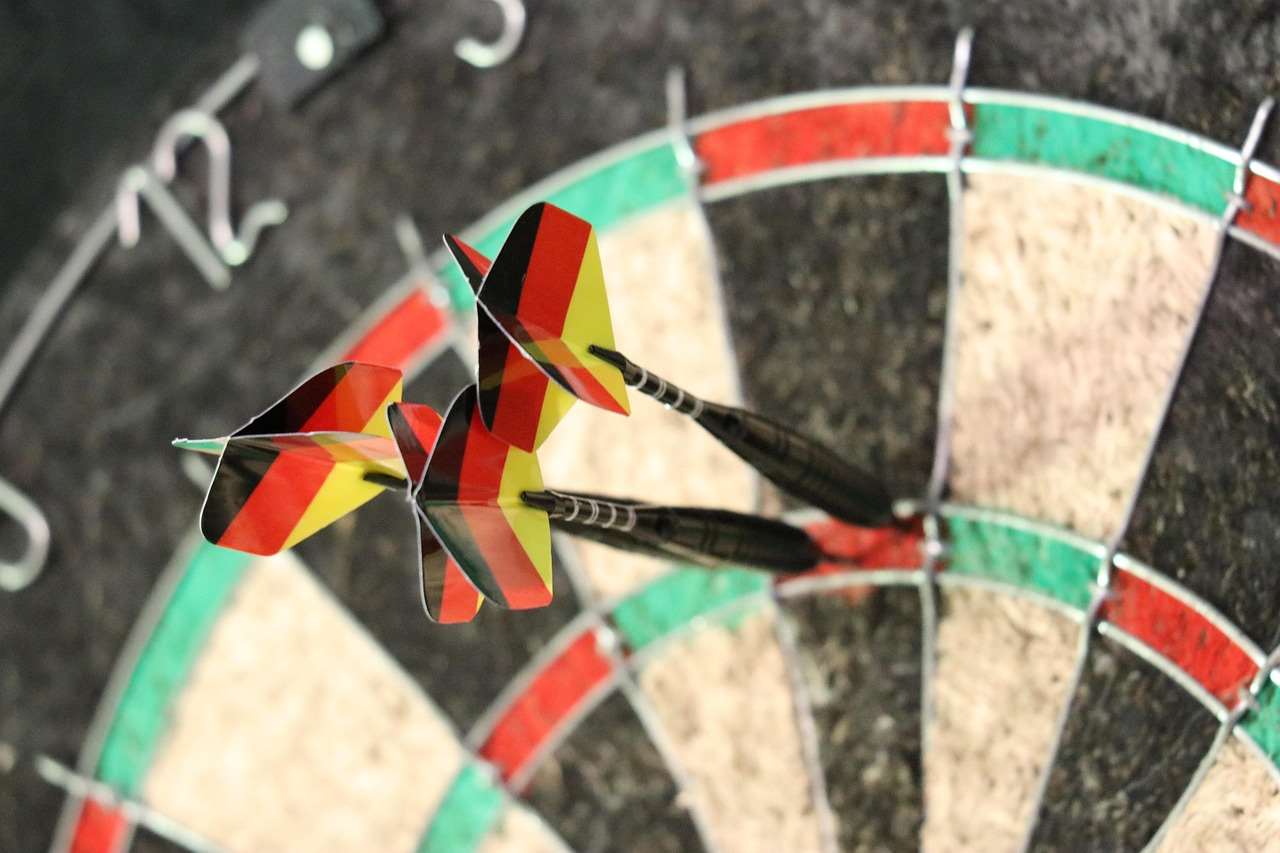
Slim flights, as the name suggests, are designed to minimize surface area and reduce drag. This results in a faster, more direct flight path. Slim flights are often favored by experienced players who have a consistent throwing technique and want to maximize dart speed. These flights are generally combined with heavier weighted darts.
While slim flights offer increased speed, they also provide less stability compared to standard or kite flights. This means that any inconsistencies in your throw will be amplified, potentially leading to greater deviations from your intended target. Slim flights are best suited for players who can consistently throw straight and true.
Advantages of Slim Flights:
- Faster speed: Reduced drag allows for a more direct flight path.
- Less obstruction: Can reduce deflections from other darts on the board.
- Suitable for experienced players: Rewards a consistent throwing technique.
Disadvantages of Slim Flights:
- Less stability: Amplifies inconsistencies in your throw.
- Not ideal for beginners: Requires a high level of control.
If you are considering switching to slim flights, it’s a good idea to practice extensively to ensure that your throwing technique is up to the task. Start by experimenting with different dart weights and shaft lengths to find the optimal combination for your style.
The Choose Best Dart Equipment will make your game the best it can be!
Vortex Flights: Adding Spin for Stability
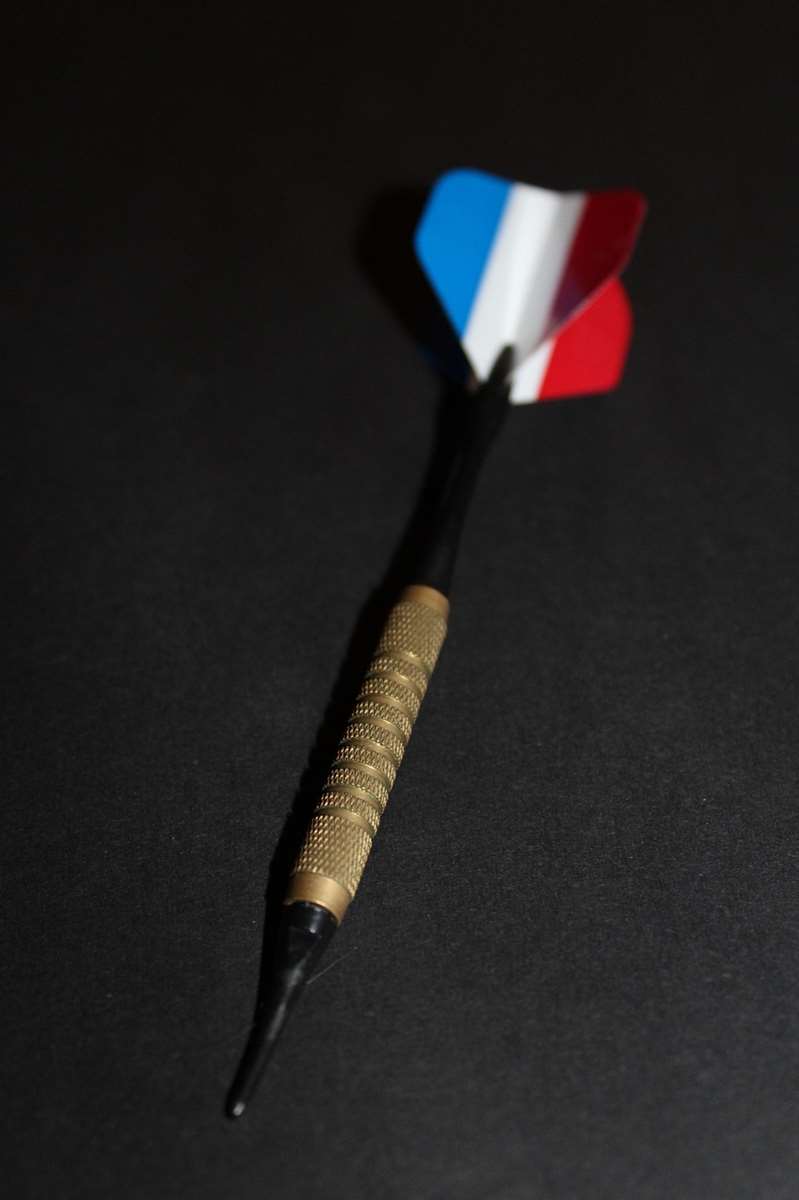
Vortex flights represent a more recent innovation in dart flight design. These flights feature a unique shape that is designed to induce spin on the dart during flight. This spin helps to stabilize the dart and reduce wobble, resulting in a more consistent and accurate trajectory. The added spin of vortex flights also makes them less susceptible to crosswinds and other environmental factors.
Vortex flights are often used by players who struggle with consistency or who play in environments where wind can be a factor. While they can be effective in improving accuracy, vortex flights can also take some getting used to. The spin imparted on the dart can affect its feel and trajectory, so it’s important to practice and adjust your technique accordingly.
Some players find that vortex flights help them to achieve a more consistent release point, while others find that they require a more deliberate effort to control the spin. Ultimately, the effectiveness of vortex flights depends on the individual player and their throwing style.
Other Flight Shapes and Materials
Beyond the standard shapes, there are numerous other flight designs available, each with its own unique characteristics. These include heart-shaped flights, pear-shaped flights, and even flights with unusual aerodynamic features. The materials used in dart flights have also evolved over time. While traditional flights were made from paper or feathers, modern flights are typically made from nylon, plastic, or other synthetic materials.
Nylon flights are known for their durability and resistance to tearing, while plastic flights are more affordable and readily available. Some players also experiment with flights made from metal or carbon fiber, although these are less common.
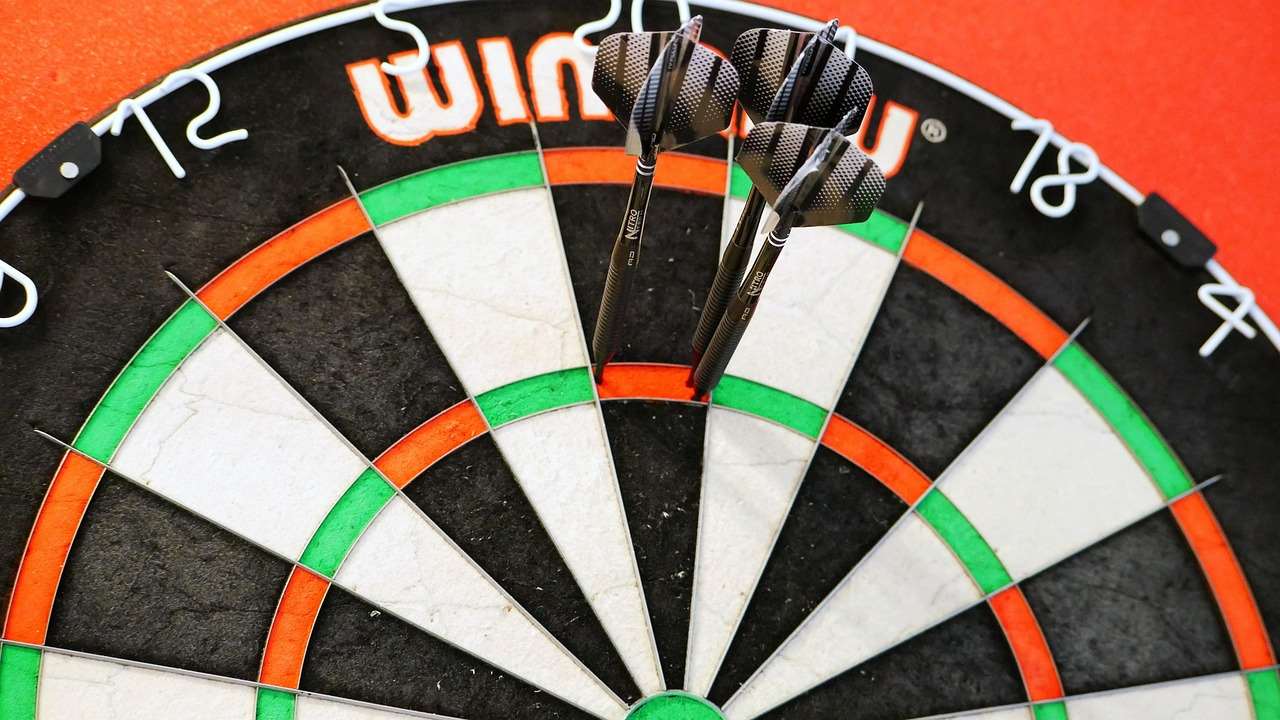
Finding the Right Flight Shape for You
The best way to determine the right flight shape for you is to experiment and see what works best. Consider your throwing style, dart weight, and the environment in which you play. Don’t be afraid to try different shapes and materials until you find the perfect combination. Understanding the history dart flight shapes can help you make informed decisions.
Ultimately, the choice of dart flight is a personal one. There is no one-size-fits-all solution. What works well for one player may not work well for another. By understanding the different types of flights available and their respective advantages and disadvantages, you can make an informed decision that will help you to improve your game. Remember, the key is to find a flight that complements your throwing style and helps you to achieve consistent and accurate results.
The Future of Dart Flight Shapes
The history of dart flight shapes is an ongoing story. As technology advances and our understanding of aerodynamics deepens, we can expect to see even more innovative and specialized dart flight designs emerge in the future. Manufacturers are constantly experimenting with new materials, shapes, and features to create flights that offer improved performance and greater customization. As well as looking into the Budget vs Premium Darts Compared range.
One area of ongoing research is the development of adjustable dart flights. These flights would allow players to fine-tune the aerodynamic characteristics of their darts based on their individual preferences and playing conditions. Adjustable flights could potentially revolutionize the sport of darts, giving players unprecedented control over their equipment.
Conclusion
From humble beginnings to technologically advanced designs, the history of dart flight shapes reflects a constant pursuit of improved performance and accuracy. Whether you prefer the stability of standard flights, the speed of slim flights, or the spin of vortex flights, understanding the different options available is crucial for optimizing your game. Experiment with different shapes and materials to find the perfect combination for your throwing style and playing environment. Embrace the evolution, and let your flight choice elevate your dart game! Take the knowledge you gained and start searching for your new dart flights today!

Hi, I’m Dieter, and I created Dartcounter (Dartcounterapp.com). My motivation wasn’t being a darts expert – quite the opposite! When I first started playing, I loved the game but found keeping accurate scores and tracking stats difficult and distracting.
I figured I couldn’t be the only one struggling with this. So, I decided to build a solution: an easy-to-use application that everyone, no matter their experience level, could use to manage scoring effortlessly.
My goal for Dartcounter was simple: let the app handle the numbers – the scoring, the averages, the stats, even checkout suggestions – so players could focus purely on their throw and enjoying the game. It began as a way to solve my own beginner’s problem, and I’m thrilled it has grown into a helpful tool for the wider darts community.