Exploring historical darts leagues rules reveals a fascinating evolution of gameplay, from informal pub gatherings to structured competitive environments, significantly influencing modern darts. This article delves into the early rule sets, the standardization process, and the impact of these historical rules on the darts we play today, examining everything from scoring variations to the evolution of league structures.
⚠️ Still Using Pen & Paper (or a Chalkboard)?! ⚠️
Step into the future! The Dart Counter App handles all the scoring, suggests checkouts, and tracks your stats automatically. It's easier than you think!
Try the Smart Dart Counter App FREE!Ready for an upgrade? Click above!
The Genesis of Darts Leagues and Early Rules
Before the professionalization and widespread popularity of darts, the game was primarily a pub pastime. Early darts leagues were informal affairs, often with house rules that varied from pub to pub. These rudimentary rules, or lack thereof, contributed to a rich tapestry of regional variations. Understanding these early days provides crucial context for the development of historical darts leagues rules and how they eventually became standardized.
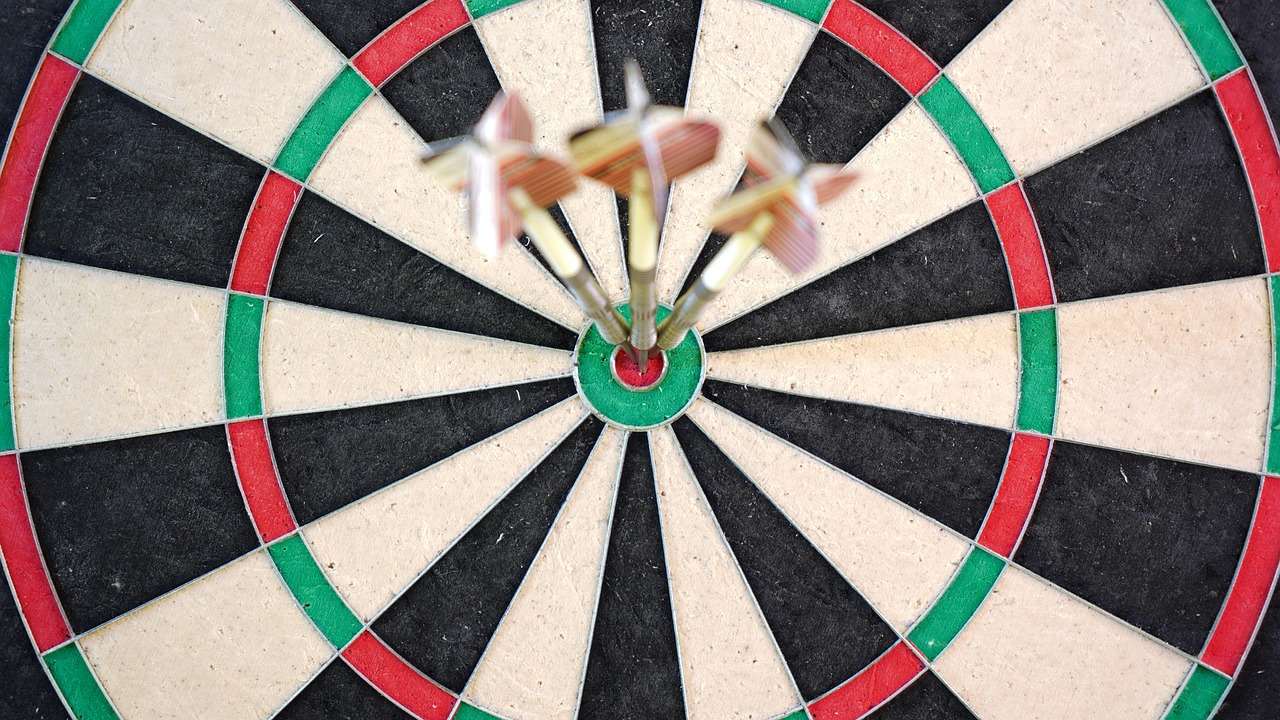
One of the earliest challenges was standardizing the dartboard itself. While the basic layout with numbered segments was present, the dimensions and materials differed significantly. Similarly, the throwing distance, often dictated by the available space in the pub, also varied. These discrepancies made organized competition difficult, sparking the need for a unified set of guidelines. The development of old dart games rules can be traced back to these early attempts at regulation.
Key Aspects of Early, Unstandardized Play
- Variable Board Dimensions: Dartboards ranged in size and material, impacting gameplay and accuracy.
- Inconsistent Throwing Distances: The “oche,” or throwing line, was not always consistently measured.
- Localized Scoring Systems: Different regions, and even different pubs, sometimes used alternative scoring methods.
- Informal League Structures: Matches were arranged ad hoc, with little formal organization or oversight.
The Standardization of Darts and the Rise of Formal Leagues
The push for standardization in darts was driven by a desire for fairer competition and broader appeal. Key figures and organizations began working towards establishing a unified set of rules, paving the way for organized historical darts leagues rules. This era marked a transition from a casual pub game to a more structured and regulated sport. One such variant is explored in Darts Variants Fun Games.
The National Darts Association (NDA) in the UK played a significant role in this process. Their efforts to codify the rules, including the official dimensions of the dartboard, the throwing distance (7ft 9.25 inches), and the standard scoring system, were crucial for the growth of the sport. These standardized rules allowed for inter-pub and eventually inter-league competitions, fostering a sense of community and camaraderie among darts enthusiasts. The impact of this effort can be seen in the evolution of history of darts games uk.
Rare dart game instructions from this era reflect the growing awareness of the need for consistent gameplay and the gradual shift from localized customs to national standards.

Early League Rule Examples
- Points System: Early leagues often used a simple points system, awarding points for wins, draws, and sometimes even individual legs won.
- Team Composition: Teams typically consisted of a fixed number of players, with matches involving both singles and doubles games.
- Match Format: Matches were typically played over a set number of legs or games, with the winner being the team that accumulated the most points.
- Dress Code: While not always strictly enforced, some leagues had dress codes, often requiring players to wear collared shirts or smart casual attire.
Scoring Variations and Alternative Games in Early Darts Leagues
While 501 became the dominant format, historical darts leagues rules also encompassed various scoring variations and alternative games. These games, often with regional roots, provided a diverse and engaging experience for players and broadened the appeal of darts. One example can be found in exploring forgotten pub dart games.
For example, “Around the Clock” or “Round the Board” required players to hit each number on the board in sequence, while “Cricket” involved claiming numbers by hitting them a certain number of times. These variations added an element of strategy and skill beyond simply aiming for high scores. The vestiges of dart games before 501 invented are still sometimes played today in informal settings.
Examples of Historical Scoring Variations
- Man-in-the-Middle: A game where players aimed for the bullseye and the 25 ring.
- Shanghai: Aiming to score a single, double, and triple of the same number in one turn.
- Killer: Each player is assigned a number and must score enough hits on it to become a “killer,” then eliminate other players.
The Evolution of League Structures and Governance
As darts grew in popularity, the structures and governance of leagues became more formalized. This evolution was essential for ensuring fair play, resolving disputes, and promoting the sport. The development of historical darts leagues rules reflects this increasing sophistication.
Regional and national governing bodies emerged, responsible for setting standards, organizing tournaments, and representing the interests of darts players. These organizations helped to create a more professional and structured environment for the sport, attracting sponsors and media attention. The victorian era dart games laid some groundwork for these future structures.
Key Developments in League Governance
- Establishment of National Governing Bodies: Organizations like the British Darts Organisation (BDO) and the Professional Darts Corporation (PDC) were formed.
- Introduction of Standardized Tournament Formats: Consistent formats ensured fair competition across different events.
- Development of Ranking Systems: Ranking systems allowed for the identification of top players and the creation of seeded tournaments.
- Enforcement of Anti-Cheating Measures: Measures were put in place to prevent cheating and ensure the integrity of the sport.
The Enduring Legacy of Historical Darts Leagues Rules
The historical darts leagues rules have had a profound and lasting impact on the sport we know today. The standardization of the game, the development of league structures, and the emergence of professional players can all be traced back to the early days of darts. Understanding this history provides valuable insights into the evolution and enduring appeal of darts.
Even though modern darts has evolved significantly, the fundamental principles established in those early days remain. The oche distance, the dartboard layout, and the scoring system are all testaments to the enduring legacy of historical darts leagues rules.
Exploring ancient dart throwing games can give you a deeper historical perspective on the game we know today.
Tips for Exploring Darts History and Rule Variations
If you’re interested in delving deeper into the world of historical darts leagues rules, here are some tips:
- Research Local Pub Histories: Many pubs have records or stories about their early darts leagues.
- Explore Online Archives: Websites and online forums dedicated to darts history can provide valuable information.
- Talk to Experienced Darts Players: Veteran players may have firsthand knowledge of older rule variations and league formats.
- Visit Darts Museums: Museums dedicated to darts can offer insights into the history and evolution of the game.
Conclusion
The journey through historical darts leagues rules highlights the fascinating transformation of darts from a casual pub game to a globally recognized sport. The early standardization efforts, the diverse scoring variations, and the evolution of league structures all contributed to the development of the modern game. Understanding this history enriches our appreciation for the skill, strategy, and camaraderie that define darts. Consider researching further into the various obscure dartboard games list. Explore different dart games, learn about their histories, and maybe even start your own informal darts league with friends!

Hi, I’m Dieter, and I created Dartcounter (Dartcounterapp.com). My motivation wasn’t being a darts expert – quite the opposite! When I first started playing, I loved the game but found keeping accurate scores and tracking stats difficult and distracting.
I figured I couldn’t be the only one struggling with this. So, I decided to build a solution: an easy-to-use application that everyone, no matter their experience level, could use to manage scoring effortlessly.
My goal for Dartcounter was simple: let the app handle the numbers – the scoring, the averages, the stats, even checkout suggestions – so players could focus purely on their throw and enjoying the game. It began as a way to solve my own beginner’s problem, and I’m thrilled it has grown into a helpful tool for the wider darts community.