Understanding the historical dart throwing technique reveals that the game’s core principles – stance, grip, and release – have evolved significantly over time, yet remain crucial for accuracy and consistency. This article explores how these techniques have changed, highlighting key periods and influential players, and offering insights into adapting these lessons for modern play.
⚠️ Still Using Pen & Paper (or a Chalkboard)?! ⚠️
Step into the future! The Dart Counter App handles all the scoring, suggests checkouts, and tracks your stats automatically. It's easier than you think!
Try the Smart Dart Counter App FREE!Ready for an upgrade? Click above!
A Glimpse into the Past: The Evolution of Dart Throwing Styles
The history of darts is long and varied, stretching back centuries. While early darts were often improvised, thrown at trees or makeshift targets, the development of standardized boards and rules gradually led to the refinement of dart throwing styles. Initially, the focus was simply on hitting the target; accuracy took precedence over speed or elaborate techniques. Exploring the historical dart throwing technique involves tracing the changes in stance, grip, and throw motion.
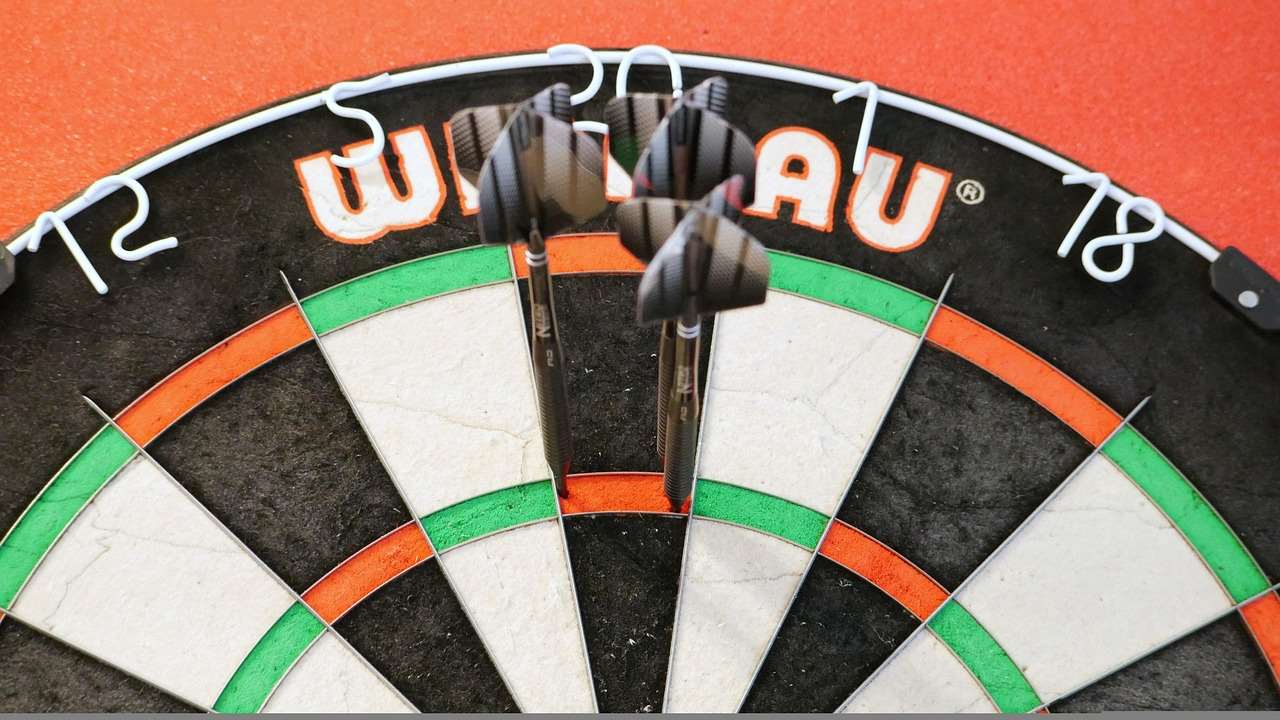
Early Grips and Stances
Records from the 19th and early 20th centuries suggest that early players often adopted a more upright and less stylized stance compared to today’s professionals. The grip was also less refined, with players often holding the dart further back and using more of their hand rather than just their fingers. The history of darts games uk shows this evolution clearly.
Interestingly, many of the **forgotten pub dart games** incorporated throwing styles adapted to limited spaces and varying levels of player skill. A powerful element of **historical dart throwing technique** is recognizing how these limitations shaped the approach.
Key Components of a Historical Dart Throwing Technique
Examining the evolution of historical dart throwing technique requires an understanding of the key components that influence accuracy and consistency. These include:
- Stance: The positioning of the body relative to the board. Early stances were often more casual, evolving towards the angled stances seen today.
- Grip: How the dart is held, influencing control and release. The grip has become increasingly refined, with many variations tailored to individual preferences and dart types.
- Throw: The motion of the arm and wrist that propels the dart forward. The throw has become more fluid and consistent, minimizing extraneous movements.
- Follow-through: The continuation of the throwing motion after the dart is released, contributing to accuracy and control.
The Importance of Stance
The stance is the foundation of any dart throwing technique. Historically, players often stood directly facing the board, but as the game evolved, an angled stance became more prevalent. This allowed for better balance, a clearer view of the target, and a more comfortable throwing motion. Experimenting with different stances is crucial to finding what works best for each individual. Some **ancient dart throwing games** may have even dictated specific stance positions!
Grip Variations Through Time
The grip is another critical element. Early grips were often simple and involved holding the dart quite far back. As darts technology improved, with better barrels and flights, more refined grips emerged, focusing on finger placement and pressure. Today, players use a wide variety of grips, from two-finger pinches to four-finger holds, each offering different levels of control. The darts variants fun games often require grip adjustments based on the game’s rules.
Understanding your personal **dart release style** can help to refine your dart grip. This is a critical piece of the **historical dart throwing technique** because early players did not have the technological advantages to analyze their throws.
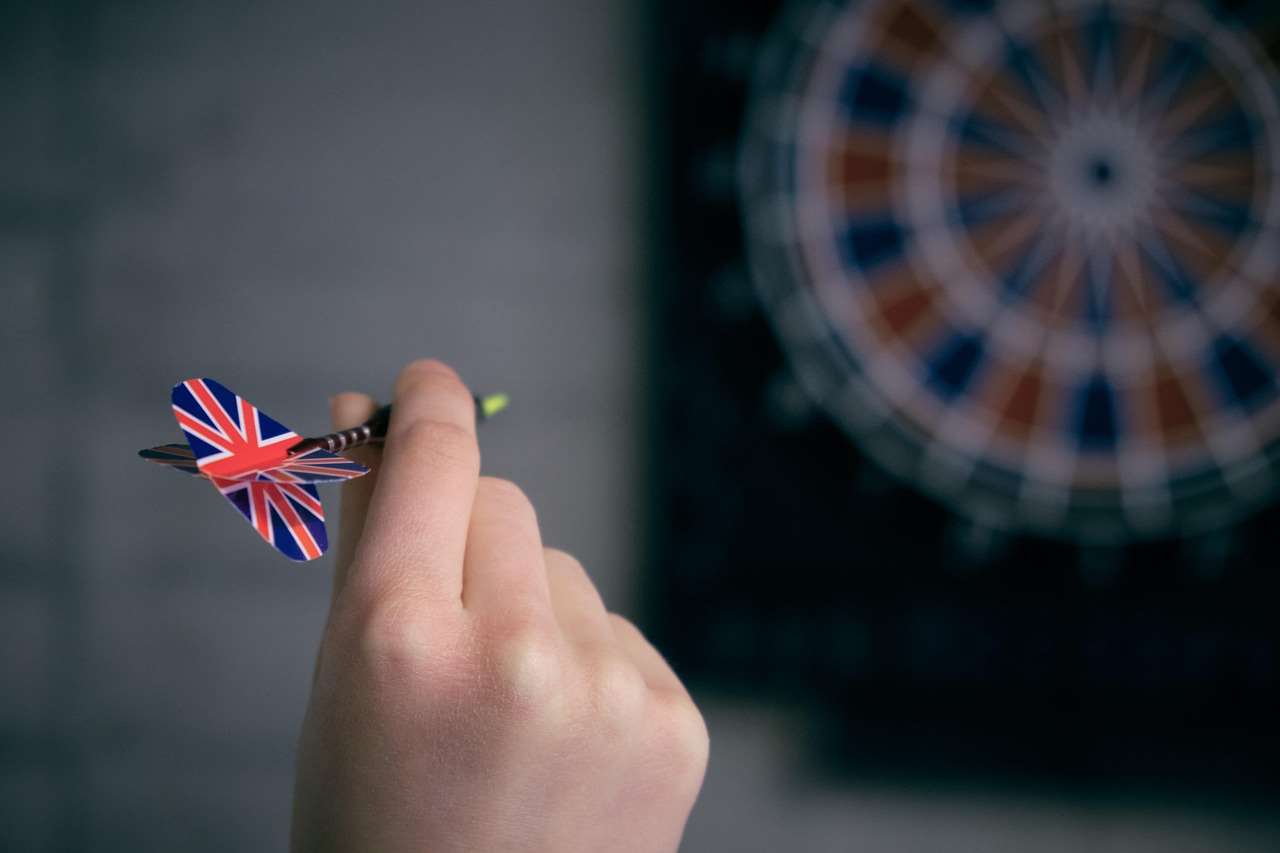
The Evolution of the Throw
The throw itself has also undergone significant changes. Early throws were often more forceful and involved more of the body. Over time, the emphasis shifted to a smoother, more controlled motion, relying primarily on the arm and wrist. The follow-through became increasingly important, ensuring that the dart was released cleanly and accurately. The focus on control and precision in the **historical dart throwing technique** contrasts sharply with some of the more haphazard methods seen in recreational play.
Influential Players and Their Techniques
Throughout the history of darts, certain players have stood out for their innovative and effective techniques. Studying these players can provide valuable insights into the evolution of the game and the principles of historical dart throwing technique.
Early Innovators
While specific records of early players’ techniques are scarce, it’s clear that certain individuals played a crucial role in shaping the game. These early innovators experimented with different stances, grips, and throws, paving the way for the more refined techniques seen today. Understanding the limitations of their equipment is a huge part of embracing the **historical dart throwing technique** of these early dart throwers. You can almost imagine them participating in **dart games before 501 invented**.
Modern Masters and Their Adaptations
Modern players like Phil Taylor, Michael van Gerwen, and Gerwyn Price have further refined the art of dart throwing. They have embraced scientific analysis, using video technology and biomechanical principles to optimize their techniques. While their approaches may differ, they all share a commitment to consistency, accuracy, and mental fortitude. The study of **historical dart throwing technique** can inform modern training regimens by offering a broader perspective on the game’s evolution.
Practical Tips for Incorporating Historical Lessons
While modern darts is highly specialized, there are still valuable lessons to be learned from the historical dart throwing technique. Here are some practical tips for incorporating these lessons into your own game:
- Experiment with different stances: Don’t be afraid to try different stances to find what feels most comfortable and allows for the best balance and vision.
- Refine your grip: Experiment with different finger placements and pressures to find a grip that gives you optimal control.
- Focus on a smooth throw: Practice a smooth, controlled throwing motion, minimizing extraneous movements.
- Pay attention to your follow-through: Ensure that your follow-through is consistent and directed towards the target.
- Analyze your game: Use video recording to analyze your technique and identify areas for improvement.
The Mental Game: A Constant Throughout History
While the physical techniques of dart throwing have evolved, the mental game has always been a crucial factor. Concentration, focus, and composure are essential for success, regardless of the era. Learning to manage pressure and maintain a positive attitude can be just as important as mastering the physical aspects of the game. Even with the **historical dart throwing technique**, without a strong mental game, it could lead to failure.
In fact, in many old dart games rules, there was a much greater emphasis on the mental game, as there was more room for error and less focus on precision.
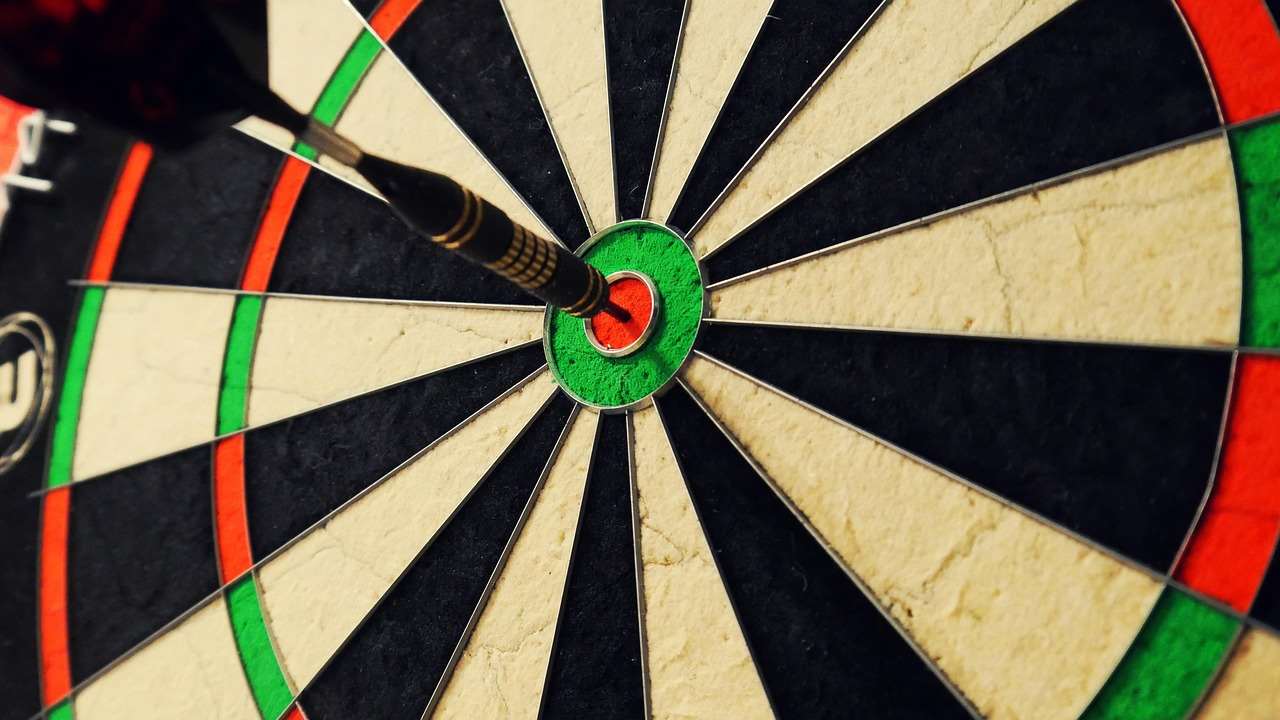
The Enduring Appeal of Darts
Darts has endured as a popular pastime for centuries because it is a game that can be enjoyed by people of all ages and abilities. Whether playing casually with friends or competing at the highest level, darts offers a unique blend of skill, strategy, and social interaction. The evolution of historical dart throwing technique reflects the game’s ongoing appeal and its ability to adapt to changing times.
Conclusion: Mastering the Past to Improve Your Future
Understanding the historical dart throwing technique provides valuable context for appreciating the modern game. While techniques have evolved, the fundamental principles of stance, grip, and throw remain essential. By studying the past, experimenting with different approaches, and focusing on the mental game, you can improve your own dart throwing skills and enhance your enjoyment of this timeless sport. Consider exploring **rare dart game instructions** to add a unique dimension to your practice.
Ready to take your dart game to the next level? Explore different grips, stances, and throwing styles to find what works best for you. Practice consistently, focus on your mental game, and embrace the rich history of darts. You may even discover your own innovative technique!

Hi, I’m Dieter, and I created Dartcounter (Dartcounterapp.com). My motivation wasn’t being a darts expert – quite the opposite! When I first started playing, I loved the game but found keeping accurate scores and tracking stats difficult and distracting.
I figured I couldn’t be the only one struggling with this. So, I decided to build a solution: an easy-to-use application that everyone, no matter their experience level, could use to manage scoring effortlessly.
My goal for Dartcounter was simple: let the app handle the numbers – the scoring, the averages, the stats, even checkout suggestions – so players could focus purely on their throw and enjoying the game. It began as a way to solve my own beginner’s problem, and I’m thrilled it has grown into a helpful tool for the wider darts community.