Choosing the right dart weight significantly impacts accuracy and overall playing experience; understanding the heavy dart weights pros cons is crucial for any serious darts player seeking to improve their game. This article will delve into the advantages and disadvantages of using heavier darts, helping you determine if they’re the right fit for your throwing style.
⚠️ Still Using Pen & Paper (or a Chalkboard)?! ⚠️
Step into the future! The Dart Counter App handles all the scoring, suggests checkouts, and tracks your stats automatically. It's easier than you think!
Try the Smart Dart Counter App FREE!Ready for an upgrade? Click above!
Understanding Heavy Dart Weights Pros Cons
The debate over heavy dart weights pros cons is a long-standing one in the darts community. While personal preference plays a significant role, there are objectively discernible benefits and drawbacks to consider. A heavier dart, typically weighing 24 grams or more, can offer increased stability in flight and a potentially straighter trajectory, but it also demands more power and a consistent release. Let’s explore these factors in detail.
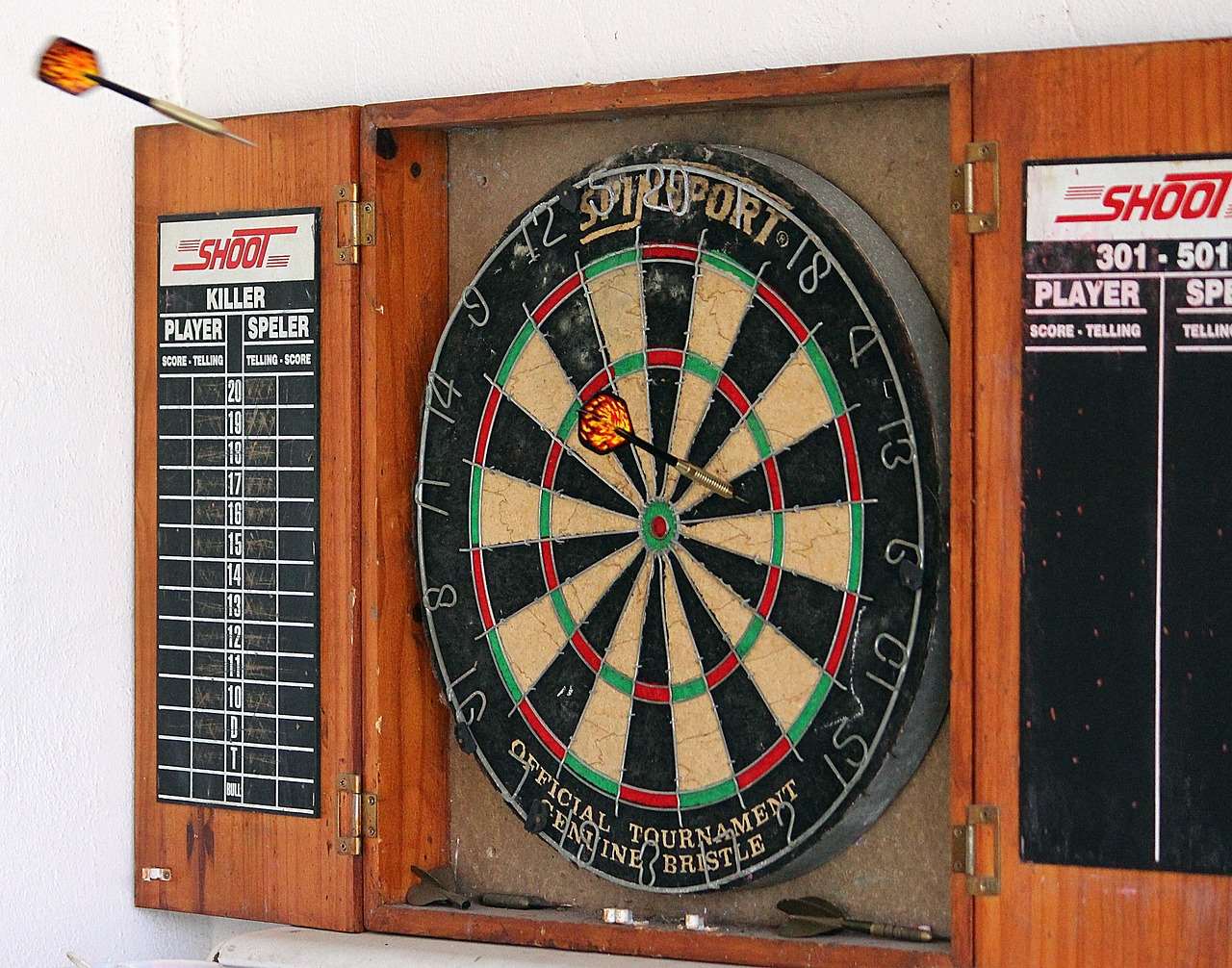
Defining “Heavy” in Darts
What exactly constitutes a “heavy” dart? While there’s no universally agreed-upon definition, darts weighing 24 grams and above are generally considered heavy. Most steel-tip darts fall within the 20-26 gram range, with some exceeding 30 grams. The weight is primarily determined by the barrel material, usually tungsten or brass. Factors such as the player’s throwing style, physical strength, and experience level all play a role in determining the most suitable dart weight.
The Pros of Using Heavy Dart Weights
There are several compelling reasons why some players prefer heavier darts. These advantages primarily relate to stability, forgiveness, and perceived control.
- Increased Stability in Flight: Heavier darts tend to be less affected by minor imperfections in your throw or by external factors like air currents. This leads to a more stable and consistent flight path.
- Reduced “Wobble”: The increased weight helps to minimize the wobble or side-to-side movement that can plague lighter darts, especially for players with less refined techniques.
- Greater Forgiveness for Inconsistent Releases: A heavier dart can be more forgiving of slight variations in your release point or arm angle. The extra weight helps maintain momentum and direction even if your throw isn’t perfectly executed.
- Potentially Straighter Trajectory: Some players find that heavier darts fly straighter than lighter darts, reducing the need for significant adjustments to their aim.
- Enhanced Feel and Control: Many dart players appreciate the solid feel of a heavier dart in their hand, giving them a greater sense of control and connection to the throw. This enhanced feel can be crucial in developing a repeatable and reliable throwing motion.
The Cons of Using Heavy Dart Weights
Despite the advantages, heavy darts aren’t suitable for everyone. There are definite drawbacks to consider, including the need for more power and the potential for fatigue. Choosing the Choose Best Dart Equipment should be based on balancing these factors with your own personal preferences.
- Requires More Power: Heavier darts demand more physical effort to throw accurately. Players with less arm strength or those who prefer a smoother, less forceful throwing motion may find them challenging to control.
- Potential for Muscle Fatigue: Over time, throwing heavy darts can lead to muscle fatigue in your arm and shoulder, especially during longer practice sessions or tournaments.
- May Mask Underlying Throwing Flaws: While heavier darts can be forgiving, they can also mask underlying flaws in your throwing technique. Players may rely on the weight to compensate for inconsistencies, hindering their long-term improvement.
- Can Lead to “Arming” the Throw: The need for more power can encourage players to rely too heavily on their arm muscles, neglecting the more efficient use of their body and wrist. This “arming” the throw can lead to inconsistency and injury.
- Reduced Finesse and Touch: Some players feel that heavier darts reduce their ability to apply subtle adjustments and finesse to their throws. They may find it harder to control the dart’s trajectory and landing point with the same precision as with lighter darts.
Related Keywords: Dart Weight Impact, Tungsten Darts Weight, Steel Tip Dart Weight, Dart Throwing Technique, Dartboard Accuracy, Improve Dart Game
Beyond the core heavy dart weights pros cons, understanding related keywords is key to optimizing your game. Factors such as Dart Weight Impact on accuracy, the specific material (like Tungsten Darts Weight), and your overall Dart Throwing Technique significantly contribute to your success. The quest for Dartboard Accuracy can be heavily influenced by making the right choice, and considering these aspects is a vital step towards Improve Dart Game.
How to Determine the Right Dart Weight for You
Finding the ideal dart weight is a process of experimentation and self-assessment. Here’s a step-by-step approach to help you determine what works best for you:
- Start with a Baseline: If you’re new to darts, begin with a standard weight in the 22-24 gram range. This provides a good starting point for comparison.
- Experiment with Different Weights: Try darts that are both lighter (20-22 grams) and heavier (24-26 grams) than your baseline. Pay attention to how each weight feels in your hand and how it affects your throw.
- Focus on Consistency and Accuracy: Don’t just focus on the feel of the dart. Track your scores and analyze your groupings with each weight. Are you more consistent with one weight than another? Are you achieving better accuracy?
- Record Your Observations: Keep a detailed log of your experiences with each dart weight. Note any positive or negative effects on your throwing motion, accuracy, and fatigue levels.
- Consider Your Physical Attributes: Your arm strength, throwing style, and hand size can all influence your ideal dart weight. If you’re a smaller or less physically strong player, you may find lighter darts easier to control.
- Seek Expert Advice: Consult with experienced dart players or coaches for their insights and recommendations. They can often identify subtle nuances in your throwing technique that you may not be aware of.
Factors Influencing Dart Weight Preference
Several factors can influence a player’s preference for heavier or lighter darts. These include throwing style, grip, and personal feel. A proper stance and grip are essential to maintaining balance and accuracy.
- Throwing Style: Players with a more forceful, wrist-driven throw may prefer heavier darts, while those with a smoother, arm-driven throw may opt for lighter darts.
- Grip: A firm grip can help control heavier darts, while a looser grip may be better suited to lighter darts.
- Personal Feel: Ultimately, the best dart weight is the one that feels most comfortable and natural in your hand. Trust your instincts and choose the weight that allows you to throw with confidence and consistency.
Adjusting Your Technique for Heavy Darts
If you decide to switch to heavier darts, you may need to make some adjustments to your throwing technique to maximize their effectiveness. Here are a few tips:
- Increase Your Arm Strength: Incorporate exercises that strengthen your arm and shoulder muscles to help you control the heavier darts.
- Refine Your Release Point: Pay close attention to your release point and make sure you’re releasing the dart at the optimal moment for a smooth, consistent flight.
- Focus on Follow-Through: A proper follow-through is essential for directing the heavier dart towards the target. Ensure your arm extends fully towards the dartboard after releasing the dart.
- Maintain Proper Posture: Good posture is crucial for balance and stability. Stand with your feet shoulder-width apart and keep your body aligned towards the dartboard.
Selecting the right dart can significantly impact your game, and you may want to see how the heavy dart weights pros cons fit in with your current setup. You may even want to learn more about Types Optimal Dartboard Lighting to ensure optimal visual conditions while playing.
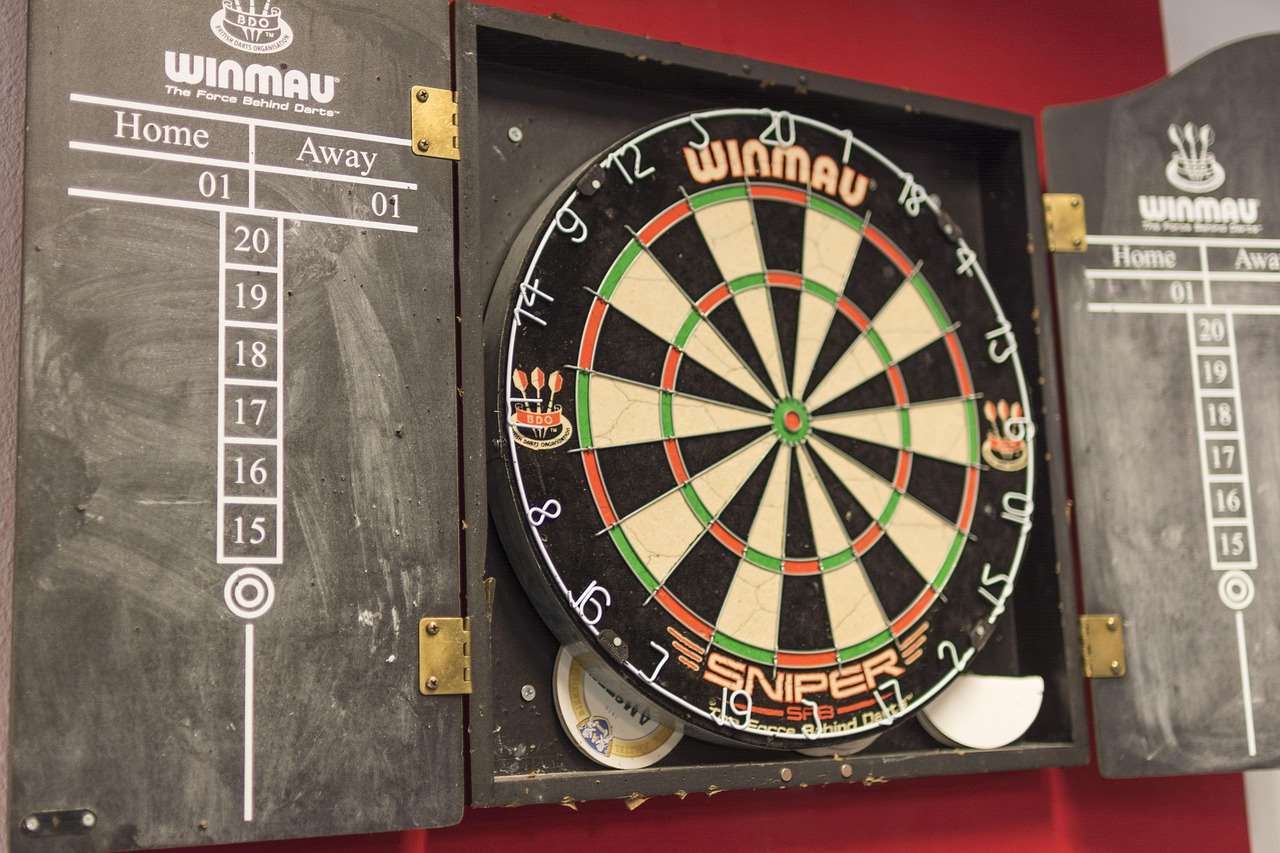
Heavy Dart Weights Pros Cons: Making the Right Choice
Ultimately, the decision of whether to use heavy darts or not depends on your individual preferences and playing style. There’s no one-size-fits-all answer. Careful consideration of the heavy dart weights pros cons, experimentation with different weights, and a willingness to adjust your technique are essential for finding the right fit. Remember that consistent practice and a dedication to refining your skills are crucial for achieving success, regardless of the dart weight you choose. Understanding the advantages and disadvantages of each dart weight can only help you improve your gameplay, especially when you integrate this knowledge with high-quality equipment, such as that found at Best Dartboard Lighting Systems.
Selecting the right dartboard, lighting, and accessories are also crucial considerations for your darting success.
Beyond Weight: Other Factors to Consider
While dart weight is important, it’s not the only factor to consider when choosing darts. Other aspects, such as barrel shape, grip, and flight type, can also significantly impact your performance. These elements work together to contribute to the overall feel and flight characteristics of the dart.
- Barrel Shape: Different barrel shapes (e.g., torpedo, straight, bomb) can affect your grip and balance.
- Grip: The type of grip (e.g., knurled, ringed, smooth) influences your control over the dart.
- Flights: Flight shape and size can affect the dart’s stability and trajectory.
Combining the appropriate dart weight with these other factors will lead to optimal darting performance.
Conclusion
The heavy dart weights pros cons present a complex equation with no definitive answer, as the best choice is entirely dependent on individual player characteristics. Heavier darts offer stability and forgiveness, but demand more power. Lighter darts require less effort but can be more sensitive to throwing errors. Experimentation and careful self-assessment are key to discovering the perfect dart weight for your game. Ultimately, consider not only weight, but also barrel shape, grip, and flight type for optimal performance. Now, armed with this knowledge, take the next step: experiment with different dart weights and fine-tune your technique to elevate your dart game to the next level!

Hi, I’m Dieter, and I created Dartcounter (Dartcounterapp.com). My motivation wasn’t being a darts expert – quite the opposite! When I first started playing, I loved the game but found keeping accurate scores and tracking stats difficult and distracting.
I figured I couldn’t be the only one struggling with this. So, I decided to build a solution: an easy-to-use application that everyone, no matter their experience level, could use to manage scoring effortlessly.
My goal for Dartcounter was simple: let the app handle the numbers – the scoring, the averages, the stats, even checkout suggestions – so players could focus purely on their throw and enjoying the game. It began as a way to solve my own beginner’s problem, and I’m thrilled it has grown into a helpful tool for the wider darts community.