A handicap scoring darts match levels the playing field, giving less experienced players a chance to compete fairly against more skilled opponents by adjusting scores based on ability. This article explores the different methods for implementing handicap systems, the benefits they offer, and practical tips for organizing and playing handicap darts matches, making darts enjoyable for everyone involved.
⚠️ Still Using Pen & Paper (or a Chalkboard)?! ⚠️
Step into the future! The Dart Counter App handles all the scoring, suggests checkouts, and tracks your stats automatically. It's easier than you think!
Try the Smart Dart Counter App FREE!Ready for an upgrade? Click above!
Understanding Handicap Scoring in Darts
The core concept behind a handicap scoring darts match is to equalize the chances of winning between players of varying skill levels. Without a handicap, a seasoned darts player would almost always defeat a beginner, which can be discouraging and make the game less fun for all participants. Handicap systems introduce a mathematical adjustment that compensates for skill disparities. There are several different approaches to this, and choosing the right one depends on the players involved and the desired level of competitiveness.
Essentially, a handicap gives the weaker player a head start or advantage, either by reducing the points they need to score to win or by adding points to the stronger player’s score. This allows for more closely contested matches and makes the game more engaging for everyone.
Types of Handicap Systems for Darts
Several handicap systems exist, each with its own nuances. Here are some of the most common methods for implementing a handicap scoring darts match:
- Points-Based Handicap: The simplest method is to award the weaker player a certain number of points at the start of the game. For example, if playing 501, the weaker player might start with 400 points, while the stronger player starts at 501. This effectively gives the weaker player a head start in the game.
- Round-Based Handicap: Another approach is to allow the weaker player extra darts or rounds to complete the game. For example, in a game of 501, the weaker player might get an extra three darts every few rounds to try to catch up.
- Average-Based Handicap: This system is more sophisticated and relies on calculating the average score of each player over a set number of games. The handicap is then calculated based on the difference in averages. For example, if Player A averages 60 points per round and Player B averages 40 points per round, Player B might receive a handicap of 20 points per round. Finding resources about Basic Darts Fundamentals for Beginners can help improve those average scores.
- Percentage-Based Handicap: A percentage-based system adjusts the scores by a certain percentage. For instance, if the weaker player gets a 10% handicap, their score for each round is effectively increased by 10%.

Choosing the best system often comes down to trial and error and the specific players involved. It’s important to find a system that feels fair and creates competitive matches.
Adjusting Handicaps During a Series
Remember that **handicap** values aren’t set in stone. It’s crucial to adjust the handicaps regularly, especially in a series of games. If a player consistently outperforms their handicap, it should be reduced. Conversely, if a player consistently struggles, their handicap should be increased. This ensures that the handicap scoring darts match remains competitive and fair throughout the series. Regular adjustments maintain the balance and keep the games engaging. One way to do this could be by Modifying rules for mixed-level dart players.
Benefits of Using a Handicap System in Darts
Implementing a handicap scoring darts match offers several advantages:
- Increased Participation: It encourages less experienced players to participate and feel more confident.
- Improved Skill Development: Knowing they have a chance to win, weaker players are more motivated to improve their skills.
- More Competitive Matches: Handicaps create more balanced and exciting games for everyone involved.
- Greater Social Interaction: It fosters a more inclusive and enjoyable social environment.
- Extended Playing Lifespan: By making the game accessible to all skill levels, it extends the playing lifespan for both beginners and seasoned players.
Setting Up a Handicap Scoring Darts Match
Organizing a successful handicap scoring darts match requires some planning and consideration:
- Determine Skill Levels: Accurately assess the skill level of each player. This can be done through observation, past performance data, or a series of preliminary games.
- Choose a Handicap System: Select a handicap system that is appropriate for the players involved. The points-based system is often a good starting point for beginners.
- Calculate Handicaps: Calculate the handicap for each player based on their skill level and the chosen handicap system.
- Communicate Clearly: Ensure that all players understand the handicap system and how it will be applied.
- Track Scores Accurately: Use a scoreboard or scoring app to track scores accurately, taking into account the handicaps.
- Adjust Handicaps as Needed: Be prepared to adjust handicaps throughout the match or series based on performance.

By following these steps, you can create a fair and enjoyable handicap scoring darts match for all participants.
Common Mistakes to Avoid When Implementing Handicaps
While handicap systems are designed to enhance fairness, certain pitfalls can undermine their effectiveness. Here are common mistakes to avoid:
- Underestimating Skill Disparities: Inaccurately assessing skill levels can lead to handicaps that are either too generous or too restrictive, negating the intended balancing effect.
- Overcomplicating the System: Choosing an overly complex handicap system can confuse players and make the game less enjoyable. Simplicity is often key.
- Failing to Adjust Handicaps: Sticking with static handicaps, regardless of performance, can result in unfair outcomes. Regular adjustments are crucial.
- Lack of Transparency: Not clearly communicating the handicap system and calculations can create distrust and dissatisfaction among players.
- Ignoring Player Feedback: Dismissing player feedback regarding the fairness of the handicaps can lead to resentment and decreased participation.
Tips for Making Handicap Matches Fun and Engaging
Beyond the technical aspects of calculating handicaps, it’s essential to focus on making the experience enjoyable for everyone. Consider these tips to keep the fun alive in your handicap scoring darts match:
- Foster a Positive Atmosphere: Encourage sportsmanship and friendly competition.
- Offer Encouragement and Support: Provide positive reinforcement and support to players of all skill levels.
- Celebrate Successes: Acknowledge and celebrate achievements, no matter how small.
- Vary the Games: Introduce different dart games and variations to keep things interesting and cater to different skill sets, even using Fun dart game variations with modified rules.
- Provide Refreshments and Snacks: Create a social and relaxed environment with refreshments and snacks.
By focusing on the social and emotional aspects of the game, you can create a positive and memorable experience for all participants.
Advanced Handicap Strategies
For more experienced players and leagues, there are advanced handicap strategies that can be employed:
- Using a Handicap Index: A handicap index is a more precise measure of a player’s skill level, calculated based on their performance over a large number of games. This allows for more accurate handicap calculations.
- Dynamic Handicaps: Dynamic handicaps adjust automatically based on a player’s recent performance. This ensures that handicaps remain fair and competitive, even as players’ skills improve.
- Team Handicaps: In team matches, handicaps can be applied to entire teams based on the average skill level of the players.
Tools and Resources for Managing Handicaps
Several tools and resources can assist with managing handicaps in darts leagues and tournaments:
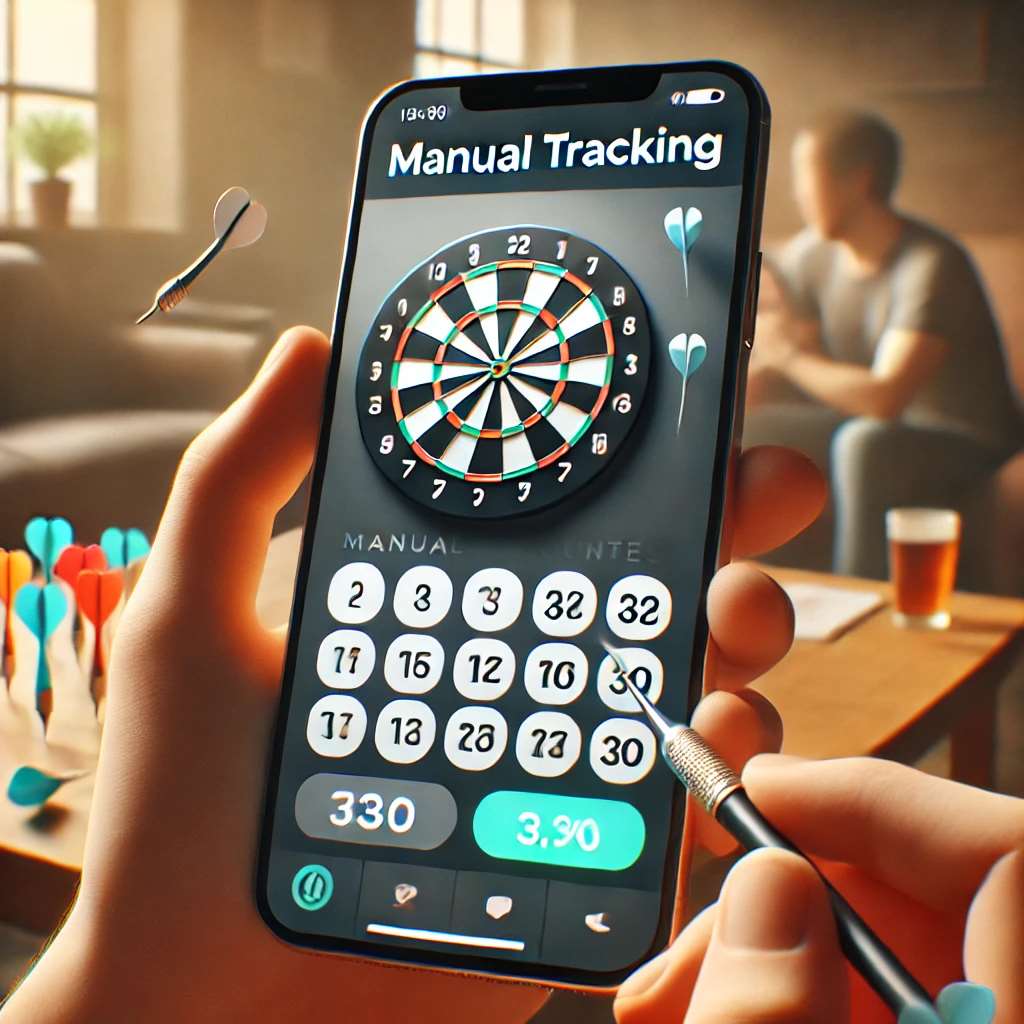
- Dart Scoring Apps: Many dart scoring apps include handicap features, which can automate the calculation and tracking of handicaps.
- Spreadsheet Software: Spreadsheet software like Microsoft Excel or Google Sheets can be used to create custom handicap calculators and track player statistics.
- Online Handicap Calculators: Several online handicap calculators are available for free.
By utilizing these tools, you can streamline the management of handicaps and ensure accuracy and fairness.
The Psychology of Handicaps in Darts
Understanding the psychological impact of handicaps is crucial for their successful implementation. Players must perceive the system as fair and equitable. A perceived imbalance can lead to frustration and diminished enjoyment, regardless of the actual mathematical accuracy of the handicap. Open communication and a willingness to adjust the system based on player feedback are essential to fostering a positive perception.
For weaker players, a well-implemented handicap can boost confidence and motivation, encouraging them to improve their game. Conversely, stronger players must accept the handicap as a challenge and avoid viewing it as an unfair imposition. A positive mental attitude from all participants is key to a successful and enjoyable handicap scoring darts match. You might find that How to make darts fairer with handicap rules further encourages your play style.
Handicap Scoring Darts Match: A Summary of Key Considerations
Effectively organizing a handicap scoring darts match involves careful planning and execution. The following points provide a concise summary of the crucial elements:
- Accurate skill assessment: Properly gauge each player’s abilities to ensure fair handicap assignment.
- Appropriate handicap system selection: Choose a system that aligns with the skill levels and preferences of the players.
- Transparent communication: Clearly explain the handicap system and calculations to all participants.
- Regular handicap adjustments: Adapt handicaps based on player performance to maintain balance and competitiveness.
- Positive and supportive environment: Foster a fun and encouraging atmosphere for all players.

By addressing these considerations, you can create a handicap scoring darts match that is both fair and enjoyable, promoting inclusivity and participation.
Conclusion
Implementing a handicap scoring darts match is a fantastic way to make the game more accessible and enjoyable for players of all skill levels. By understanding the different types of handicap systems, avoiding common mistakes, and focusing on creating a positive atmosphere, you can foster a more inclusive and competitive darts environment. Whether you’re organizing a casual game with friends or running a formal league, handicap systems can level the playing field and ensure that everyone has a chance to shine. So, grab your darts, implement a handicap, and get ready for some fun and exciting matches! Consider trying different Alternative darts rules for home play.
Ready to take your darts game to the next level? Research and implement a handicap system for your next match and experience the benefits firsthand!

Hi, I’m Dieter, and I created Dartcounter (Dartcounterapp.com). My motivation wasn’t being a darts expert – quite the opposite! When I first started playing, I loved the game but found keeping accurate scores and tracking stats difficult and distracting.
I figured I couldn’t be the only one struggling with this. So, I decided to build a solution: an easy-to-use application that everyone, no matter their experience level, could use to manage scoring effortlessly.
My goal for Dartcounter was simple: let the app handle the numbers – the scoring, the averages, the stats, even checkout suggestions – so players could focus purely on their throw and enjoying the game. It began as a way to solve my own beginner’s problem, and I’m thrilled it has grown into a helpful tool for the wider darts community.