Looking to improve your dart game while having a blast with friends? Discover how to transform practice into playful competition with engaging group practice fun darts games. This article unveils a variety of enjoyable drills and game formats perfect for sharpening your skills and fostering camaraderie on the oche. We’ll cover everything from classic adaptations to creative twists that will keep your dart nights exciting and productive.
⚠️ Still Using Pen & Paper (or a Chalkboard)?! ⚠️
Step into the future! The Dart Counter App handles all the scoring, suggests checkouts, and tracks your stats automatically. It's easier than you think!
Try the Smart Dart Counter App FREE!Ready for an upgrade? Click above!
Why Incorporate Group Practice Fun Darts Games?
Traditional dart practice can sometimes feel monotonous. Repeatedly throwing at the same targets, even with a focused goal, can lead to mental fatigue and diminished returns. Group practice fun darts games inject a dose of energy and motivation into your training sessions, transforming them into social events that you’ll actually look forward to. This approach offers several key benefits:
- Enhanced Motivation: Competition, even friendly, naturally increases your focus and drive to perform well.
- Improved Skill Development: Playing different games forces you to adapt your strategy and target different areas of the board, leading to a more well-rounded skillset.
- Increased Enjoyment: Let’s face it, having fun is essential for long-term improvement. When you enjoy what you’re doing, you’re more likely to stick with it and see results.
- Social Connection: Darts is a social game, and group practice reinforces that bond. Sharing laughs and friendly banter makes the entire experience more rewarding.
By incorporating fun darts games into your practice routine, you’re not just improving your throwing accuracy; you’re also building camaraderie and making the learning process more enjoyable. Consider exploring Darts Variants Fun Games for inspiration.
Classic Darts Games with a Practice Twist
Many traditional darts games can be easily adapted to serve as excellent practice tools. Here are a few examples:
501 and Around the World
These are staples for a reason. 501 (or 301 for shorter games) forces you to strategize your throws and hit specific doubles and triples to finish. **Around the World** (also known as Around the Clock) challenges your accuracy on every number on the board. For practice, consider these variations:
- 501 with Handicaps: Assign different starting scores based on skill level to even the playing field.
- 501 with Target Finishes: Choose specific doubles or triples that must be hit to win the game.
- Around the World – Weak Hand: Force players to use their non-dominant hand for a round or two.
- Around the World – Bullseye Challenge: Add a rule that hitting the bullseye advances you two or three numbers instead of one.
Cricket
Cricket is a strategic game that requires both accuracy and tactical thinking. Focus on closing out numbers efficiently and cutting off your opponents. A good variation is to require players to score a set number of points on a number *after* it’s been closed to add another layer of difficulty.
Creative Group Practice Fun Darts Games
Beyond the classics, there are endless possibilities for inventing your own group practice fun darts games. Here are a few ideas to get you started:
The Elimination Game
This game is simple but effective for improving accuracy under pressure. Choose a target number (e.g., 20). Each player throws three darts. If they don’t hit the target number at least once, they are eliminated. The last player standing wins. You can increase the difficulty by requiring a double or triple of the target number.
The High Score Challenge
Set a time limit (e.g., 5 minutes) and have each player throw as many darts as they can within that time. The player with the highest score wins. This game is great for improving your throwing rhythm and consistency. Vary this by focusing on specific areas of the board or requiring only scoring shots above a certain value to count.
The “Call Your Shot” Game
Before each throw, players must announce which section of the board they are aiming for (e.g., “Triple 19”, “Double 16”, “Bullseye”). If they hit their target, they score a point. If they miss, they lose a point. This game forces players to focus on their aim and develop better control. Exploring forgotten pub dart games might spark some additional creative ideas for this game.
Advanced Practice Games: Pushing Your Limits
For more experienced players, these advanced group practice fun darts games offer a greater challenge:
The Checkout Master
Write down a list of common and uncommon checkout combinations (e.g., 40, 81, 161). Players take turns attempting to checkout the listed scores. The first player to successfully check out all the scores wins. This sharpens your finishing skills under pressure.
The Combination Game
Choose a target score (e.g., 100). Players must reach that score using a specific combination of darts (e.g., two triples and a single). This forces players to think creatively and develop different scoring strategies.
The Blind Throw Challenge
With a partner acting as a guide, players must throw darts blindfolded, relying solely on verbal instructions. This exercise can help improve your proprioception (awareness of your body in space) and trust in your throwing motion. Remember to prioritize safety when playing blindfolded games.
Adapting Games for Different Skill Levels
One of the keys to successful group practice fun darts games is to adapt the rules to suit the skill levels of all players involved. Here are some tips:
- Handicaps: Give weaker players a head start or allow them to score more points per hit.
- Target Size: Increase the target size for beginners (e.g., count the entire 20 segment as a hit instead of just the single, double, or triple).
- Distance: Allow beginners to throw from a shorter distance.
- Simplified Rules: Modify the rules of complex games to make them easier to understand.
The goal is to create a level playing field where everyone feels challenged but not discouraged. Consider also researching obscure dartboard games list as a possible way to find other variations.
Tips for a Successful Group Practice Fun Darts Games Session
To ensure that your group practice fun darts games sessions are productive and enjoyable, keep these tips in mind:
- Set Clear Goals: Before you start, decide what skills you want to focus on during the session.
- Keep it Fun: Don’t take the games too seriously. The goal is to improve your skills while having a good time.
- Provide Feedback: Offer constructive criticism and encouragement to your fellow players.
- Take Breaks: Avoid burnout by taking regular breaks to rest and socialize.
- Track Your Progress: Keep track of your scores and improvements over time.
- Vary the Games: Keep things interesting by rotating through different games and challenges.
Essential Darts Equipment for Group Play
While the core of group practice fun darts games revolves around skill, having the right equipment enhances the experience:
- Dartboard: A high-quality sisal dartboard is essential for accurate scoring and durability.
- Darts: Ensure everyone has their own set of darts that are comfortable and well-balanced.
- Oche (Throwing Line): A clearly marked oche is important for fair play and consistent throwing distance.
- Dartboard Surround: A surround protects the wall from stray darts and reduces bounce-outs.
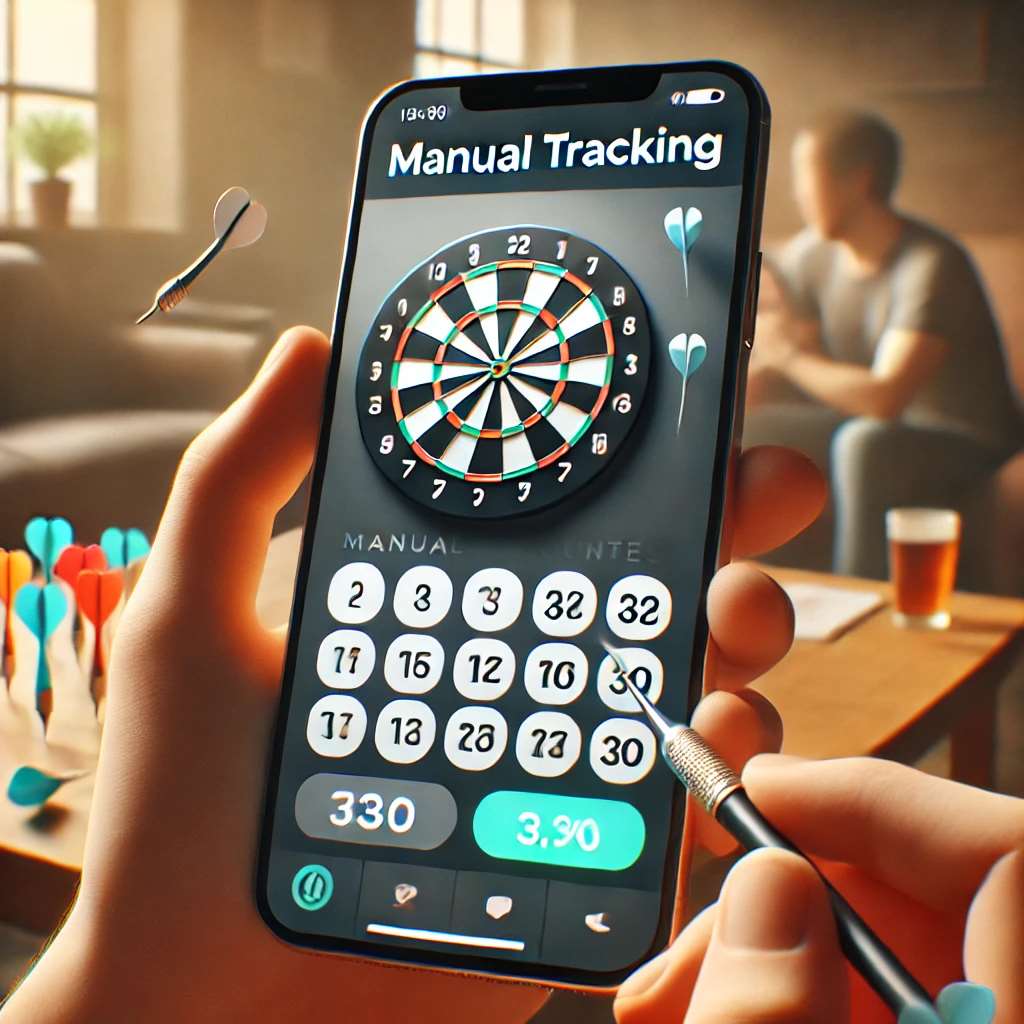
- Scoreboard: A scoreboard is necessary for keeping track of scores during games. Whiteboards, chalkboards, or even dedicated dart scoring apps are all viable options.
- Good Lighting: Proper lighting is crucial for visibility and accuracy. Make sure the dartboard is well-lit from above and that there are no shadows interfering with your vision.
The Mental Game: Staying Focused and Positive
Darts, at its heart, is a mental game. Even the most skilled throwers can falter if their mental state isn’t optimal. When engaging in group practice fun darts games, pay attention to your mindset as well as your throwing technique.
- Visualization: Before each throw, visualize the dart hitting your target.
- Positive Self-Talk: Encourage yourself with positive affirmations.
- Focus on the Process: Don’t get too caught up in the outcome of each throw. Focus on executing your technique properly.
- Stay Calm Under Pressure: When the game is on the line, take a deep breath and focus on your routine.
- Learn from Your Mistakes: Don’t dwell on missed throws. Analyze what went wrong and learn from the experience. You might also find tips related to improving performance by looking at content about ancient dart throwing games, even if indirectly related.
Remember, a positive and focused mindset is essential for consistent performance in darts. Avoid negativity and embrace the challenge of improving your game.
Safety First: Preventing Injuries During Group Practice
While group practice fun darts games are generally safe, it’s important to take precautions to prevent injuries:
- Keep Spectators at a Safe Distance: Ensure that spectators are standing well clear of the throwing area.
- Use a Dartboard Surround: A surround will protect the wall from stray darts and reduce bounce-outs, which can be a safety hazard.
- Check Darts for Damage: Regularly inspect your darts for loose flights or damaged points. Damaged darts can be unpredictable and potentially dangerous.
- Avoid Distractions: Minimize distractions in the throwing area to avoid accidental throws.
- Be Mindful of Your Surroundings: Pay attention to your surroundings and be aware of other people in the area.
By following these safety tips, you can ensure that your group practice sessions are safe and enjoyable for everyone.
Tracking Progress and Setting New Goals
To maximize the benefits of group practice fun darts games, it’s important to track your progress and set new goals regularly. Here are some ways to do that:
- Keep a Dart Journal: Record your scores, throwing technique, and any observations about your performance.
- Use a Dart Scoring App: Many dart scoring apps offer features for tracking your stats and progress.
- Set SMART Goals: Set specific, measurable, achievable, relevant, and time-bound goals for your dart game.
- Regularly Evaluate Your Progress: Review your progress on a regular basis and adjust your goals as needed.
By tracking your progress and setting new goals, you can stay motivated and continue to improve your dart game. Remember even the historical dart game variations were designed with progression and achievement in mind, though tracking methods might not have been as advanced.

Conclusion: Level Up Your Dart Game with Fun and Friends
Incorporating group practice fun darts games is a surefire way to elevate your dart skills while fostering camaraderie and enjoyment. By adapting classic games, inventing new challenges, and focusing on both the mental and physical aspects of the sport, you can transform your practice sessions into engaging and rewarding experiences. Remember to prioritize safety, adapt games to suit different skill levels, and track your progress to stay motivated. Ready to take your dart game to the next level? Gather your friends, choose a game, and start throwing! Remember, the best way to improve is to practice, and the best way to practice is to have fun. So, grab your darts and get ready to experience the joy of group practice fun darts games! Now, go forth and dominate the dartboard!

Hi, I’m Dieter, and I created Dartcounter (Dartcounterapp.com). My motivation wasn’t being a darts expert – quite the opposite! When I first started playing, I loved the game but found keeping accurate scores and tracking stats difficult and distracting.
I figured I couldn’t be the only one struggling with this. So, I decided to build a solution: an easy-to-use application that everyone, no matter their experience level, could use to manage scoring effortlessly.
My goal for Dartcounter was simple: let the app handle the numbers – the scoring, the averages, the stats, even checkout suggestions – so players could focus purely on their throw and enjoying the game. It began as a way to solve my own beginner’s problem, and I’m thrilled it has grown into a helpful tool for the wider darts community.