Understanding grip type preferences pro players employ offers valuable insights for players of all levels aiming to enhance their game; professional dart players tailor their grip to maximize accuracy and consistency. This article explores various grip types, the factors influencing a pro player’s choice, and how you can adapt these principles to improve your own dart throwing technique.
⚠️ Still Using Pen & Paper (or a Chalkboard)?! ⚠️
Step into the future! The Dart Counter App handles all the scoring, suggests checkouts, and tracks your stats automatically. It's easier than you think!
Try the Smart Dart Counter App FREE!Ready for an upgrade? Click above!
Decoding Grip Type Preferences Pro Players
The world of professional darts is a fascinating blend of skill, precision, and personal preference. Among the many factors that contribute to a player’s success, the grip is arguably one of the most crucial. Grip type preferences pro players show often vary greatly, shaped by individual hand size, throwing style, and years of experimentation.
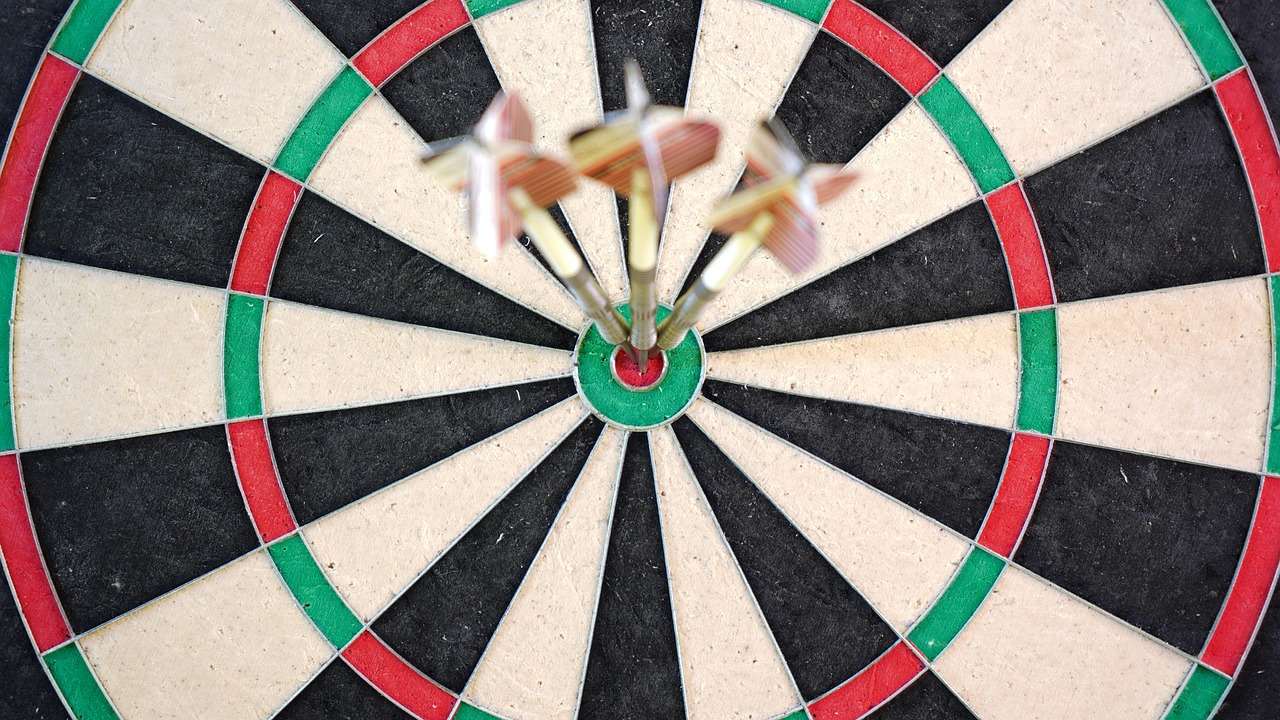
Different **dart grips** can affect the trajectory, release, and overall consistency of a throw. While there’s no “one-size-fits-all” solution, examining the grips favored by top professionals can provide valuable guidance for aspiring players. Let’s delve into some common grip styles and the pros who use them.
Common Grip Styles Used by Professionals
Several distinct grip styles are prevalent among professional dart players. Each offers unique advantages and disadvantages, and the ideal choice ultimately depends on the individual.
- The Two-Finger Grip: This minimalist grip involves holding the dart primarily between the thumb and one finger. It promotes a clean release and is favored by players who prioritize finesse over power.
- The Three-Finger Grip: The most common grip, providing a balance of control and stability. The dart is held between the thumb and two fingers, allowing for a more secure hold and greater power generation.
- The Four-Finger Grip: This grip offers maximum control and stability, but it can sometimes restrict the release. It’s suitable for players with larger hands or those who prefer a more deliberate throwing motion.
- The Pencil Grip: As the name suggests, this grip mimics holding a pencil, with the dart resting along the side of the index finger. It can promote a smooth, natural throwing motion.
Factors Influencing Grip Choices of Pro Players
The selection of a dart grip isn’t arbitrary; it’s a carefully considered decision influenced by several key factors. Understanding these factors can help you appreciate the nuances of grip type preferences pro players and make informed choices about your own grip.
Hand Size and Finger Length
The size of a player’s hand plays a significant role in determining the most comfortable and effective grip. Players with larger hands may find it easier to use a four-finger grip, while those with smaller hands might prefer a two- or three-finger grip. Similarly, finger length can influence the ideal finger placement on the dart barrel. Learning Choose Best Dart Equipment will help you consider all these factors.
Throwing Style and Release Point
A player’s throwing style, particularly their release point, is another crucial consideration. Players who release the dart early in their throwing motion might benefit from a more stable grip, while those with a later release point might prefer a grip that allows for greater finesse. The **consistency of the release point** is paramount, regardless of the grip style chosen.
Dart Barrel Design and Weight
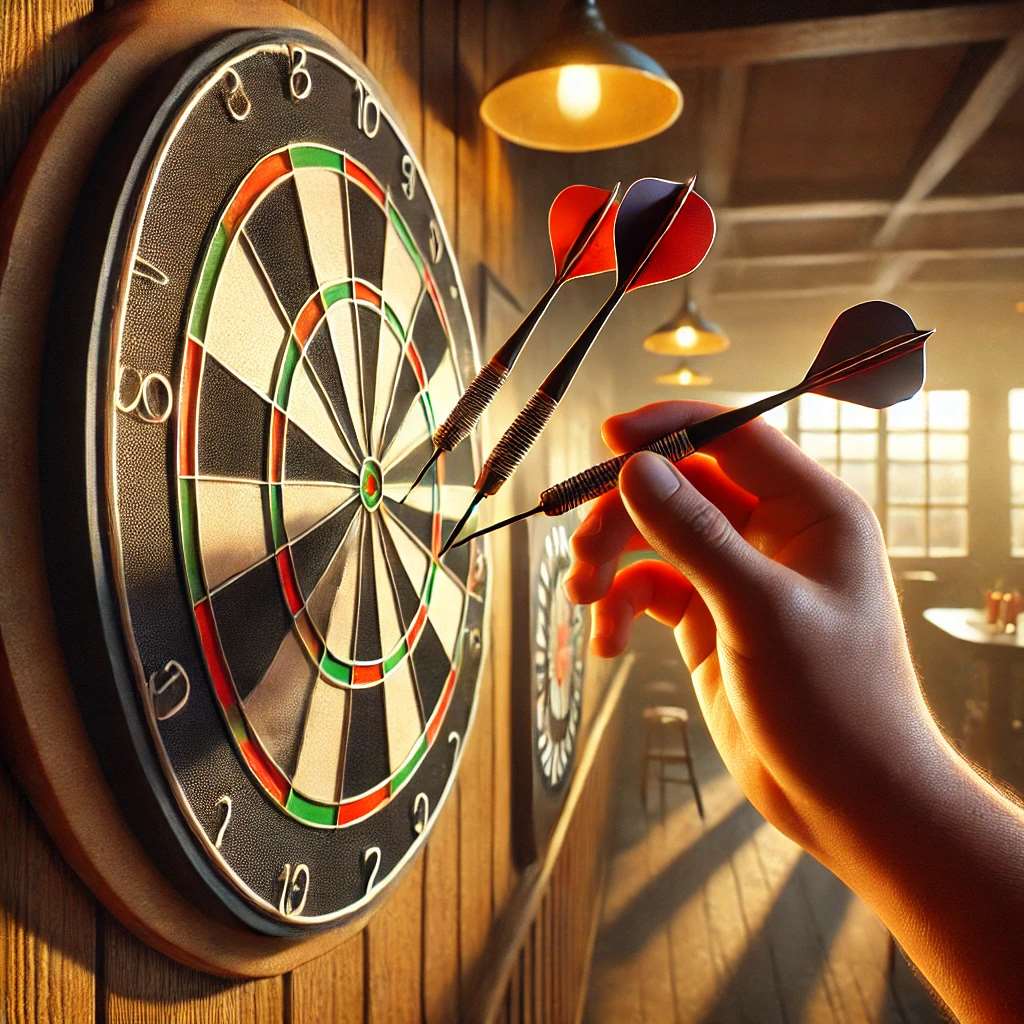
The design and weight of the dart barrel can also influence grip selection. A heavily knurled barrel might provide a more secure grip for players who prefer a lighter touch, while a smooth barrel might be better suited for those who prefer a firmer hold. Experimenting with different barrels and weights can help you identify the ideal combination for your grip style.
Examples of Pro Players and Their Grips
Examining the grip type preferences pro players display provides a concrete understanding of how these principles are applied in practice.
- Michael van Gerwen: Known for his powerful and aggressive throwing style, van Gerwen typically uses a three-finger grip, allowing for both control and force.
- Peter Wright: Wright’s flamboyant style extends to his grip, often employing a slightly modified three-finger grip with unique finger placement.
- Gary Anderson: Anderson’s smooth and effortless throwing motion is complemented by a relaxed two-finger grip.
These are just a few examples, and each player’s grip is a highly personalized adaptation. Remember that copying a pro’s grip verbatim may not necessarily work for you. The key is to understand the underlying principles and adapt them to your own individual needs.
Experimenting with Different Grip Styles
Finding the right grip is an iterative process that requires experimentation and patience. Don’t be afraid to try different grip styles and make adjustments until you find one that feels comfortable and produces consistent results. If you are looking at improving your dart set-up, you should look into Best Dartboard Lighting Systems.
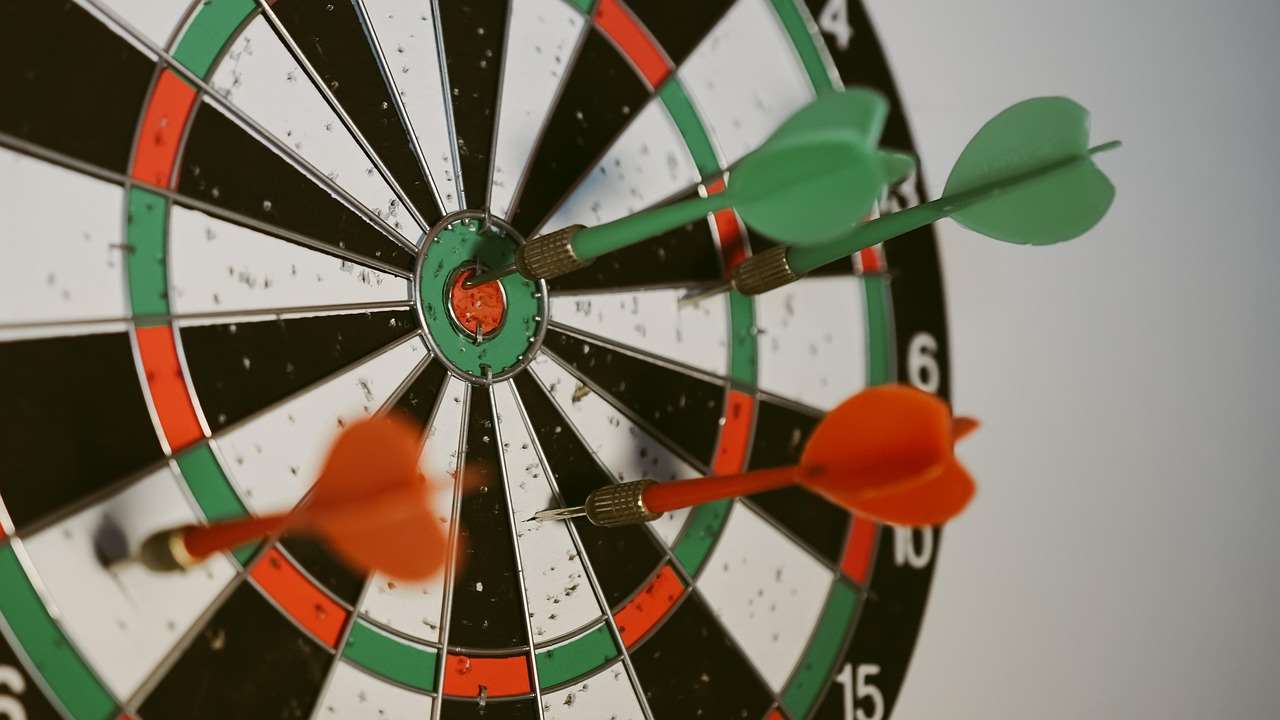
Tips for Finding Your Ideal Grip
- Start with the basics: Begin by trying the most common grip styles (two-finger, three-finger, four-finger) to get a feel for each.
- Focus on comfort: The grip should feel natural and comfortable in your hand. Avoid grips that feel forced or strained.
- Pay attention to your release: Observe how each grip affects your release point and the trajectory of the dart.
- Practice consistently: Once you’ve found a grip that feels promising, practice with it consistently to develop muscle memory.
- Record your throws: Use a camera to record your throws from different angles. This can help you identify inconsistencies and make adjustments to your grip.
Refining Your Grip for Optimal Performance
Once you’ve settled on a general grip style, you can further refine it to optimize your performance. Minor adjustments to finger placement, pressure, and wrist angle can make a significant difference.
- Finger Placement: Experiment with different finger positions on the dart barrel. Moving your fingers slightly forward or backward can affect the balance and control of the dart.
- Grip Pressure: Find the right balance between holding the dart securely and avoiding excessive pressure. A grip that’s too tight can restrict the release, while a grip that’s too loose can lead to inconsistencies.
- Wrist Angle: Pay attention to the angle of your wrist during the throw. A slight wrist flick can add power and spin to the dart, but it’s important to maintain consistency.
The Importance of a Consistent Grip
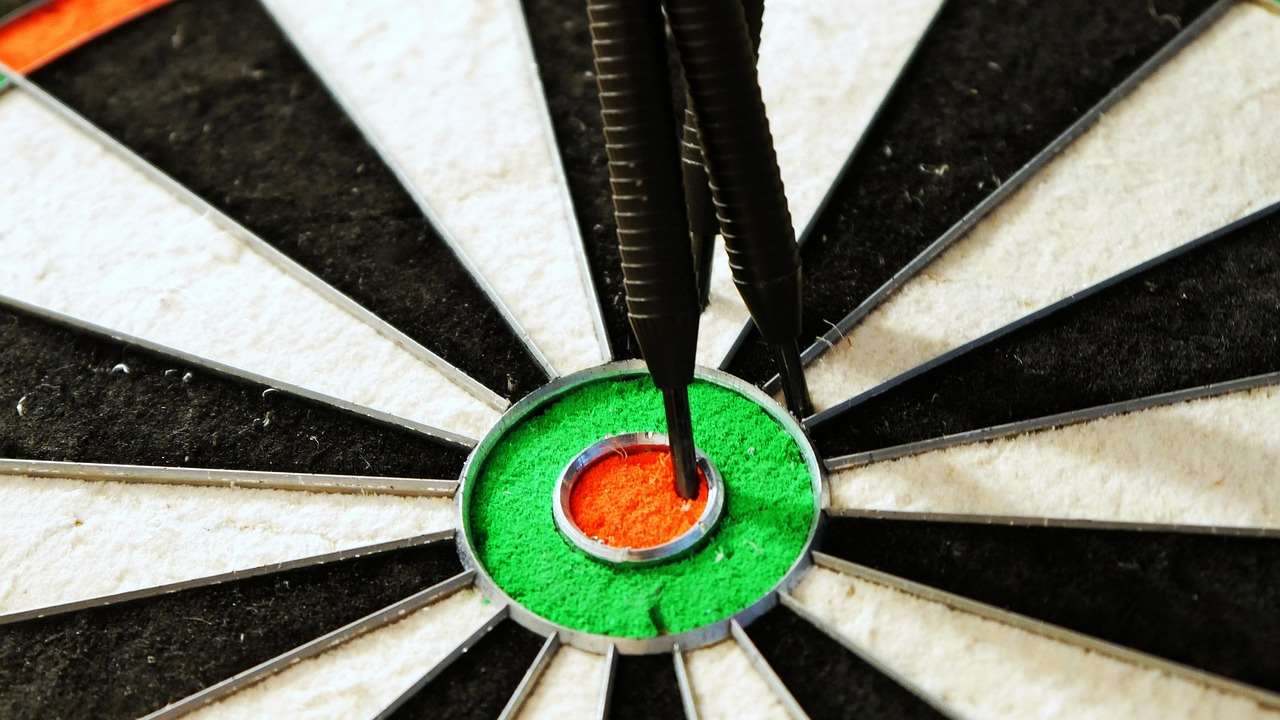
Regardless of the specific grip style you choose, consistency is paramount. A consistent grip will help you develop muscle memory and reduce variations in your throw, leading to greater accuracy and predictability. Maintaining a consistent grip also pairs well with making use of Optimal Dartboard Lighting Solutions Guide.
Drills to Improve Grip Consistency
Several drills can help you improve your grip consistency:
- Mirror Practice: Practice your grip in front of a mirror to ensure that your hand position is consistent from throw to throw.
- Blindfolded Practice: Practice your grip blindfolded to develop a better feel for the dart and your hand position.
- Target Practice: Focus on maintaining a consistent grip during target practice, even when you’re feeling pressured.
Adapting Pro Player Techniques to Your Own Game
While it’s tempting to mimic the grips of your favorite pro players, it’s important to remember that their grips are often highly personalized and may not be suitable for your own hand size, throwing style, or dart setup. Instead, focus on understanding the underlying principles and adapting them to your own game. This information goes hand-in-hand with needing to How To Light Your Dartboard.
Focus on Fundamentals, Not Imitation
Rather than trying to copy a pro’s grip exactly, focus on developing a solid understanding of the fundamentals of gripping a dart: comfort, control, and consistency. Once you’ve mastered the basics, you can experiment with minor adjustments to find what works best for you.
Seek Professional Guidance
If you’re struggling to find the right grip, consider seeking guidance from a qualified dart coach or experienced player. They can provide personalized feedback and help you identify areas for improvement. They can also help you identify any subtle flaws in your grip that you might not be aware of.
Conclusion
Understanding grip type preferences pro players use is a valuable starting point, but the journey to finding your perfect grip is a personal one. By experimenting with different grip styles, considering the factors that influence grip choice, and prioritizing consistency, you can develop a grip that enhances your accuracy, power, and overall dart throwing performance. Remember to focus on the fundamentals, adapt pro player techniques to your own game, and seek guidance when needed. Ultimately, the best grip is the one that feels most comfortable and produces the most consistent results for you. Now go out there, experiment, and refine your grip to elevate your game to the next level!

Hi, I’m Dieter, and I created Dartcounter (Dartcounterapp.com). My motivation wasn’t being a darts expert – quite the opposite! When I first started playing, I loved the game but found keeping accurate scores and tracking stats difficult and distracting.
I figured I couldn’t be the only one struggling with this. So, I decided to build a solution: an easy-to-use application that everyone, no matter their experience level, could use to manage scoring effortlessly.
My goal for Dartcounter was simple: let the app handle the numbers – the scoring, the averages, the stats, even checkout suggestions – so players could focus purely on their throw and enjoying the game. It began as a way to solve my own beginner’s problem, and I’m thrilled it has grown into a helpful tool for the wider darts community.