Confused by the jargon used in golf darts? This Golf darts terminology glossary guide breaks down all the common terms, from scoring methods to gameplay nuances, so you can understand and enjoy this engaging game. Inside, you’ll discover the meaning of essential phrases and terms, helping you level up your golf darts game.
⚠️ Still Using Pen & Paper (or a Chalkboard)?! ⚠️
Step into the future! The Dart Counter App handles all the scoring, suggests checkouts, and tracks your stats automatically. It's easier than you think!
Try the Smart Dart Counter App FREE!Ready for an upgrade? Click above!
Understanding the Basics: Golf Darts Terminology Glossary Guide
Golf darts, a fun and accessible variation of the classic game, has its own unique vocabulary. Familiarizing yourself with these terms is crucial for both beginners and seasoned players alike. We’ll walk through everything from how to score to describing different phases of the game. Think of this section as your essential reference guide to understanding the language of golf darts.
Core Scoring Terms
- Hole: In golf darts, a ‘hole’ refers to a specific target number on the dartboard, much like a hole on a golf course.
- Par: The expected number of darts it should take a player to hit the target number (the ‘hole’). Just like in golf, lower is better!
- Birdie: Hitting the target number (the ‘hole’) in one dart. Equivalent to one under par.
- Eagle: Hitting the target number (the ‘hole’) on your first dart when par is three. This is rare but exhilarating!
- Bogey: Failing to hit the target number (the ‘hole’) in the allotted number of darts (going over par).
- Double Bogey: Taking two darts over par to hit the target, resulting in a significantly higher score for that ‘hole.’
- Triple Bogey: The worst-case scenario! Taking three darts over par to hit the target.
Gameplay Terminology
- Course: A full round of golf darts, typically consisting of 9 or 18 ‘holes’ (target numbers).
- Tee Off: The start of each ‘hole’ or round, where you begin aiming for the target number.
- The Turn: If playing an 18-hole ‘course’, this refers to the completion of the first 9 holes.
Advanced Golf Darts Terminology and Strategies
Now that you have a grasp of the basic terms, let’s delve into some more advanced terminology and strategic concepts often used in golf darts. This section will help you understand not just *what* the terms mean, but also *how* they relate to gameplay strategy and dart throwing techniques.
Strategic Terms
- Course Management: Planning your dart throws strategically, considering the difficulty of each ‘hole’ (target number) and your own skill level.
- Safety Dart: Throwing a dart to avoid a potential ‘bogey’ or worse, even if it means sacrificing a chance at a ‘birdie’ or ‘eagle.’
- Comeback: This happens after a player has fallen behind the leading score, but stages a resurgence to challenge for the lead.
- Pressure Dart: When the success of a dart throw is critical to secure victory, avoid a loss, or maintain a lead.
Technique and Equipment Terminology
- Oche: The line behind which the player must stand when throwing darts.
- Stance: The player’s posture and foot placement when throwing, impacting their accuracy and consistency.
- Grip: The way a player holds the dart, influencing its trajectory and control.
- Follow Through: The motion of the arm after releasing the dart, vital for maintaining accuracy.
Understanding these terms allows you to better analyze your own game, communicate with other players, and follow professional golf darts matches (if they existed!). Knowing the standard dartboard setup also helps to ensure a fair game.
Specific Number Terminologies
While Golf Darts doesn’t have standard terms for hitting specific areas of the board like “double” or “triple” in standard darts, understanding the layout of the board and the probability of hitting specific numbers is important. You can use your general dart throwing skills to target specific numbers in this game!
Why Target Numbers Matter
Some target numbers in golf darts may be considered ‘easier’ or ‘harder’ based on their position on the dartboard. For example, a number surrounded by lower numbers may be deemed a safer target, even if it’s further away. Consider this when applying English Cricket darts strategy tips to Golf Darts.
Comparing Golf Darts to Other Dart Games
It’s helpful to compare golf darts to other dart games to fully appreciate its unique terminology. For example, while ‘Cricket’ in darts uses terms like ‘marks’ and ‘closures’, golf darts focuses on golf-related scoring terms. You can check out Darts Variants Fun Games for more information on other games!
Many players enjoy the simplicity of golf darts, especially as a social game, or as a training exercise. The focus on a defined set of numbers each round makes it easier to track progress and improve your darting accuracy.
Golf Darts Variations and House Rules
Like many dart games, golf darts is often subject to variations and house rules. These variations can introduce new terminology or alter the meaning of existing terms. Always clarify the specific rules being used before starting a game.
Common Variations
- Handicaps: Giving less skilled players extra ‘par’ attempts on certain ‘holes’ to level the playing field.
- Modified Scoring: Altering the scoring system, such as awarding bonus points for hitting the bullseye on a target number.
- Team Play: Playing in teams, with players alternating throws on each ‘hole.’
The Importance of Clarification
Before starting a game with a group, make sure to clarify any house rules or variations that will be in effect. This will prevent confusion and ensure that everyone is playing by the same rules. Agreeing on the specific target numbers English Cricket game rules is always a good idea.
Resources for Learning More About Golf Darts
If you’re looking to deepen your knowledge of golf darts and its terminology, here are some helpful resources:
- Online Forums: Participate in online dart forums and communities to ask questions and learn from experienced players.
- Darting Websites: Explore websites dedicated to darts, often including articles and guides on various dart games.
- Local Dart Leagues: Join a local dart league to gain practical experience and learn from fellow players.
Putting It All Together: A Comprehensive Golf Darts Terminology Glossary Guide
Let’s recap the key terms we’ve covered in this comprehensive Golf darts terminology glossary guide:
- Hole: The target number
- Par: The expected number of darts to hit the target
- Birdie: Hitting the target in one dart (one under par)
- Eagle: Hitting the target in one dart when par is three
- Bogey: Failing to hit the target in the allotted darts (over par)
- Course: A full round of 9 or 18 ‘holes’
- Oche: The throwing line
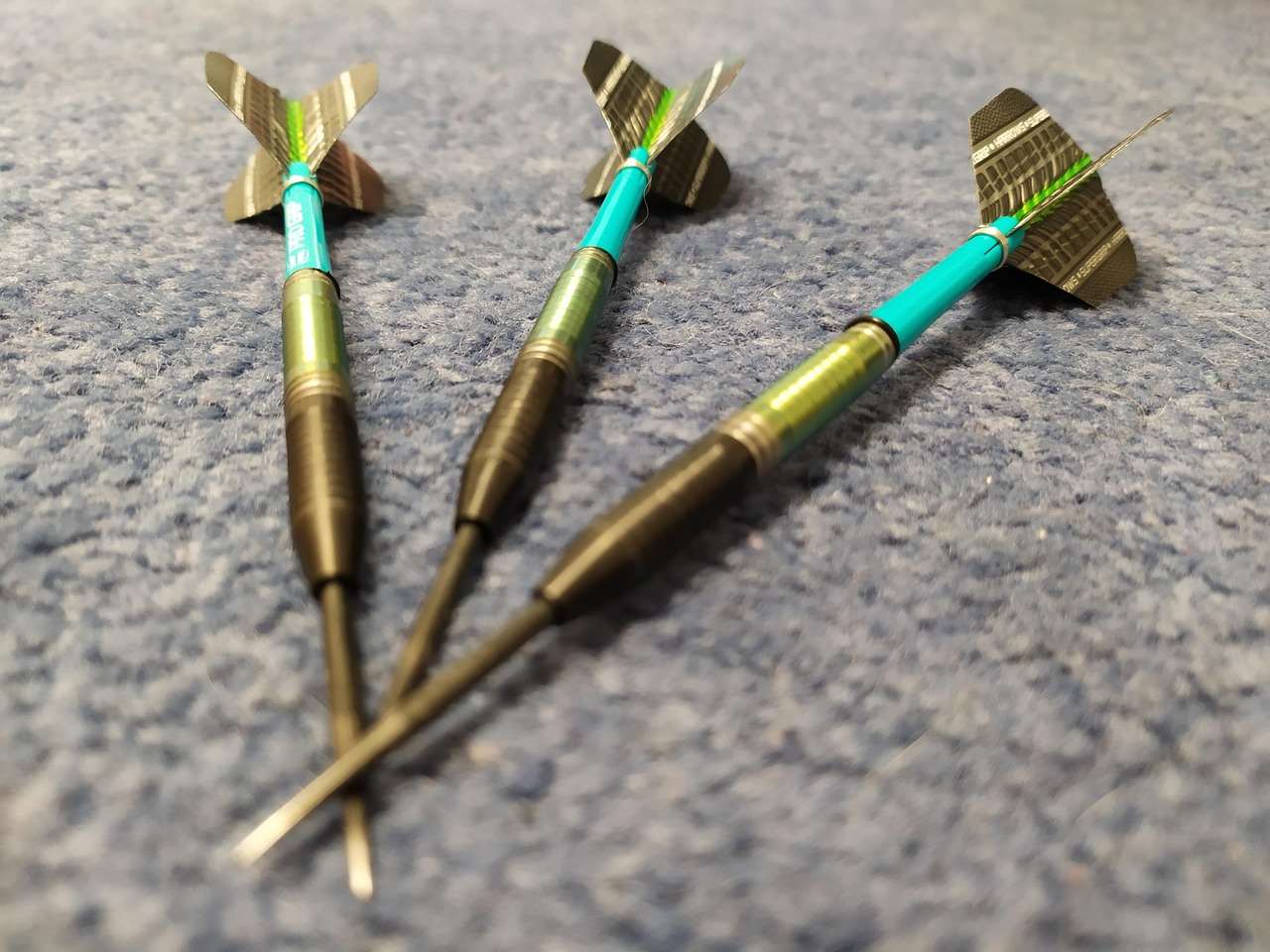
By mastering these terms, you’ll be well-equipped to understand and enjoy the exciting game of golf darts.
Conclusion: Sharpen Your Skills and Master Golf Darts Terminology
This Golf darts terminology glossary guide provides a solid foundation for understanding the language of this fun and engaging game. By learning these terms, you’ll not only enhance your gameplay experience but also be able to communicate more effectively with other players. Now, grab your darts, find a dartboard, and start putting your knowledge to the test! Want to explore another game? See Darts Variants Fun Games. Good luck and have fun mastering golf darts!

Hi, I’m Dieter, and I created Dartcounter (Dartcounterapp.com). My motivation wasn’t being a darts expert – quite the opposite! When I first started playing, I loved the game but found keeping accurate scores and tracking stats difficult and distracting.
I figured I couldn’t be the only one struggling with this. So, I decided to build a solution: an easy-to-use application that everyone, no matter their experience level, could use to manage scoring effortlessly.
My goal for Dartcounter was simple: let the app handle the numbers – the scoring, the averages, the stats, even checkout suggestions – so players could focus purely on their throw and enjoying the game. It began as a way to solve my own beginner’s problem, and I’m thrilled it has grown into a helpful tool for the wider darts community.