The evolution of darts equipment reflects shifting preferences and technological advancements, leading to significant generational differences in darts equipment. This article explores how dart materials, designs, and technologies have changed across generations, impacting gameplay and player experience; we will also cover the latest trends and how these changes influence the game.
⚠️ Still Using Pen & Paper (or a Chalkboard)?! ⚠️
Step into the future! The Dart Counter App handles all the scoring, suggests checkouts, and tracks your stats automatically. It's easier than you think!
Try the Smart Dart Counter App FREE!Ready for an upgrade? Click above!
The Evolution of Dart Materials
One of the most significant aspects reflecting generational differences in darts equipment is the evolution of dart materials. In the early days of darts, typically pre-1970s, darts were predominantly made from brass or wood. Brass darts were inexpensive to produce, making darts accessible to a wide audience. Wood darts, often homemade, were common in more rural settings. The grip on these darts was usually minimal, and the barrels tended to be thicker and heavier than modern darts.
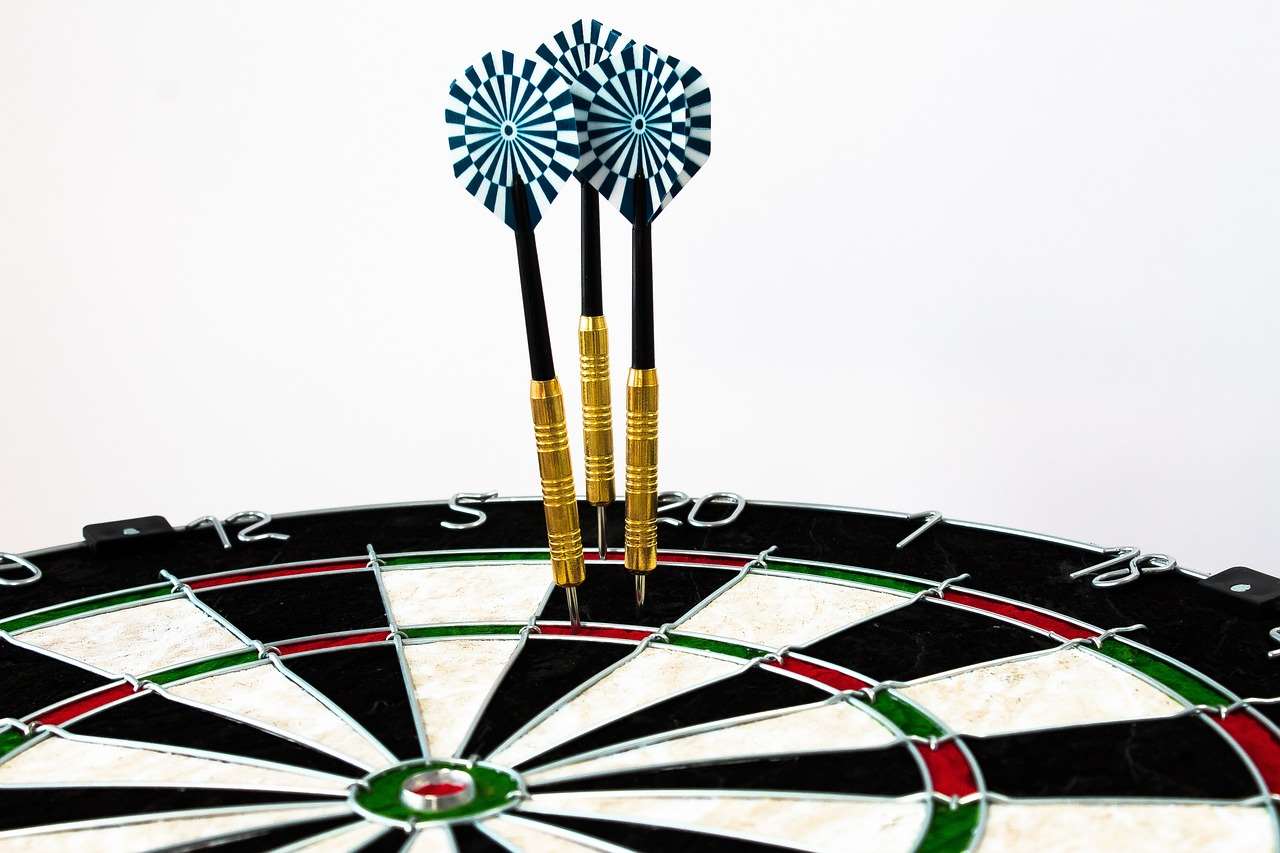
The introduction of tungsten darts revolutionized the sport. Tungsten is a much denser metal than brass, allowing manufacturers to create slimmer barrels while maintaining the same weight. This change had a profound effect on gameplay. Slimmer barrels meant that players could group their darts more tightly on the board, leading to higher scores and a greater emphasis on precision. Furthermore, tungsten’s durability meant that darts lasted longer, making them a worthwhile investment for serious players.
Today, tungsten alloys are the standard for professional darts. Different grades of tungsten are used, with higher percentages indicating greater density and therefore slimmer profiles. The choice of material significantly influences the dart’s balance, feel, and performance. Many darts players are part of a larger Darts Culture And Community Guide.
Dart Barrel Design: A Generational Shift
Alongside materials, the design of dart barrels has undergone a dramatic transformation. Older brass darts typically featured simple, rounded barrels with minimal gripping surfaces. These designs were easy to manufacture but offered little in the way of control and consistency.
As the game evolved, so did the sophistication of barrel designs. Knurling, a textured pattern etched into the barrel, became increasingly common. Knurling provides a better grip, allowing players to maintain a consistent hand position and release. Different types of knurling emerged, from coarse patterns for a firm grip to finer patterns for a more subtle feel.
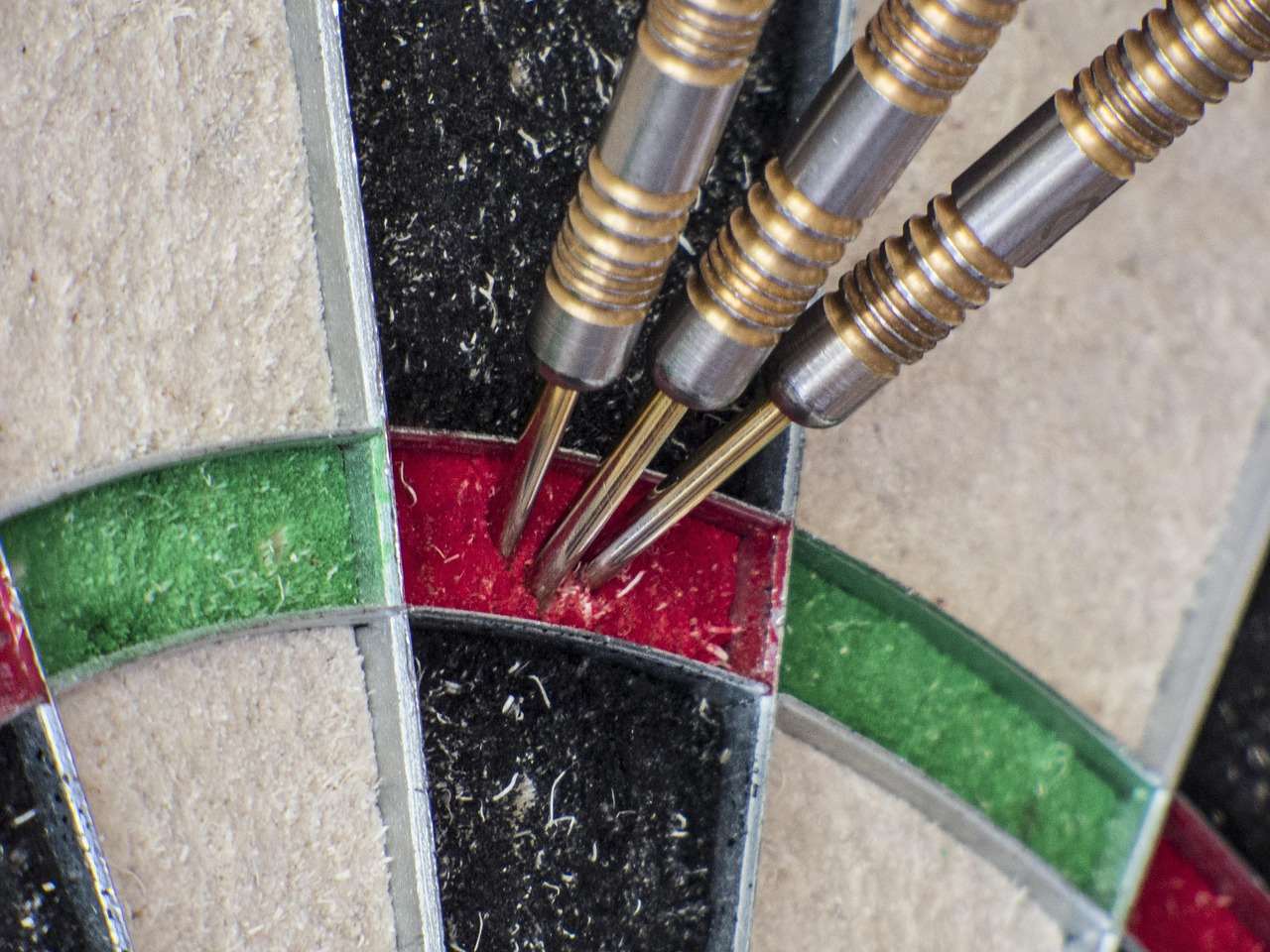
Modern dart barrels boast a wide array of designs, including scalloped shapes, rings, and strategically placed grooves. These designs are not merely aesthetic; they are engineered to provide specific grip points and promote consistent finger placement. Some manufacturers even offer custom barrel designs, allowing players to tailor their darts to their individual throwing styles. This level of customization was unheard of in previous generations. Consider that your Guide To Attending Darts Events should address these issues.
Grip Styles and Barrel Design
The ideal barrel design depends heavily on a player’s grip style. Players who grip the dart firmly might prefer a barrel with aggressive knurling or deep grooves. Those with a lighter grip may opt for a smoother barrel with subtle rings. Understanding your grip style is crucial when selecting darts, and the availability of diverse barrel designs caters to the diverse needs of today’s players.
Flights and Shafts: From Feathers to Polymers
The evolution of dart flights and shafts provides another clear example of generational differences in darts equipment. Early darts often used feather flights, which were fragile and inconsistent. Feathers were easily damaged, affecting the dart’s trajectory and requiring frequent replacements. Similarly, shafts were frequently made of wood which split very easily.
Celluloid flights were an early improvement, offering greater durability and consistency than feathers. However, celluloid flights were still prone to tearing and could be affected by humidity.
Today, flights are primarily made from durable synthetic materials such as polyester or nylon. These materials are resistant to tearing, hold their shape well, and are available in a wide range of shapes, sizes, and designs. The shape and size of the flight affect the dart’s stability and drag, influencing its trajectory. Smaller flights are generally used for faster throws, while larger flights provide greater stability.
Shafts have also undergone significant changes. Aluminum shafts are a popular choice, offering a good balance of durability and weight. Composite shafts, made from materials like carbon fiber, are even lighter and stronger. The length of the shaft affects the dart’s balance and trajectory. Shorter shafts tend to make the dart fly straighter, while longer shafts can provide more stability.
The Impact of Technology on Darts Equipment
Technological advancements have had a profound impact on darts equipment, leading to even greater generational differences in darts equipment. Computer-aided design (CAD) software allows manufacturers to create incredibly precise and intricate barrel designs. This precision translates to more consistent dart performance.
Advanced manufacturing techniques, such as CNC machining, enable the production of darts with extremely tight tolerances. This ensures that each dart in a set is virtually identical, promoting consistency and accuracy. Laser engraving is also used to create intricate grip patterns and personalized designs. The advances impact both soft tip and steel tip darts.
The Rise of Electronic Dartboards
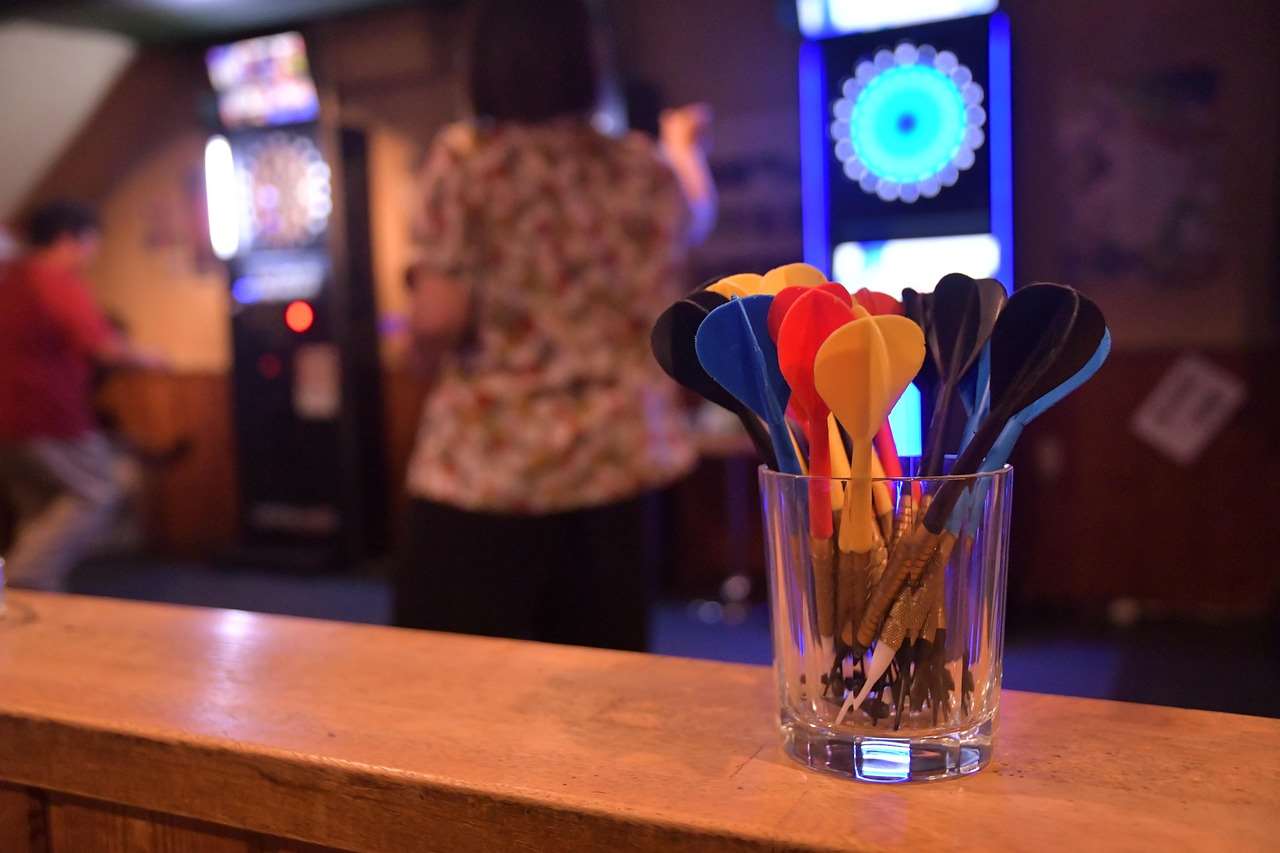
While traditional bristle dartboards remain popular, electronic dartboards have gained significant traction, particularly in home settings. Electronic dartboards automatically score the game, eliminating the need for manual scorekeeping. They also offer a variety of game options, making them appealing to casual players and beginners. Be sure to check out the Atmosphere At Live Darts Matches before you head out to play a match.
Electronic dartboards use plastic-tipped darts, which are specifically designed to stick in the board’s perforated surface. These darts are typically lighter than steel-tipped darts and often feature plastic barrels. The use of electronic dartboards has broadened the appeal of darts, making it more accessible to a wider audience.

Customization and Personalization: A Modern Trend
One of the defining characteristics of modern darts equipment is the emphasis on customization and personalization. Players can choose from a vast array of options to create darts that perfectly suit their individual preferences and throwing styles. This level of customization was simply not possible in previous generations. Many players also focus on consistent equipment.
Custom dart manufacturers offer services such as:
- Weight matching
- Barrel engraving
- Shaft and flight selection
- Personalized grip designs
This allows players to fine-tune every aspect of their darts, maximizing their performance and creating a unique set that reflects their individual style. The drive for personalized equipment underscores the increasing sophistication of the sport and the growing emphasis on achieving peak performance. Keep in mind that with all of this darts talk, the Experience Attending Live Darts is always worth it.
The Future of Darts Equipment
The evolution of darts equipment is an ongoing process. New materials, designs, and technologies are constantly being developed, pushing the boundaries of what is possible. Expect to see further advancements in areas such as:
- Smart darts with built-in sensors
- Flights with adjustable aerodynamics
- Customizable dartboard surfaces
- Enhanced grip technologies
As the sport continues to grow in popularity, manufacturers will undoubtedly continue to innovate, creating even more advanced and personalized equipment for players of all skill levels.
Understanding Generational Differences In Darts Equipment for Better Performance
Ultimately, understanding the generational differences in darts equipment can benefit players of all levels. By appreciating the evolution of dart materials, designs, and technologies, players can make informed decisions about their equipment choices and optimize their performance. Whether you prefer the classic feel of brass darts or the cutting-edge technology of modern tungsten darts, understanding the nuances of different equipment options can help you take your game to the next level.
Consider how these changes effect Travel Tips For Darts Tournaments.
Conclusion
From humble beginnings with brass and feather, darts equipment has undergone a remarkable transformation, resulting in significant generational differences in darts equipment. The introduction of tungsten, advanced barrel designs, durable synthetic flights, and sophisticated manufacturing techniques have revolutionized the sport, empowering players with greater precision, consistency, and customization options. By understanding these evolutions, players can make informed choices to enhance their gameplay. Ready to upgrade your game? Explore the latest darts equipment and find the perfect set to elevate your performance!

Hi, I’m Dieter, and I created Dartcounter (Dartcounterapp.com). My motivation wasn’t being a darts expert – quite the opposite! When I first started playing, I loved the game but found keeping accurate scores and tracking stats difficult and distracting.
I figured I couldn’t be the only one struggling with this. So, I decided to build a solution: an easy-to-use application that everyone, no matter their experience level, could use to manage scoring effortlessly.
My goal for Dartcounter was simple: let the app handle the numbers – the scoring, the averages, the stats, even checkout suggestions – so players could focus purely on their throw and enjoying the game. It began as a way to solve my own beginner’s problem, and I’m thrilled it has grown into a helpful tool for the wider darts community.