Achieving tight groupings in darts hinges significantly on your flight shape; selecting the correct flight can dramatically improve dart stability and consistency, leading to tighter patterns on the board. This article explores how different flight shapes influence dart trajectory and ultimately impact your ability to group your darts closely together, covering flight materials, sizes, and their ideal applications for various throwing styles.
⚠️ Still Using Pen & Paper (or a Chalkboard)?! ⚠️
Step into the future! The Dart Counter App handles all the scoring, suggests checkouts, and tracks your stats automatically. It's easier than you think!
Try the Smart Dart Counter App FREE!Ready for an upgrade? Click above!
Understanding How Flight Shape Impacts Dart Grouping
The flight shape for tight grouping isn’t a one-size-fits-all solution. It depends heavily on your throwing style, dart weight, and shaft length. The primary function of a dart flight is to provide aerodynamic stability to the dart in flight. This stability ensures the dart travels predictably and consistently towards the target. Different flight shapes achieve this stability in different ways, affecting the dart’s speed, angle of entry, and overall trajectory.
Consider these factors when choosing a flight:
- Dart Weight: Heavier darts generally benefit from larger flights to provide sufficient drag and stabilization.
- Shaft Length: Shorter shafts often pair well with smaller flights, while longer shafts might require larger flights for balance.
- Throwing Style: A hard, fast throw might require a different flight shape than a soft, looping throw.
Experimentation is key to finding the perfect flight shape that complements your individual dart setup and throwing technique.
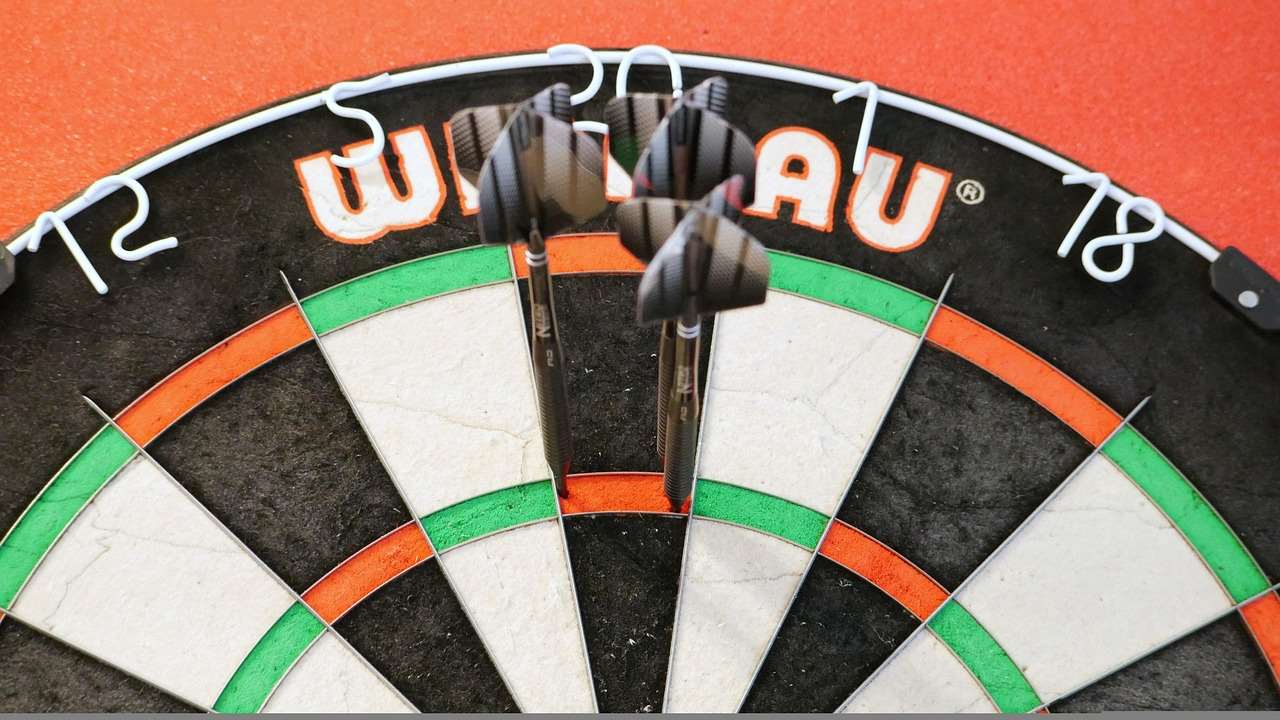
Popular Flight Shapes and Their Applications
Several common flight shapes are available, each designed to cater to specific playing styles and dart setups. Let’s explore some of the most popular options:
Standard Flights
Standard flights are the most common type, offering a large surface area for maximum stability. They are well-suited for beginners and players who prefer a slower, more controlled throw. Because of their size, they provide more drag, slowing the dart down and helping to straighten its path. This can be particularly beneficial for players who tend to wobble their darts.
Slim Flights
Slim flights have a smaller surface area than standard flights, resulting in less drag and a faster dart trajectory. These are often favored by experienced players who want to reduce air resistance and achieve a flatter, more direct throw. Choose Best Dart Equipment should be prioritized to maintain optimal performance with these flights.
Kite Flights
Kite flights offer a compromise between standard and slim flights. They provide a good balance of stability and speed, making them a versatile option for a wide range of players. The unique shape allows for a stable flight without excessive drag.
Vortex Flights
Vortex flights are designed with a unique aerodynamic profile to reduce turbulence and increase dart speed. These flights are often used by players who want to achieve a more consistent and accurate throw, particularly at longer distances. They are also very effective at combating the effects of poor release technique.

Material Matters: Flight Material and Durability
The material of your dart flights also plays a role in their performance and longevity. Common flight materials include:
- Polyester: Affordable and readily available, polyester flights are a good starting point for beginners. However, they are less durable than other options and can be prone to tearing.
- Nylon: Nylon flights offer increased durability and resistance to tearing compared to polyester. They are a good mid-range option for players who want a balance of performance and longevity.
- Mylar: Mylar flights are known for their exceptional durability and crisp, consistent shape. They are a popular choice among serious players who demand the best possible performance.
- Plastic/Molded Flights: These flights are extremely durable and maintain their shape exceptionally well. They often come as part of an integrated shaft/flight system.
Consider the cost, durability, and performance characteristics of each material when selecting your dart flights.
Optimizing Your Dart Setup for Tight Grouping
Achieving a tight grouping involves more than just selecting the right flight shape. It’s about optimizing your entire dart setup to work in harmony. This includes considering the dart weight, shaft length, and grip style.
Dart Weight and Flight Size
As mentioned earlier, dart weight plays a significant role in determining the appropriate flight size. Heavier darts typically require larger flights to provide sufficient drag and stabilization. Lighter darts, on the other hand, may perform better with smaller flights.
Shaft Length and Flight Shape
The length of your dart shafts also influences the optimal flight shape. Shorter shafts often pair well with smaller flights, while longer shafts may require larger flights for balance. Experimenting with different shaft lengths and flight shapes can help you fine-tune your dart’s trajectory and achieve a more consistent throw.
Grip Style and Flight Selection
Your grip style can also impact your flight selection. If you tend to release the dart with a lot of spin, you may benefit from using a flight that provides more stability. Conversely, if you have a clean, spin-free release, you may be able to use a smaller, faster flight.
Fine-Tuning Your Throwing Technique
Even with the perfect dart setup, inconsistent throwing technique can hinder your ability to achieve tight groupings. Focus on refining your stance, grip, and release to promote consistency and accuracy.
Stance and Balance
A stable and balanced stance is crucial for consistent dart throwing. Ensure your weight is evenly distributed and that you are comfortable and relaxed. Avoid swaying or shifting your weight during your throw.
Grip and Pressure
Maintain a consistent grip pressure throughout your throw. Gripping the dart too tightly can lead to tension and inaccuracy, while gripping it too loosely can cause the dart to slip or wobble.
Release and Follow-Through
Strive for a smooth and consistent release, following through with your arm towards the target. Avoid jerking or snapping your wrist, as this can disrupt the dart’s trajectory.
Consider exploring different techniques to see what works best for you; reading a Buying Guide Budget Premium Dart Sets can help improve your technique even further.
Practice Drills for Improved Grouping
Consistent practice is essential for honing your dart skills and achieving tighter groupings. Incorporate these drills into your practice routine:
- Target Practice: Focus on hitting specific targets on the board, such as the treble 20 or the bullseye.
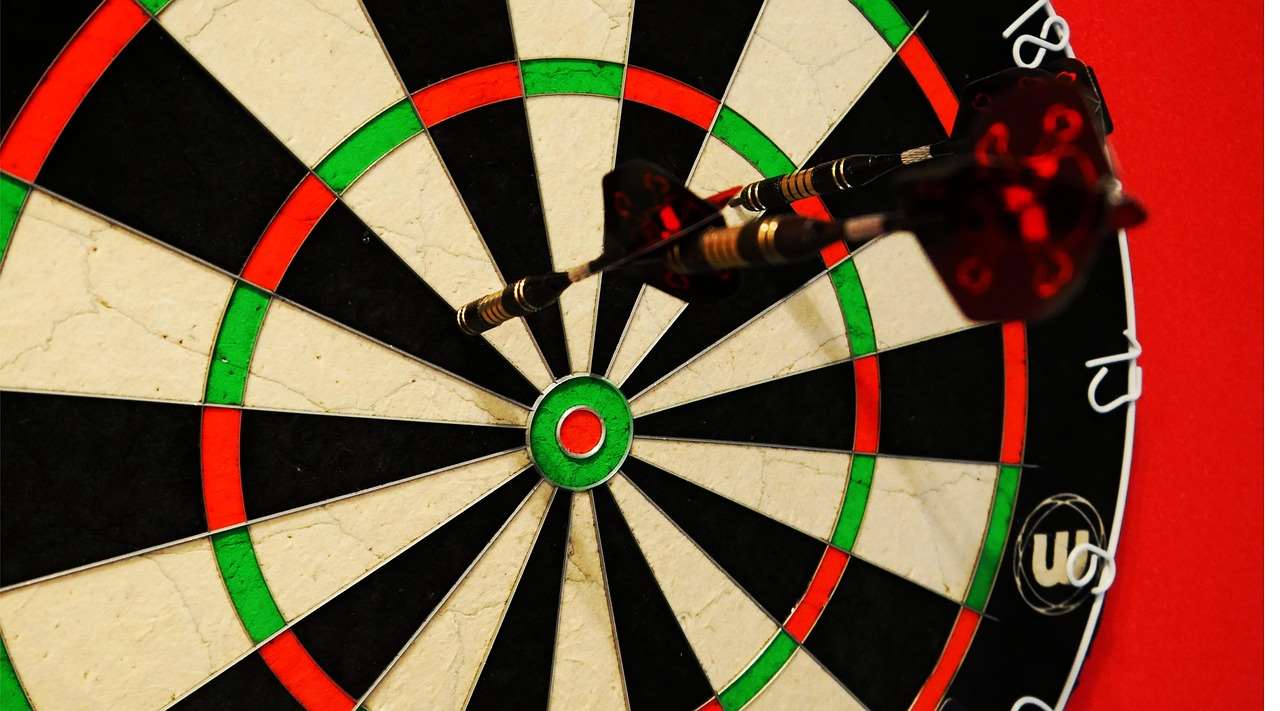
- Grouping Drills: Aim for a specific area on the board and try to group your darts as tightly as possible.
- Consistency Drills: Throw multiple sets of darts at the same target and analyze your groupings to identify areas for improvement.
Troubleshooting Common Flight Problems
Even with the right flight shape and technique, you may encounter some common flight-related problems. Here are a few troubleshooting tips:
- Dart Wobbling: This could indicate that your flights are too small or that your throwing technique is inconsistent. Try using larger flights or focusing on improving your release.
- Dart Dipping: This could be caused by flights that are too large or by a grip that is too tight. Try using smaller flights or loosening your grip.
- Dart Fishtailing: This often results from damaged flights or an inconsistent release. Replace your flights and focus on improving your follow-through.
Beyond Shape: Flight Accessories and Maintenance
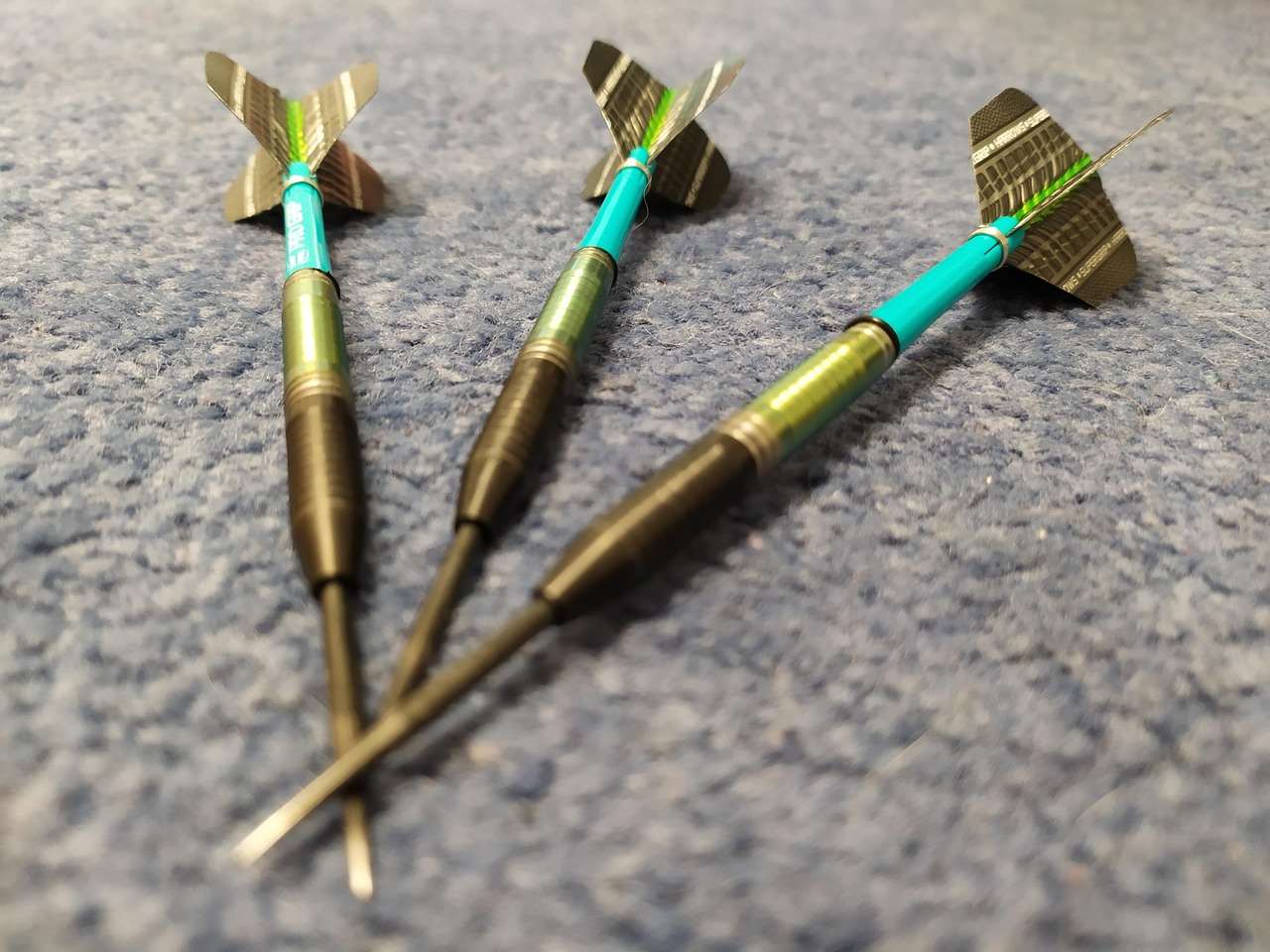
Don’t neglect the importance of flight accessories like flight protectors and flight punches. Flight protectors help to maintain the shape and integrity of your flights, preventing them from becoming damaged or deformed. Flight punches create a small hole in the flight, allowing you to securely attach it to the shaft with a ring or clip.
Regular maintenance is also key to extending the lifespan of your dart flights. Clean your flights periodically with a damp cloth to remove dirt and debris. Replace damaged or worn flights immediately to ensure optimal performance.
Conclusion
Selecting the right flight shape for tight grouping is a crucial step towards improving your dart game. By understanding how different flight shapes influence dart trajectory, optimizing your dart setup, and refining your throwing technique, you can achieve greater consistency and accuracy. Remember that experimentation is key to finding the perfect flight shape that complements your individual style. Don’t be afraid to try different options and see what works best for you. With dedicated practice and a well-chosen flight shape, you’ll be grouping your darts tighter than ever before. Investing in Investing In Premium Dart Equipment can provide an edge and boost your accuracy. Now, go out there, experiment with different flights, and watch your groupings shrink!

Hi, I’m Dieter, and I created Dartcounter (Dartcounterapp.com). My motivation wasn’t being a darts expert – quite the opposite! When I first started playing, I loved the game but found keeping accurate scores and tracking stats difficult and distracting.
I figured I couldn’t be the only one struggling with this. So, I decided to build a solution: an easy-to-use application that everyone, no matter their experience level, could use to manage scoring effortlessly.
My goal for Dartcounter was simple: let the app handle the numbers – the scoring, the averages, the stats, even checkout suggestions – so players could focus purely on their throw and enjoying the game. It began as a way to solve my own beginner’s problem, and I’m thrilled it has grown into a helpful tool for the wider darts community.