The key to achieving a **stable throw** lies in understanding and optimizing the **flight shape for stable throw**. By selecting the appropriate flight shape and material, you can minimize wobble and maximize accuracy. This article will delve into the various flight shapes, materials, and factors influencing dart stability, ultimately helping you improve your dart game.
⚠️ Still Using Pen & Paper (or a Chalkboard)?! ⚠️
Step into the future! The Dart Counter App handles all the scoring, suggests checkouts, and tracks your stats automatically. It's easier than you think!
Try the Smart Dart Counter App FREE!Ready for an upgrade? Click above!
Understanding the Impact of Flight Shape For Stable Throw
The **flight shape** of your dart plays a pivotal role in its aerodynamic properties. Different shapes interact with the air differently, affecting the dart’s speed, trajectory, and stability. A well-chosen flight shape can correct minor imperfections in your throw, while a poorly chosen one can exacerbate them, leading to inconsistent results.
One of the primary functions of a dart flight is to provide drag. This drag slows the dart down, preventing it from over-rotating. Over-rotation can cause the dart to wobble and veer off course. The more surface area a flight has, the more drag it will generate. Therefore, larger flights are often preferred by players who throw with a lot of force, as they help to stabilize the dart’s flight path.
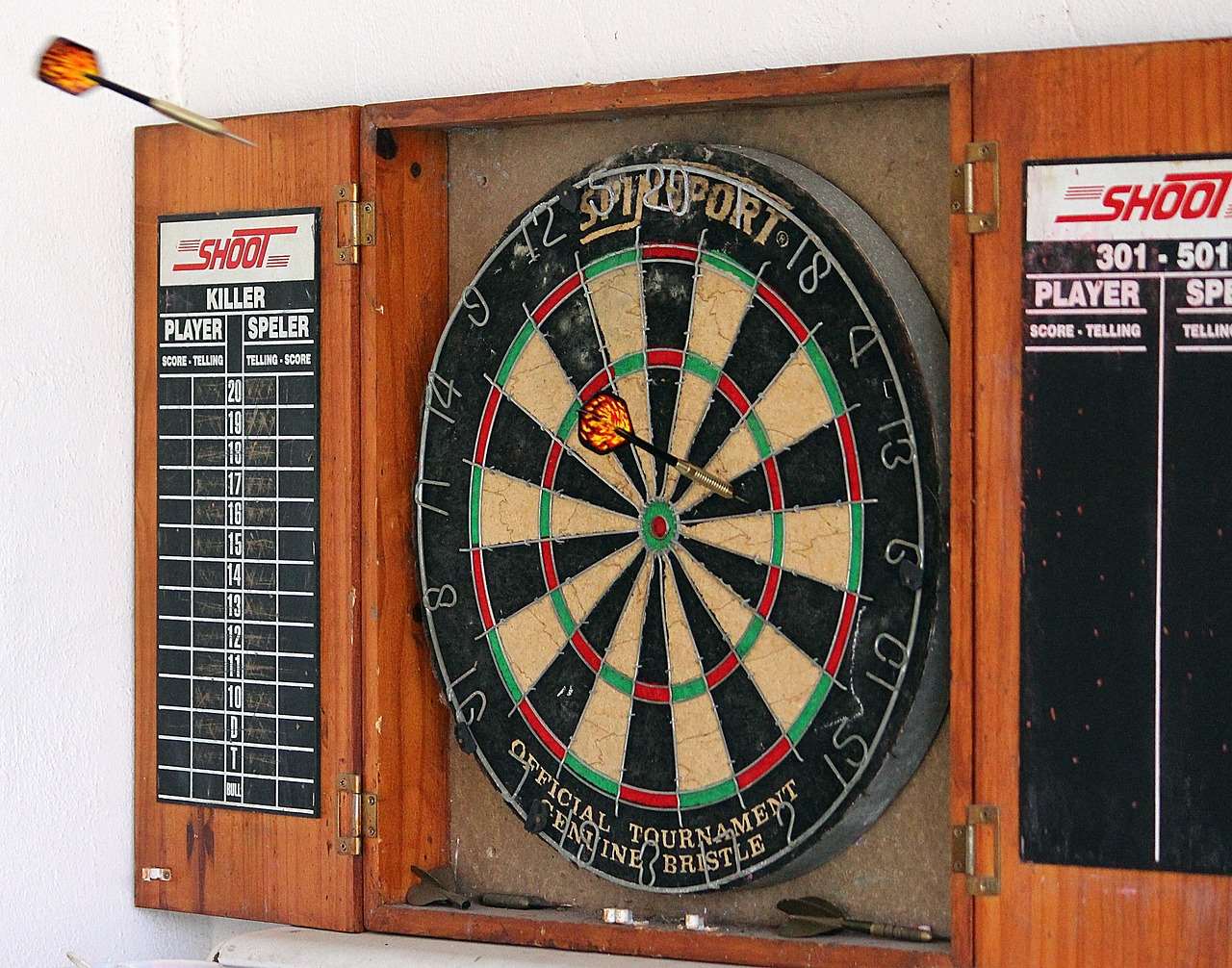
Conversely, smaller flights generate less drag and are suitable for players with a softer throw. These flights allow the dart to travel faster and straighter, making them ideal for players who prioritize accuracy over power. It’s crucial to find a balance that complements your throwing style and dart weight.
Key Factors Influencing Dart Stability
Several factors beyond the flight shape contribute to the overall stability of a dart in flight. These include:
- Dart Weight: Heavier darts tend to be more stable in flight due to their increased momentum. However, they also require more force to throw accurately.
- Dart Balance: The balance point of the dart affects how it rotates and behaves in the air. A well-balanced dart will fly straighter and more predictably.
- Shaft Length: The length of the shaft influences the dart’s center of gravity and its overall stability. Shorter shafts can offer more control, while longer shafts may provide more forgiveness.
- Throwing Technique: Your grip, stance, and release all play a crucial role in achieving a stable and consistent throw. Even the best darts won’t compensate for poor technique.
Improving your technique takes time and practice. Try watching professional dart players to understand their movements and strategies. You can also try different dart setups to find what works best for you.
Exploring Different Flight Shapes and Their Characteristics
The market offers a wide variety of dart flight shapes, each with its own unique characteristics and advantages. Understanding these differences is essential for selecting the right flight for your throwing style and dart setup. Here’s a look at some of the most common flight shapes:
- Standard Flights: These are the most common type of flight, offering a good balance of drag and stability. They are suitable for a wide range of players and throwing styles.
- Slim Flights: Slim flights have a smaller surface area than standard flights, resulting in less drag and a faster flight path. They are often preferred by players who prioritize accuracy and have a softer throw.
- Kite Flights: Kite flights are shaped like a kite, offering a good compromise between standard and slim flights. They provide decent stability and speed, making them a versatile option for many players.
- Pear Flights: Pear flights are wider at the top and taper towards the bottom, providing increased drag and stability. They are often used by players who throw with a lot of power and need extra control.
- Vortex Flights: Vortex flights have a unique shape with curved edges, designed to create turbulence and enhance stability. They are a more specialized option and may require some experimentation to find the right fit.
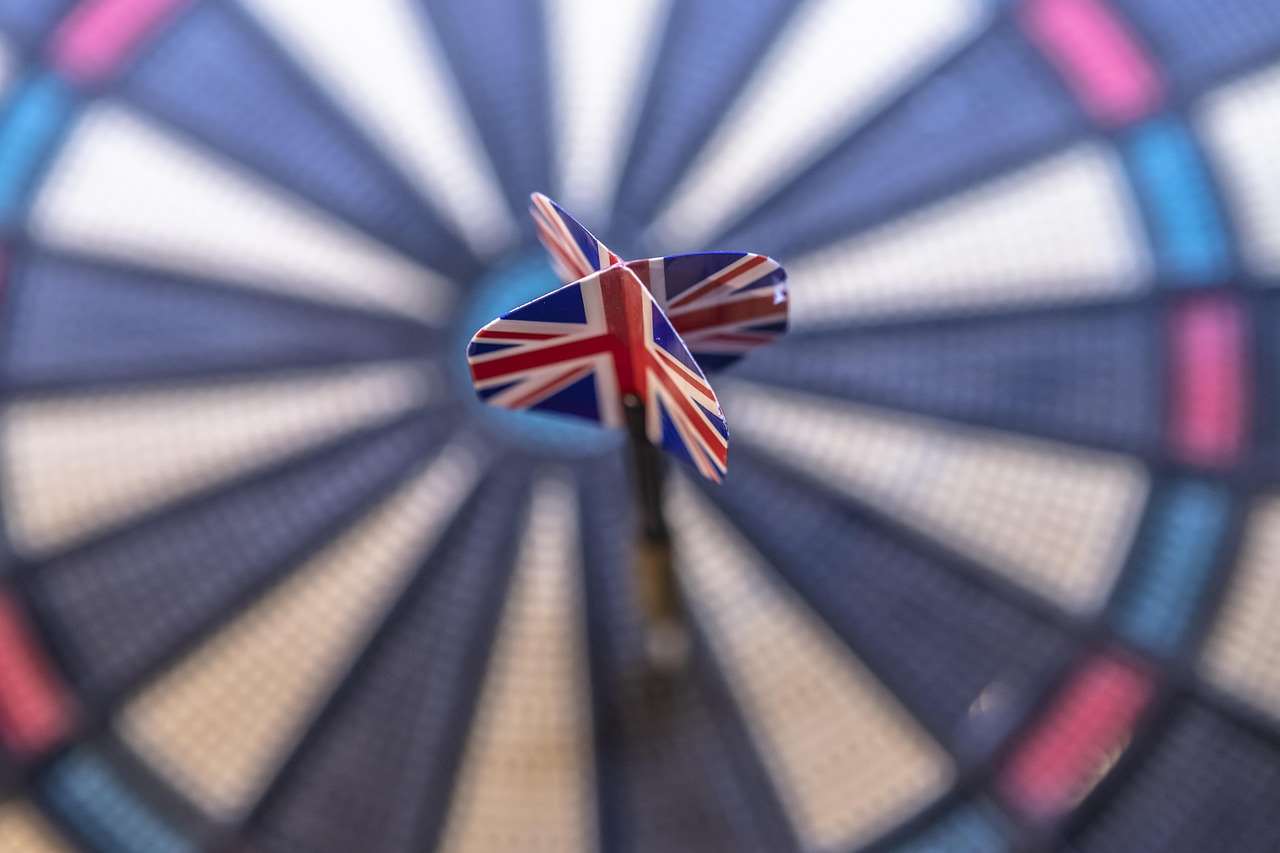
Experimentation is key. Don’t be afraid to try out different flight shapes to see how they affect your dart’s flight path and your overall accuracy. Consider visiting your local darts store to ask about different dart sets and try the flights out for size.
The Role of Flight Material in Achieving a Stable Throw
While the shape of the flight is important, the flight material also plays a significant role in its performance and durability. Common flight materials include:
- Polyester: Polyester flights are durable and resistant to tearing, making them a popular choice for recreational players.
- Nylon: Nylon flights are even more durable than polyester flights and offer excellent resistance to wear and tear. They are often preferred by serious players who demand the best performance and longevity.
- Mylar: Mylar flights are thin and lightweight, offering minimal drag and a fast flight path. However, they are also less durable than polyester or nylon flights and may require more frequent replacement.
- Plastic: Plastic flights are inexpensive and readily available, making them a good option for beginners. However, they are also the least durable type of flight and are prone to tearing and damage.
The choice of flight material depends on your playing style, budget, and personal preferences. If you’re looking for durability and longevity, nylon or polyester flights are the best options. If you prioritize speed and minimal drag, mylar flights may be a better choice. Regardless, it’s important to choose a material that is consistent and reliable to ensure a stable throw.
Flight Thickness and Its Impact on Performance
Another factor to consider is the thickness of the flight material. Thicker flights tend to be more durable and offer more drag, while thinner flights are lighter and provide less drag. The ideal thickness depends on your throwing style and dart weight. Players who throw with a lot of force may benefit from thicker flights, while players with a softer throw may prefer thinner flights.
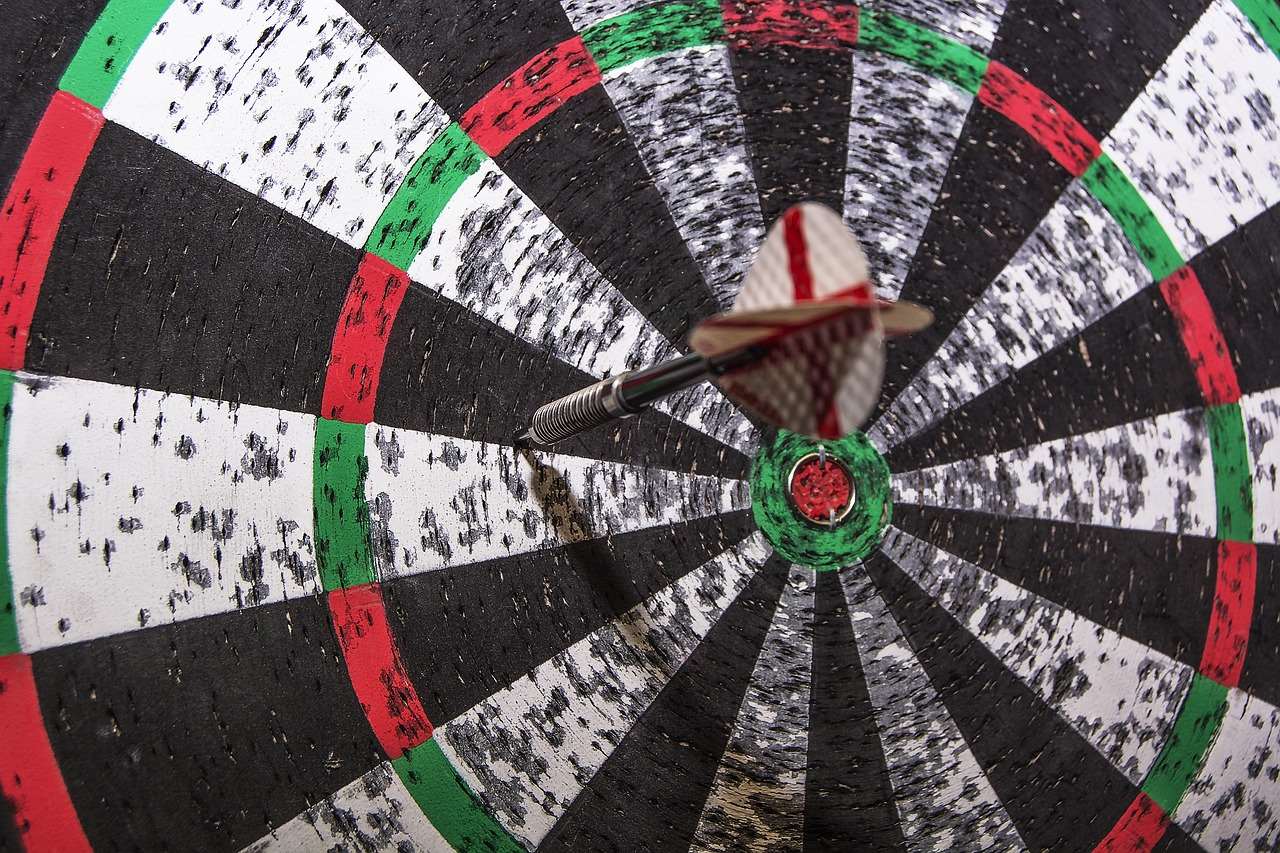
Also be mindful of tears in the flight itself. These can greatly impact the trajectory of your dart and it’s overall level of stability. Regularly assess your dart’s health and make any repairs or replacements if necessary. Maintaining your equipment can greatly enhance your performance over time.
Optimizing Your Flight Setup For a Stable Throw
Achieving a **stable throw** requires more than just choosing the right flight shape and material. You also need to optimize your flight setup to ensure that it complements your dart’s weight, balance, and shaft length. Here are some tips for optimizing your flight setup:
- Match Flight Size to Dart Weight: Heavier darts generally require larger flights to provide adequate drag and stability. Lighter darts may benefit from smaller flights.
- Experiment with Shaft Length: The length of the shaft affects the dart’s center of gravity and its overall stability. Try different shaft lengths to find the optimal balance for your throwing style.
- Consider Your Grip: Your grip can influence the dart’s release and its flight path. Adjust your flight setup to compensate for any inconsistencies in your grip.
- Pay Attention to Flight Wear and Tear: Worn or damaged flights can negatively impact your dart’s performance. Replace your flights regularly to maintain optimal stability and accuracy.
It’s also worth exploring different brands. Some companies specialize in certain types of flights or shafts. Compare dart sets to find flights and shafts of higher quality that are better suited for your personal goals. Ultimately, the goal is to minimize wobble and maximize accuracy. This requires a holistic approach that considers all aspects of your dart setup and throwing technique.
Troubleshooting Common Flight-Related Issues
Even with the right flight setup, you may still encounter issues that affect your dart’s stability and accuracy. Here are some common flight-related problems and how to troubleshoot them:
- Dart Wobbling: Wobbling can be caused by a variety of factors, including an improperly balanced dart, a damaged flight, or an inconsistent release. Try adjusting your grip, replacing your flights, or experimenting with different shaft lengths to address this issue.
- Dart Veering Off Course: Veering can be caused by an uneven release, a damaged flight, or an improperly aligned shaft. Pay attention to your release technique, inspect your flights for damage, and ensure that your shaft is securely attached to the barrel.
- Dart Falling Short: Falling short can be caused by insufficient force, too much drag, or an improperly weighted dart. Try increasing your throwing power, switching to smaller flights, or adding weight to the front of the dart.
- Dart Landing at an Angle: This can be caused by an inconsistent release or a misaligned flight.

By carefully analyzing your dart’s flight path and identifying any recurring issues, you can pinpoint the root cause of the problem and take steps to correct it. Remember, consistency is key to achieving a **stable throw**, so focus on maintaining a consistent grip, stance, and release.
Conclusion: Mastering Flight Shape For Stable Throw
Choosing the right **flight shape for stable throw** is a critical step in improving your dart game. By understanding the different flight shapes, materials, and factors influencing dart stability, you can optimize your setup and achieve a more consistent and accurate throw. Experiment with different flight options, pay attention to your throwing technique, and don’t be afraid to make adjustments until you find the perfect combination for your individual style.
Ultimately, the best way to improve your dart game is through practice and experimentation. Take the time to try out different flight shapes, materials, and setups to find what works best for you. And remember, consistency is key, so focus on maintaining a consistent grip, stance, and release every time you throw. Start experimenting with new flights and explore how you can improve your game today!

Hi, I’m Dieter, and I created Dartcounter (Dartcounterapp.com). My motivation wasn’t being a darts expert – quite the opposite! When I first started playing, I loved the game but found keeping accurate scores and tracking stats difficult and distracting.
I figured I couldn’t be the only one struggling with this. So, I decided to build a solution: an easy-to-use application that everyone, no matter their experience level, could use to manage scoring effortlessly.
My goal for Dartcounter was simple: let the app handle the numbers – the scoring, the averages, the stats, even checkout suggestions – so players could focus purely on their throw and enjoying the game. It began as a way to solve my own beginner’s problem, and I’m thrilled it has grown into a helpful tool for the wider darts community.