The ideal flight shape for competition boils down to achieving consistent trajectory and minimizing unwanted wobble, ultimately leading to higher scoring accuracy. This article will explore how different flight shapes influence dart performance, covering factors like dart weight, throwing style, and board distance, empowering you to select the perfect flight for your competitive edge.
⚠️ Still Using Pen & Paper (or a Chalkboard)?! ⚠️
Step into the future! The Dart Counter App handles all the scoring, suggests checkouts, and tracks your stats automatically. It's easier than you think!
Try the Smart Dart Counter App FREE!Ready for an upgrade? Click above!
Understanding Flight Shape For Competition: The Basics
The flight is the unsung hero of the dart world. While the barrel often gets all the attention, the flight is what stabilizes the dart and guides it to the target. Different shapes and sizes of flights impact aerodynamics, affecting the dart’s speed, stability, and trajectory. Understanding these nuances is crucial for any dart player aiming to enhance their game and find the perfect flight shape for competition.
Before diving into specific shapes, it’s important to understand the basic principles. A larger flight creates more drag, slowing the dart down and making it more stable. A smaller flight creates less drag, allowing the dart to travel faster but potentially making it less stable. The ideal balance depends on your throwing style and the weight of your dart.

Popular Flight Shapes and Their Characteristics
Several flight shapes are commonly used in competitive darting. Each offers unique advantages and disadvantages. Here’s a breakdown of some of the most popular options:
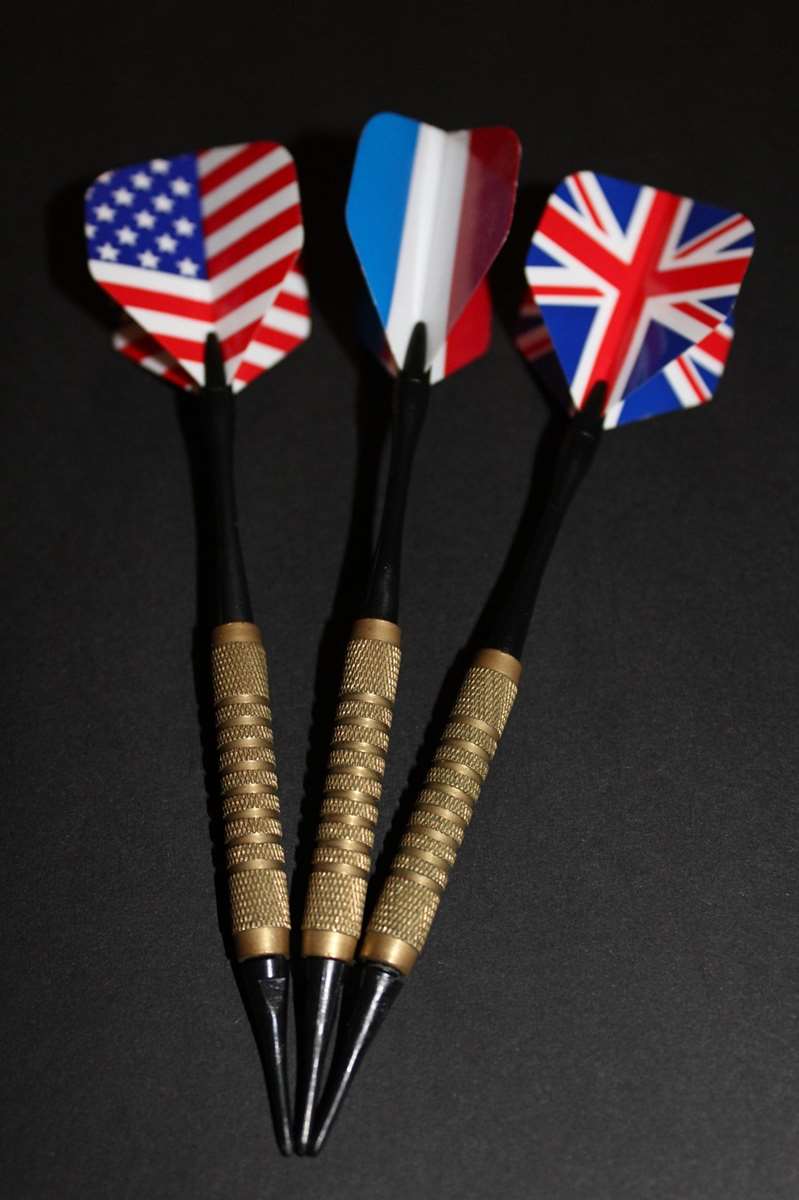
- Standard Flights: These are the classic, teardrop-shaped flights. They offer a good balance of stability and speed, making them a versatile choice for many players. They provide ample surface area for stabilization but can be more susceptible to deflections.
- Slim Flights: As the name suggests, slim flights are narrower than standard flights. They reduce drag and allow for a faster, more direct trajectory. They are often preferred by players with a strong, accurate throw. Consider the Best Budget Darts For Beginners which often come with standard shapes.
- Kite Flights: Kite flights are wider at the base and taper towards the tip. This shape provides excellent stability and is often favored by players who struggle with wobble or tail wag. They are very stable and can correct minor flaws in your throw.
- Pear Flights: Pear flights are similar to standard flights but are slightly shorter and wider. This shape provides a balance of stability and maneuverability.
- V12 Flights: These flights feature a unique, aerodynamic design with multiple surfaces intended to enhance stability and reduce turbulence. They’re less common, but some players find they offer improved accuracy.
Choosing the right flight shape involves experimentation. What works for one player might not work for another. Factors like throwing style, dart weight, and even personal preference play a significant role. Consider your current game and where you struggle most. Do you have difficulty with wobble? Are your darts landing too high or too low? The answers to these questions can guide you towards the most suitable flight shape for competition.
Dart Weight and Flight Shape: Finding the Right Balance
The weight of your dart is a critical factor in determining the ideal flight shape for competition. Heavier darts generally require larger flights to provide adequate stability, while lighter darts can often benefit from smaller, more aerodynamic flights. This is because heavier darts have more momentum and are less susceptible to being affected by air resistance, so a smaller flight helps maintain speed.
Here’s a general guideline:
- Heavier Darts (24g+): Standard or kite flights often work best.
- Medium Darts (22g-24g): Standard, pear, or slim flights can be effective.
- Lighter Darts (Under 22g): Slim or V12 flights are often preferred.
This is not a hard-and-fast rule, and experimentation is still crucial. Consider the grip and throw technique too. Players with a soft, controlled throw might be able to use smaller flights with heavier darts, while those with a more aggressive throw might need larger flights regardless of dart weight.
Throwing Style and Flight Characteristics
Your throwing style significantly influences which flight shape for competition will maximize your accuracy. Different throwing motions generate varying levels of spin and force, impacting how the dart behaves in flight.
Consider these points:
- Spin: Players who impart a lot of spin on their darts may find that smaller flights offer better control and prevent the dart from curving excessively.
- Release Point: A consistent release point is crucial for accuracy. However, even with a consistent release, minor variations can occur. Flights can help compensate for these variations. Larger flights are more forgiving of inconsistencies, while smaller flights require greater precision.
- Velocity: The speed at which you throw the dart also plays a role. Faster throws generally require more stable flights to prevent wobble and maintain trajectory.
If you’re unsure about your throwing style, videoing yourself throwing darts can provide valuable insights. Observe the dart’s flight path and identify any inconsistencies or issues. This information can help you narrow down your flight selection. Choosing the Choose Best Dart Equipment involves carefully considering your style.
Material Matters: Flight Durability and Performance
Flight material also plays a vital role in durability and performance. The most common materials are:
- Polyester: These are the most common and affordable type of flight. They offer good durability and are available in a wide variety of shapes and designs.
- Nylon: Nylon flights are more durable than polyester flights and are less prone to tearing. They are a good choice for players who are hard on their equipment.
- Mylar/Hard Flights: These flights are made from a thin, rigid plastic material. They are extremely durable and offer excellent stability. However, they can be more expensive and may not be suitable for all dartboards.
Consider your budget and playing frequency when choosing flight material. If you play regularly, investing in more durable flights can save you money in the long run. Additionally, damaged flights significantly impact dart performance, leading to unpredictable trajectories and reduced accuracy. Regularly inspect your flights for tears, bends, or other damage, and replace them promptly when necessary.
Flight Color and Visibility
While often overlooked, flight color can impact visibility, especially in dimly lit environments. Brighter colors, such as white, yellow, or neon green, are generally easier to see and track, allowing you to monitor your dart’s flight path and make adjustments as needed. Darker colors, such as black or navy blue, can be more difficult to see, especially against dark backgrounds.
Experiment with different colors to see what works best for you. Consider the lighting conditions in your regular playing environment. If you often play in dimly lit pubs or bars, brighter colors might be a better choice. Ultimately, the best color is the one that you find easiest to see and that helps you maintain focus on your target.
Flight Protectors and Accessories
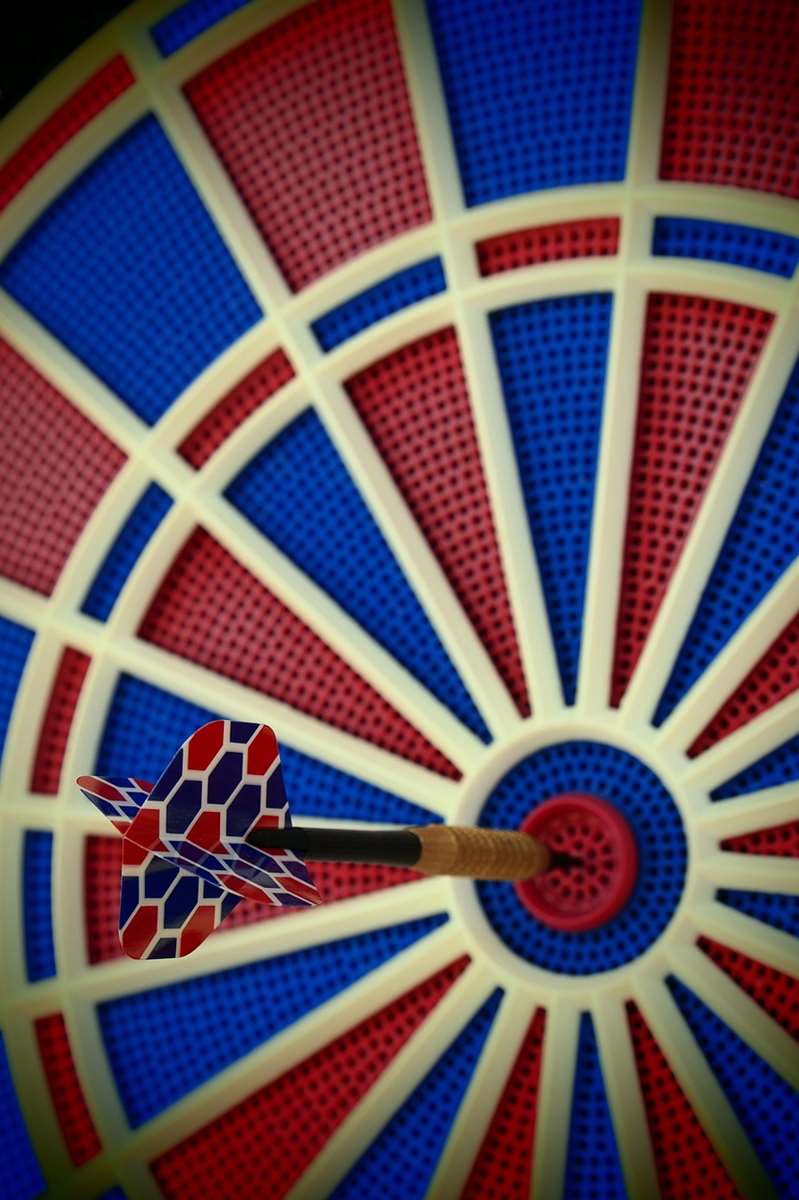
To extend the lifespan of your flights and improve their performance, consider using flight protectors. Flight protectors are small metal or plastic caps that fit over the end of the flight, preventing them from being damaged by incoming darts. They also help to keep the flights at a consistent 90-degree angle, which can improve stability and accuracy.
Other accessories, such as flight punches and flight springs, can also be useful. Flight punches create a small hole in the flight, allowing you to insert a flight spring. Flight springs help to keep the flights securely attached to the dart shaft and prevent them from falling off during play.
These accessories are relatively inexpensive and can significantly improve the longevity and performance of your flights. They are a worthwhile investment for any serious dart player.
Fine-Tuning Your Flight Setup: Experimentation is Key
Ultimately, the best flight shape for competition is the one that works best for you. There is no one-size-fits-all solution. Experiment with different shapes, sizes, and materials to find the combination that optimizes your performance. Keep a record of your results and track your progress. Over time, you’ll develop a better understanding of how different flights affect your game. Remember the Buying Guide Budget Premium Dart Sets can sometimes include different flight shapes to experiment with.
Don’t be afraid to try new things and challenge your assumptions. What works well for one player may not work well for another. Be open to experimentation and be willing to adjust your setup as needed. Continuously evaluate your performance and make changes accordingly. This iterative process will help you dial in your dart setup and achieve your full potential.
Advanced Flight Techniques: Understanding Aerodynamic Principles
For advanced players, delving deeper into aerodynamic principles can unlock further performance gains. Understanding concepts like lift, drag, and turbulence can provide valuable insights into how flights affect dart behavior in flight.
Here are some advanced considerations:
- Aspect Ratio: The aspect ratio of a flight (the ratio of its length to its width) affects its aerodynamic efficiency. Flights with a higher aspect ratio (longer and narrower) tend to generate less drag, while flights with a lower aspect ratio (shorter and wider) generate more drag.
- Airfoil Design: Some flights incorporate airfoil designs, similar to those used in aircraft wings. These designs are intended to generate lift and improve stability.
- Surface Texture: The surface texture of a flight can also affect its aerodynamic properties. Rougher surfaces can create more turbulence, which can increase drag but also improve stability.
While these concepts are complex, understanding them can help you make more informed decisions about your flight selection. Consider consulting with experienced dart players or coaches who have a strong understanding of aerodynamics. They can provide valuable guidance and help you optimize your setup for maximum performance.
Conclusion: Finding Your Optimal Flight Shape for Competition
Choosing the right flight shape for competition is a crucial aspect of improving your dart game. By understanding the different shapes, materials, and their impact on dart trajectory and stability, you can make informed decisions that enhance your accuracy and consistency. Remember to consider your dart weight, throwing style, and the specific characteristics of your dartboard when selecting your flights. Experimentation is key, so don’t be afraid to try different options until you find the perfect fit. The Quality Comparison Budget Premium Darts may give you additional insight.
Ultimately, the ideal flight shape for competition is the one that helps you achieve your highest possible score. Keep experimenting, keep learning, and keep practicing. With the right flights and consistent effort, you can take your dart game to the next level.
Ready to find your perfect flight setup? Start experimenting today and discover the difference the right flights can make! Good luck and happy darting!

Hi, I’m Dieter, and I created Dartcounter (Dartcounterapp.com). My motivation wasn’t being a darts expert – quite the opposite! When I first started playing, I loved the game but found keeping accurate scores and tracking stats difficult and distracting.
I figured I couldn’t be the only one struggling with this. So, I decided to build a solution: an easy-to-use application that everyone, no matter their experience level, could use to manage scoring effortlessly.
My goal for Dartcounter was simple: let the app handle the numbers – the scoring, the averages, the stats, even checkout suggestions – so players could focus purely on their throw and enjoying the game. It began as a way to solve my own beginner’s problem, and I’m thrilled it has grown into a helpful tool for the wider darts community.