Understanding the different **flight shapes** in darts is crucial for optimizing your game and achieving better accuracy, and these **Flight Shape FAQs** are designed to answer your most pressing questions. This article will delve into various flight shapes, their impact on dart trajectory, and how to choose the right flight for your throwing style, helping you to enhance your overall performance.
⚠️ Still Using Pen & Paper (or a Chalkboard)?! ⚠️
Step into the future! The Dart Counter App handles all the scoring, suggests checkouts, and tracks your stats automatically. It's easier than you think!
Try the Smart Dart Counter App FREE!Ready for an upgrade? Click above!
Understanding Flight Shapes: Answering Your Flight Shape FAQs
One of the most frequently asked questions we receive revolves around the variety of **flight shapes** available. It’s not just about aesthetics; the shape of your dart flights significantly influences its aerodynamics and stability during flight. Smaller flights generally result in faster, straighter trajectories, while larger flights provide more drag and stability, especially beneficial for players with less consistent throws.
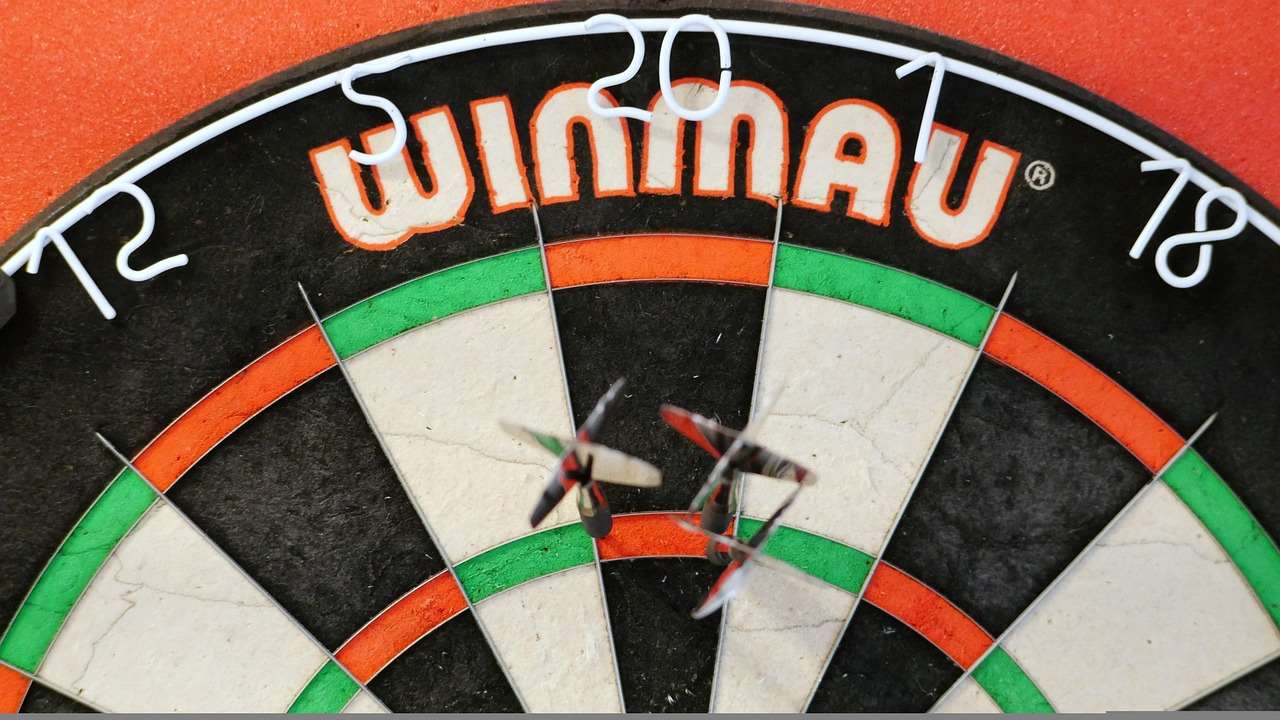
Let’s explore the primary flight shapes and their characteristics:
- Standard Flights: Offering a balanced surface area, standard flights are a great starting point for beginners. They provide a good mix of stability and speed, making them versatile for different throwing styles.
- Slim Flights: These flights are smaller and more streamlined, designed for players who prefer a faster, more direct trajectory. Slim flights reduce drag, but require a more consistent and powerful throw.
- Kite Flights: Similar to standard flights but with a slightly more elongated shape, kite flights offer a good balance of control and speed. They can be a good option for players transitioning from standard to slim flights or vice versa.
- Pear Flights: Pear-shaped flights are wider at the base, providing maximum stability and drag. They are often preferred by players who struggle with wobbling darts or who want to slow down their dart’s flight.
- Vortex Flights: Vortex flights have strategically placed cuts or holes, creating turbulence to stabilize the dart.
How Flight Shape Impacts Dart Trajectory
The shape of your flight determines how much air resistance your dart encounters during its journey to the board. More surface area means more drag, which slows the dart down and increases stability. Less surface area means less drag, resulting in a faster, flatter trajectory. Understanding this relationship is key to selecting the right flight for your throw. For instance, if you find your darts consistently tailing off to one side, a larger flight shape like the pear flight might help to correct this. Conversely, if your darts are arcing too much, a slimmer flight could be the answer. For more information on improving your equipment, you may Choose Best Dart Equipment.
Choosing the Right Flight Shape: A Practical Guide
Selecting the perfect flight shape for your darts depends on a combination of factors, including your throwing style, dart weight, and personal preference. Experimentation is key, but here are some general guidelines to get you started.
Matching Flight Shape to Throwing Style
Consider your throwing motion. Do you throw with a powerful, consistent release, or is your throw more relaxed and arcing? If you have a strong, accurate throw, slim flights might be ideal, as they will minimize drag and allow your dart to fly straight and fast. If your throw is less consistent or you tend to lob the dart, standard or pear flights can provide the extra stability you need. You can also compare Budget vs Premium Darts Compared for different equipment and throwing styles.
Dart Weight and Flight Shape Correlation
The weight of your darts also plays a role in flight selection. Heavier darts generally require larger flights to maintain stability, while lighter darts can perform well with smaller flights. For example, if you use a 26-gram dart, a standard or pear flight is likely to be more suitable than a slim flight. On the other hand, a 20-gram dart might perform optimally with slim or kite flights.
Experimentation is Key
Ultimately, the best way to determine the right flight shape is to experiment. Try different shapes and sizes and see which ones give you the most consistent and accurate results. Pay attention to how the dart feels in your hand and how it flies through the air. Don’t be afraid to mix and match flights until you find the perfect combination. What makes premium darts stand out in quality can also influence your choice, so consider What Makes Darts Premium Quality.
Flight Materials and Their Impact
While shape is a critical factor, the material of your dart flights also influences their durability and performance. The most common materials are polyester, nylon, and plastic, each with its own set of advantages and disadvantages.
Polyester Flights: Durability and Affordability
Polyester flights are generally the most affordable option and offer decent durability. They are resistant to tearing and bending, making them a good choice for casual players or beginners. However, they can be less rigid than other materials and may not hold their shape as well over time.
Nylon Flights: Enhanced Rigidity and Performance
Nylon flights are more rigid than polyester flights, providing better stability and consistency. They are also more resistant to wear and tear, making them a good investment for serious players. However, nylon flights can be more expensive than polyester flights.
Plastic Flights: Integrated Systems and Enhanced Lifespan
Plastic flights often come as part of integrated systems, where the flight and shaft are combined into a single unit. These systems offer exceptional durability and consistency, as there are no separate parts to come loose or break. However, they can be more expensive than traditional flights and may require specialized shafts. Before you buy, think about Buying Guide Budget Premium Dart Sets.
Maintaining Your Dart Flights
Proper maintenance of your dart flights can extend their lifespan and ensure consistent performance. Here are some tips for keeping your flights in top condition:
- Check for Damage: Regularly inspect your flights for tears, bends, or other signs of damage. Replace damaged flights immediately to prevent inconsistencies in your dart’s flight.
- Clean Your Flights: Wipe your flights clean with a soft cloth to remove dust, dirt, and debris. This will help to maintain their aerodynamic properties.
- Store Your Darts Properly: When not in use, store your darts in a case or holder to protect the flights from damage.
- Use Flight Protectors: Consider using flight protectors to prevent the flights from being damaged by incoming darts.
Troubleshooting Common Flight Issues
Even with the right flight shape and proper maintenance, you may still encounter some common issues. Here are some troubleshooting tips:
Dart Wobbling or Fish-Tailing
If your dart is wobbling or fish-tailing in flight, it could be due to a number of factors, including damaged flights, an inconsistent release, or an imbalance in your dart setup. Try replacing your flights, focusing on a smooth and consistent release, and experimenting with different shaft lengths to see if that helps. Considering Investing In Premium Dart Equipment might solve some issues as well.
Darts Landing at an Angle
If your darts are consistently landing at an angle in the board, it could be due to an incorrect flight shape or an inconsistent grip. Try experimenting with different flight shapes and paying attention to your grip to ensure that you are holding the dart consistently. Try understanding the Difference Budget Premium Darts to make sure you have the right equipment.

Flights Falling Out Frequently
If your flights are constantly falling out of the shaft, it could be due to worn-out shafts or flights. Try replacing both the flights and shafts to see if that solves the problem. You can also use flight rings to secure the flights more tightly to the shaft.
Advanced Flight Customization
For experienced players, advanced flight customization can provide a competitive edge. This involves fine-tuning your flight setup to optimize your dart’s trajectory and performance based on your specific throwing style and preferences.
Using Different Flight Shapes for Different Darts
Some players use different flight shapes for different darts, depending on the situation. For example, they might use slim flights for their primary darts and standard flights for backup darts. This allows them to adapt to different playing conditions and maintain consistency. Take the time to see the Finding Value Budget Dart Sets.
Adjusting Flight Size Based on Conditions
Wind conditions can also affect dart flight. In windy conditions, larger flights can provide more stability and prevent the dart from being blown off course. Conversely, in calm conditions, smaller flights can provide a faster, more direct trajectory.

By understanding these **Flight Shape FAQs**, experimenting with different setups, and maintaining your equipment properly, you can optimize your dart game and achieve consistent, accurate throws.
Conclusion
Mastering dart flight selection is a nuanced process that blends understanding aerodynamics with personal experimentation. By addressing the common questions outlined in these **Flight Shape FAQs**, you can begin to tailor your equipment to your unique throwing style. Remember, the ideal flight shape will balance speed and stability, ultimately leading to improved accuracy and consistency on the dartboard. So, take the knowledge you’ve gained, try different flight shapes, and elevate your game! Don’t forget to check out our range of dart flights to find the perfect match for your throwing style and to Choose Best Dart Equipment!

Hi, I’m Dieter, and I created Dartcounter (Dartcounterapp.com). My motivation wasn’t being a darts expert – quite the opposite! When I first started playing, I loved the game but found keeping accurate scores and tracking stats difficult and distracting.
I figured I couldn’t be the only one struggling with this. So, I decided to build a solution: an easy-to-use application that everyone, no matter their experience level, could use to manage scoring effortlessly.
My goal for Dartcounter was simple: let the app handle the numbers – the scoring, the averages, the stats, even checkout suggestions – so players could focus purely on their throw and enjoying the game. It began as a way to solve my own beginner’s problem, and I’m thrilled it has grown into a helpful tool for the wider darts community.