Understanding flight shape and deflection is crucial for any dart player looking to improve their accuracy and consistency. By mastering these concepts, players can manipulate the trajectory of their darts, compensate for errors, and ultimately achieve higher scores. This article explores the various flight shapes, how they impact dart trajectory, and techniques for understanding and managing dart deflection.
⚠️ Still Using Pen & Paper (or a Chalkboard)?! ⚠️
Step into the future! The Dart Counter App handles all the scoring, suggests checkouts, and tracks your stats automatically. It's easier than you think!
Try the Smart Dart Counter App FREE!Ready for an upgrade? Click above!
Understanding Flight Shapes and Their Impact on Trajectory
Dart flights play a vital role in stabilizing the dart during its journey to the board. The shape of the flight directly influences the aerodynamic properties of the dart, affecting its speed, stability, and trajectory. Choosing the right flight shape for your throwing style and dart setup is essential for achieving consistent results.
Here’s a breakdown of common dart flight shapes:
- Standard Flights: These are the most common type, offering a balanced amount of surface area for stability. They are suitable for a wide range of throwing styles.
- Slim Flights: Slim flights reduce drag, resulting in a faster, more direct flight path. They are often preferred by players with a faster throwing motion.
- Kite Flights: Kite flights provide increased stability and are a good option for players who struggle with wobble or inconsistent throws.
- Vortex Flights: Designed to reduce drag, these flights offer improved aerodynamics and potentially higher scores for players who know how to use them.
- Other Specialty Flights: Various other shapes exist, each offering unique aerodynamic properties. Experimentation can help you find the perfect fit.
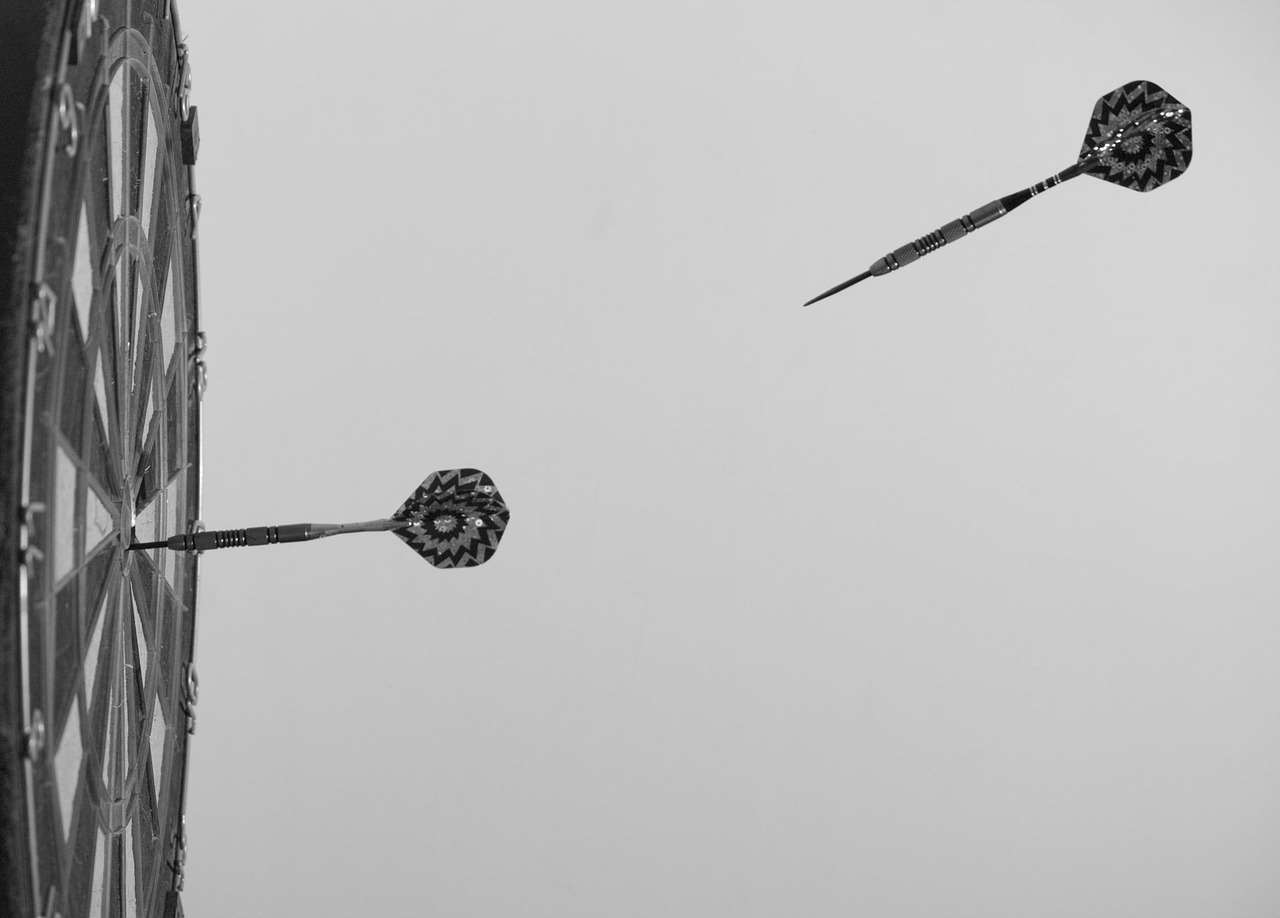
The surface area of the flight directly correlates with the amount of drag it generates. Larger flights create more drag, slowing the dart down and increasing its stability. Smaller flights generate less drag, allowing the dart to travel faster and straighter, but with less stability. Consider exploring the Choose Best Dart Equipment when thinking about your flight setup, as it is only one element of a balanced dart setup.
The Science of Dart Deflection
Dart deflection refers to the deviation of a dart’s trajectory from its intended path. Several factors can contribute to deflection, including grip, release, follow-through, and even environmental conditions. Understanding these factors is crucial for minimizing deflection and improving accuracy.
Here are the primary causes of dart deflection:
- Inconsistent Grip: A grip that varies from throw to throw can lead to subtle changes in the dart’s angle upon release, causing it to deflect.
- Poor Release: A jerky or uncontrolled release can impart unwanted spin or sideways force on the dart, leading to deflection.
- Improper Follow-Through: A consistent and smooth follow-through is essential for guiding the dart along its intended path. A rushed or incomplete follow-through can cause deflection.
- Environmental Factors: Air currents, uneven flooring, or even the presence of nearby objects can influence the dart’s trajectory.
Analyzing your throw is key to identifying the root cause of your dart deflection. Record yourself throwing and carefully observe your grip, release, and follow-through. Look for inconsistencies or areas where your technique might be flawed. Sometimes Difference Budget Premium Darts can change this element of the game as better darts can correct for poor technique slightly.
Minimizing Dart Deflection Through Technique
While external factors can play a role, the majority of dart deflection issues stem from inconsistencies in throwing technique. Addressing these inconsistencies can significantly improve accuracy and reduce frustration.
Here are some tips for minimizing dart deflection through improved technique:
- Develop a Consistent Grip: Experiment with different grips to find one that feels comfortable and allows for a consistent release. Once you’ve found a suitable grip, stick with it.
- Practice a Smooth Release: Focus on releasing the dart smoothly and cleanly, avoiding any jerky or abrupt movements.
- Maintain a Proper Follow-Through: Ensure your follow-through is complete and directed towards the target. This will help guide the dart along its intended path.
- Practice Regularly: Consistent practice is essential for developing muscle memory and reinforcing proper throwing technique. The more you throw, the more consistent your technique will become, leading to reduced deflection.
Optimizing Dart Setup for Reduced Deflection
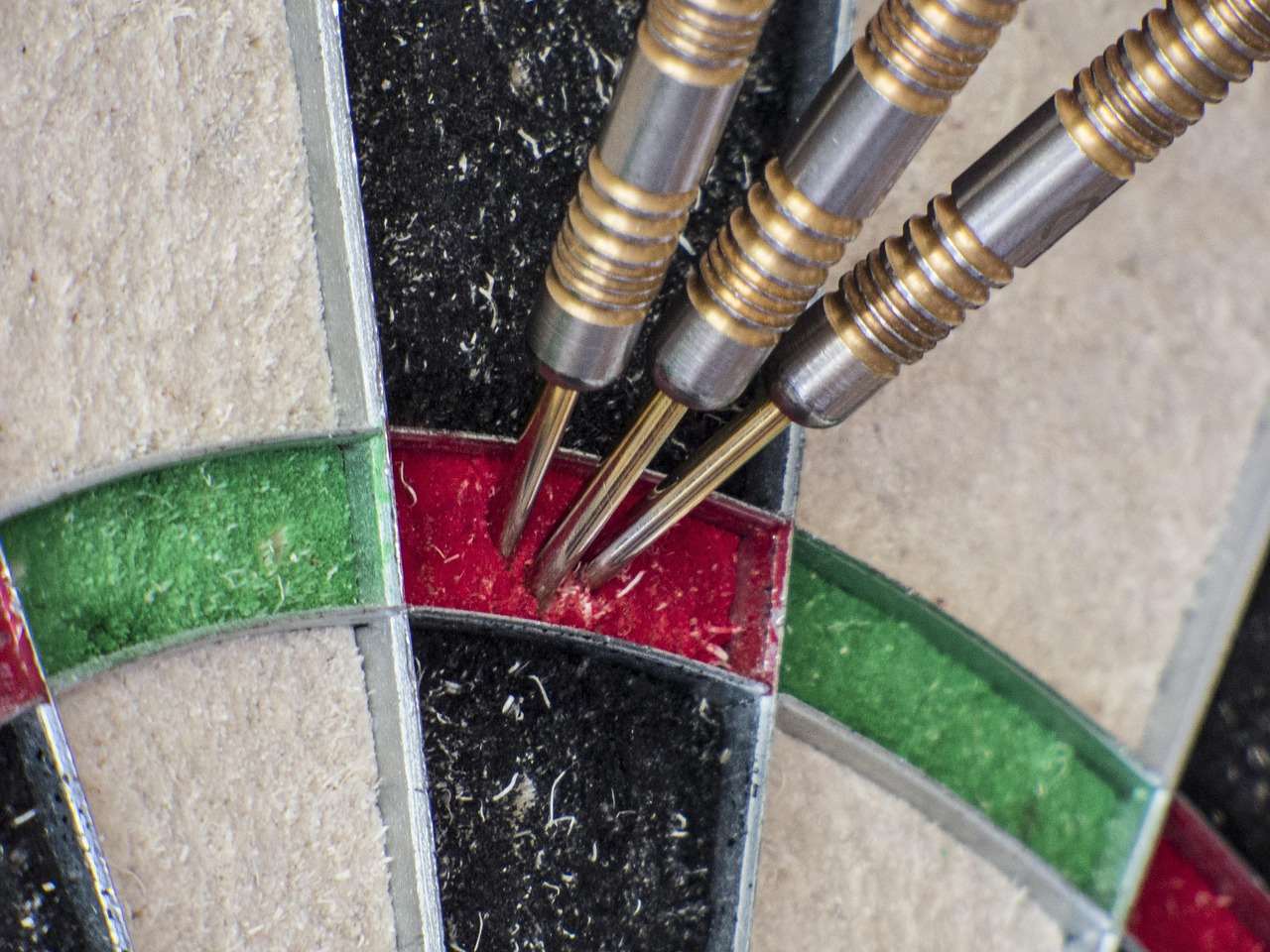
The dart setup, including the barrel, shaft, and flights, can also influence dart deflection. Choosing the right components for your throwing style and preferences can help minimize unwanted movement and improve accuracy.
Here are some considerations for optimizing your dart setup:
- Barrel Weight and Balance: Experiment with different barrel weights and balance points to find what feels most comfortable and controllable. A well-balanced dart will be less prone to deflection.
- Shaft Length and Material: Shaft length affects the dart’s overall balance and stability. Shorter shafts tend to be more stable, while longer shafts can provide more control. The shaft material (e.g., nylon, aluminum, carbon fiber) can also impact the dart’s feel and performance.
- Flight Shape and Size: As discussed earlier, the shape and size of the flights influence the dart’s aerodynamic properties. Choose flights that provide the appropriate level of stability for your throwing style.
Experimentation is key to finding the optimal dart setup for your individual needs. Don’t be afraid to try different combinations of barrels, shafts, and flights until you find what works best for you. It is worth comparing the elements that contribute to the Quality Comparison Budget Premium Darts to understand how quality affects flight.
Understanding Aerodynamics and Flight Correction
A deeper understanding of aerodynamics can further enhance your ability to predict and correct for dart deflection. By understanding how air resistance affects the dart’s trajectory, you can make subtle adjustments to your throw to compensate for unwanted movement.
Key aerodynamic principles to consider:
- Drag: Air resistance, or drag, slows the dart down and affects its stability. Larger flights create more drag, while smaller flights create less.
- Lift: Under certain conditions, the dart can generate lift, which can cause it to rise or fall unexpectedly. This is more pronounced with certain flight shapes and throwing styles.
- Spin: Spin imparted on the dart during release can affect its stability and trajectory. Excessive or inconsistent spin can lead to deflection.
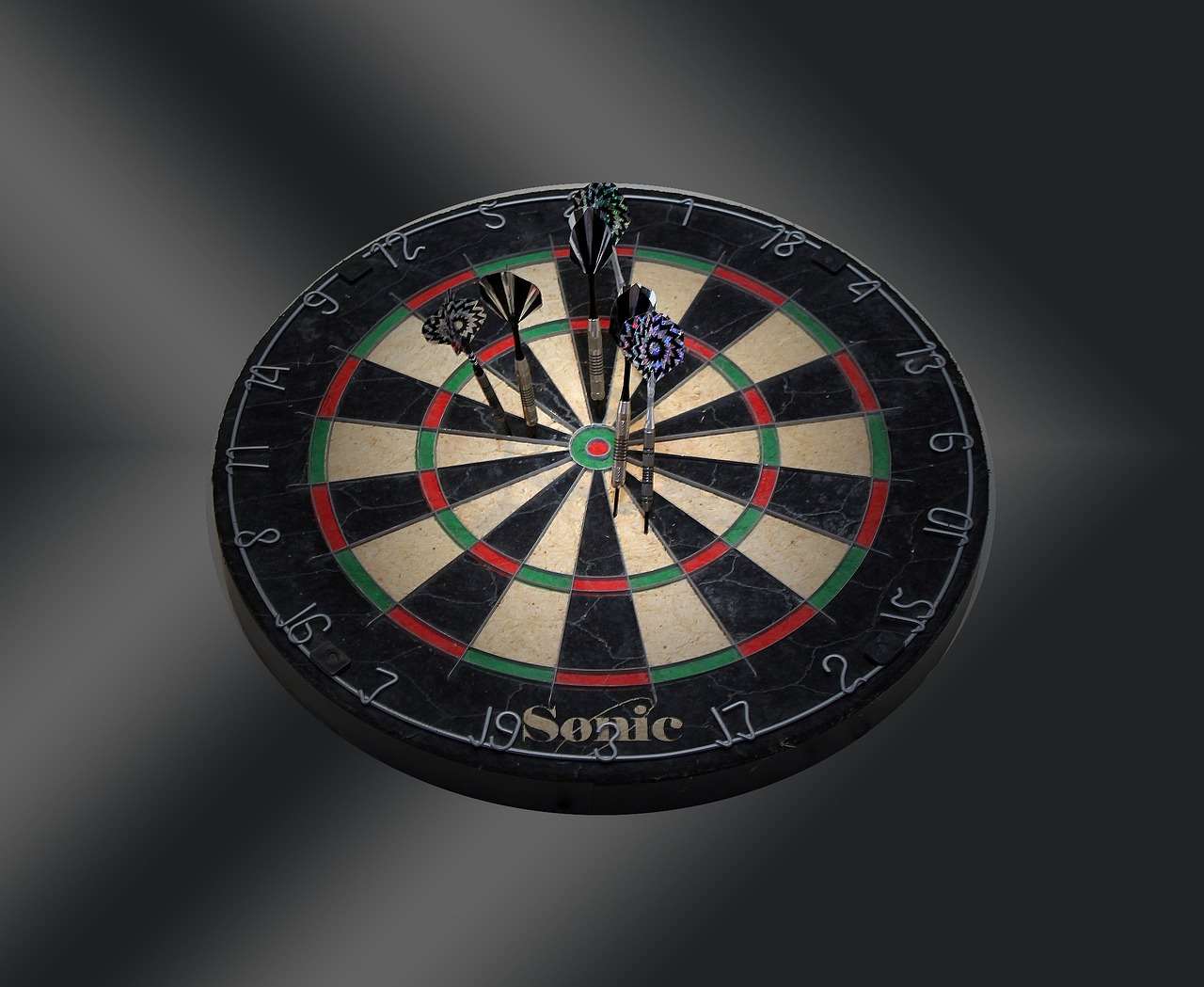
By consciously controlling the spin you impart on the dart and selecting flights that counteract any unwanted aerodynamic effects, you can minimize dart deflection and improve your overall accuracy. Consider investing in Investing In Premium Dart Equipment, as some premium dart sets have flights designed with advanced aerodynamics.
Practical Tips for Analyzing and Correcting Flight Shape And Deflection
Here are some practical tips for analyzing your flight shape and deflection and implementing corrective measures:
- Record Your Throws: Video recording allows you to objectively analyze your technique and identify any inconsistencies.
- Focus on Consistency: Prioritize consistency in your grip, release, and follow-through.
- Experiment with Dart Setup: Try different combinations of barrels, shafts, and flights to find what works best for you.
- Practice Regularly: Consistent practice is essential for developing muscle memory and reinforcing proper throwing technique.
- Seek Feedback: Ask a more experienced player to observe your throw and provide feedback. A fresh perspective can often identify issues that you may have overlooked.
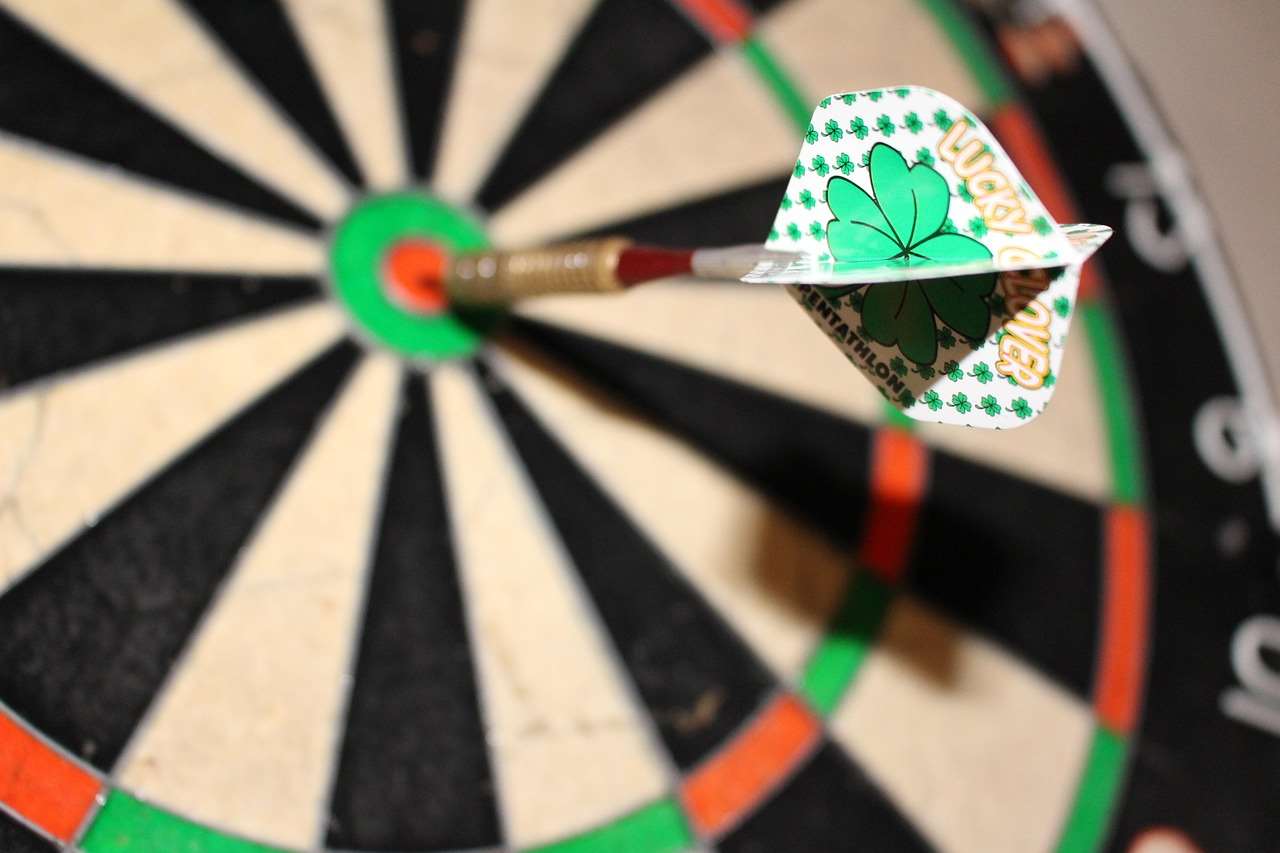
Remember that improving your flight shape and deflection is an ongoing process. Be patient, persistent, and willing to experiment. With dedication and practice, you can significantly improve your accuracy and take your dart game to the next level.
Advanced Strategies for Flight Shape and Deflection Management
For seasoned players, even more advanced techniques exist to manage flight shape and deflection. This includes finely tuned adjustments to throwing posture, grip pressure, and release timing.
Some advanced strategies include:
- Micro-Adjustments to Grip: Subtle changes to grip pressure can influence the dart’s spin and trajectory.
- Altering Release Point: Slightly adjusting your release point can compensate for wind or other environmental factors.
- Deliberate Spin Control: Consciously imparting a specific amount of spin on the dart can improve stability and accuracy.
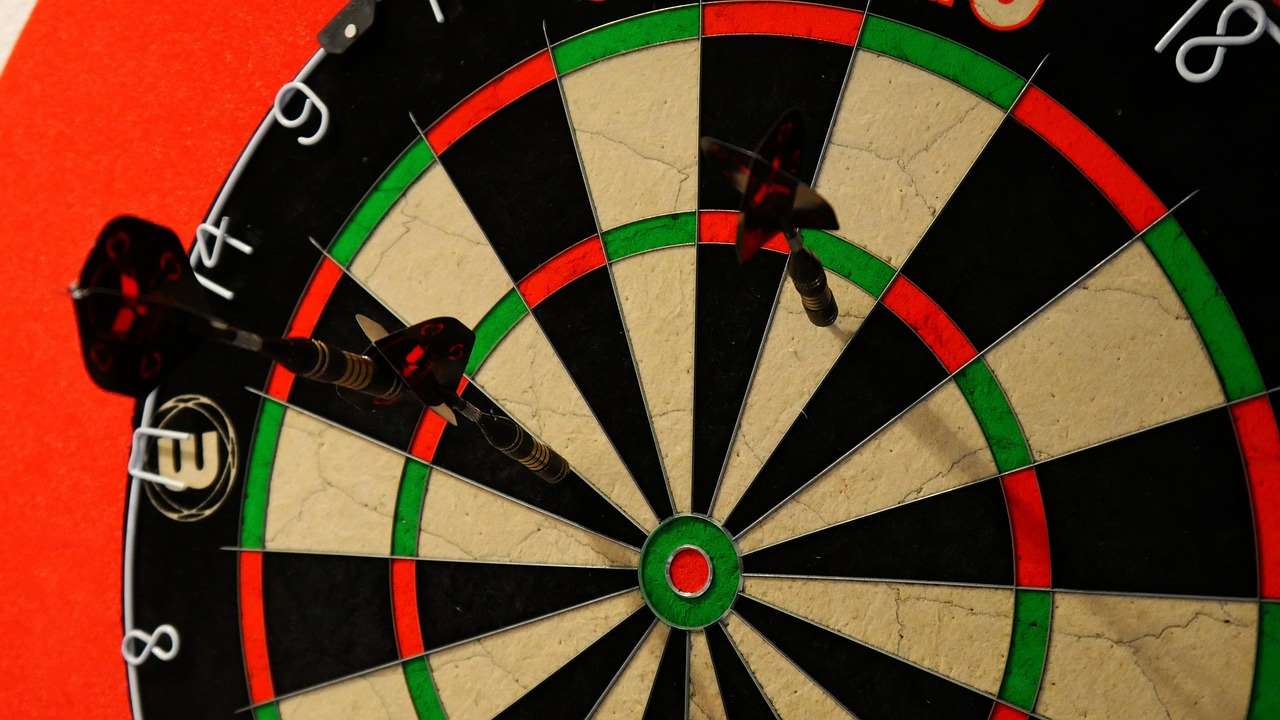
These techniques require a high level of skill and control, and should only be attempted by experienced players who have a solid understanding of their throwing technique and the principles of aerodynamics. Don’t forget to check out Are Premium Darts Worth It as premium setups could help.
Conclusion
Mastering flight shape and deflection is a crucial aspect of becoming a successful dart player. By understanding the factors that influence dart trajectory and implementing strategies to minimize deflection, you can significantly improve your accuracy and consistency. Remember to focus on developing a consistent throwing technique, optimizing your dart setup, and continuously analyzing your performance. Take the time to experiment, practice diligently, and seek feedback from experienced players. Implement the tips and techniques outlined in this article, and you’ll be well on your way to achieving your darting goals. Now, go out there, practice what you’ve learned, and start hitting those bullseyes with greater consistency!

Hi, I’m Dieter, and I created Dartcounter (Dartcounterapp.com). My motivation wasn’t being a darts expert – quite the opposite! When I first started playing, I loved the game but found keeping accurate scores and tracking stats difficult and distracting.
I figured I couldn’t be the only one struggling with this. So, I decided to build a solution: an easy-to-use application that everyone, no matter their experience level, could use to manage scoring effortlessly.
My goal for Dartcounter was simple: let the app handle the numbers – the scoring, the averages, the stats, even checkout suggestions – so players could focus purely on their throw and enjoying the game. It began as a way to solve my own beginner’s problem, and I’m thrilled it has grown into a helpful tool for the wider darts community.