Unleash hours of laughter and friendly competition with **family fun darts game creation** by adapting classic rules or inventing entirely new ones; this article guides you through crafting engaging darts games that cater to all ages and skill levels. You’ll discover how to modify existing games, implement handicap systems, and design completely original darts adventures for unforgettable family game nights.
⚠️ Still Using Pen & Paper (or a Chalkboard)?! ⚠️
Step into the future! The Dart Counter App handles all the scoring, suggests checkouts, and tracks your stats automatically. It's easier than you think!
Try the Smart Dart Counter App FREE!Ready for an upgrade? Click above!
Why Focus on Family Fun Darts Game Creation?
Darts isn’t just a pub game; it’s a fantastic activity that can bring families together. However, standard darts games can be daunting for beginners, especially children. That’s where the magic of **family fun darts game creation** comes in! By adapting the rules and introducing creative twists, you can level the playing field and ensure everyone has a blast. The benefits are numerous:
- Inclusivity: Tailor the game to accommodate different skill levels and ages.
- Engagement: Keep everyone entertained and invested in the game.
- Creativity: Encourage imagination and teamwork (if playing in teams).
- Learning: Improve math skills, hand-eye coordination, and strategic thinking.
- Quality Time: Create lasting memories with your loved ones.
Ultimately, **family fun darts game creation** is about more than just throwing darts; it’s about fostering connection and creating shared experiences.
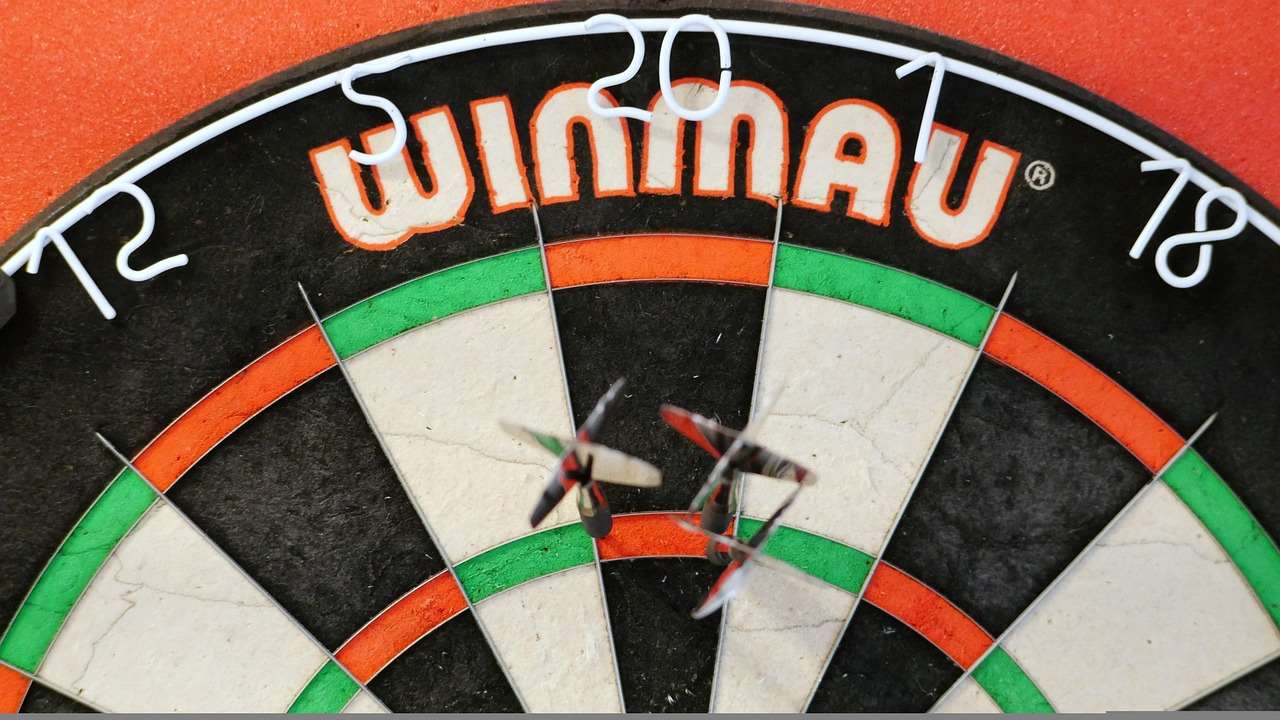
Modifying Existing Darts Games for Family Fun
One of the easiest ways to embark on **family fun darts game creation** is to adapt existing darts games. Let’s explore some popular options and how to tweak them:
Around the World
In “Around the World,” players must hit each number on the board in sequential order, from 1 to 20. Missing a number means waiting for your next turn to try again. For a family-friendly version, consider these modifications:
- Shorter Sequence: Reduce the numbers required (e.g., 1 to 10).
- Team Play: Form teams and alternate turns, sharing the responsibility of hitting the numbers.
- Lower Threshold: Allow hitting near the number (e.g., within a one-number radius) to count.
Cricket
Cricket involves claiming numbers (20, 19, 18, 17, 16, 15, and bullseye) by hitting them three times. Once claimed, you score points by hitting that number until another player “closes” it by also hitting it three times. This game can be complex for younger players, so let’s simplify it:
- Fewer Numbers: Focus on fewer numbers (e.g., just 20, 19, and the bullseye).
- Simplified Scoring: Ignore the scoring aspect and just focus on closing numbers. The first player (or team) to close all the numbers wins. You could explore Darts Variants Fun Games, where the rules are more fun.
- “Helping Hand” Rule: If a player is struggling, allow a “helping hand” from another player on their team for one dart per turn.
301/501
The goal in 301/501 is to reduce your score to zero, ending with a double. This can be challenging for beginners, so here’s how to make it more accessible:
- Lower Starting Score: Reduce the starting score to 101 or even 51.
- No Double Out: Remove the requirement of ending with a double. The first player to reach zero wins.
- “Bonus Zone”: Designate a specific section of the board as a “bonus zone” that awards extra points for hitting it (e.g., the bullseye could award 25 points even if it doesn’t reduce the score to zero).
Designing Original Darts Games: Unleash Your Creativity
Beyond modifying existing games, you can truly embrace **family fun darts game creation** by designing entirely new ones. Here are some tips to get you started:
Theme It Up
Choose a theme that resonates with your family’s interests. Consider themes like:
- Animals: Assign different sections of the board to different animals, and players score points based on which animal they hit.
- Sports: Recreate a sport like baseball or basketball on the dartboard. For example, hitting the 20 could be a home run, hitting the 1 could be a single, and so on.
- Cartoons: Base a game on a popular cartoon or movie, assigning points based on characters or events from the story.
Points System Innovation
Get creative with how points are awarded. Instead of simply using the numbers on the board, consider these options:
- Color Coding: Assign different point values to different colored sections of the board (e.g., red = 5 points, green = 10 points, black = 1 point).
- Target Zones: Create specific target zones on the board (using tape or markers) with varying point values.
- Combo Bonuses: Award bonus points for hitting specific combinations of numbers or zones in a single turn.
Rule Twists and Challenges
Add unexpected twists and challenges to keep things interesting:
- Handicap System: Implement a handicap system fun dart games. Give less experienced players extra darts or bonus points.
- Blindfolded Darts: (With extreme caution and supervision!) Have players attempt to throw darts blindfolded (with someone guiding them, of course). This can be hilarious and levels the playing field considerably.
- Trick Shots: Challenge players to perform trick shots (e.g., throwing darts with their non-dominant hand, throwing over their shoulder) for bonus points. You might be Adapting darts games skills as you try new things!
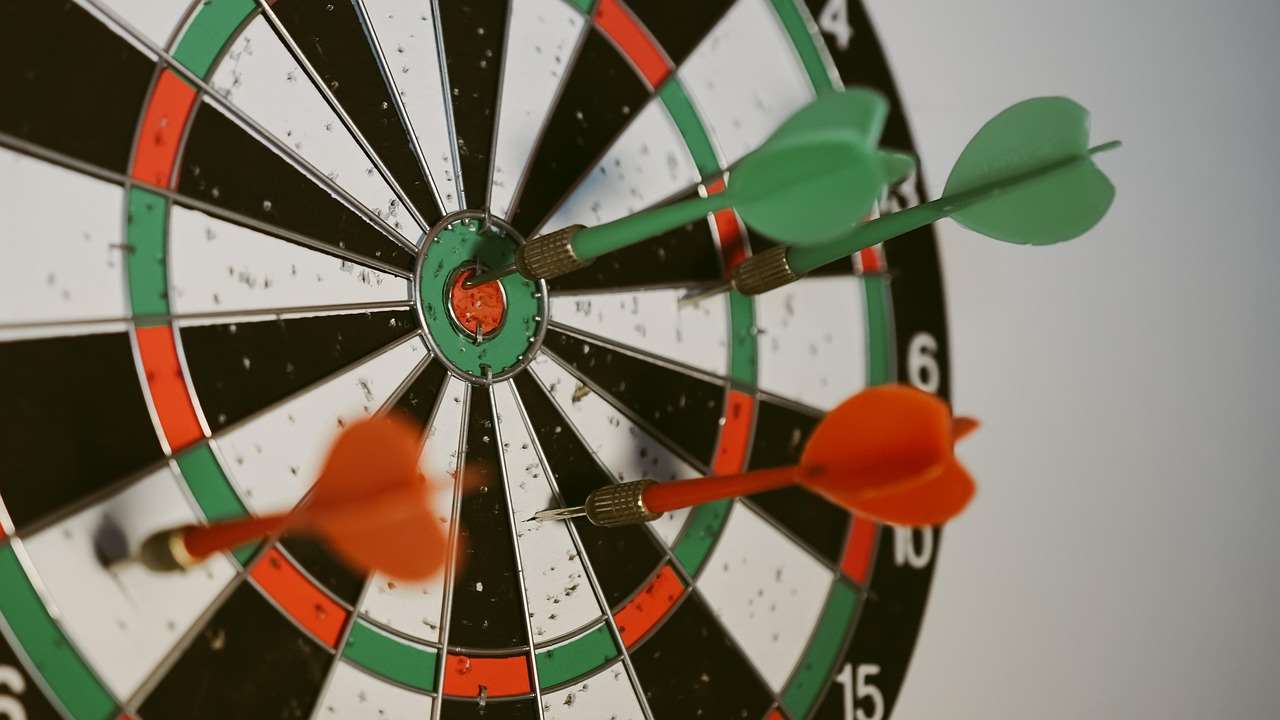
Essential Considerations for Family Darts Fun
When engaging in **family fun darts game creation**, safety and fairness are paramount:
Safety First
- Dartboard Placement: Ensure the dartboard is mounted securely on a wall in a safe location, away from high-traffic areas.
- Supervision: Always supervise children when they are playing darts.
- Dart Maintenance: Regularly check the darts for damage and replace them if necessary.
- Clear Boundaries: Establish a clear throwing line and ensure that no one crosses it while someone is throwing.
Fair Play and Handicaps
- Skill Levels: Be mindful of varying skill levels within the family.
- Handicap System: A well-designed Handicap system fun dart games can make the game enjoyable for everyone, regardless of experience. Options include giving less skilled players extra darts, awarding bonus points, or allowing them to start with a head start.
- Rule Transparency: Clearly explain the rules of the game before starting.
- Sportsmanship: Encourage good sportsmanship and discourage trash-talking or unsportsmanlike behavior. Making darts games fair players is essential to overall fun.
Equipment Essentials
Having the right equipment enhances the experience:
- Dartboard: A high-quality dartboard is essential. Bristle dartboards are generally preferred over electronic dartboards for their durability and professional feel.
- Darts: Invest in a set of darts that are appropriate for the players. Lighter darts are often easier for beginners to control.
- Dartboard Surround: A dartboard surround protects the wall from stray darts and provides a professional look.
- Lighting: Adequate lighting is crucial for visibility and safety.
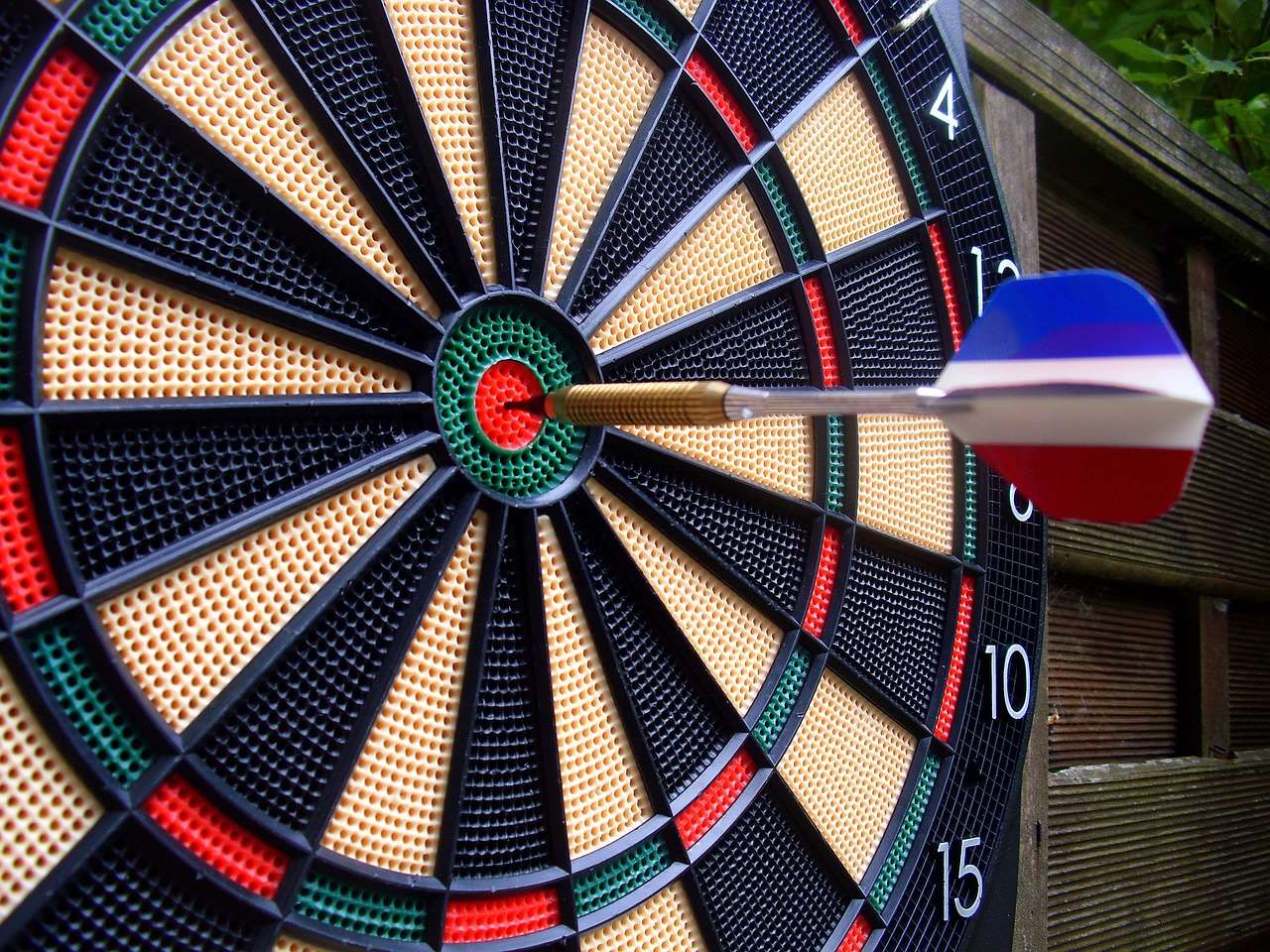
Examples of Family Fun Darts Games
Let’s explore some concrete examples of **family fun darts game creation**:
“Animal Safari”
Divide the dartboard into sections, each representing a different animal (e.g., lion, elephant, monkey, giraffe). Assign point values to each animal. Players take turns throwing darts and score points based on the animals they hit. The player with the highest score at the end of a set number of rounds wins.
“Pizza Darts”
Imagine the dartboard is a pizza. Divide it into slices, each representing a different topping (e.g., pepperoni, mushrooms, olives, peppers). Players must “build” their pizza by hitting specific toppings. The first player to complete their pizza (by hitting all the required toppings) wins. You might even adjust dart game rules to make it easier!
“Treasure Hunt Darts”
Create a map with different locations, each corresponding to a specific section of the dartboard. Players must “travel” to each location on the map by hitting the corresponding section of the board. Award bonus points for completing the treasure hunt in the fastest time. This might darts games different skill levels and adapt the game to keep the challenge alive.
Troubleshooting Common Issues
Even with careful planning, you might encounter some challenges during **family fun darts game creation**:
Skill Level Disparities
If there’s a significant skill gap between players, consider these solutions:
- Handicap System: Implement a robust handicap system that evens the playing field.
- Team Play: Form teams with a mix of skilled and less skilled players.
- Adjustable Difficulty: Allow players to adjust the difficulty of the game to match their skill level. It helps to scaling dart game difficulty and have fun at all levels.
Maintaining Engagement
If players start to lose interest, try these strategies:
- Change the Game: Switch to a different darts game to keep things fresh.
- Introduce New Challenges: Add unexpected twists or challenges to the game.
- Offer Prizes: Award prizes to the winners or to players who achieve specific goals.
Resolving Conflicts
If disagreements arise, follow these guidelines:
- Establish Clear Rules: Ensure that everyone understands the rules of the game before starting.
- Neutral Referee: Designate a neutral referee to resolve disputes.
- Fairness and Respect: Emphasize fairness and respect throughout the game.
Conclusion: Creating Unforgettable Family Moments with Darts
**Family fun darts game creation** is a rewarding way to bond with your loved ones, improve skills, and create lasting memories. By modifying existing games, designing original creations, and prioritizing safety and fairness, you can transform your dartboard into a source of endless entertainment. Remember to adapt to different skill levels, keep the games engaging, and always prioritize safety. Now grab your darts, gather your family, and embark on a journey of creative darts adventures! Ready to create your first family darts game? Get started today and share your creations with us in the comments below!

Hi, I’m Dieter, and I created Dartcounter (Dartcounterapp.com). My motivation wasn’t being a darts expert – quite the opposite! When I first started playing, I loved the game but found keeping accurate scores and tracking stats difficult and distracting.
I figured I couldn’t be the only one struggling with this. So, I decided to build a solution: an easy-to-use application that everyone, no matter their experience level, could use to manage scoring effortlessly.
My goal for Dartcounter was simple: let the app handle the numbers – the scoring, the averages, the stats, even checkout suggestions – so players could focus purely on their throw and enjoying the game. It began as a way to solve my own beginner’s problem, and I’m thrilled it has grown into a helpful tool for the wider darts community.