The **evolution of darts media coverage** has transformed the sport from a niche pub game to a globally televised spectacle, dramatically impacting its popularity and professionalization. This article explores the fascinating journey of darts in the media, highlighting key milestones and analyzing the factors that shaped its coverage. We’ll delve into the early days of print, the rise of televised darts, the impact of digital media, and the current state of darts broadcasting and reporting.
⚠️ Still Using Pen & Paper (or a Chalkboard)?! ⚠️
Step into the future! The Dart Counter App handles all the scoring, suggests checkouts, and tracks your stats automatically. It's easier than you think!
Try the Smart Dart Counter App FREE!Ready for an upgrade? Click above!
From Pub Sport to Prime Time: The Evolution Of Darts Media Coverage
For decades, darts existed primarily in pubs and clubs, largely outside the mainstream media spotlight. Initial coverage was sparse, often limited to local newspapers and small mentions in sports publications. This started to change with the advent of television, particularly in the UK, where darts found a receptive audience willing to tune in to watch the skill and strategy involved.
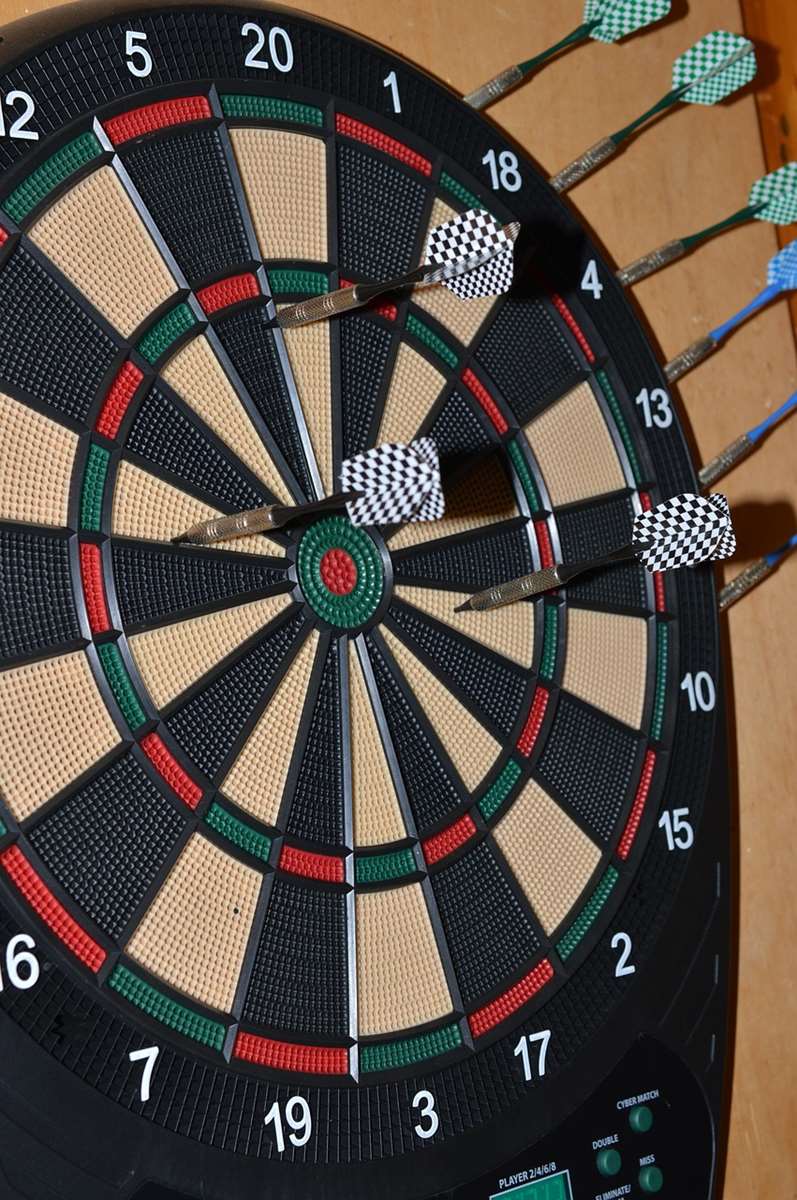
The early days of televised darts featured iconic commentators and players who helped build the sport’s appeal. Figures like Sid Waddell, with his exuberant commentary style, brought excitement and humor to the broadcasts, making darts accessible and entertaining for a wider audience. This era laid the foundation for the growth in popularity and media interest that would follow.
The BDO Era: Establishing a Television Presence
The British Darts Organisation (BDO) played a crucial role in establishing darts as a televised sport. Their flagship event, the World Professional Darts Championship, became a regular fixture on BBC, providing consistent exposure for the sport. This regular television coverage helped build a loyal fanbase and attract sponsors.
- Consistent TV coverage on BBC.
- Iconic players like Eric Bristow and John Lowe.
- Commentators like Sid Waddell helped build the sport’s appeal.
The focus on personality and storylines, alongside the sporting action, helped create compelling viewing. The rivalry between players like Eric Bristow and Jocky Wilson, for example, captured the public’s imagination and drew in viewers who might not otherwise have been interested in darts.
The Split and the Rise of the PDC
In the early 1990s, a schism occurred in the darts world, leading to the formation of the Professional Darts Corporation (PDC). This split had a significant impact on the evolution of darts media coverage, as the PDC adopted a more commercial approach, seeking to maximize television exposure and prize money.
The PDC, initially known as the World Darts Council (WDC), focused on attracting sponsorship and securing television deals with Sky Sports. This partnership proved to be a game-changer, as Sky Sports provided extensive coverage of PDC events, including the World Darts Championship and the Premier League Darts.
This increased exposure helped to professionalize the sport, attracting more talented players and increasing prize money. The PDC’s focus on marketing and promotion also helped to build the profiles of its star players, such as Phil Taylor and Michael van Gerwen, making them household names. You can learn more about Darts Culture And Community Guide here.
Sky Sports and the Premier League Revolution
The partnership between the PDC and Sky Sports revolutionized darts broadcasting. Sky Sports invested heavily in the sport, providing high-quality coverage, innovative camera angles, and expert commentary. The introduction of the Premier League Darts, a weekly tournament featuring the top players, proved to be a major success, attracting large television audiences and creating a vibrant atmosphere at live events. Many fans want to know What To Expect At Live Darts these days.
- Extensive coverage of PDC events.
- High-quality production values.
- The introduction of the Premier League Darts.
The Premier League Darts format, with its weekly matches and traveling roadshow, created a unique spectacle that appealed to a broad audience. The electric atmosphere at these events, with fans dressing up and singing, became a defining feature of the sport, further enhancing its media appeal. Consider the Atmosphere At Live Darts Matches at live events.
The Digital Age: Darts Coverage Online
The rise of the internet and social media has further transformed the **evolution of darts media coverage**. Online platforms have provided new avenues for fans to consume darts content, interact with players, and engage with the sport in new ways. Websites, social media channels, and streaming services have become essential tools for promoting darts and reaching a global audience.
Websites dedicated to darts provide news, results, player profiles, and analysis. Social media platforms like Twitter, Facebook, and Instagram allow players to connect directly with fans, share updates, and promote their sponsors. Streaming services offer live coverage of darts events, as well as on-demand replays and highlights.

The PDC has embraced digital media, creating its own website and social media channels to promote its events and players. They also offer a streaming service, PDC TV, which provides live coverage of tournaments and exclusive content for subscribers. This digital strategy has helped the PDC to reach a wider audience and generate new revenue streams.
Social Media and Player Engagement
Social media has empowered darts players to build their own brands and connect with fans on a personal level. Players regularly use Twitter, Facebook, and Instagram to share updates, interact with fans, and promote their sponsors. This direct engagement has helped to humanize the sport and make it more accessible to a wider audience.
- Players can connect directly with fans.
- Build their own brands.
- Share updates and promote sponsors.
The use of social media has also helped to create a sense of community among darts fans. Online forums and social media groups provide platforms for fans to discuss the sport, share their opinions, and connect with other enthusiasts. This online community has contributed to the growing popularity of darts and its increasing media profile.
Current State of Darts Broadcasting
Today, darts enjoys extensive television coverage around the world. The PDC’s major events are broadcast in numerous countries, reaching millions of viewers. Sky Sports continues to be a key partner, providing comprehensive coverage of PDC tournaments in the UK and Ireland. Other broadcasters, such as DAZN and ESPN, also provide coverage of darts events in various territories. Gaining Getting Tickets For Darts Events has also become easier.

The quality of darts broadcasting has continued to improve, with advancements in camera technology, graphics, and commentary. Broadcasters are constantly seeking new ways to enhance the viewing experience and engage with fans. This includes the use of augmented reality, interactive graphics, and social media integration.
International Expansion and Global Coverage
Darts is becoming increasingly popular around the world, and this is reflected in the growing international coverage of the sport. The PDC has expanded its calendar to include events in countries such as Germany, the Netherlands, Australia, and the United States. These international events attract local fans and help to raise the profile of darts in new markets.
- Growing international coverage.
- PDC expanding its calendar to include events in more countries.
- Attracts local fans and helps to raise the profile of darts.
The rise of international players, such as Michael van Gerwen (Netherlands) and Gerwyn Price (Wales), has also contributed to the global appeal of darts. These players have attracted fans from their home countries and helped to broaden the sport’s fanbase.
The Future of Darts Media Coverage
The **evolution of darts media coverage** is likely to continue in the years to come. The sport is expected to benefit from advancements in technology, such as virtual reality and augmented reality, which could enhance the viewing experience and create new opportunities for fan engagement. The growing popularity of esports could also influence the way darts is broadcast and consumed.
The PDC is likely to continue its efforts to expand its reach and attract new fans. This could involve developing new formats for darts events, targeting younger audiences, and exploring new markets. The ongoing professionalization of the sport will also be crucial to its continued growth and media appeal.
Conclusion
The **evolution of darts media coverage** has been a remarkable journey, transforming the sport from a niche pub game to a globally televised spectacle. From the early days of print coverage to the rise of televised darts and the impact of digital media, darts has consistently adapted to changing media landscapes. The PDC’s partnership with Sky Sports, the embrace of social media, and the increasing internationalization of the sport have all contributed to its growing popularity and media profile. To experience the sport in person, consider planning a trip to a tournament. You can find Travel Tips For Darts Tournaments here.
As darts continues to evolve, its media coverage is likely to become even more sophisticated and engaging. With advancements in technology and the ongoing efforts of the PDC, the future looks bright for darts as a global sporting phenomenon. If you’re new to darts, consider watching a professional match online or attending a local event to experience the excitement firsthand. Don’t miss out on the thrilling world of darts – grab your arrows and join the action!

Hi, I’m Dieter, and I created Dartcounter (Dartcounterapp.com). My motivation wasn’t being a darts expert – quite the opposite! When I first started playing, I loved the game but found keeping accurate scores and tracking stats difficult and distracting.
I figured I couldn’t be the only one struggling with this. So, I decided to build a solution: an easy-to-use application that everyone, no matter their experience level, could use to manage scoring effortlessly.
My goal for Dartcounter was simple: let the app handle the numbers – the scoring, the averages, the stats, even checkout suggestions – so players could focus purely on their throw and enjoying the game. It began as a way to solve my own beginner’s problem, and I’m thrilled it has grown into a helpful tool for the wider darts community.