The evolution of darts etiquette reveals a fascinating shift from informal pub games to more structured competitive play, highlighting the importance of respect, fair play, and maintaining a positive atmosphere. This article explores the historical development of these unwritten rules, how they enhance the playing experience, and provides practical tips for adhering to them whether you’re a casual player or a seasoned pro.
⚠️ Still Using Pen & Paper (or a Chalkboard)?! ⚠️
Step into the future! The Dart Counter App handles all the scoring, suggests checkouts, and tracks your stats automatically. It's easier than you think!
Try the Smart Dart Counter App FREE!Ready for an upgrade? Click above!
The Genesis of Darts Etiquette
Darts, as a pub game, initially had a very loose code of conduct. The focus was on enjoyment and camaraderie, but as the game became more formalized and competitive, so too did the need for a defined set of etiquette rules. Early darts was often accompanied by heavy drinking and boisterous behavior, which, while part of the culture, could sometimes lead to disputes and unsportsmanlike conduct. Therefore, the evolution of darts etiquette began as a way to maintain order and ensure fair play, fostering a more enjoyable experience for everyone involved.
These early “rules” weren’t formally written down but were passed on through tradition and observation. They covered basic principles like:
- Not distracting a player while they are throwing.
- Giving your opponent space at the oche (throwing line).
- Being a gracious winner or loser.
These principles laid the groundwork for the more comprehensive set of guidelines we see today.
Key Elements of Modern Darts Etiquette
Modern darts etiquette encompasses a broader range of behaviors, reflecting the increased professionalism and global reach of the sport. While some aspects are universally understood, others may vary slightly depending on the specific league or tournament. However, the underlying principles of respect, fair play, and good sportsmanship remain constant.
Respect for Your Opponent
Showing respect for your opponent is paramount. This includes:
- Avoiding excessive celebration after a good score, especially if your opponent is struggling.
- Refraining from making derogatory comments or gestures.
- Acknowledging good shots by your opponent with a simple nod or “good shot.”
- Maintaining a respectful silence while your opponent is at the oche.
These behaviors contribute to a positive and supportive atmosphere, creating a more enjoyable experience for both players.
Fair Play and Honesty
Integrity is crucial in darts. This means:
- Calling your scores accurately and honestly.
- Avoiding gamesmanship or any attempt to unfairly influence the outcome of the game.
- Immediately admitting if you accidentally touched the board before throwing your darts.
Remember, maintaining your integrity is more important than winning.
Maintaining a Positive Atmosphere
Darts should be an enjoyable experience for everyone involved. Therefore, it’s important to:
- Be supportive of your teammates, even when they are not playing well.
- Avoid negative comments or complaining.
- Offer encouragement to your opponent if they are struggling.
- Be a gracious winner or loser. Shake hands and offer congratulations or commiserations regardless of the outcome.
A positive atmosphere contributes to a more relaxed and enjoyable game for all.
The Evolution Of Darts Etiquette and Its Impact on the Game
The evolution of darts etiquette has significantly impacted the game, transforming it from a casual pub pastime into a more professional and respected sport. With increasing viewership and prize money, the stakes are higher than ever, making adherence to ethical dart practices crucial.
A key aspect of this evolution is the influence of professional organizations like the Professional Darts Corporation (PDC) and the World Darts Federation (WDF). These organizations have established clear codes of conduct that players are expected to adhere to. Violations of these codes can result in fines, suspensions, or even expulsion from the organization.
The increased media coverage of darts has also played a role in shaping etiquette. Players are now more aware that their actions are being scrutinized by a global audience, which encourages them to conduct themselves in a more professional and sportsmanlike manner. Darts Culture And Community Guide highlights the importance of maintaining a positive image for the sport.
Darts Equipment and Etiquette
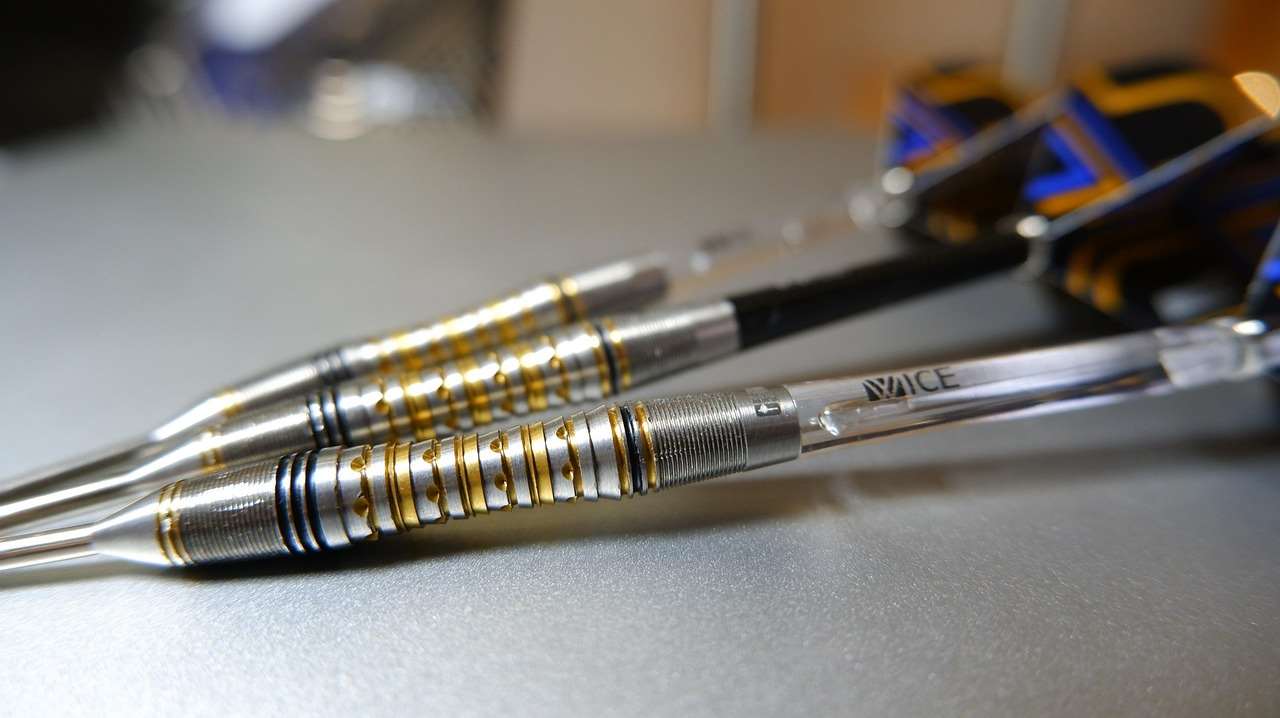
Even your darts equipment can play a role in etiquette. While there are no strict rules about what types of darts you can use (within tournament regulations), consider:
- Dart choice etiquette: Avoid using excessively noisy darts or flights that might distract opponents.
- Dart maintenance: Keep your darts in good repair. Broken flights or points can be a safety hazard and disruptive.
- Oche etiquette: Be mindful of damaging the oche with excessive force when throwing.
Mindful use and proper maintenance of your equipment demonstrates respect for the game and your fellow players.
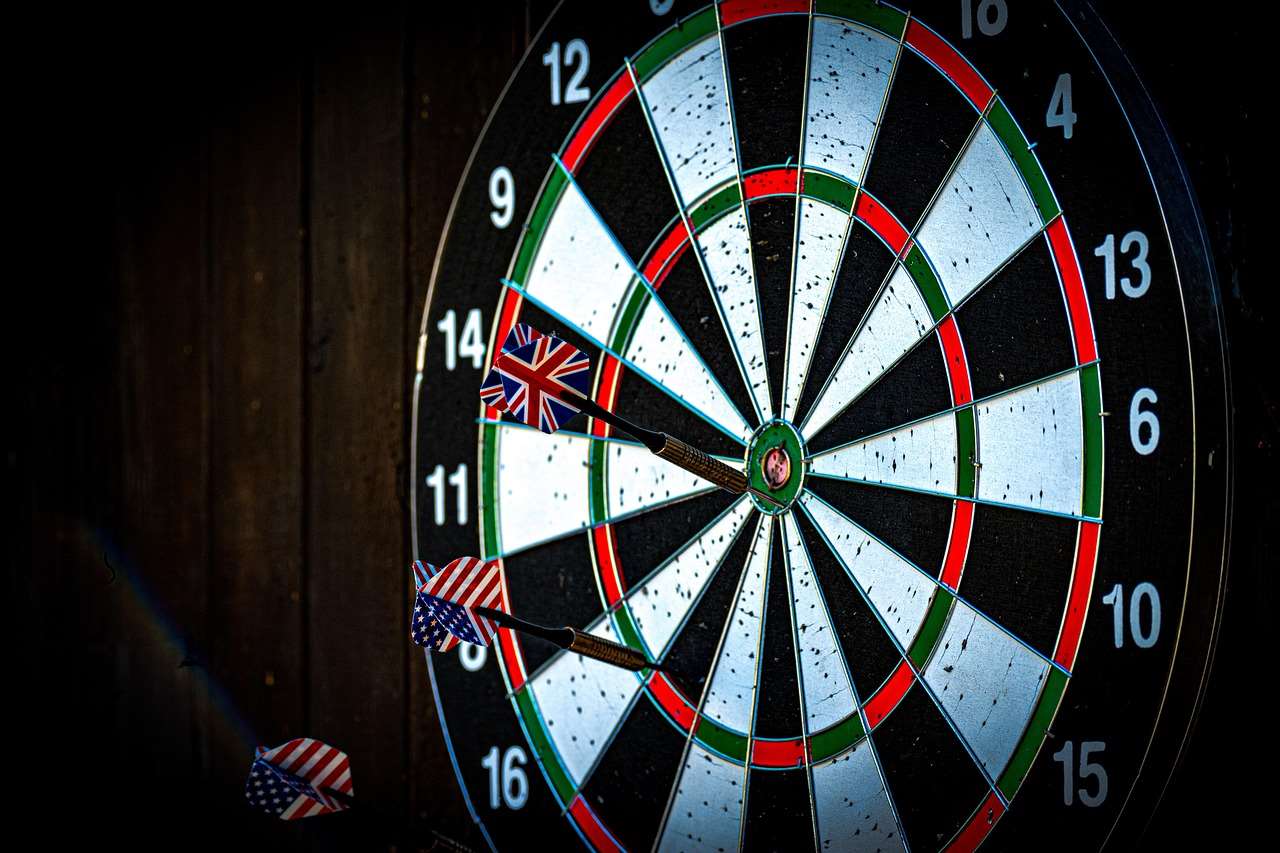
Evolution of Darts Etiquette: From Pub to Professional Stage
The journey from the smoky pubs to the brightly lit arenas represents a significant chapter in the evolution of darts etiquette. Early pub darts was often characterized by a more relaxed and informal atmosphere. While still governed by unwritten rules, the emphasis was primarily on enjoyment and sociability. As darts transitioned to a professional sport, the need for a more structured and formal code of conduct became increasingly apparent. Factors that influenced this shift include:
- Increased stakes: The introduction of prize money and sponsorship deals raised the stakes, making adherence to fair play even more crucial.
- Media attention: The growing popularity of televised darts events brought increased scrutiny, encouraging players to conduct themselves in a more professional manner.
- Organizational structure: The establishment of governing bodies like the PDC and WDF provided a framework for enforcing rules and standards of conduct.
This evolution has led to a more disciplined and respectful environment in professional darts, enhancing its credibility and appeal to a wider audience.
Practical Tips for Upholding Darts Etiquette
Whether you’re playing in a casual game or a competitive tournament, here are some practical tips for upholding darts etiquette:
- Be punctual: Arrive on time for your matches or practice sessions.
- Be prepared: Have your darts ready and in good condition.
- Be attentive: Pay attention to the game and avoid distractions.
- Be respectful: Treat your opponents, teammates, and officials with respect.
- Be honest: Call your scores accurately and avoid any form of cheating.
- Be gracious: Accept both wins and losses with grace and good sportsmanship.
- Be quiet: Maintain silence while others are throwing.
- Be mindful: Be aware of your surroundings and avoid actions that could disrupt the game.
Following these tips will help you contribute to a positive and enjoyable darts experience for everyone involved. Consider Building Local Darts League Club Guide for more on fostering a positive community.
Addressing Violations of Darts Etiquette
Despite the widespread understanding of darts etiquette, violations can still occur. In casual games, a simple reminder of the rules is often sufficient. However, in more formal settings, such as leagues or tournaments, violations may be subject to penalties. These penalties can range from warnings to fines to disqualification, depending on the severity of the offense.
If you witness a violation of darts etiquette, it’s important to address it in a calm and respectful manner. Avoid confrontational behavior and focus on explaining the specific rule that was violated. If the violation persists, you may need to involve a league official or tournament organizer.
Remember, the goal is to promote a fair and enjoyable playing environment for everyone. Addressing violations promptly and effectively can help prevent them from escalating and maintain a positive atmosphere. You can gain insight into Promoting Local Darts and ensuring fair play within your local darts community.
Furthermore, remember to focus on dart technique when practicing; this displays respect for the sport and reduces potentially frustrating accidents.
The Future of Darts Etiquette
The evolution of darts etiquette is an ongoing process, shaped by changes in the sport itself and by evolving societal norms. As darts continues to grow in popularity and professionalism, it’s likely that we will see further refinements to the code of conduct.
One area that may see increased attention is the use of technology in darts. With the increasing use of electronic scoreboards and video replays, new ethical considerations may arise. For example, there may be debates about the use of replays to challenge scoring decisions or the use of data analytics to gain a competitive advantage.
Another area that may evolve is the definition of acceptable behavior by spectators. As darts events become larger and more boisterous, it’s important to strike a balance between creating an exciting atmosphere and ensuring that players are not unduly distracted. This balance requires conscious effort and adherence to standards of proper conduct. Also, How To Start A Darts League is a great resource for learning about league rules.
Conclusion
The evolution of darts etiquette reflects the growth and increasing sophistication of the sport. From its humble beginnings in pubs to its current status as a global phenomenon, darts has always been governed by a set of unwritten rules that promote respect, fair play, and a positive atmosphere. By understanding and adhering to these rules, players can contribute to a more enjoyable experience for everyone involved. Whether you’re a casual player or a seasoned pro, remember that good etiquette is an essential part of the game.
Ready to put your knowledge of darts etiquette into practice? Join a local darts league or organize a friendly tournament with your friends! Share this article to spread awareness of proper conduct and help ensure a positive and enjoyable darts experience for everyone.

Hi, I’m Dieter, and I created Dartcounter (Dartcounterapp.com). My motivation wasn’t being a darts expert – quite the opposite! When I first started playing, I loved the game but found keeping accurate scores and tracking stats difficult and distracting.
I figured I couldn’t be the only one struggling with this. So, I decided to build a solution: an easy-to-use application that everyone, no matter their experience level, could use to manage scoring effortlessly.
My goal for Dartcounter was simple: let the app handle the numbers – the scoring, the averages, the stats, even checkout suggestions – so players could focus purely on their throw and enjoying the game. It began as a way to solve my own beginner’s problem, and I’m thrilled it has grown into a helpful tool for the wider darts community.