The evolution of dartboards is a fascinating journey from rudimentary tree slices to the sophisticated, self-healing boards we know today, greatly impacting gameplay. This article explores that evolution, detailing the materials, construction techniques, and design changes that have shaped the modern dartboard and discusses related topics like optimal lighting, dartboard setup, and more.
⚠️ Still Using Pen & Paper (or a Chalkboard)?! ⚠️
Step into the future! The Dart Counter App handles all the scoring, suggests checkouts, and tracks your stats automatically. It's easier than you think!
Try the Smart Dart Counter App FREE!Ready for an upgrade? Click above!
The Humble Beginnings of Dartboards
The earliest forms of dartboards were far removed from the precisely engineered products we see today. Imagine a time before specialized materials and standardized measurements. The first “dartboards” were simply sections of trees – often elm – or even upturned barrels. Players would throw sharpened sticks or small darts at these rough, uneven surfaces.
Accuracy was, understandably, a challenge. There were no defined scoring zones or even consistent target areas. Over time, rings were marked onto the wood, likely using a charcoal or similar marker, to designate different areas and add an element of skill and competition to the game. These early markings were rudimentary, varying widely in size and arrangement depending on the maker. The lack of standardization meant every game was a slightly different experience. This is a far cry from the precision found in today’s professional dart equipment, so to Choose Best Dart Equipment wisely, you should do proper research.
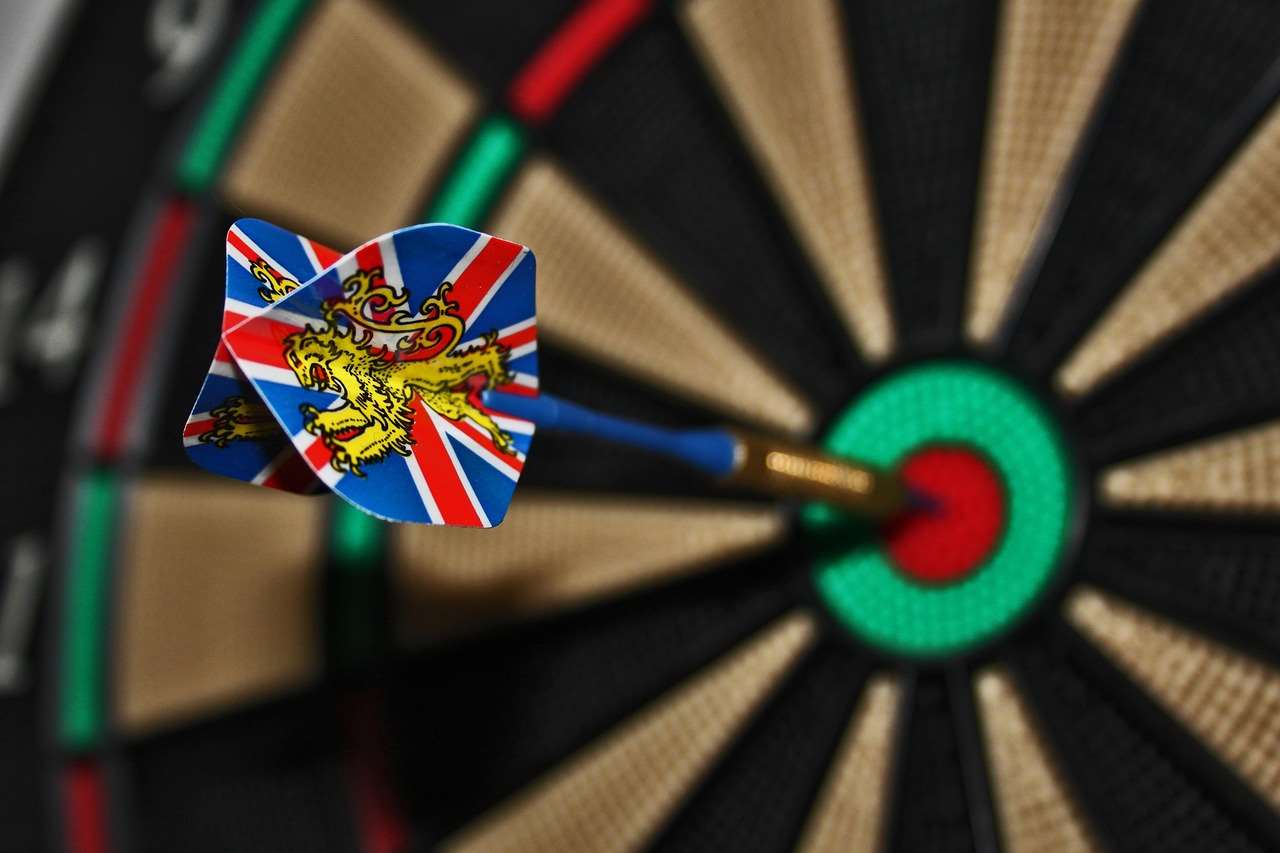
From Wood to Standardized Sisal: A Material Revolution
One of the most significant steps in the evolution of dartboards was the shift from wood to sisal fibers, commonly known as bristle dartboards. This transition, which occurred in the early 20th century, revolutionized the game for several reasons.
Sisal fibers offer a unique self-healing property. When a dart is removed, the fibers naturally close back together, minimizing the visible damage and extending the lifespan of the board. This was a massive improvement over wooden boards, which would quickly become riddled with holes and splinters, needing constant replacement. Bristle boards also provide a much more consistent playing surface, allowing for greater accuracy and skill-based play. The arrangement of the sisal also had to be carefully managed to ensure an even playing surface.
The Importance of the Circular Wire Spider
Along with sisal, the circular wire spider, which divides the scoring sections, became a key component of the modern dartboard. The earliest spiders were often made of cast iron, which were thick and prone to deflecting darts. Over time, the wires became thinner and more refined, leading to a reduction in “bounce-outs” – darts that hit the wire and fall out of the board. The development of triangular wire and then knife-edged wire spiders further minimized bounce-outs, creating a more consistent and enjoyable playing experience. Consider the materials and construction of these wires when you Choose Best Dart Equipment
Standardization and the Modern Dartboard
The 20th century saw not only material changes but also the standardization of dartboard dimensions and layout. The definitive dimensions and layout we use today were agreed upon in the early 20th Century. This standardization was crucial for the growth and professionalization of the sport. It ensured that players could compete on a level playing field, regardless of location.
The most common layout is known as the “clock” or “London” board. Key features include:
- The Bullseye: Located at the center, worth 50 points.
- The Double Ring: The outer ring, doubling the score of the section.
- The Treble Ring: The inner ring, tripling the score of the section.
- The Numbers: Arranged in a specific order designed to minimize the impact of poor throws.
This arrangement, coupled with standardized dimensions, ensures fairness and consistency in competitive play. The importance of a well lit setup is another aspect to consider when Choose Best Dart Equipment.
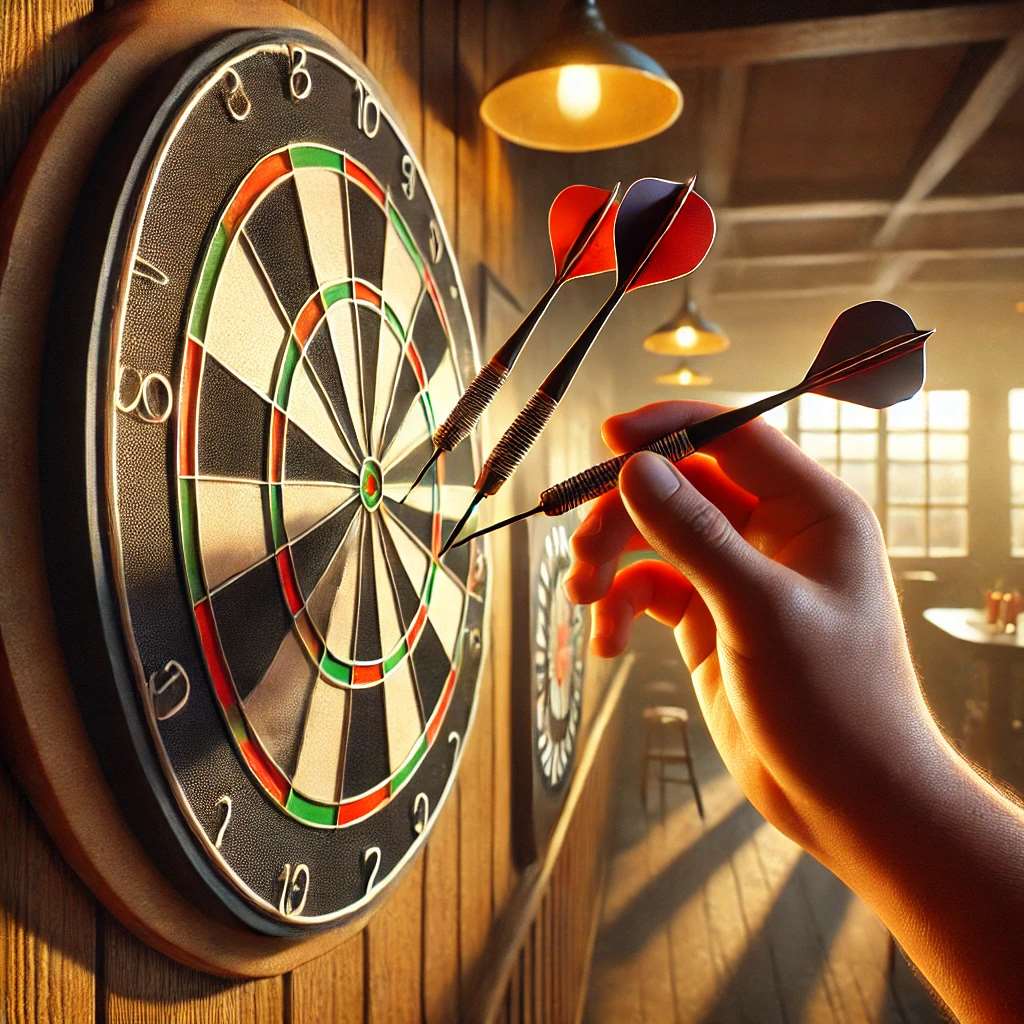
Innovations in Dartboard Construction: The Present and Future
The evolution of dartboards continues even today. Manufacturers are constantly exploring new materials and construction techniques to improve durability, reduce bounce-outs, and enhance the overall playing experience. Some of these innovations include:
- Advanced Sisal Treatments: Treatments to improve fibre density, increasing board lifespan.
- Embedded Wire Systems: Further reducing bounce-outs.
- Electronic Dartboards: Incorporating scoring systems for easier gameplay.
- Rotating Dartboards: Some boards allow rotation so the most used areas have time to recover, further prolonging its lifespan.
Electronic dartboards, in particular, have gained popularity for their convenience and automated scoring features. These boards often feature a plastic surface with small holes, and specialized darts with plastic tips are used. While they offer a different playing experience compared to traditional sisal boards, they cater to a wider audience and are often found in homes and recreational settings.
The Importance of Proper Dartboard Setup
Regardless of the type of dartboard you choose, proper setup is crucial for optimal gameplay. The official height of the dartboard is 5 feet 8 inches from the floor to the center of the bullseye. The throwing distance, or oche, is 7 feet 9 1/4 inches from the face of the board. Adhering to these measurements ensures a fair and consistent playing experience.
Furthermore, adequate lighting is essential for clear visibility and accurate throws. Poor lighting can cast shadows and make it difficult to see the target, negatively impacting your performance. Therefore, investing in proper Optimal Dartboard Lighting Solutions Guide is a must. Consider using dedicated dartboard lighting systems that provide even and focused illumination to enhance your playing experience. Many choose to add LED Dartboard Lights Benefits as they provide bright and consistent light without generating excessive heat.
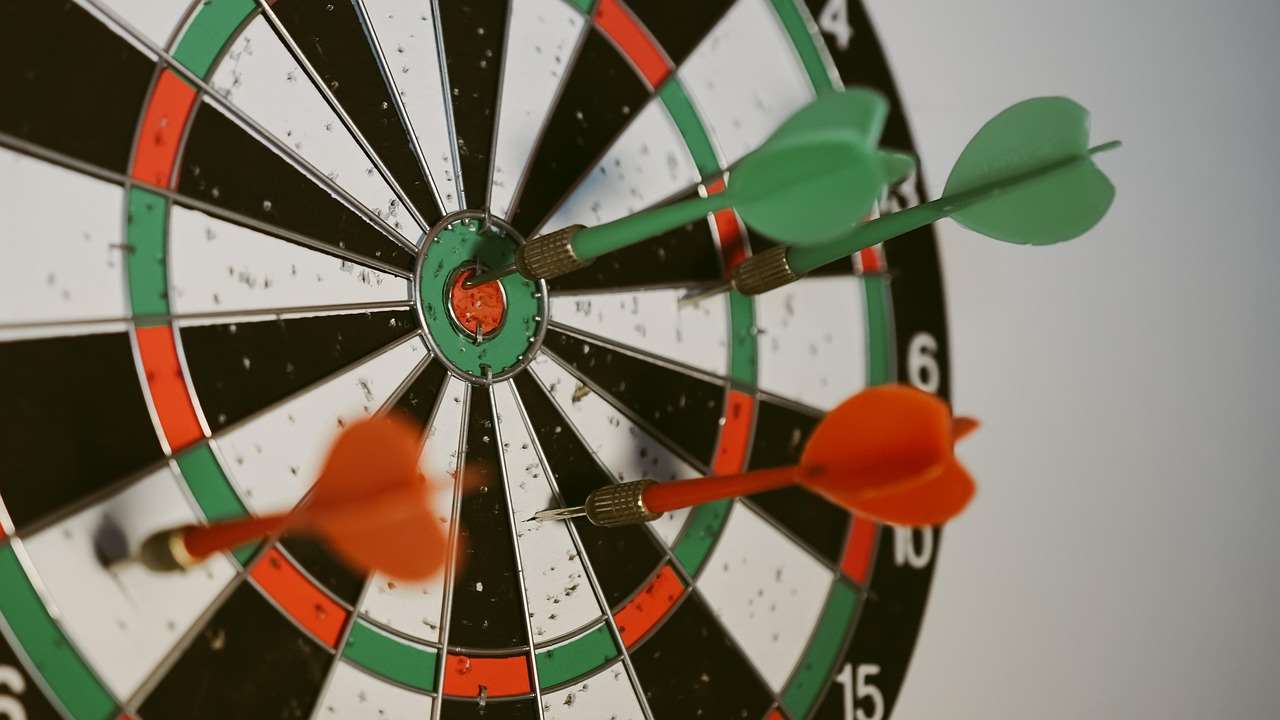
The Impact of Dartboard Design on the Game
The evolution of dartboards has directly impacted the game itself. As boards became more standardized and durable, the focus shifted towards skill and strategy. Players could practice for longer periods without worrying about damaging their boards, leading to improved accuracy and higher scoring averages. The development of thinner wire spiders also reduced the element of chance, rewarding skilled throws and minimizing frustrating bounce-outs.
The ability to consistently score accurately has allowed for the development of complex strategies and tactics. Players can now plan their throws with greater precision, aiming for specific sections of the board to set up future shots. This has added a new layer of complexity to the game, making it more engaging and challenging for both players and spectators.
Maintaining Your Dartboard: Tips for Longevity
To ensure your dartboard lasts as long as possible, proper maintenance is essential. Here are a few tips to keep your board in top condition:
- Rotate the board regularly: This will distribute wear evenly across the surface.
- Remove darts carefully: Avoid twisting or yanking the darts, as this can damage the sisal fibers.
- Keep the board dry: Moisture can cause the sisal to swell and warp.
- Clean the board periodically: Use a soft brush to remove dust and debris.
By following these simple maintenance tips, you can significantly extend the lifespan of your dartboard and enjoy countless hours of gameplay.
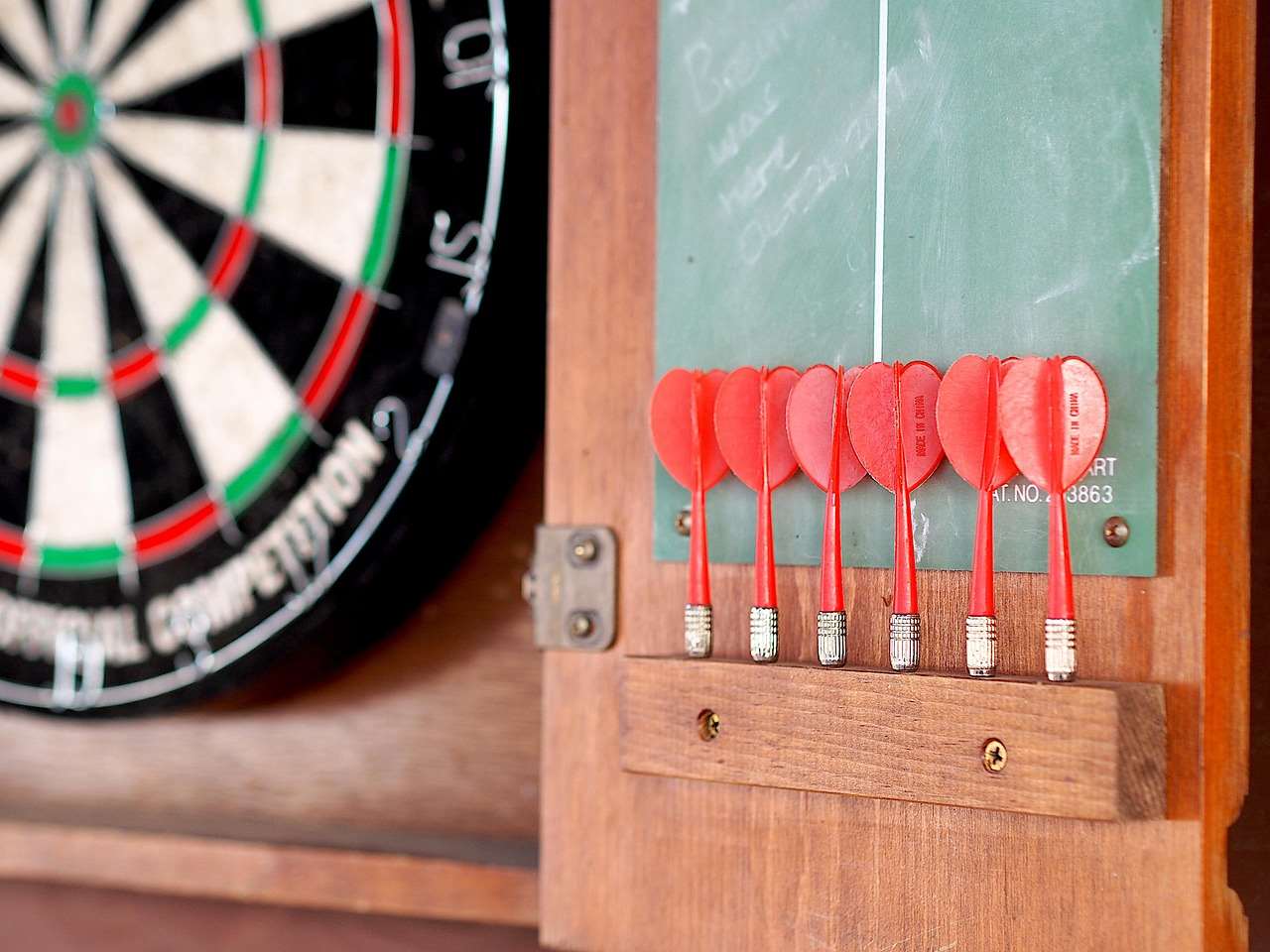
The Future of Dartboards: What’s Next?
The evolution of dartboards is an ongoing process. Manufacturers are constantly striving to improve the design, materials, and construction of their products. We can expect to see further innovations in areas such as:
- Smart Dartboards: Boards that connect to the internet and track your scores automatically.
- Sustainable Materials: Dartboards made from environmentally friendly materials.
- Personalized Designs: Custom dartboards with unique graphics and layouts.
As technology advances and consumer preferences evolve, the future of dartboards promises to be exciting and innovative. The sport will continue to evolve in exciting ways.
Conclusion
The evolution of dartboards is a testament to human ingenuity and the enduring appeal of a simple yet challenging game. From rudimentary tree slices to sophisticated sisal boards with advanced wire systems, the dartboard has undergone a remarkable transformation over the centuries. By understanding the history and development of this iconic game, you can appreciate the craftsmanship and innovation that goes into creating the modern dartboard. Consider how far we’ve come when you Choose Best Dart Equipment. So, whether you’re a seasoned professional or a casual player, invest in a quality dartboard, set it up properly, and enjoy the timeless pleasure of this classic game. Now go out there and aim for the bullseye!

Hi, I’m Dieter, and I created Dartcounter (Dartcounterapp.com). My motivation wasn’t being a darts expert – quite the opposite! When I first started playing, I loved the game but found keeping accurate scores and tracking stats difficult and distracting.
I figured I couldn’t be the only one struggling with this. So, I decided to build a solution: an easy-to-use application that everyone, no matter their experience level, could use to manage scoring effortlessly.
My goal for Dartcounter was simple: let the app handle the numbers – the scoring, the averages, the stats, even checkout suggestions – so players could focus purely on their throw and enjoying the game. It began as a way to solve my own beginner’s problem, and I’m thrilled it has grown into a helpful tool for the wider darts community.