Navigating sports and competitive events as a player’s guest requires awareness and respect for the unique environment; proper etiquette for players’ guests or family at events ensures a positive experience for everyone involved. This article outlines key do’s and don’ts, covering everything from appropriate cheering to interacting with other attendees and respecting the athlete’s focus.
⚠️ Still Using Pen & Paper (or a Chalkboard)?! ⚠️
Step into the future! The Dart Counter App handles all the scoring, suggests checkouts, and tracks your stats automatically. It's easier than you think!
Try the Smart Dart Counter App FREE!Ready for an upgrade? Click above!
Understanding the Importance of Etiquette for Players’ Guests or Family at Events
Attending an event as a guest or family member of a player comes with a certain responsibility. Your behavior reflects not only on you but also on the athlete you’re supporting. Maintaining proper etiquette for players’ guests or family at events is crucial for fostering a positive and supportive atmosphere, avoiding distractions for the player, and respecting the other participants and attendees. It also ensures you are a welcome presence at future events.

Consider the event an extension of the player’s professional environment. Just as you would conduct yourself professionally at a workplace function, adopt a similar mindset at the event. This includes being mindful of your interactions, your attire, and your overall demeanor. Understanding and adhering to these unwritten rules is key to being a supportive and respected member of the athlete’s entourage.
Key Considerations Before the Event
Before you even arrive at the event, there are a few things you should consider to ensure you’re prepared to be a supportive and well-behaved guest. This preparation is a cornerstone of guest behavior at any event.
- Understand the Rules: Familiarize yourself with any specific rules or guidelines for spectators at the event. This might include restrictions on noise levels, photography, or movement within the venue.
- Dress Appropriately: Choose attire that is respectful and appropriate for the setting. Avoid clothing that is overly revealing, offensive, or distracting. Consider whether the event is indoors or outdoors and dress accordingly.
- Plan Your Travel: Ensure you have reliable transportation to and from the event. Factor in potential traffic delays and arrive with plenty of time to spare.
- Know the Schedule: Be aware of the schedule of events, including the player’s specific participation times. This allows you to plan your support and avoid missing key moments.
Dos and Don’ts of Cheering and Support
One of the most visible ways you’ll be representing your player is through your cheering and support. However, it’s important to strike a balance between enthusiastic encouragement and disruptive behavior. Being a respectful supporter is a key aspect of spectator conduct.
- Do: Offer positive and encouraging words of support to the player. Celebrate their successes and acknowledge their efforts, even when things don’t go as planned.
- Do: Be respectful of the other players, participants, and spectators. Avoid making disparaging remarks or engaging in heckling.
- Do: Applaud good sportsmanship and fair play, regardless of which team or player is involved.
- Don’t: Yell instructions or advice to the player during the event. They are likely receiving guidance from their coaches or trainers.
- Don’t: Become overly emotional or aggressive, even in the heat of the moment. Maintain composure and avoid confrontations.
- Don’t: Use offensive language or gestures. Remember that children may be present.
Interacting with Other Attendees: Maintaining Positive Relationships
Events provide opportunities to connect with other people who share a common interest: supporting the player or the sport. Building positive relationships with other attendees, including fellow guests, fans, coaches, and even officials, is vital. This builds a good reputation and fosters positive memories.
Building Bridges, Not Walls
Remember that you are representing the player and their family. Maintaining a positive and respectful demeanor with all attendees reflects well on everyone involved. Consider these points when interacting with others at the event:
- Introduce Yourself: Take the initiative to introduce yourself to other guests and fans. A simple “Hello, I’m [Your Name], [Player’s Name]’s [Relationship]” can go a long way.
- Engage in Polite Conversation: Be prepared to engage in light conversation about the event, the sport, or other shared interests. Avoid controversial or divisive topics.
- Offer Compliments: If you admire another attendee’s team spirit, attire, or knowledge of the sport, offer a sincere compliment.
- Be a Good Listener: Pay attention when others are speaking and show genuine interest in their perspectives.
- Avoid Gossip or Negative Talk: Refrain from engaging in gossip or negative talk about other players, coaches, or attendees.
- Respect Boundaries: Be mindful of personal space and avoid being overly intrusive.

Building positive relationships can enhance your overall experience at the event and create a more supportive atmosphere for the player. Remember that kindness and respect are always appreciated.
Respecting the Athlete’s Focus and Space
One of the most important aspects of Etiquette for players’ guests or family at events is respecting the athlete’s need for focus and space, especially before, during, and immediately after the event. They need to concentrate on their performance and may not be able to engage in lengthy conversations or social interactions.
When to Approach and When to Hold Back
Knowing when to approach the athlete and when to give them space is crucial. Pay attention to their body language and cues from their coaches or teammates.
- Before the Event: Keep interactions brief and supportive. Avoid discussing stressful topics or asking them to make important decisions. Offer words of encouragement and let them know you’re there for them.
- During the Event: Avoid approaching them unless they initiate contact. Trust that they are focused on their performance and are receiving guidance from their coaches.
- Immediately After the Event: Give them some time to process their performance before approaching them. Be sensitive to their emotions and offer support regardless of the outcome. If they seem overwhelmed or stressed, offer to give them space and connect later.
Remember that the athlete’s primary focus is on the event itself. Your role is to provide support and encouragement without adding to their stress or distractions. This approach to athlete support will build positive memories.
Social Media Etiquette: Posting with Discretion
In today’s digital age, social media plays a significant role in how we share our experiences. However, it’s important to exercise caution and discretion when posting about the event or the athlete online. Consider this an extension of responsible online behavior.
Think Before You Post
Before posting anything on social media, consider the potential impact on the athlete, their team, and the event. Ask yourself if the post is respectful, accurate, and appropriate.
- Avoid Sharing Sensitive Information: Refrain from sharing any information that could compromise the athlete’s privacy or security, such as their location or personal details.
- Be Respectful of Others: Avoid posting anything that could be considered offensive, discriminatory, or harassing.
- Don’t Share Unconfirmed Information: Double-check the accuracy of any information before sharing it. Avoid spreading rumors or speculation.
- Get Permission Before Tagging: Ask the athlete or their representative for permission before tagging them in any posts.
- Be Mindful of Copyright: Avoid posting copyrighted material, such as photos or videos, without permission.
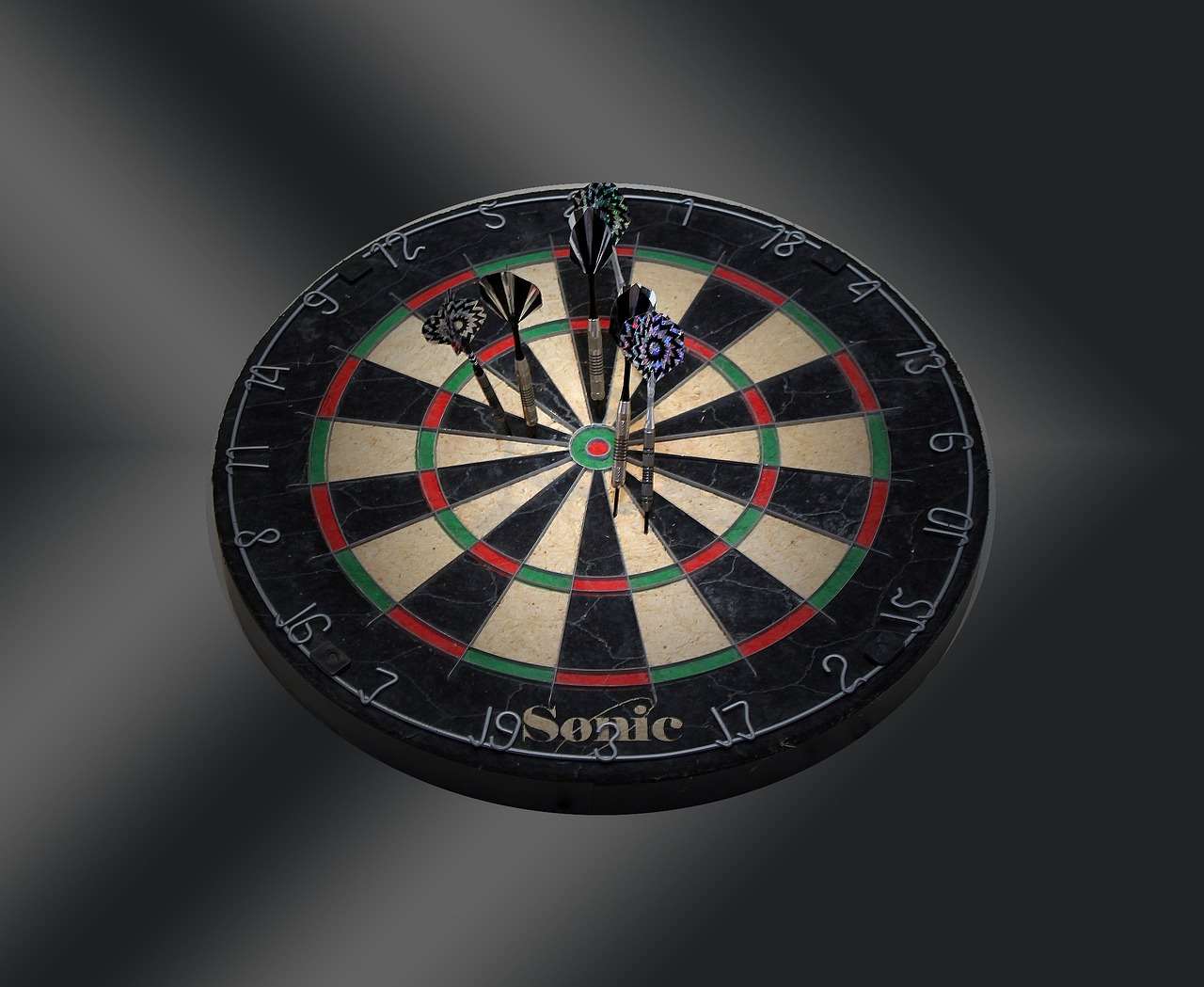
Remember that anything you post online can be seen by a wide audience. Exercise good judgment and prioritize the athlete’s best interests. Often Basic Darts Fundamentals for Beginners includes a reminder to be respectful of opponents.
Dealing with Difficult Situations
Even with the best intentions, difficult situations can arise at events. Knowing how to handle these situations gracefully and effectively is essential for maintaining a positive experience. This is a crucial aspect of conflict resolution.
Staying Calm and Composed
The key to dealing with difficult situations is to remain calm and composed. Avoid reacting impulsively or escalating the situation. Here’s some additional advice to assist when Adapting dart game rules for children.
- Stay Calm: Take a deep breath and try to remain calm, even if you feel angry or frustrated.
- Listen Actively: Pay attention to what the other person is saying and try to understand their perspective.
- Avoid Arguing: Refrain from engaging in arguments or shouting matches.
- Seek Assistance: If you’re unable to resolve the situation on your own, seek assistance from event staff or security personnel.
- Document the Incident: If the situation involves a serious violation of the rules or code of conduct, document the incident with as much detail as possible.
Remember that your goal is to de-escalate the situation and find a resolution that is fair and respectful to all parties involved. Sometimes Fun dart game variations with modified rules can lead to arguments, but staying calm is essential.
Travel and Accommodation Considerations
When attending events that require travel and accommodation, there are additional travel etiquette considerations to keep in mind.
Being a Courteous Traveler
From flights to hotels, be mindful of your impact on others and strive to be a courteous traveler. Here are a few tips:
- Be Punctual: Arrive on time for flights, trains, and other transportation.
- Be Respectful of Hotel Staff: Treat hotel staff with courtesy and respect. Tip appropriately for services rendered.
- Keep Your Accommodation Clean: Maintain a clean and tidy accommodation. Avoid leaving a mess for hotel staff to clean up.
- Be Mindful of Noise Levels: Be respectful of other guests by keeping noise levels down, especially during late hours.

By being a courteous traveler, you can help create a more pleasant experience for yourself and those around you. You could even research how to make darts fairer with handicap rules during any downtime.
Post-Event Etiquette: Continuing the Support
Your role as a supportive guest doesn’t end when the event concludes. How you behave and interact with the athlete after the event is just as important.
Continuing the Encouragement
Whether the athlete achieved their goals or faced setbacks, your support and encouragement are invaluable. Consider these points:
- Offer Sincere Congratulations: If the athlete performed well, offer sincere congratulations and acknowledge their hard work.
- Provide Comfort and Support: If the athlete faced challenges, offer comfort and support. Let them know that you’re proud of their efforts regardless of the outcome.
- Avoid Dwelling on Negatives: Resist the urge to dwell on negative aspects of the event or offer unsolicited advice.
- Celebrate the Experience: Focus on the positive aspects of the experience and celebrate the athlete’s participation.

Your post-event support can have a significant impact on the athlete’s morale and motivation. Be a positive and encouraging presence in their life. Being aware of the appropriate Etiquette for players’ guests or family at events will make you feel confident, and you will be comfortable to attend.
Conclusion: A Winning Combination of Support and Respect
Attending an event as a player’s guest or family member is a privilege that comes with certain responsibilities. By understanding and adhering to the principles of Etiquette for players’ guests or family at events, you can create a positive and supportive environment for the athlete, other attendees, and yourself. Remember to be respectful, mindful of your behavior, and always prioritize the athlete’s best interests. By embracing these guidelines, you can transform into a valued and welcomed member of the athlete’s support system.

Hi, I’m Dieter, and I created Dartcounter (Dartcounterapp.com). My motivation wasn’t being a darts expert – quite the opposite! When I first started playing, I loved the game but found keeping accurate scores and tracking stats difficult and distracting.
I figured I couldn’t be the only one struggling with this. So, I decided to build a solution: an easy-to-use application that everyone, no matter their experience level, could use to manage scoring effortlessly.
My goal for Dartcounter was simple: let the app handle the numbers – the scoring, the averages, the stats, even checkout suggestions – so players could focus purely on their throw and enjoying the game. It began as a way to solve my own beginner’s problem, and I’m thrilled it has grown into a helpful tool for the wider darts community.