Understanding equipment regulations steel soft tip darts is crucial for fair play and consistent performance, whether you’re playing in a casual league or a competitive tournament. This article breaks down the rules and guidelines for both steel tip and soft tip darts, ensuring you’re fully informed. We’ll cover everything from dart weight and dimensions to board specifications and acceptable materials.
⚠️ Still Using Pen & Paper (or a Chalkboard)?! ⚠️
Step into the future! The Dart Counter App handles all the scoring, suggests checkouts, and tracks your stats automatically. It's easier than you think!
Try the Smart Dart Counter App FREE!Ready for an upgrade? Click above!
Understanding Steel Tip Dart Equipment Regulations
Steel tip darts, known for their traditional feel and use in professional play, adhere to specific regulations to maintain fairness. These rules primarily focus on the dart’s weight and length, as well as the dartboard itself. Knowing these regulations can help you select compliant equipment and avoid any issues during matches. The type of dartboard used significantly influences the game; for more introductory material, explore Basic Darts Fundamentals for Beginners.
Dart Weight and Dimensions (Steel Tip)
The World Darts Federation (WDF), which sets the standard for many steel tip dart competitions, stipulates that a steel tip dart’s maximum weight cannot exceed 50 grams. While there is no maximum length specified in the official rules, most darts fall within a comfortable range of 30-31 cm (approximately 12 inches) for optimal grip and throw. This dimensional consistency helps ensure equitable competition. The dart barrel, typically made from tungsten or brass, is the main body of the dart. The shaft, which connects the barrel to the flight, influences the dart’s trajectory. The flight, usually made from plastic or feather, stabilizes the dart in the air.
Dartboard Specifications (Steel Tip)
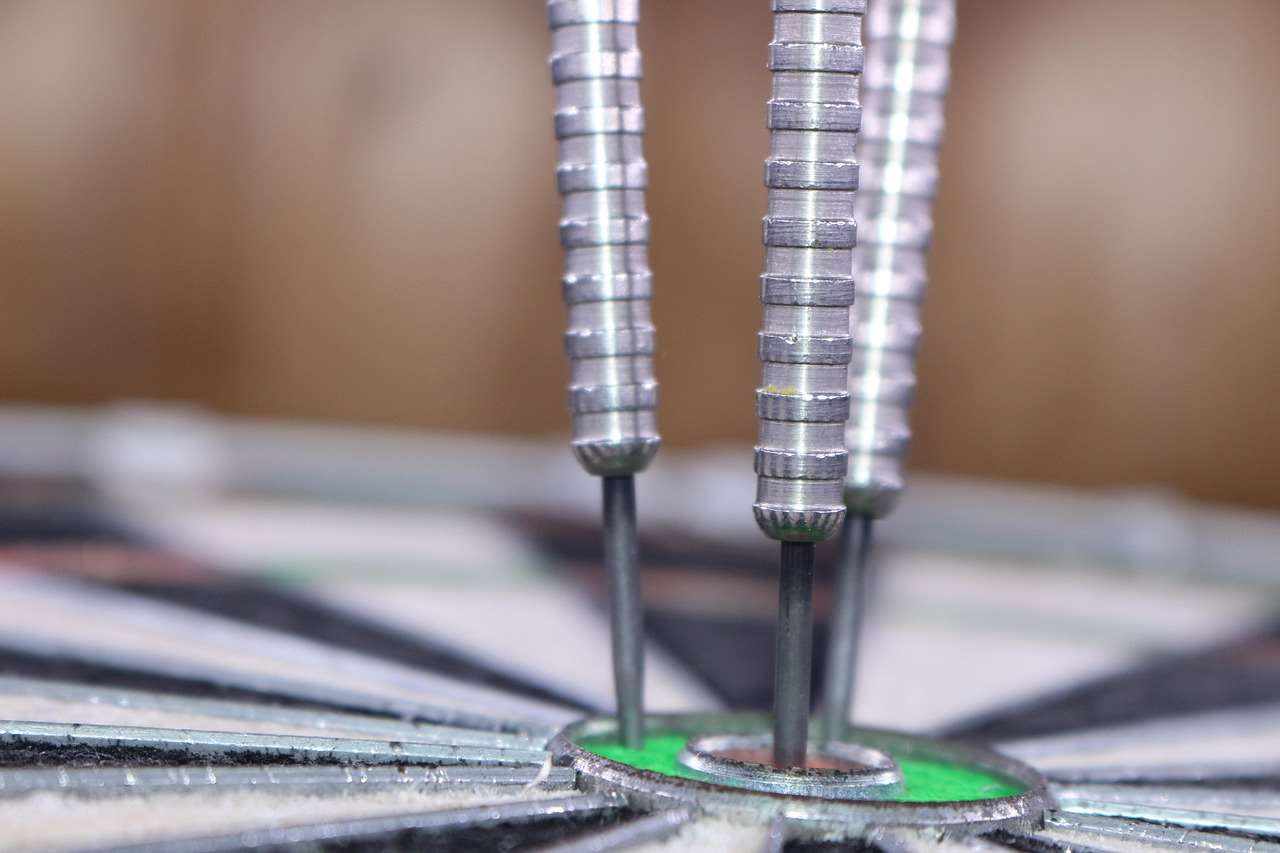
The official steel tip dartboard is a circular board made of sisal fibers. These fibers are tightly packed together, allowing the darts to easily penetrate while self-healing when the darts are removed. The board is divided into 20 numbered sections, a double ring, a triple ring, a bullseye (inner bull), and an outer bull. Critical measurements include:
- Height: The center of the bullseye must be 5 feet 8 inches (1.73 meters) from the floor.
- Throwing distance: The oche (throwing line) must be 7 feet 9 1/4 inches (2.37 meters) from the face of the dartboard.
- Diagonal distance: The diagonal distance from the bullseye to the oche should be 9 feet 7 3/8 inches (2.93 meters).
These precise measurements are essential for a standard game and are maintained in tournament play. Using a properly calibrated and maintained dartboard enhances gameplay and skill development.
Acceptable Materials (Steel Tip)
Steel tip darts are generally made from tungsten, brass, or a combination of both. Tungsten is denser than brass, allowing for a slimmer dart that is easier to group tightly on the board. The dart points are made of steel, as the name suggests. Flights are typically made of plastic, nylon, or feathers, while shafts can be made of aluminum, plastic, or carbon fiber. These material choices affect the dart’s weight distribution and aerodynamic properties.
Exploring Soft Tip Dart Equipment Regulations
Soft tip darts are commonly used in electronic dartboards and are popular in bars and recreational leagues. Their equipment regulations steel soft tip configurations differ significantly from steel tip darts due to the electronic scoring system and the need to protect the board. These rules often relate to dart weight, tip construction, and the dartboard’s design.
Dart Weight and Dimensions (Soft Tip)
Soft tip darts typically have a maximum weight limit of 20 grams, including the tip. This limitation is in place to prevent damage to the electronic dartboard. Similar to steel tip darts, there is no official maximum length, but most soft tip darts are around 15-17 cm (6-7 inches) long. The construction is also similar, featuring a barrel, shaft, and flight. However, the crucial difference is the replaceable plastic tip.
Dartboard Specifications (Soft Tip)
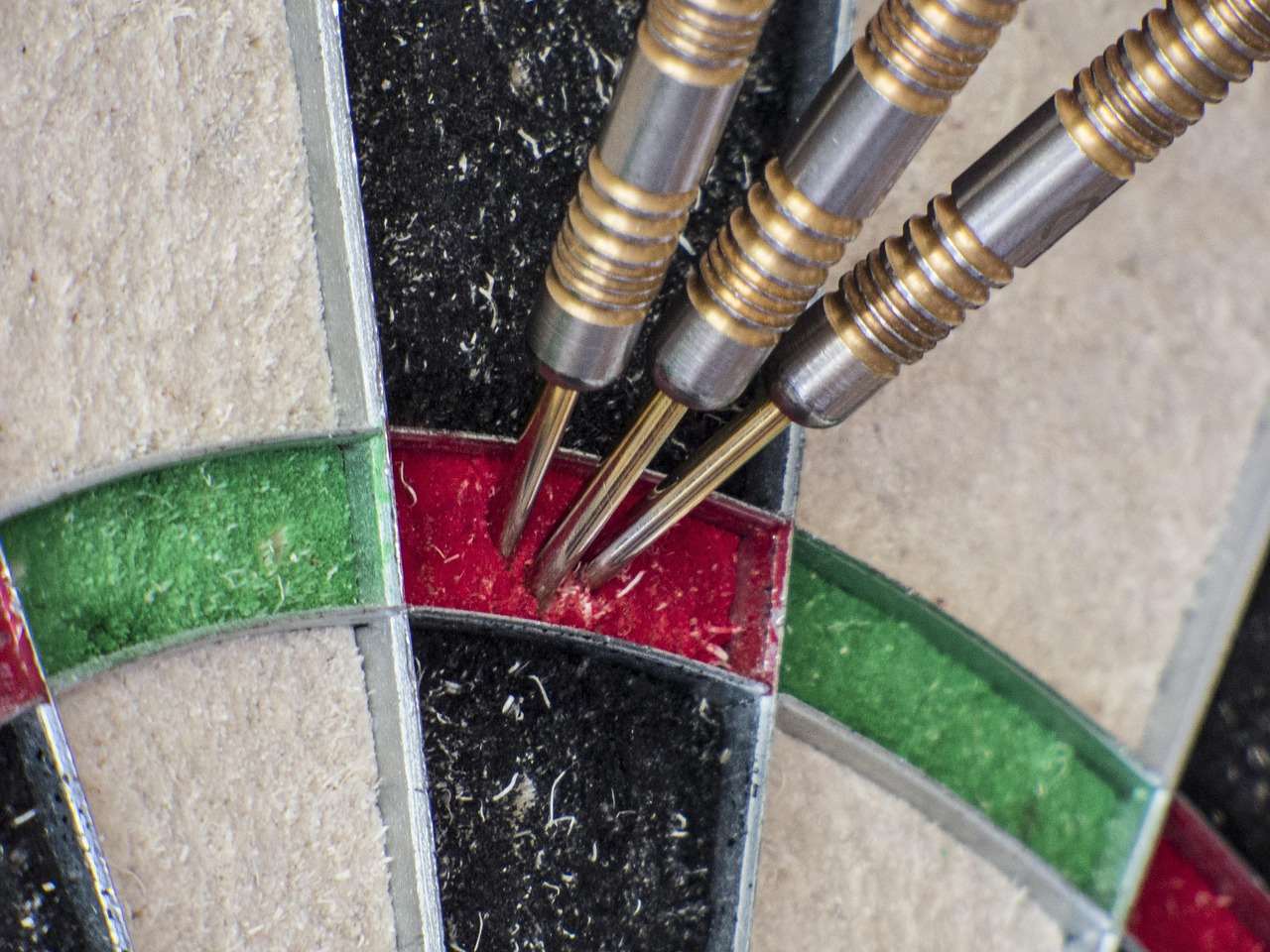
Electronic dartboards are made of plastic with numerous small holes to accommodate the soft tips. These boards have electronic sensors that detect where the dart lands and automatically calculate the score. Key specifications include:
- Height: The center of the bullseye should also be 5 feet 8 inches (1.73 meters) from the floor, the same as steel tip dartboards.
- Throwing distance: The oche for soft tip darts is generally shorter than for steel tip, often around 8 feet (2.44 meters), but this can vary depending on the league or specific board manufacturer’s guidelines. Always check the specific rules for your league.
- Segment size: The individual segments on the board are designed to reliably register scores when hit by a soft tip dart.
Acceptable Materials (Soft Tip)
The barrel of a soft tip dart can be made from similar materials as steel tip darts, such as tungsten or brass. The shafts are often made of plastic or nylon. The most important component is the soft tip itself, which is made of plastic and is designed to break away upon excessive force to prevent damage to the board. Players often carry spare tips, as they can break during play.
Comparing Steel Tip and Soft Tip Equipment Regulations
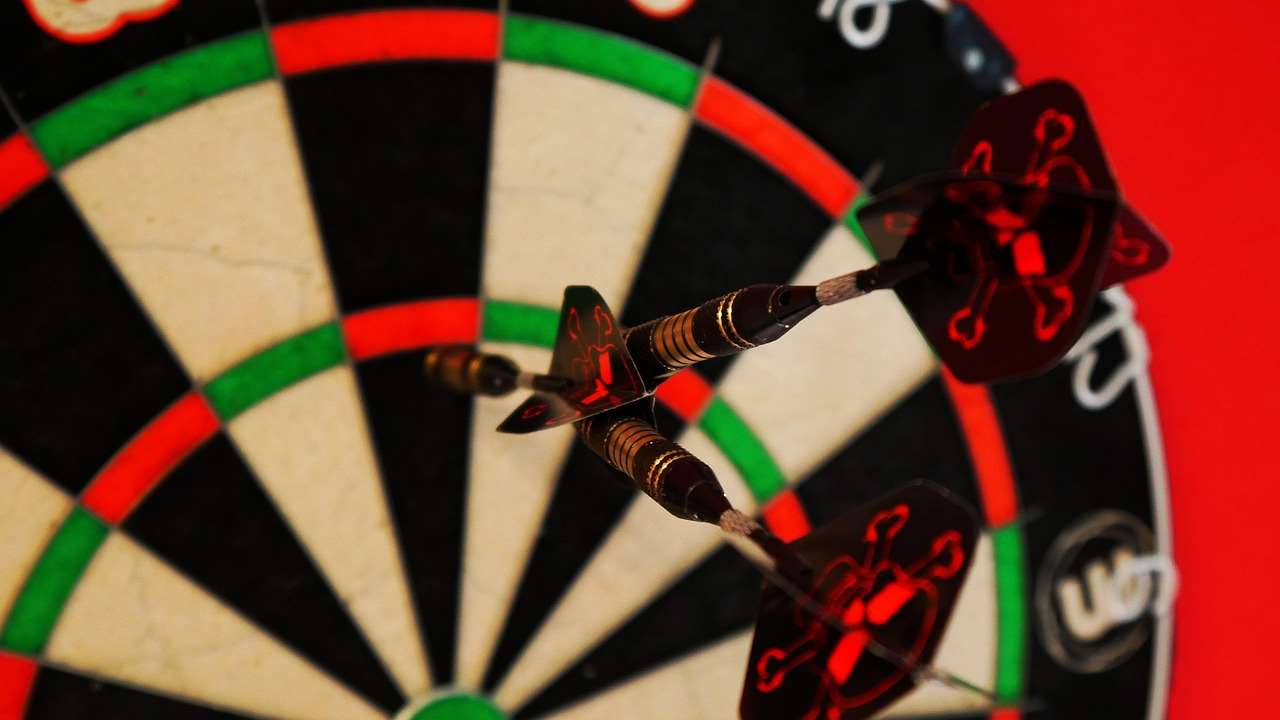
The differences in equipment regulations steel soft tip stem from the different playing surfaces and scoring methods. Steel tip darts require a sturdy sisal board that can withstand the impact of sharp steel tips, while soft tip darts use an electronic board that needs protection from damage. Here’s a breakdown of the key differences:
- Weight: Steel tip darts can weigh up to 50 grams, while soft tip darts are limited to 20 grams.
- Tip: Steel tip darts have fixed steel tips, while soft tip darts have replaceable plastic tips.
- Dartboard: Steel tip dartboards are made of sisal fibers, and soft tip dartboards are electronic and made of plastic.
- Throwing Distance: Throwing distances can vary, but generally steel tip darts have a slightly longer throwing distance. Always consult the specific rules of the league or competition you are participating in.
When choosing between steel tip and soft tip darts, consider the playing environment, personal preference, and the specific rules of the game you intend to play. Remember that adhering to the regulations helps ensure fair play and consistent performance.
The Importance of Adhering to Equipment Regulations
Following equipment regulations steel soft tip, as set forth by organizations like the WDF or specific dart leagues, ensures fairness and prevents disputes. Using compliant equipment guarantees that all players are competing on a level playing field. Furthermore, using non-compliant equipment could lead to disqualification from tournaments or leagues. It’s a simple step that prevents significant frustration. Moreover, understanding the dartboard’s nuances is essential; you can further explore adapting rules for fair play with How to make darts fairer with handicap rules.

Avoiding Disputes and Ensuring Fair Play
Compliance with regulations is paramount for maintaining a sportsmanlike environment. When everyone uses equipment within the defined parameters, the focus remains on skill and strategy rather than potential equipment advantages. This fosters a more enjoyable and competitive atmosphere for all participants. Disputes over equipment can be avoided by simply checking and adhering to the rules beforehand.
Maintaining Consistent Performance
Using regulated equipment also promotes consistent performance. When your darts and dartboard meet the required specifications, you can rely on their predictable behavior. This allows you to fine-tune your technique and improve your accuracy. Variations in weight, length, or tip type can significantly affect your throw, so consistency is key.
Tips for Choosing Compliant Dart Equipment
Selecting the right darts and dartboard can significantly improve your game, provided they adhere to the relevant regulations. Here are some tips to help you choose compliant equipment:
- Check the weight: Always weigh your darts to ensure they meet the maximum weight limit for either steel tip (50 grams) or soft tip (20 grams) darts. A digital scale can be helpful for accurate measurements.
- Measure the length: While there is no maximum length, consider the average length of professional darts (around 30-31 cm for steel tip and 15-17 cm for soft tip) to ensure comfortable handling.
- Inspect the tips: For soft tip darts, regularly inspect the tips for wear and tear and replace them as needed. Use only tips approved for your electronic dartboard to avoid damaging the sensors.
- Verify dartboard specifications: Ensure your dartboard meets the official height and throwing distance requirements. Use a measuring tape and level to accurately set up the board.
- Read reviews: Before purchasing any equipment, read reviews from other players to learn about the quality and compliance of the products.
Advanced Considerations and Customization
While adherence to equipment regulations steel soft tip is crucial, experienced players often explore customization options within those regulations to optimize their performance. This can involve experimenting with different barrel shapes, shaft lengths, and flight types. It’s crucial to note that any customization must still comply with the regulations.
Understanding the Impact of Dart Components
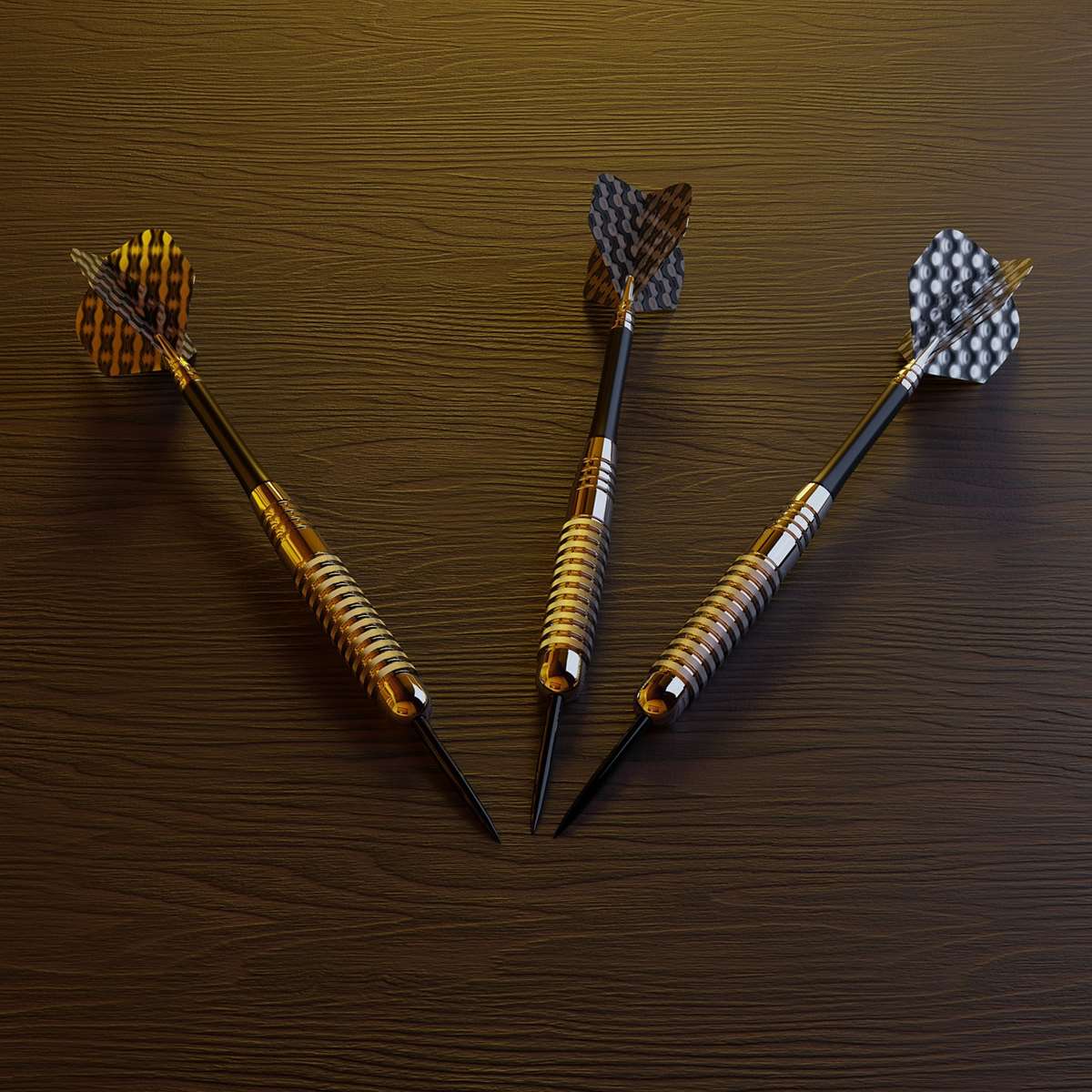
Each component of a dart – the barrel, shaft, and flight – contributes to its overall performance. The barrel’s shape and weight distribution affect the dart’s balance and grip. The shaft’s length influences the dart’s trajectory and stability. The flight’s shape and size impact the dart’s aerodynamic properties. Experimenting with different combinations can help you find the perfect setup for your throwing style. If you are trying to introduce darts to children, consider Adapting dart game rules for children.
Staying Updated with Regulation Changes
Dart equipment regulations can change over time, so it’s essential to stay informed about any updates. Check the official websites of dart organizations like the WDF or consult with experienced players and retailers to ensure your equipment remains compliant. Regular checks and updates prevent any unexpected issues during competitions or league play.
Conclusion
Understanding and adhering to equipment regulations steel soft tip is essential for fair play, consistent performance, and avoiding disputes in the world of darts. Whether you’re using steel tip or soft tip darts, knowing the specific rules regarding weight, dimensions, materials, and dartboard specifications is critical. By choosing compliant equipment and staying informed about any changes in regulations, you can ensure that you’re always playing by the rules and focusing on improving your skills. Take the time to verify your equipment and understand the rules for your league or competition. Happy darting!

Hi, I’m Dieter, and I created Dartcounter (Dartcounterapp.com). My motivation wasn’t being a darts expert – quite the opposite! When I first started playing, I loved the game but found keeping accurate scores and tracking stats difficult and distracting.
I figured I couldn’t be the only one struggling with this. So, I decided to build a solution: an easy-to-use application that everyone, no matter their experience level, could use to manage scoring effortlessly.
My goal for Dartcounter was simple: let the app handle the numbers – the scoring, the averages, the stats, even checkout suggestions – so players could focus purely on their throw and enjoying the game. It began as a way to solve my own beginner’s problem, and I’m thrilled it has grown into a helpful tool for the wider darts community.