Ready to test your aim and join the exciting world of competitive darts? An entry level darts tournament provides the perfect opportunity for beginners to experience the thrill of competition, improve their skills, and connect with fellow enthusiasts. This article will guide you through everything you need to know, from finding the right tournament to preparing yourself for success.
⚠️ Still Using Pen & Paper (or a Chalkboard)?! ⚠️
Step into the future! The Dart Counter App handles all the scoring, suggests checkouts, and tracks your stats automatically. It's easier than you think!
Try the Smart Dart Counter App FREE!Ready for an upgrade? Click above!
Finding the Right Entry Level Darts Tournament
Locating an entry level darts tournament that suits your skill level and interests is crucial. Start your search locally:
- Local Pubs and Bars: Many pubs and bars host weekly or monthly darts nights that often include tournaments suitable for beginners. These are often advertised on posters or their social media pages.
- Darts Clubs: Search online for local darts clubs in your area. These clubs often organize tournaments and leagues catering to various skill levels.
- Online Darts Forums and Communities: Online forums dedicated to darts enthusiasts are a great resource for finding information on local tournaments and connecting with other players.
- Event Listing Websites: Websites like Eventbrite or Meetup often list local sporting events, including darts tournaments.
When evaluating potential tournaments, consider these factors:
- Skill Level: Make sure the tournament is specifically designed for beginners or has a division for novice players. This will ensure you’re competing against players of similar skill.
- Format: Understand the tournament format (e.g., 501, Cricket) and the rules. This will help you prepare effectively.
- Entry Fee: Check the entry fee and any potential prizes. Some tournaments offer small cash prizes or trophies for winners.
- Location and Time: Ensure the location and time are convenient for you.
Preparing for Your First Darts Tournament
Proper preparation is key to boosting your confidence and performance in an entry level darts tournament. Here’s a breakdown of essential steps:
Practice Regularly
Consistent practice is the cornerstone of improvement. Dedicate time each week to honing your dart throwing skills. Focus on:
- Consistency: Work on developing a consistent throwing motion.
- Accuracy: Practice hitting specific targets, such as the treble 20, bullseye, and doubles.
- Mental Game: Practice staying focused and calm under pressure. Consider visualization techniques.
Understand the Rules
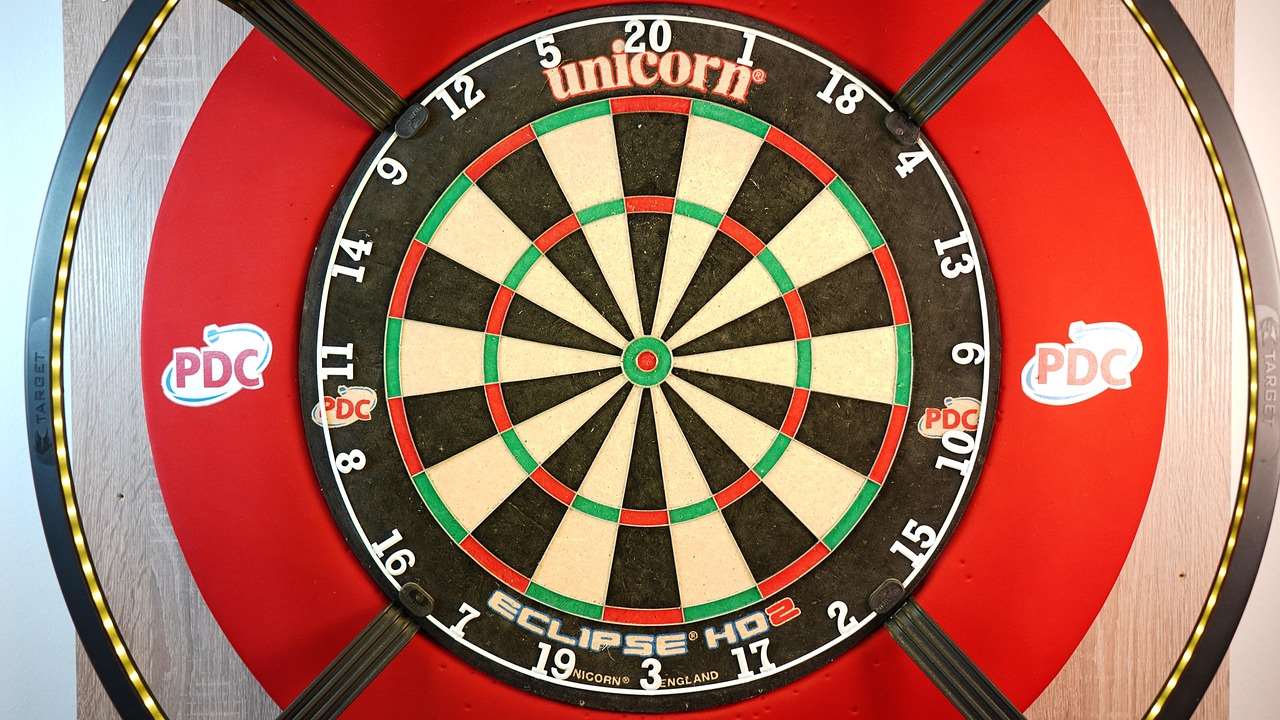
Familiarize yourself with the rules of the game, especially the scoring system. Common tournament formats include:
- 501: The most common darts game, where players start with 501 points and must reach zero by hitting specific targets. A double must be hit to finish the game. Did you know that you can try Simplified 501 game rules for novice players to ease your start into the sport?
- Cricket: A more complex game where players score by hitting specific numbers (20, 19, 18, 17, 16, 15, and the bullseye).
Knowing the rules inside and out will prevent confusion and potential penalties during the tournament.
Choose the Right Equipment
Investing in a good set of darts can significantly improve your performance. Consider these factors when choosing darts:
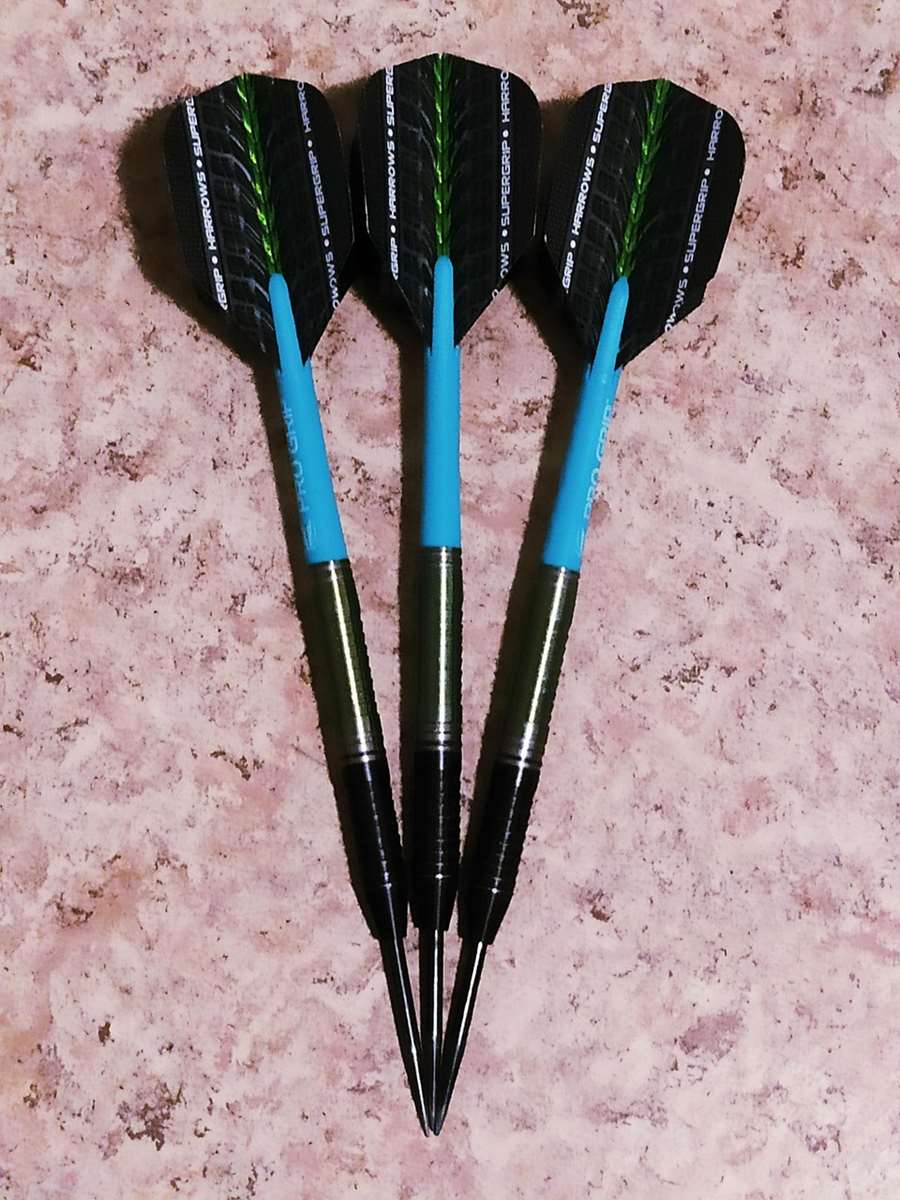
- Weight: Experiment with different weights to find what feels most comfortable for you. Most darts range from 20 to 26 grams.
- Grip: Choose a grip that provides a secure and comfortable hold. Different grip styles include knurled, smooth, and ringed.
- Shafts and Flights: Experiment with different shaft lengths and flight shapes to find what works best for your throwing style. Learn the Basic Darts Fundamentals for Beginners.
Also, make sure you have a dart case to protect your darts during transportation.
Develop a Pre-Tournament Routine
Establish a routine that helps you relax and focus before each game. This could include:
- Warm-up: Practice a few throws to get your arm loose and your mind focused.
- Visualization: Visualize yourself throwing accurately and winning the game.
- Breathing Exercises: Practice deep breathing to calm your nerves and improve focus.
Entry Level Darts Tournament Etiquette and Tips
Darts tournaments have their own set of etiquette and unwritten rules. Here are some tips to help you navigate your first tournament like a pro:
- Be Respectful: Show respect to your opponents, fellow players, and tournament officials.
- Wait Your Turn: Wait until your opponent has finished throwing before approaching the oche (throwing line).
- Avoid Distractions: Refrain from talking or making unnecessary noise while your opponent is throwing.
- Call Your Scores Clearly: Clearly announce your scores after each throw.
- Be a Good Sport: Win or lose, congratulate your opponent and maintain a positive attitude.
Advanced Tips for Beginners in Darts Tournaments
Ready to step up your game? Consider these additional tips:
- Analyze Your Game: After each game, take some time to analyze your performance. Identify your strengths and weaknesses and focus on improving areas where you struggle.
- Learn from Others: Watch experienced players and observe their techniques and strategies. Don’t be afraid to ask for advice.
- Manage Your Nerves: Tournaments can be nerve-wracking, especially for beginners. Practice relaxation techniques to manage your nerves and stay focused under pressure.

Common Mistakes to Avoid in an Entry Level Darts Tournament
Beginners often make common mistakes that can hinder their performance. Here are some pitfalls to avoid:
- Overthinking: Don’t overthink your throws. Trust your instincts and let your muscle memory take over.
- Lack of Focus: Maintain focus throughout the entire game. Distractions can lead to missed throws.
- Poor Stance: Adopt a stable and balanced stance to ensure consistent throws.
- Inconsistent Throwing Motion: Develop a consistent throwing motion and stick to it. Avoid making sudden changes.
- Giving Up Too Easily: Don’t get discouraged by early setbacks. Stay positive and keep fighting until the end.
These tips will assist you when competing for the first time in an entry level darts tournament.
The Mental Game of Darts: Staying Focused and Calm
Darts is as much a mental game as it is a physical one. Developing a strong mental game is crucial for success in an entry level darts tournament. Strategies include:
Visualization
Before each game, visualize yourself throwing accurately and hitting your targets. Imagine the feeling of success and confidence. You can try alternative darts rules for home play to improve your skills while having fun.
Positive Self-Talk
Replace negative thoughts with positive affirmations. Believe in your abilities and remind yourself of your strengths. Tell yourself, “I am a good darts player,” or “I can hit this target.”
Breathing Techniques
Practice deep breathing exercises to calm your nerves and improve focus. Inhale deeply through your nose, hold for a few seconds, and exhale slowly through your mouth. Repeat this several times before each throw.
Mindfulness
Focus on the present moment and avoid dwelling on past mistakes or worrying about future outcomes. Concentrate on your breathing, your stance, and your target.

Understanding Tournament Formats and Scoring Systems
Understanding the common tournament formats and scoring systems is essential for participating in an entry level darts tournament. Here’s an overview:
501
The most popular format. Players start with 501 points and must reduce their score to zero by hitting specific targets. A double must be hit to finish the game. The player who reaches zero first wins. There are resources online which can provide you with fun dart game variations with modified rules for improving your shot accuracy.
Cricket
Players score by hitting specific numbers (20, 19, 18, 17, 16, 15, and the bullseye). To score on a number, a player must “open” it by hitting it three times (single, double, or treble). Once a number is opened, the player can score points on that number until their opponent also opens it. The player with the most points on the opened numbers, and who has closed all their numbers first, wins. You can also explore adapting darts rules for beginners to make learning more efficient.
Round the Clock
Players must hit the numbers in order from 1 to 20. The first player to hit all the numbers wins.
Beyond the Basics: Advanced Darts Strategies
Once you’ve mastered the basics, you can start exploring more advanced darts strategies to improve your game in an entry level darts tournament:
- Checkout Strategies: Learn common checkout combinations to finish games quickly and efficiently.
- Target Prioritization: Develop a strategy for prioritizing targets based on your skill level and the current game situation.
- Opponent Analysis: Observe your opponents’ throwing styles and tendencies to identify weaknesses and exploit them.
Conclusion: Taking Your Shot at an Entry Level Darts Tournament
Participating in an entry level darts tournament is a fantastic way to improve your skills, meet fellow enthusiasts, and experience the thrill of competition. By following the tips and advice in this article, you’ll be well-prepared to make your mark on the dartboard. Remember to practice regularly, understand the rules, develop a strong mental game, and most importantly, have fun! So, sign up for a tournament today and take your shot at becoming a darts champion!

Hi, I’m Dieter, and I created Dartcounter (Dartcounterapp.com). My motivation wasn’t being a darts expert – quite the opposite! When I first started playing, I loved the game but found keeping accurate scores and tracking stats difficult and distracting.
I figured I couldn’t be the only one struggling with this. So, I decided to build a solution: an easy-to-use application that everyone, no matter their experience level, could use to manage scoring effortlessly.
My goal for Dartcounter was simple: let the app handle the numbers – the scoring, the averages, the stats, even checkout suggestions – so players could focus purely on their throw and enjoying the game. It began as a way to solve my own beginner’s problem, and I’m thrilled it has grown into a helpful tool for the wider darts community.