Ensuring clear throwing lane safety is paramount in any darts setup, preventing accidents and promoting a secure environment for players and spectators alike. This article will guide you through the essential steps to achieve this, covering everything from setup considerations to implementing safety protocols and choosing the right equipment.
⚠️ Still Using Pen & Paper (or a Chalkboard)?! ⚠️
Step into the future! The Dart Counter App handles all the scoring, suggests checkouts, and tracks your stats automatically. It's easier than you think!
Try the Smart Dart Counter App FREE!Ready for an upgrade? Click above!
The Foundation of Safety: Proper Setup and Spacing
The foundation of darts safety starts with a well-planned setup. This involves selecting an appropriate location and ensuring adequate spacing around the dartboard. Consider these key factors:
- Wall Material: Opt for a solid wall that can withstand the impact of errant darts. Avoid thin paneling or walls with easily damaged surfaces.
- Backboard Protection: A backboard made of cork, wood, or a similar material is crucial. It extends the target area and protects the wall from stray darts.
- Adequate Space: Ensure a minimum of 8 feet of clear space in front of the dartboard and at least 3 feet on either side. This allows players ample room to throw comfortably and safely.
- Lighting: Proper lighting is essential for visibility and accuracy. Position lights to illuminate the dartboard without casting shadows on the target area.
Before even thinking about modifying rules for mixed-level dart players, make sure the game is set up correctly.
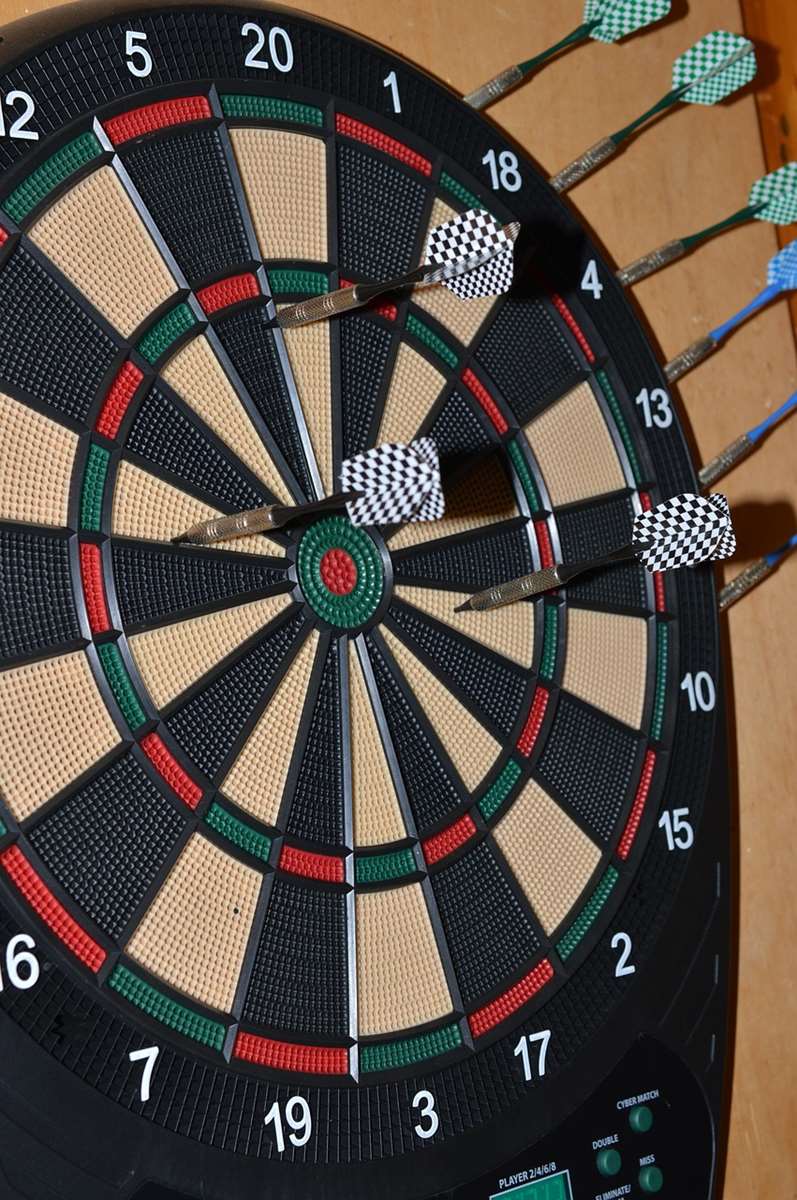
Establishing a Safe Throwing Lane: Marking and Boundaries
Clearly defining the throwing lane is another crucial aspect of ensuring clear throwing lane safety. This helps establish a designated area for players and prevents accidental crossings during throws. Consider these methods:
- Oche Placement: The oche, or throwing line, should be placed exactly 7 feet 9 1/4 inches from the face of the dartboard. Use a measuring tape to ensure accuracy.
- Floor Markings: Use tape or paint to clearly mark the oche and the boundaries of the throwing lane. This provides a visual reminder for players to stay within the designated area.
- Barriers (Optional): In high-traffic areas or when playing with inexperienced players, consider using temporary barriers to further define the throwing lane.
Benefits of a Well-Defined Throwing Lane
- Reduces Accidental Crossings: A clear throwing lane minimizes the risk of someone accidentally walking into the path of a dart.
- Promotes Fair Play: A clearly marked oche ensures that all players throw from the correct distance.
- Enhances Focus: A defined throwing area helps players focus on their throw without distractions.
Implementing Safety Protocols: Rules and Etiquette
Beyond physical setup, establishing clear safety protocols is essential. This involves implementing rules and promoting etiquette that prioritizes safety. When playing darts with friends, you may want to consider creative dart rules for parties and social gatherings, but make safety the first priority!
- No Throwing When Obstructed: Players should never throw when someone is in the path of the dartboard or retrieving darts.
- Respect the Thrower: Maintain silence and avoid distractions when a player is preparing to throw.
- Dart Retrieval Etiquette: When retrieving darts, approach the board cautiously and avoid blocking the throwing lane.
- Proper Dart Handling: Always handle darts with care, pointing the tip downwards when not in use.
These rules can also be adapting darts rules for beginners, but ensure all players are aware of the danger involved.

Choosing the Right Equipment: Darts and Dartboards
The equipment you choose can also play a role in ensuring clear throwing lane safety. Consider the following when selecting darts and dartboards:
- Dart Weight and Material: Heavier darts may be more stable in flight, reducing the likelihood of wild throws. Opt for darts made of durable materials like tungsten.
- Dartboard Material: Sisal fiber dartboards are self-healing and offer better dart retention compared to cork dartboards.
- Flight Shape and Size: Different flight shapes and sizes affect dart trajectory and stability. Experiment to find the best fit for your throwing style.
Before delving deeper, let’s go back to the basic darts fundamentals for beginners.
Dartboard Maintenance for Optimal Safety
- Regular Rotation: Rotate the dartboard regularly to distribute wear and tear evenly.
- Cleaning: Clean the dartboard periodically with a soft brush to remove dust and debris.
- Replacement: Replace the dartboard when it becomes excessively worn or damaged.
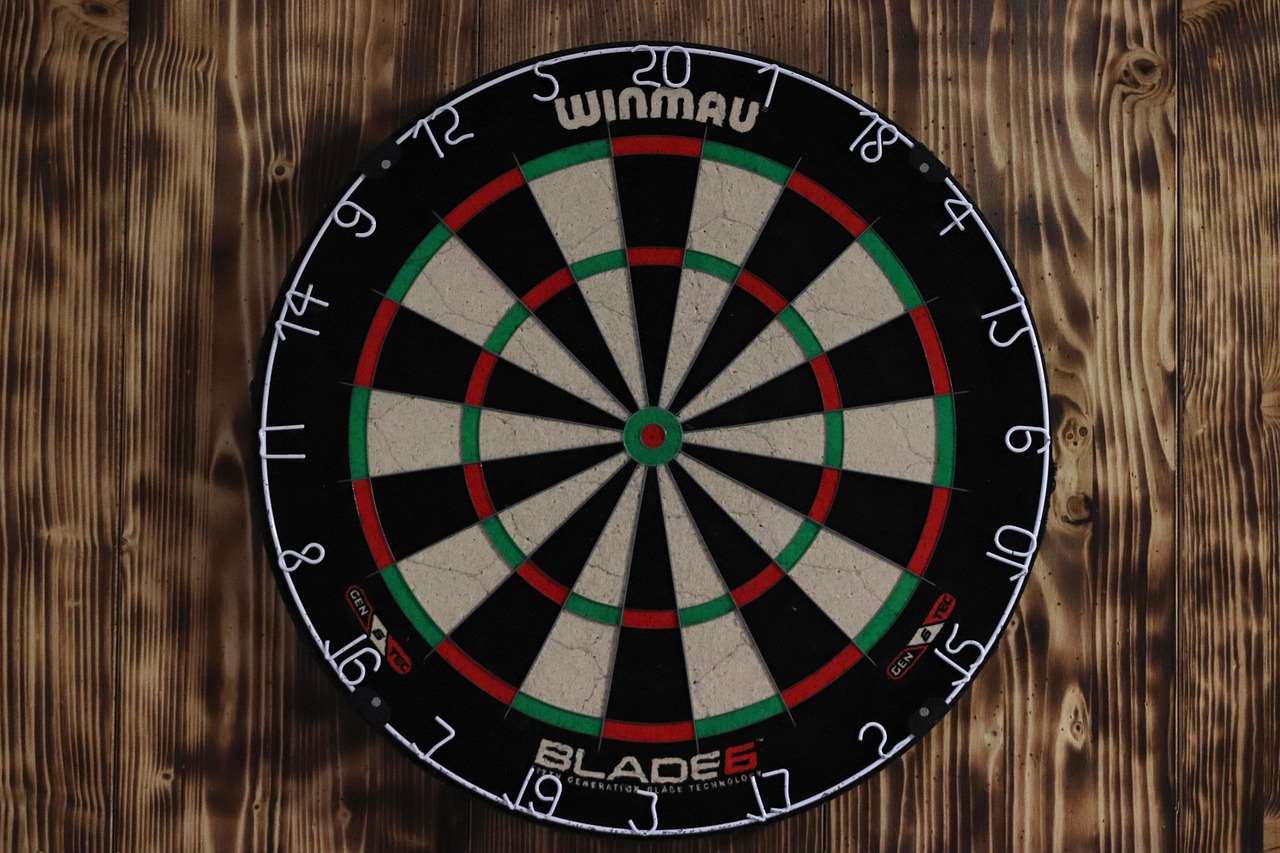
Minimizing Distractions: Creating a Focused Environment
Distractions can significantly increase the risk of accidents. Ensuring clear throwing lane safety involves creating a focused environment that minimizes potential disruptions. Here are some strategies:
- Designated Play Area: Establish a dedicated play area that is separate from high-traffic zones.
- Reduce Noise Levels: Minimize background noise by turning off the television or music during throws.
- Control Foot Traffic: Limit the number of people in the immediate vicinity of the throwing lane.
- Clear Communication: Establish clear communication protocols to avoid misunderstandings and accidental crossings.
First Aid Preparedness: Addressing Potential Injuries
Despite taking precautions, accidents can still happen. Being prepared to address potential injuries is crucial. Consider these steps:
- First Aid Kit: Keep a well-stocked first aid kit readily available in the play area.
- Wound Cleaning: In the event of a dart-related injury, immediately clean the wound with soap and water.
- Medical Attention: Seek medical attention if the wound is deep, bleeds excessively, or shows signs of infection.
- Eye Protection: Consider wearing safety glasses, especially when playing with inexperienced players or children.
Educating Players and Spectators: Promoting Awareness
Education is key to fostering a safe darts environment. Take the time to educate players and spectators about the importance of safety protocols. Adapting dart game rules for children is not enough – they also need to know the safety rules!
- Safety Briefings: Conduct brief safety briefings before each game, emphasizing the importance of following the established rules.
- Visual Reminders: Post safety guidelines in a prominent location near the dartboard.
- Demonstrations: Demonstrate proper throwing techniques and dart retrieval procedures.
- Open Communication: Encourage open communication and address any safety concerns promptly.
Continual Reinforcement of Safety Practices
Ensuring clear throwing lane safety is an ongoing process. Regularly reinforce safety practices and address any emerging concerns. This may involve:
- Periodic Reviews: Conduct periodic reviews of safety protocols to identify areas for improvement.
- Incident Reporting: Implement a system for reporting any incidents or near misses.
- Feedback Mechanisms: Encourage players and spectators to provide feedback on safety practices.
Age-Appropriate Safety Measures: Adapting for Children
When children are involved, it’s especially important to adapt safety measures to their age and abilities. This includes:
- Supervision: Provide constant supervision when children are playing darts.
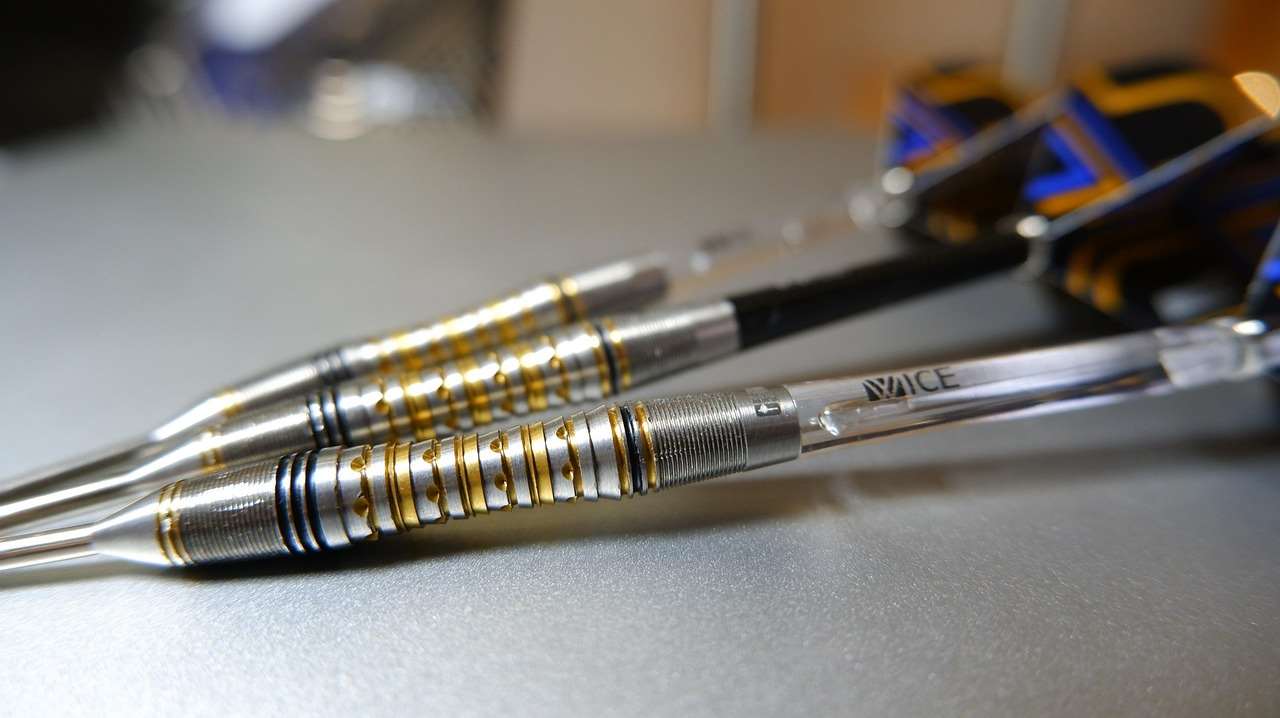
- Soft-Tip Darts: Consider using soft-tip darts instead of steel-tip darts.
- Reduced Throwing Distance: Shorten the throwing distance to make it easier for children to hit the target.
- Simplified Rules: Simplify the rules to make the game more accessible and less frustrating for children.
Conclusion
Ensuring clear throwing lane safety is a multifaceted endeavor that requires careful planning, implementation, and ongoing attention. By prioritizing proper setup, establishing clear protocols, choosing the right equipment, minimizing distractions, and promoting awareness, you can create a safe and enjoyable environment for all. Remember to stay vigilant, reinforce safety practices regularly, and adapt your approach as needed. Ready to put these tips into action? Start by evaluating your current setup and making any necessary adjustments to prioritize safety. Don’t wait for an accident to happen; take proactive steps today to ensure clear throwing lane safety for yourself and others!

Hi, I’m Dieter, and I created Dartcounter (Dartcounterapp.com). My motivation wasn’t being a darts expert – quite the opposite! When I first started playing, I loved the game but found keeping accurate scores and tracking stats difficult and distracting.
I figured I couldn’t be the only one struggling with this. So, I decided to build a solution: an easy-to-use application that everyone, no matter their experience level, could use to manage scoring effortlessly.
My goal for Dartcounter was simple: let the app handle the numbers – the scoring, the averages, the stats, even checkout suggestions – so players could focus purely on their throw and enjoying the game. It began as a way to solve my own beginner’s problem, and I’m thrilled it has grown into a helpful tool for the wider darts community.