The key to a successful and enjoyable pub league darts experience lies in proactively enforcing foul rules in pub league darts to maintain fairness and sportsmanship. This article will delve into the common fouls in pub darts, explore effective methods for their consistent enforcement, and highlight the importance of clear communication and mutual respect among players. You’ll learn how to spot fouls, handle disputes, and create a more positive and competitive environment.
⚠️ Still Using Pen & Paper (or a Chalkboard)?! ⚠️
Step into the future! The Dart Counter App handles all the scoring, suggests checkouts, and tracks your stats automatically. It's easier than you think!
Try the Smart Dart Counter App FREE!Ready for an upgrade? Click above!
Common Foul Rules in Pub League Darts
Understanding the specific rules that constitute a foul is the first step in enforcing foul rules in pub league darts effectively. While specific rules can vary slightly between leagues, some fouls are almost universally recognised. Let’s examine some of the most common ones:
- Foot Faults: The most frequent infraction. A foot fault occurs when a player steps over the oche (throwing line) while releasing the dart. Even touching the oche with your foot can be considered a foul. The placement of the oche should be precise.
- Dart Board Interference: Intentionally interfering with the dartboard, another player’s darts, or the board itself before all darts have been thrown is a definite no-no. This also includes bumping the board while another player is in the middle of their turn.
- Throwing Out of Turn: Throwing darts out of the designated order is a foul. This disrupts the flow of the game and can potentially lead to confusion about scoring.
- Unsportsmanlike Conduct: This is a broad category, but it covers things like distracting opponents, using offensive language, or displaying aggressive behavior. Remember, sportsmanship is key in pub league darts.
- Illegal Dart Construction: Although rare, using darts that don’t conform to established rules (e.g., exceeding length or weight restrictions) is a foul.
- Incorrect Scoring: Knowingly or repeatedly calling out the wrong score (either for yourself or your opponent) can be viewed as a deliberate attempt to gain an unfair advantage. Honesty is paramount.
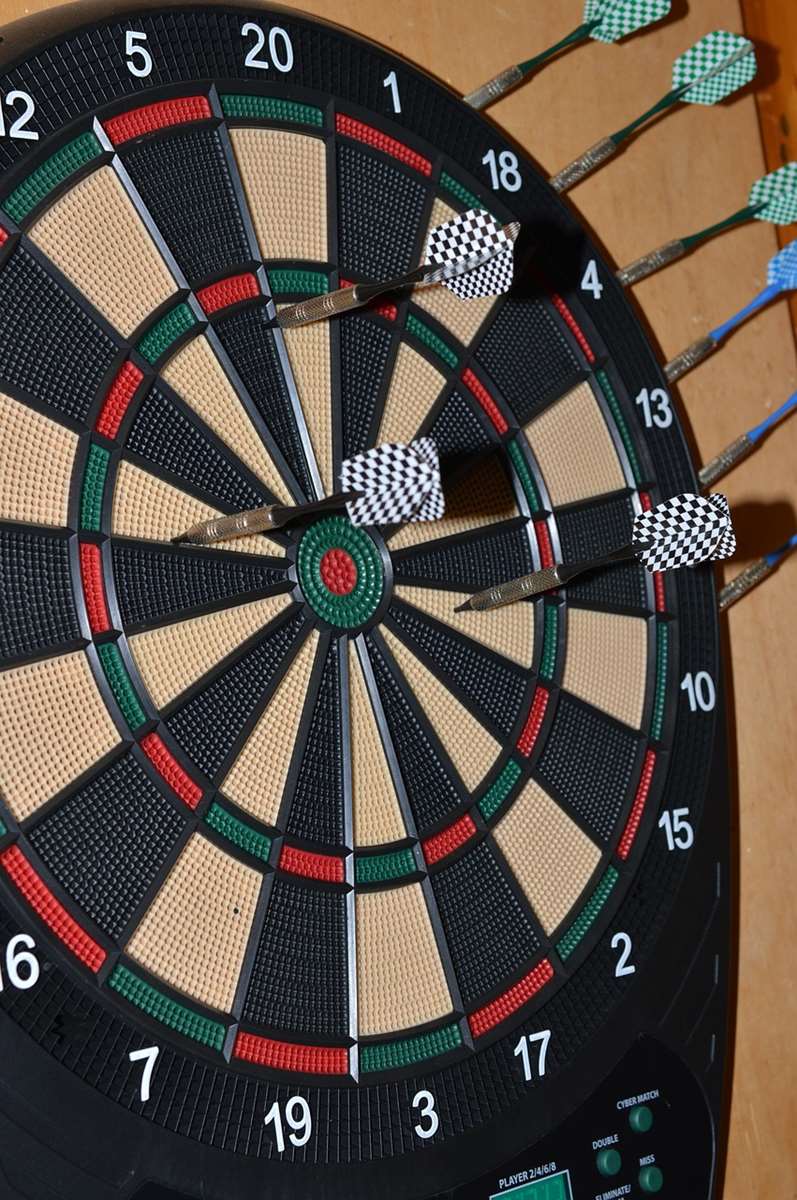
These are the core fouls you’re likely to encounter. Awareness and understanding of these rules is crucial for all players and especially for those responsible for officiating.
The Importance of Clearly Defined Oche Placement
As noted above, the location of the oche is extremely important. This is one of the most common causes of foot faults. In order to ensure the correct placement of the oche, you should follow these steps.
- **Measure:** Use a proper measuring tape to find the correct distance from the bullseye.
- **Mark:** Once you find the correct distance, use tape or a more permanent marker.
- **Double Check:** Double check all measurements to ensure accuracy.
Measuring accurately is the surest way of avoiding foot faults.
Effective Methods for Enforcing Foul Rules in Pub League Darts
Knowing the rules is only half the battle. The other half is implementing strategies for enforcing foul rules in pub league darts in a fair and consistent manner. This requires a proactive approach, clear communication, and a willingness to address issues as they arise. Here are some effective methods:
- Clear Rule Communication: Before the league season begins, distribute a comprehensive rule sheet to all players. This document should clearly outline all foul rules, scoring procedures, and dispute resolution processes.
- Designated Officials (If Applicable): If your league has designated officials, ensure they are thoroughly trained on the rules and have the authority to make rulings. Their decisions should be respected.
- Self-Regulation: In many pub leagues, players are responsible for policing themselves and each other. Encourage players to politely point out potential fouls when they occur, but always with respect and consideration.
- Consistent Application: Apply the rules consistently across all games and all players. Favoritism or selective enforcement will undermine the integrity of the league.
- Documented Warnings: If a player repeatedly commits fouls, issue a formal warning. Keep a record of these warnings to provide evidence in case further disciplinary action is needed.
Leagues also need to be aware of how to make darts fairer with handicap rules.
Addressing Disputes Fairly and Effectively
Disputes are inevitable, even in the friendliest pub leagues. Having a clear and fair process for resolving disputes is essential. Here’s a suggested approach:
- Encourage Calm Discussion: Before escalating the situation, encourage the players involved to discuss the issue calmly and respectfully. Often, a simple misunderstanding can be resolved through open communication.
- Refer to the Rule Book: If the players can’t reach an agreement, refer to the league’s rule book. The written rules should be the final authority.
- Official Ruling (If Applicable): If the league has designated officials, they should make the final ruling based on the evidence and the rules.
- Respect the Decision: Regardless of the outcome, all players should respect the official’s decision. Continued arguments or dissent should not be tolerated.
- Escalation Procedures: If a dispute cannot be resolved on the spot, have a clear procedure for escalating the issue to league administrators.

The Role of Sportsmanship in Enforcing Foul Rules
While strict enforcement of rules is important, the spirit of sportsmanship should always be paramount. Enforcing foul rules in pub league darts should not be about being overly critical or trying to gain an unfair advantage through technicalities. It should be about creating a fair and enjoyable environment for everyone involved.
Remember:
- Be Respectful: Treat your opponents and fellow players with respect, even when disagreements arise. Avoid personal attacks or offensive language.
- Be Honest: Accurately report your scores and avoid intentionally miscalling scores for your own benefit.
- Give the Benefit of the Doubt: If you’re unsure whether a foul occurred, err on the side of giving your opponent the benefit of the doubt.
- Focus on Fun: Ultimately, pub league darts should be about having fun and enjoying the camaraderie of playing with friends. Don’t let the desire to win overshadow the importance of good sportsmanship. It’s important to foster creative dart rules for parties and social gatherings.
Practical Tips for Spotting and Addressing Specific Fouls
Let’s get into the specifics of spotting and addressing some of the most common fouls:
Foot Faults: A Closer Look
- Observation: Pay close attention to the player’s foot position as they release the dart. Are they stepping over the oche? Are they touching it with their foot?
- Gentle Reminder: If you see a player committing a foot fault, politely remind them of the rule. A simple “Just watch your foot there” is often enough.
- Marking the Oche: Ensure the oche is clearly marked and visible to all players. Use tape or paint to create a distinct line.
- Enforcement: If a player repeatedly commits foot faults despite being reminded, consider issuing a formal warning.
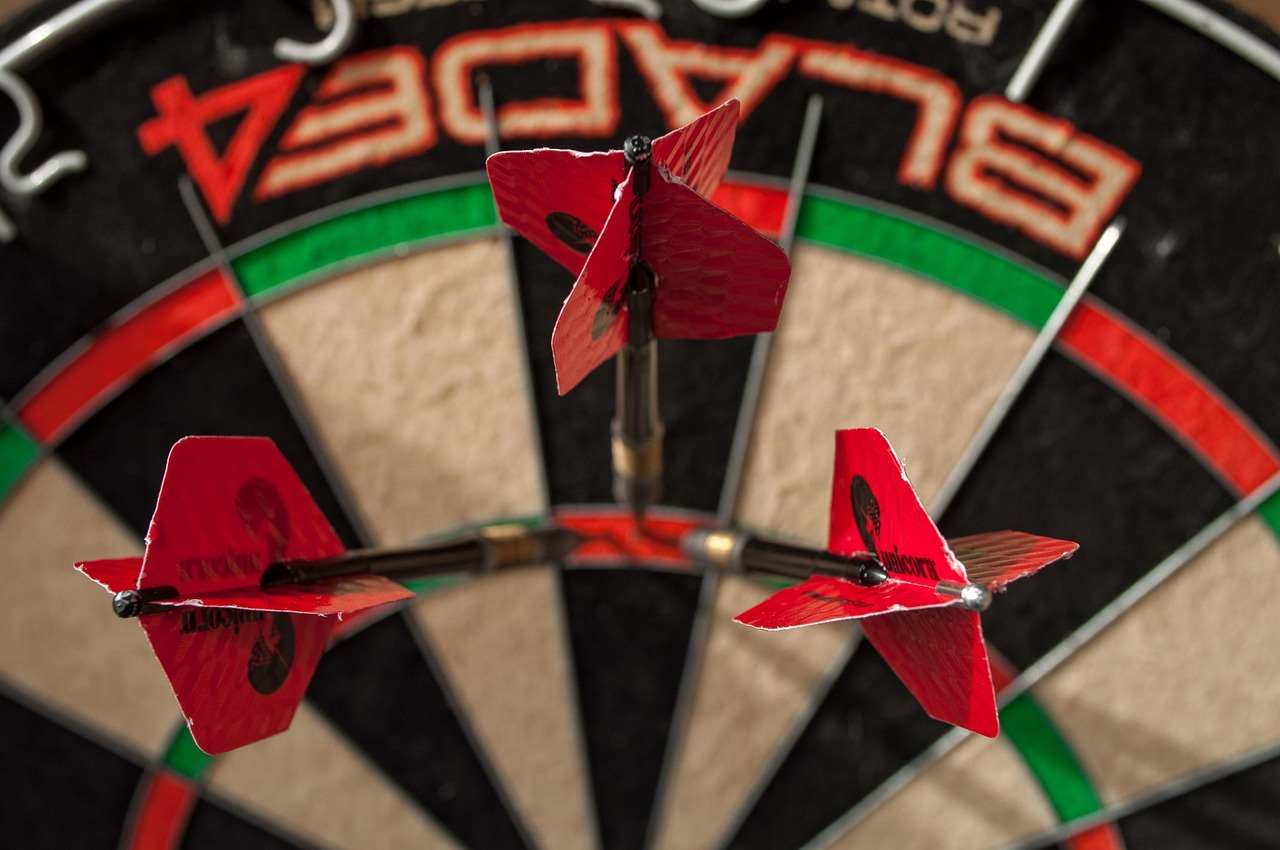
Dart Board Interference: Prevention and Action
- Clear Zones: Establish clear zones around the dartboard where players are not allowed to stand or move while another player is throwing.
- Verbal Reminders: If someone is getting too close to the board, politely ask them to move back.
- Consequences: If a player intentionally interferes with the board or another player’s darts, consider awarding the affected player the points they would have likely scored.
Throwing Out of Turn: Maintaining Order
- Designated Order: Clearly establish the throwing order at the beginning of each game or leg.
- Verbal Confirmation: Before each turn, verbally confirm who is throwing next.
- Corrections: If someone throws out of turn, gently correct them and ensure the correct player throws next.
Unsportsmanlike Conduct: Setting the Tone
- Zero Tolerance: Implement a zero-tolerance policy for unsportsmanlike conduct.
- Immediate Action: Address any instances of unsportsmanlike conduct immediately and decisively.
- Consequences: Consequences for unsportsmanlike conduct can range from warnings to suspensions, depending on the severity of the offense.
Adapting Rules for Different Skill Levels and League Formats
While standard dart rules are generally followed, there’s room for adaptation to suit different skill levels and league formats. For example, beginners might benefit from simplified scoring or modified rules.
It’s important to note that you can adapt darts rules for beginners. Also, consider modifying rules for mixed-level dart players.
The Benefits of Consistent Rule Enforcement
Enforcing foul rules in pub league darts consistently brings numerous benefits to your league:
- Fairness and Integrity: Consistent enforcement ensures that all players are playing by the same rules, creating a level playing field and maintaining the integrity of the competition.
- Reduced Disputes: Clear rules and consistent enforcement minimize the likelihood of disputes and disagreements.
- Improved Sportsmanship: A fair and well-regulated league fosters a culture of good sportsmanship and mutual respect.
- Enhanced Enjoyment: Ultimately, a fair and enjoyable league is more likely to attract and retain players, leading to a thriving and successful darts community.
Conclusion
Enforcing foul rules in pub league darts is not just about being a stickler for the rules; it’s about fostering a fair, enjoyable, and respectful environment for all players. By understanding common fouls, implementing effective enforcement methods, and prioritizing sportsmanship, you can create a thriving darts community where everyone feels welcome and valued. Remember to communicate clearly, address disputes fairly, and adapt rules as needed to suit different skill levels and league formats. Take action today to ensure your league benefits from consistent rule enforcement!

Hi, I’m Dieter, and I created Dartcounter (Dartcounterapp.com). My motivation wasn’t being a darts expert – quite the opposite! When I first started playing, I loved the game but found keeping accurate scores and tracking stats difficult and distracting.
I figured I couldn’t be the only one struggling with this. So, I decided to build a solution: an easy-to-use application that everyone, no matter their experience level, could use to manage scoring effortlessly.
My goal for Dartcounter was simple: let the app handle the numbers – the scoring, the averages, the stats, even checkout suggestions – so players could focus purely on their throw and enjoying the game. It began as a way to solve my own beginner’s problem, and I’m thrilled it has grown into a helpful tool for the wider darts community.