An Electronic Oche Line revolutionizes dart games by providing a consistent and accurate throwing distance, eliminating disputes and enhancing gameplay consistency. This article explores the benefits, types, setup, and considerations for using an electronic oche, guiding you to a more precise and enjoyable darting experience.
⚠️ Still Using Pen & Paper (or a Chalkboard)?! ⚠️
Step into the future! The Dart Counter App handles all the scoring, suggests checkouts, and tracks your stats automatically. It's easier than you think!
Try the Smart Dart Counter App FREE!Ready for an upgrade? Click above!
The Benefits of Using an Electronic Oche Line
Traditionally, dart players would use a tape measure or simply estimate the throwing distance, leading to inconsistencies and arguments. The electronic oche line solves this problem by offering a precisely measured and visually clear marker. This not only ensures fair play but also helps players develop a more consistent throwing technique. Using a consistent throwing distance is key when deciding to Choose Best Dart Equipment.
- Accuracy: Provides a consistent throwing distance, crucial for fair play and skill development.
- Convenience: Eliminates the need for manual measurement, saving time and effort.
- Professionalism: Mimics the standards used in professional dart tournaments.
- Reduced Disputes: Clear demarcation minimizes arguments over throwing distance.
Enhanced Gameplay and Skill Development
Beyond fairness, an electronic oche line is a valuable tool for improving your dart game. By consistently throwing from the same distance, players can focus on refining their stance, grip, and release. This consistency translates into improved accuracy and higher scores over time. Some players find that consistent practice pays off even when they Finding Value Budget Dart Sets.
Types of Electronic Oche Lines Available
The market offers a variety of electronic oche line solutions, each with its own features and price point. Understanding the different types will help you choose the best option for your needs and budget. Common variations include:
- Laser Oche: Projects a bright laser line onto the floor, providing a clear visual marker.
- Tape Measure Oche: A retractable measuring tape with a built-in oche line.
- Free Standing Oche: A self-supporting unit that combines an oche line with a dartboard stand.
- Digital Oche: A digital display showing the distance.
Laser Oche: Precision and Visibility
Laser oches are popular for their ease of use and visibility. They project a crisp, easily visible line on virtually any surface, even in low-light conditions. The key advantages of a laser oche include simple setup, portability, and a clean, modern look. However, be mindful of potential distractions caused by the laser beam, and avoid direct eye exposure to the laser.
Another benefit is that maintaining a consistent distance can help those looking at the Budget vs Premium Darts Compared to have a fair comparison test.

Tape Measure Oche: Simplicity and Affordability
Tape measure oches are a cost-effective solution for players who prefer a simple and straightforward setup. These devices typically consist of a retractable tape measure with a designated oche line marker. They are easy to install and transport, making them a good choice for casual players and those on a budget. However, they may lack the precision and visibility of laser oches.
Free Standing Oche: All-in-One Convenience
For those seeking a complete darting setup, a free-standing oche offers an all-in-one solution. These units combine a dartboard stand with an integrated oche line, providing a stable and convenient playing platform. They are ideal for dedicated game rooms or areas where a permanent dartboard setup is desired.
Setting Up Your Electronic Oche Line
Proper setup is crucial to ensure the accuracy and effectiveness of your electronic oche line. Here’s a general guide:
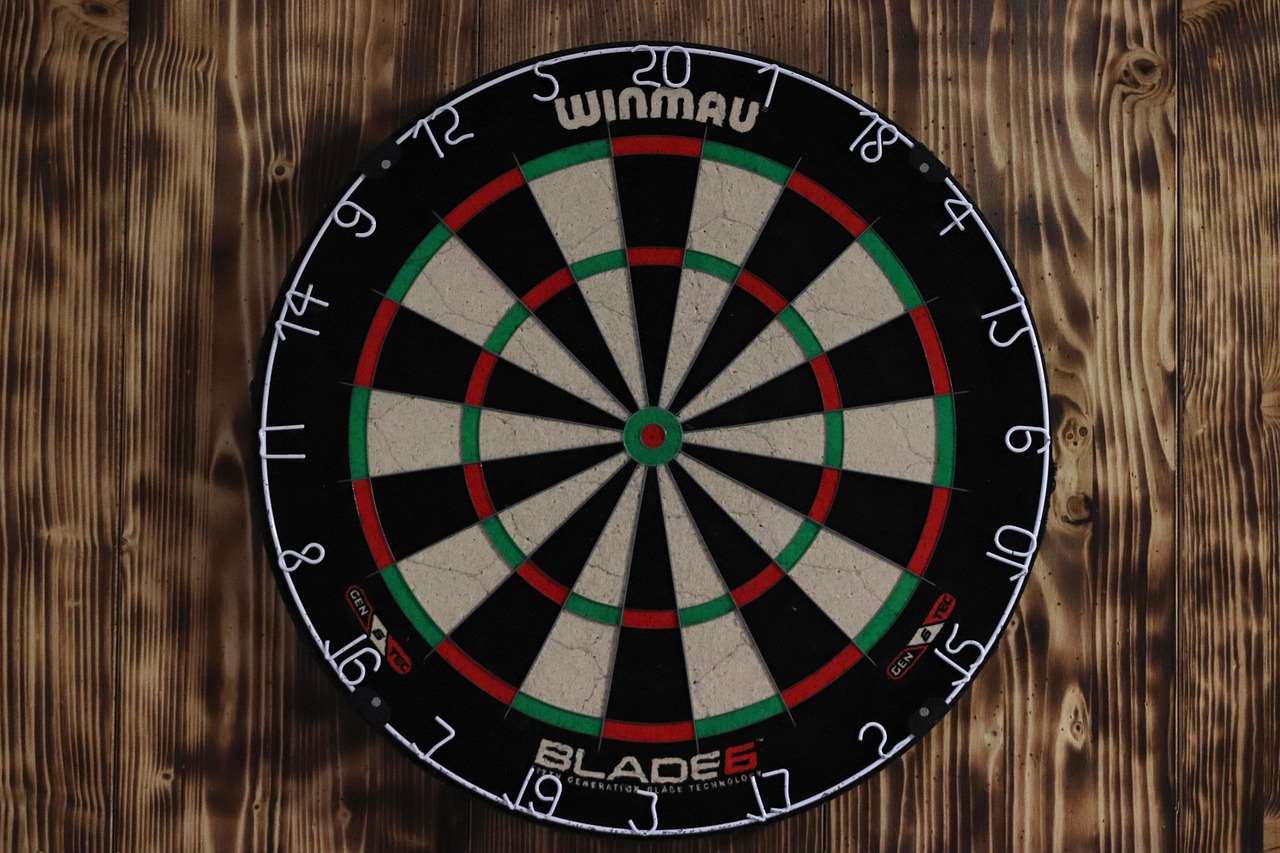
- Measure the Distance: The standard throwing distance is 7 feet 9 1/4 inches (2.37 meters) from the face of the dartboard to the oche line.
- Position the Oche: Place the electronic oche line accurately at the measured distance.
- Secure the Oche: Ensure the oche line is firmly secured to the floor to prevent movement during play.
- Verify Alignment: Double-check that the oche line is parallel to the dartboard.
Tips for Accurate Oche Line Placement
Getting the oche line exactly right is essential for consistent practice. Here are some tips to help:
- Use a high-quality measuring tape for accuracy.
- Mark the oche line location with tape or chalk before permanently securing it.
- Have someone help you verify the alignment.
- Regularly check the oche line’s position to ensure it hasn’t shifted.
Factors to Consider When Choosing an Electronic Oche Line
Selecting the right electronic oche line depends on your individual needs and preferences. Here are some key factors to consider:
- Budget: Oche lines range in price from budget-friendly tape measures to more expensive laser and electronic models.
- Space: Consider the available space in your playing area. A free-standing oche requires more space than a laser oche.
- Visibility: Choose an oche line with good visibility, especially in low-light conditions.
- Portability: If you plan to move your dartboard setup frequently, a portable oche line is a good choice.
- Ease of Use: Opt for an oche line that is easy to set up and use.
Material and Build Quality
The material and build quality of the electronic oche line can significantly impact its durability and longevity. Look for models made from sturdy materials that can withstand regular use. Laser oches should have a robust casing to protect the laser mechanism. Also make sure the dartboard setup is proper to provide a fair playing field.
Maintaining Your Electronic Oche Line
Proper maintenance will ensure that your electronic oche line continues to provide accurate and reliable service for years to come. Follow these simple tips:
- Clean Regularly: Wipe down the oche line with a damp cloth to remove dust and dirt.
- Protect from Damage: Avoid placing heavy objects on the oche line or exposing it to extreme temperatures.
- Store Properly: When not in use, store the oche line in a safe and dry place.
- Replace Batteries: If using a laser oche, replace the batteries regularly to ensure optimal brightness.
Troubleshooting Common Issues
Even with proper maintenance, you may occasionally encounter issues with your electronic oche line. Here are some common problems and their solutions:
- Laser Line Fading: Replace the batteries in the laser oche.
- Oche Line Moving: Re-secure the oche line to the floor.
- Tape Measure Jamming: Carefully clean and lubricate the tape measure mechanism.
Ensuring a consistent throwing distance is important no matter if you are evaluating What Makes Darts Premium Quality or just practicing.
Conclusion
An Electronic Oche Line is an invaluable addition to any dart player’s setup, offering accuracy, convenience, and a professional touch. By understanding the different types of oches available, considering the key factors in choosing the right one, and following proper setup and maintenance procedures, you can elevate your dart game and enjoy a more consistent and enjoyable playing experience. Upgrade your darting setup today and experience the difference a precise throwing distance makes. Consider your individual needs and budget and begin Choose Best Dart Equipment accordingly!

Hi, I’m Dieter, and I created Dartcounter (Dartcounterapp.com). My motivation wasn’t being a darts expert – quite the opposite! When I first started playing, I loved the game but found keeping accurate scores and tracking stats difficult and distracting.
I figured I couldn’t be the only one struggling with this. So, I decided to build a solution: an easy-to-use application that everyone, no matter their experience level, could use to manage scoring effortlessly.
My goal for Dartcounter was simple: let the app handle the numbers – the scoring, the averages, the stats, even checkout suggestions – so players could focus purely on their throw and enjoying the game. It began as a way to solve my own beginner’s problem, and I’m thrilled it has grown into a helpful tool for the wider darts community.