The typical **electronic dartboard size** closely mirrors a standard steel tip dartboard, generally measuring around 15.5 inches in diameter, but variations exist. This article explores everything you need to know about **electronic dartboard size**, dimensions, setup, and choosing the right one for your needs.
⚠️ Still Using Pen & Paper (or a Chalkboard)?! ⚠️
Step into the future! The Dart Counter App handles all the scoring, suggests checkouts, and tracks your stats automatically. It's easier than you think!
Try the Smart Dart Counter App FREE!Ready for an upgrade? Click above!
Understanding Electronic Dartboard Dimensions
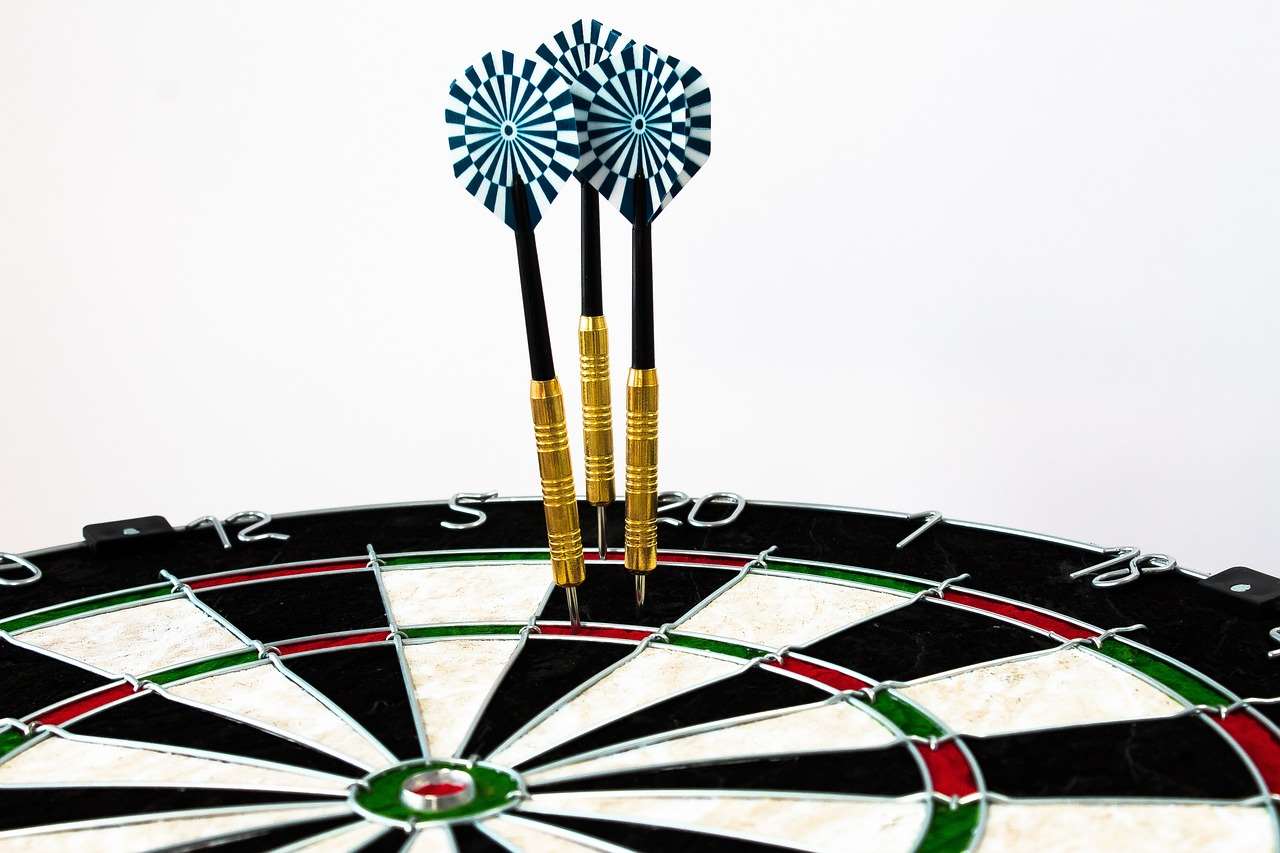
When considering an **electronic dartboard**, it’s crucial to understand the various dimensions that affect gameplay and setup. While the target area is typically around 15.5 inches, just like a traditional dartboard, the overall dimensions of the board can vary. This variation stems from the different casing styles, score displays, and additional features that manufacturers incorporate. Before investing, you may also want to read our guide to help you Choose Best Dart Equipment.
Here’s a breakdown of the key dimensions to consider:
- Target Area Diameter: The actual playing surface, usually 15.5 inches. This is consistent with regulation steel tip dartboards.
- Overall Diameter: The total width of the dartboard, including the casing and any surrounding electronics. This can range from 17 to 22 inches or more.
- Depth: The thickness of the dartboard, which affects how much space it protrudes from the wall. Depths generally range from 1 to 3 inches.
- Weight: While not a dimension, the weight of the dartboard is important for installation. Most electronic dartboards weigh between 5 and 10 pounds.
Why is Electronic Dartboard Size Important?
The **electronic dartboard size** you choose impacts several factors. First, it determines the amount of space you’ll need to dedicate to your dart playing area. A larger board requires more wall space and a wider throwing lane. It also affects portability if you plan to move the dartboard frequently.
Beyond physical space, the size also influences the visual appeal. A larger dartboard with a prominent display can be a focal point in your game room, while a smaller, more discreet model might blend in better with your decor. Consider where you plan to put the board before buying. A larger board might be better suited to larger rooms.
Official Electronic Dartboard Size and Regulations
While there aren’t strict official regulations for the **electronic dartboard size** used in casual play, professional dart leagues and tournaments often adhere to specific standards. These standards typically mirror those for steel tip dartboards, ensuring fair play and consistency.
Here are some common guidelines:
- Height: The center of the bullseye should be 5 feet 8 inches (1.73 meters) from the floor.
- Throwing Distance: The oche (throwing line) should be 7 feet 9 1/4 inches (2.37 meters) from the face of the dartboard.
It’s essential to adhere to these measurements, regardless of the **electronic dartboard size**, to ensure accurate gameplay and prevent injury.
Understanding Different Types of Electronic Dartboards
Electronic dartboards come in various forms, each impacting the overall **electronic dartboard size**. Some boards are designed for home use, while others are built for commercial settings like bars and arcades. Let’s explore some of the common types:
- Home Dartboards: Typically made from plastic and designed for recreational play. They often feature built-in scoreboards and game options.
- Commercial Dartboards: More durable and robust, designed to withstand frequent use. They may have advanced features like coin slots and online connectivity.
- Cabinet Dartboards: Housed within a cabinet, offering a more aesthetic and space-saving solution. The cabinet doors protect the dartboard and provide storage for darts.
Understanding the different types will help you choose an **electronic dartboard** that suits your playing environment and frequency of use.
Factors Affecting Electronic Dartboard Size Selection
Several factors play a key role in choosing the right **electronic dartboard size**. Your available space is the first, of course. But consider the following, as well:
- Room Size: Measure your room to ensure you have enough space for the dartboard and a comfortable throwing lane.
- Budget: Electronic dartboards range in price, so set a budget before you start shopping. It helps to understand the Difference Budget Premium Darts and how that affects the dartboard.
- Skill Level: Beginners might prefer a larger target area, while experienced players might opt for a more regulation-sized board.
- Features: Consider the features you need, such as a scoring display, game options, and player tracking.
By carefully considering these factors, you can confidently select the appropriate **electronic dartboard size** that enhances your dart-playing experience.
Setting up Your Electronic Dartboard: Considerations
Proper setup is critical, regardless of the **electronic dartboard size**. Mounting the board at the correct height and distance ensures fair gameplay and prevents injuries. Here are some key considerations:
- Wall Mounting: Use a sturdy wall mount that can support the weight of the dartboard.
- Lighting: Ensure adequate lighting to illuminate the target area.
- Dart Mat: Place a dart mat on the floor to protect your flooring and provide a consistent throwing stance.
Take your time during setup to make sure everything is aligned properly and securely fastened.
Tips for Optimizing Your Dartboard Setup
Here are some additional tips to optimize your dartboard setup:
- Use a Laser Throw Line: A laser throw line provides a clear and consistent throwing point.
- Install a Surround: A dartboard surround protects your walls from stray darts.
- Regularly Rotate Your Dartboard: Rotating your dartboard helps to distribute wear evenly.
By following these tips, you can create an optimal dart-playing environment that is both fun and safe.
Common Misconceptions About Electronic Dartboard Size
There are a few common misconceptions about **electronic dartboard size** that need to be addressed. Some people believe that bigger is always better, but this isn’t necessarily true. A larger dartboard might be easier to hit for beginners, but it can also make the game less challenging for more experienced players.
Another misconception is that all electronic dartboards are the same size. As mentioned earlier, the overall dimensions can vary significantly, depending on the manufacturer and features. Therefore, doing your research and reading reviews is essential before making a purchase.
Maintaining Your Electronic Dartboard
Proper maintenance will extend the lifespan of your **electronic dartboard**, regardless of its size. Regularly cleaning the board and replacing worn-out segments will ensure optimal performance. Here are some maintenance tips:
- Clean the Board Regularly: Use a soft cloth to wipe down the surface of the dartboard.
- Replace Worn-Out Segments: Replace segments that are damaged or worn.
- Store Properly: Store the dartboard in a dry, temperature-controlled environment when not in use.
Regular maintenance will keep your **electronic dartboard** in top condition for years to come.
Future Trends in Electronic Dartboard Size and Technology
The world of electronic dartboards is constantly evolving, with new technologies and features being introduced regularly. Some emerging trends include:
- Smart Dartboards: Dartboards that connect to your smartphone or tablet, allowing you to track your stats and play against opponents online.
- Interactive Dartboards: Dartboards that project interactive graphics onto the playing surface.
- Customizable Dartboards: Dartboards that allow you to customize the target area and game options.
As technology continues to advance, we can expect to see even more innovative and exciting developments in the world of electronic dartboards.
Choosing Between Standard and Smaller Electronic Dartboards
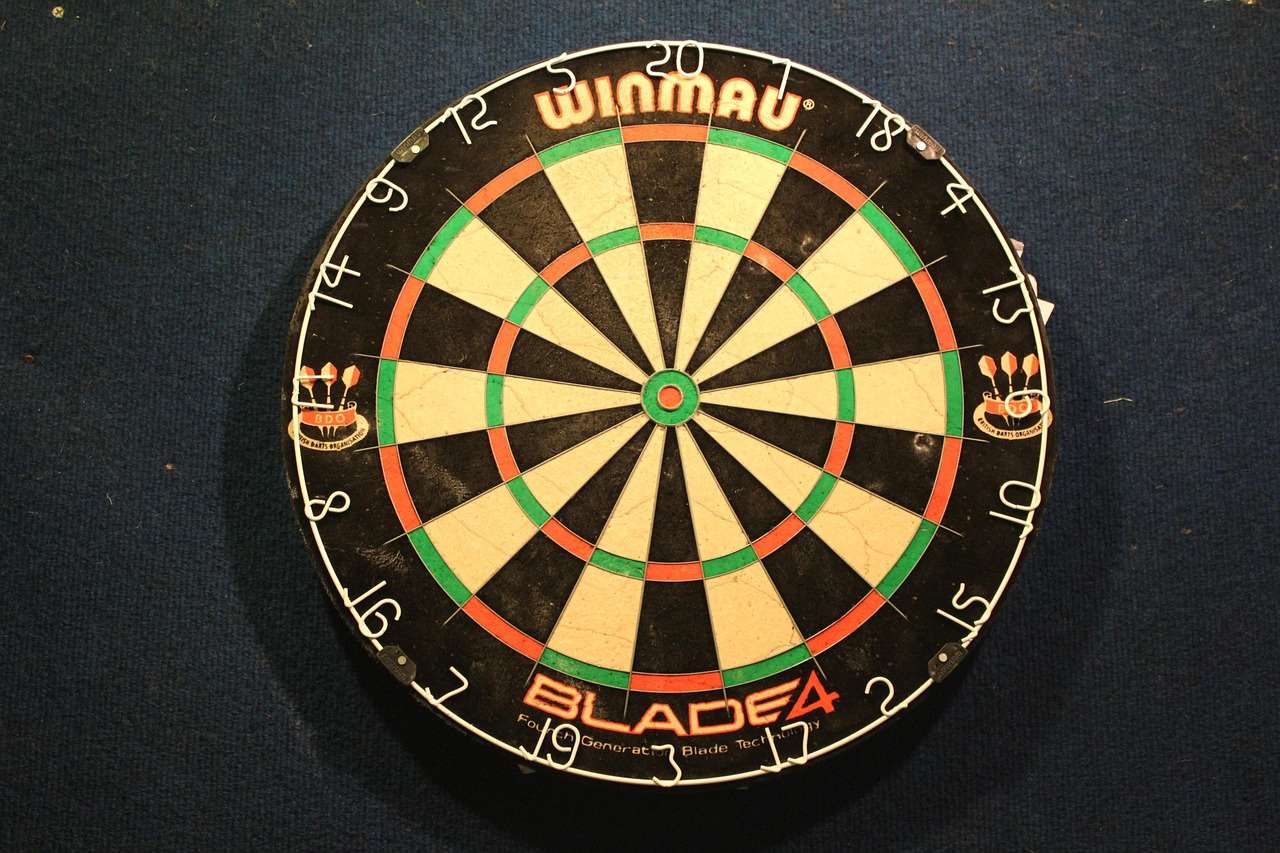
While the standard **electronic dartboard size** hovers around 15.5 inches for the target area, smaller models do exist, often marketed as “portable” or “travel” dartboards. These smaller boards sacrifice some of the regulation feel for increased convenience. Deciding between the two hinges on your priorities.
A standard size is preferable for those who want an authentic experience, especially if you play in leagues or tournaments. A smaller board might be suitable for casual play in limited spaces or for travel, but be prepared for a slightly different feel to the game.
Conclusion
Choosing the right **electronic dartboard size** involves considering your space, skill level, budget, and desired features. While the standard target area is generally around 15.5 inches, the overall dimensions can vary. By understanding the different types of dartboards and following the setup and maintenance tips outlined in this article, you can ensure an enjoyable and long-lasting dart-playing experience. Now that you understand dartboards, you may want to review information on Are Premium Darts Worth It to complete your game setup! So, measure your space, assess your needs, and get ready to hit the bullseye!

Hi, I’m Dieter, and I created Dartcounter (Dartcounterapp.com). My motivation wasn’t being a darts expert – quite the opposite! When I first started playing, I loved the game but found keeping accurate scores and tracking stats difficult and distracting.
I figured I couldn’t be the only one struggling with this. So, I decided to build a solution: an easy-to-use application that everyone, no matter their experience level, could use to manage scoring effortlessly.
My goal for Dartcounter was simple: let the app handle the numbers – the scoring, the averages, the stats, even checkout suggestions – so players could focus purely on their throw and enjoying the game. It began as a way to solve my own beginner’s problem, and I’m thrilled it has grown into a helpful tool for the wider darts community.