Proper electronic dartboard setup requirements involve more than just hanging the board on a wall; it’s about creating a safe, enjoyable, and accurate playing environment. This article will guide you through every aspect of setting up your electronic dartboard, from choosing the right location and ensuring accurate measurements to providing power and essential safety precautions.
⚠️ Still Using Pen & Paper (or a Chalkboard)?! ⚠️
Step into the future! The Dart Counter App handles all the scoring, suggests checkouts, and tracks your stats automatically. It's easier than you think!
Try the Smart Dart Counter App FREE!Ready for an upgrade? Click above!
Understanding the Essential Electronic Dartboard Setup Requirements
Setting up an electronic dartboard correctly ensures both accuracy and safety during gameplay. Meeting these electronic dartboard setup requirements is paramount. Before you even think about mounting the board, consider the following factors:
- Location: Choosing the right location is crucial. It needs to be a space where stray darts won’t damage walls or furniture, and where players have ample room to throw.
- Measurements: Accurate measurements are vital for fair play. The height of the board and the distance from the oche (throw line) must adhere to official regulations.
- Power Source: Electronic dartboards require a power source. Ensure there’s a convenient outlet nearby or plan for an extension cord.
- Safety: Think about safety. Protect the surrounding wall with a backboard or surround, and make sure there is adequate lighting.
Let’s dive into each of these electronic dartboard setup requirements in detail.
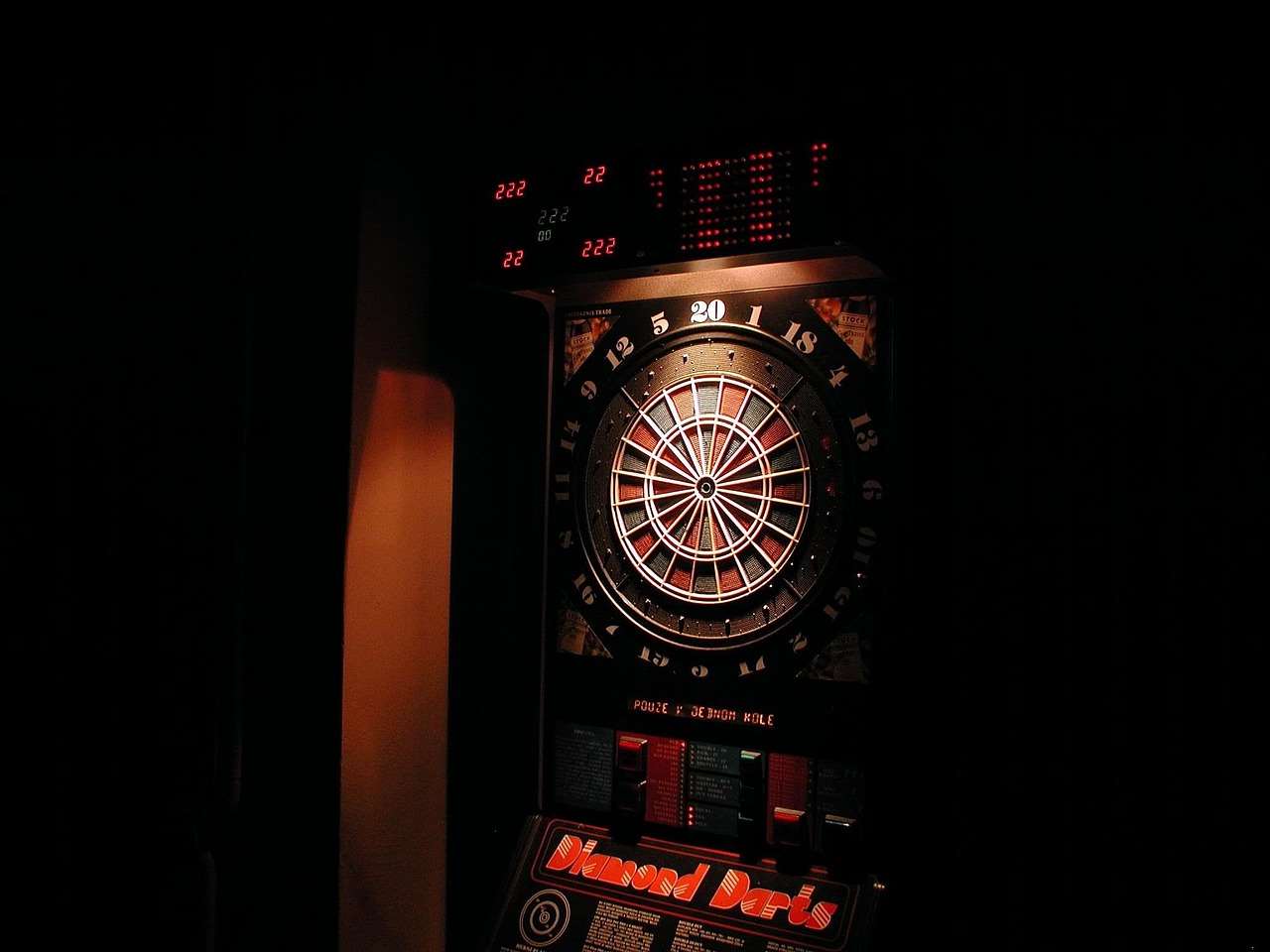
Choosing the Perfect Location for Your Electronic Dartboard
The location of your electronic dartboard significantly impacts your playing experience. Consider these points when selecting the ideal spot:
- Clearance: Ensure ample clearance in front of the board for players to stand and throw comfortably. A minimum of 8-10 feet is generally recommended.
- Wall Protection: Darts can occasionally miss the board, especially for beginners. Therefore, install a dartboard surround or backboard to protect your wall from stray dart impacts. This also helps to minimize wall damage.
- Lighting: Good lighting is essential. Position the board where it’s well-lit, or install a dedicated dartboard light to eliminate shadows and improve visibility.
- Avoid Obstructions: Make sure there are no obstructions in the throwing lane, such as furniture or doorways.
- Traffic: Choose a location with minimal foot traffic to prevent accidents.
Think about the flow of your home. Is there a dedicated game room, or will the dartboard be in a multi-purpose space? The answer will influence your decision.
Considering Room Size and Layout
The room’s size and layout are major determining factors when addressing electronic dartboard setup requirements. A small, cramped room will make it difficult to throw comfortably and safely. Ideally, you want a space that allows for a full throwing motion without feeling restricted. If space is limited, consider using a retractable dartboard cabinet that can be closed when not in use. Choosing the Choose Best Dart Equipment can also play a crucial role.
Accurate Measurements: Essential for Fair Play
Accurate measurements are non-negotiable when fulfilling electronic dartboard setup requirements. Official regulations specify the precise height of the board and the distance from the oche. Deviating from these measurements can affect gameplay and fairness.
- Dartboard Height: The bullseye of the dartboard should be exactly 5 feet 8 inches (1.73 meters) from the floor. Use a measuring tape and level to ensure accuracy.
- Oche Distance: The oche (throw line) should be 7 feet 9 1/4 inches (2.37 meters) from the face of the dartboard. Measure this distance carefully and mark the oche clearly.
- Diagonal Distance: As an additional check, the diagonal distance from the bullseye to the oche should be 9 feet 7 3/8 inches (2.93 meters). This provides a final confirmation of your measurements.
Remember to double-check your measurements to guarantee accuracy. A slight error can make a significant difference.
Powering Your Electronic Dartboard
One of the unique electronic dartboard setup requirements is providing a reliable power source. Unlike traditional dartboards, electronic boards need electricity to function.
- Proximity to Outlet: Ideally, your dartboard should be located near a power outlet. This eliminates the need for long extension cords, which can be a tripping hazard.
- Extension Cord Safety: If an extension cord is necessary, use a heavy-duty cord that is rated for the amperage of your dartboard. Make sure the cord is not a tripping hazard and is properly secured.
- Battery Option: Some electronic dartboards can also be powered by batteries. This can be a convenient option if you don’t have easy access to an outlet. However, be prepared to replace the batteries regularly.
- Surge Protection: It’s always a good idea to plug your electronic dartboard into a surge protector to protect it from power surges.
Prioritizing Safety: Protecting Players and Surroundings
Safety should be paramount when addressing electronic dartboard setup requirements. Darts are pointed projectiles, and accidents can happen. Take these precautions to protect players and the surrounding area:
- Dartboard Surround: A dartboard surround is an essential accessory. It provides a protective barrier around the board, catching stray darts and preventing damage to the wall.
- Proper Lighting: Adequate lighting improves visibility and reduces the likelihood of misthrows.
- Clear Throwing Lane: Keep the throwing lane clear of obstructions to prevent tripping or other accidents.
- Spectator Safety: Ensure that spectators stand behind the thrower and at a safe distance from the board.
- Dart Maintenance: Regularly inspect your darts for damage. Replace worn or broken flights and sharpen the dart points as needed.
Choosing the Right Dartboard Surround
Selecting the right dartboard surround is a key aspect of fulfilling electronic dartboard setup requirements with safety in mind. There are several types of surrounds available, each with its own advantages and disadvantages. Consider the size, material, and style of the surround when making your choice. Some surrounds are made of durable foam, while others are made of wood or plastic. Foam surrounds are generally more affordable and provide good protection, while wooden or plastic surrounds offer a more stylish look.
Essential Accessories for an Optimal Setup
While the dartboard itself is the main component, certain accessories can greatly enhance your playing experience and contribute to fulfilling the overall electronic dartboard setup requirements:
- Dartboard Cabinet: A dartboard cabinet provides a stylish and protective enclosure for your dartboard. It also helps to conceal the board when it’s not in use.
- Dartboard Light: A dedicated dartboard light illuminates the board evenly, eliminating shadows and improving visibility.
- Oche Mat: An oche mat provides a clearly marked throwing line and helps to protect your floor from damage.
- Dart Sharpener: A dart sharpener keeps your dart points sharp, which improves accuracy and reduces bounce-outs.
- Spare Flights and Shafts: Keep spare flights and shafts on hand in case of damage or breakage.
Maintaining Your Electronic Dartboard
Proper maintenance is crucial for ensuring the longevity and accuracy of your electronic dartboard. Here are some tips for keeping your board in top condition and fulfilling electronic dartboard setup requirements long-term:
- Cleaning: Regularly clean the dartboard with a soft, dry cloth to remove dust and debris. Avoid using liquids, as they can damage the electronics.
- Dart Removal: Remove darts carefully and avoid twisting them, as this can damage the segments.
- Segment Rotation: Some electronic dartboards allow you to rotate the segments. This helps to distribute wear and tear evenly.
- Software Updates: Check for software updates regularly and install them as needed.
- Storage: When not in use, store your dartboard in a dry, cool place to protect it from damage.
Troubleshooting Common Setup Issues
Even with careful planning, you might encounter some common setup issues. Here’s how to troubleshoot them and maintain proper electronic dartboard setup requirements:
- Board Not Level: Use shims to level the board if it’s not perfectly flush against the wall.
- Inaccurate Scoring: Check the segment sensors for damage or debris. Recalibrate the board if necessary.
- Power Issues: Ensure the power cord is properly connected and the outlet is working. Check the batteries if your board is battery-powered.
- Bounce-Outs: Sharpen your dart points and use dart flights that are appropriate for your throwing style. Considering the Budget vs Premium Darts Compared can also help address this.
Advanced Electronic Dartboard Features and Setup
Many modern electronic dartboards come with advanced features that can enhance your gameplay. Understanding these features is part of fully grasping electronic dartboard setup requirements for the modern game:
- Online Play: Some boards allow you to play against opponents online. This requires a stable internet connection and a compatible device.
- Game Variations: Most electronic dartboards offer a variety of game variations, such as 301, 501, Cricket, and more.
- Player Statistics: Track your statistics and progress over time.
- Voice Prompts: Some boards feature voice prompts that announce scores and game updates.
Conclusion: Achieving the Perfect Electronic Dartboard Setup
Successfully meeting the electronic dartboard setup requirements is a multi-faceted process that involves careful planning, accurate measurements, and a focus on safety. By following the steps outlined in this article, you can create a dartboard setup that provides years of enjoyment. Remember to choose the right location, ensure accurate measurements, prioritize safety, and maintain your board properly. You can further explore What Makes Darts Premium Quality to enhance your overall dart-playing experience.
Now that you’re equipped with the knowledge to set up your electronic dartboard like a pro, it’s time to take action! Invest in the necessary accessories, follow the measurements carefully, and get ready to enjoy countless hours of fun and competition. Good luck, and happy darting! Consider checking out Best Budget Darts For Beginners for your dart needs.

Hi, I’m Dieter, and I created Dartcounter (Dartcounterapp.com). My motivation wasn’t being a darts expert – quite the opposite! When I first started playing, I loved the game but found keeping accurate scores and tracking stats difficult and distracting.
I figured I couldn’t be the only one struggling with this. So, I decided to build a solution: an easy-to-use application that everyone, no matter their experience level, could use to manage scoring effortlessly.
My goal for Dartcounter was simple: let the app handle the numbers – the scoring, the averages, the stats, even checkout suggestions – so players could focus purely on their throw and enjoying the game. It began as a way to solve my own beginner’s problem, and I’m thrilled it has grown into a helpful tool for the wider darts community.