Understanding the different electronic dartboard segment types is crucial for maximizing your gameplay experience and extending the lifespan of your board; most boards use specific designs for durability and scoring accuracy. This article dives into the various segment types you’ll encounter, explaining their features, benefits, and how they contribute to the overall quality of your electronic dartboard.
⚠️ Still Using Pen & Paper (or a Chalkboard)?! ⚠️
Step into the future! The Dart Counter App handles all the scoring, suggests checkouts, and tracks your stats automatically. It's easier than you think!
Try the Smart Dart Counter App FREE!Ready for an upgrade? Click above!
Understanding Different Electronic Dartboard Segment Types
When choosing an electronic dartboard, the segment type is a major factor to consider. It directly impacts the board’s durability, scoring accuracy, and the overall feel of the game. Different electronic dartboard segment types employ various materials and construction techniques to achieve these goals. Let’s break down the most common types you’ll find on the market.

Cylindrical Segments
One of the earlier segment designs is the cylindrical segment. These segments, as the name suggests, are cylindrical in shape and are typically made of a relatively hard plastic. They’re designed to register a hit when the dart tip presses against the surface. However, cylindrical segments have a few drawbacks.
- Bounce-Outs: The hard surface can lead to more bounce-outs, which can be frustrating for players.
- Wear and Tear: The consistent impact can cause the plastic to wear down over time.
- Noise: Often, these segments can be quite loud when hit with a dart.
Thin Segment Designs
Thin segment designs represent a significant improvement over cylindrical segments. These segments are designed with a smaller profile, which offers a larger target area. This reduces the chances of darts hitting the spider (the plastic web separating the segments) and bouncing out. These designs also use better quality plastic, leading to a more enjoyable experience.
One of the main benefits of a thin segment design is its reduced bounce-out rate. The larger target area encourages more darts to stick and register correctly. This feature is beneficial for both novice players who are still developing their accuracy and experienced players who want a more reliable scoring experience. Another benefit of thin segment designs is that they often last longer than other segments.
Materials Used in Electronic Dartboard Segments
The material used in electronic dartboard segments plays a critical role in their durability, feel, and noise level. Let’s explore some of the most common materials used.

Polypropylene (PP)
Polypropylene (PP) is a commonly used plastic in many entry-level electronic dartboards. It’s a relatively inexpensive material that offers decent durability. PP segments can withstand a fair amount of impact, but they are more prone to wear and tear compared to other plastics. Also, these can be quite loud.
Acrylonitrile Butadiene Styrene (ABS)
ABS plastic is a step up from polypropylene. It’s known for its higher impact resistance and durability. ABS segments can withstand more consistent use and are less likely to crack or break. This material can contribute to a quieter gaming experience.
Nylon
Nylon segments are considered one of the most durable options available. Nylon is a strong and resilient plastic that can withstand heavy use without showing signs of wear and tear. Boards with nylon segments are also quieter than those with PP or ABS plastic segments. Because of these factors, dartboards with nylon segments generally come at a higher price point.
How Segment Design Impacts Scoring Accuracy
The design of electronic dartboard segments is crucial for ensuring accurate scoring. Accurate scoring is an essential element of fair and enjoyable gameplay. Let’s explore how different design features contribute to this.
Spider Design
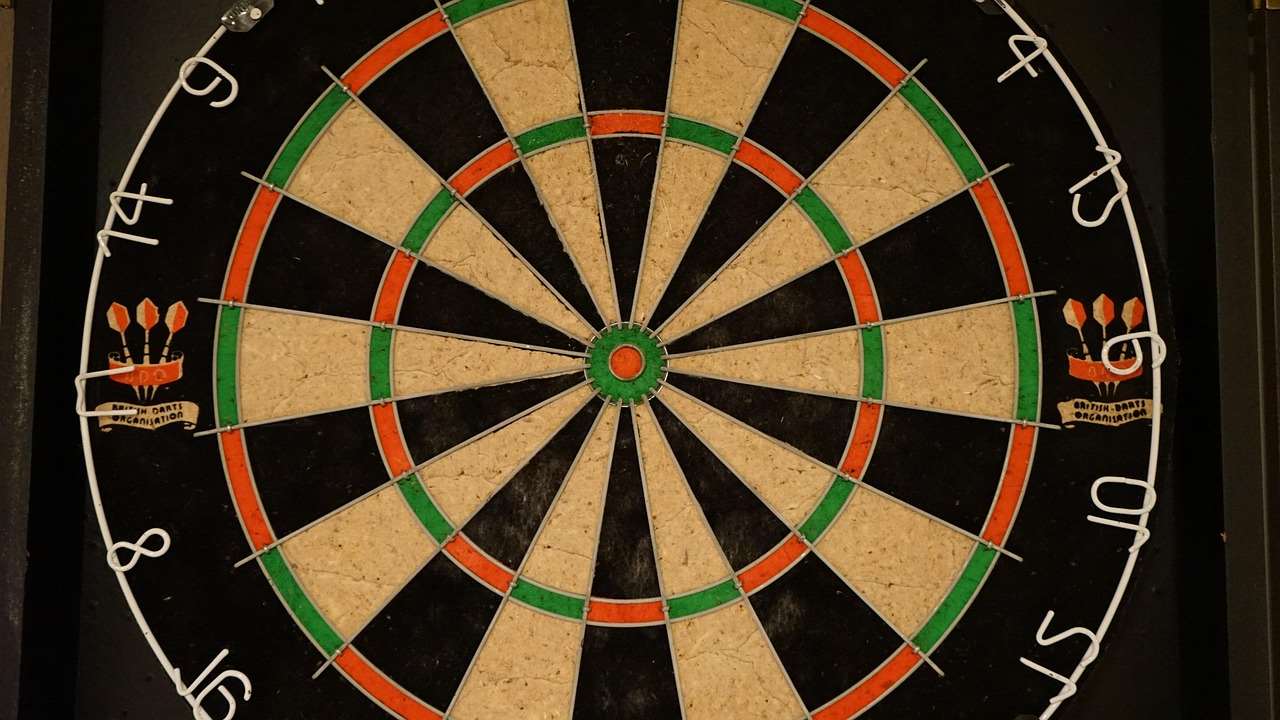
The spider is the plastic web that separates the segments on the dartboard. A well-designed spider should be thin and unobtrusive, minimizing the chances of darts hitting it and bouncing out. Some dartboards use a “razor-thin” spider design, which further reduces bounce-outs and maximizes the target area.
Segment Height
The height of the segments also plays a role in scoring accuracy. If the segments are too shallow, darts may not register correctly, leading to missed scores. On the other hand, if the segments are too deep, it can be difficult to remove the darts from the board. The ideal segment height provides a good balance between registering scores and ease of dart removal.
Sensor Technology
The underlying sensor technology in an electronic dartboard is critical for accurate scoring. These sensors are what detect when a dart hits a segment and registers the score. Higher-quality boards use more sensitive and reliable sensors that can accurately detect even glancing blows. A well-calibrated sensor system will minimize mis-scoring and ensure fair play.
Tips for Maintaining Your Electronic Dartboard Segments
Proper maintenance can significantly extend the lifespan of your electronic dartboard segments and ensure consistent performance. Here are a few tips to keep your dartboard in top condition:
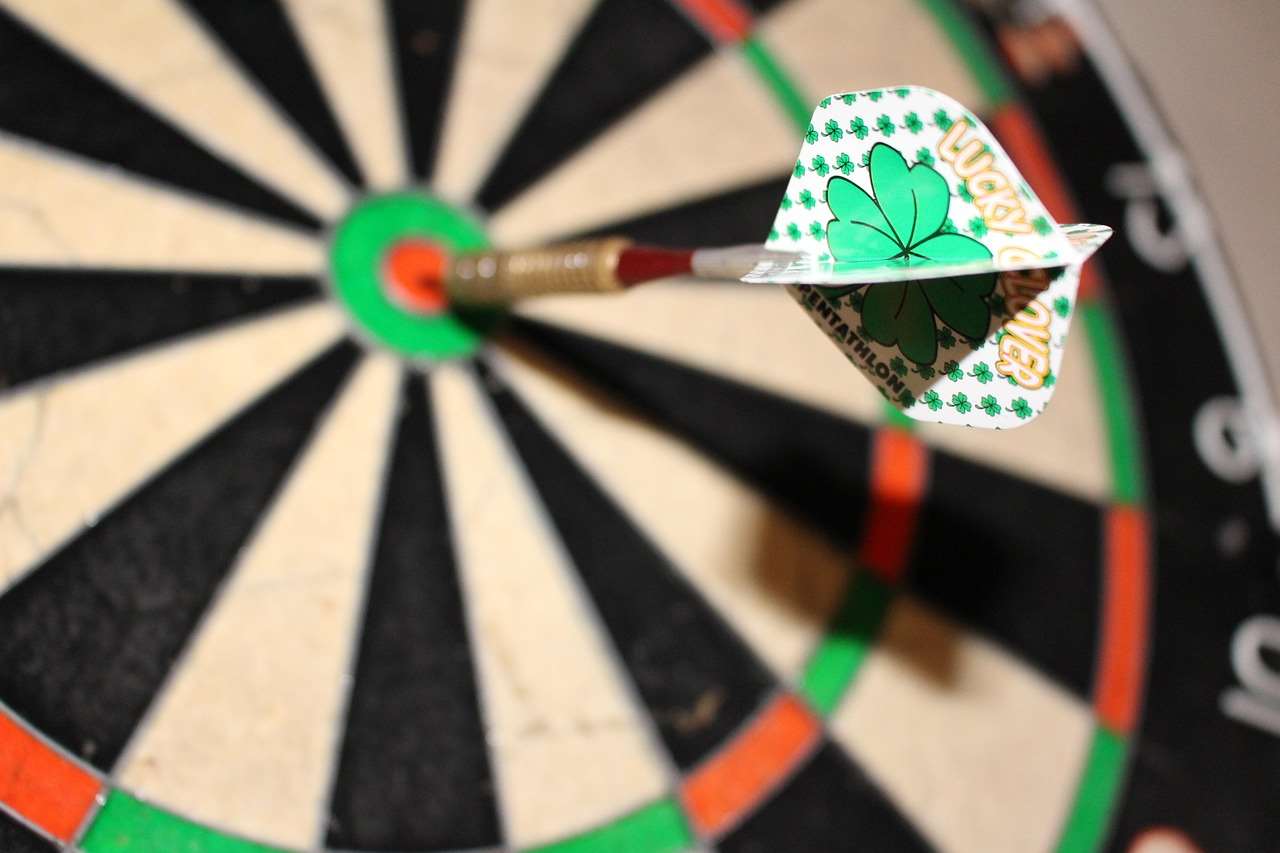
- Use quality dart tips: Use only dart tips that are specifically designed for electronic dartboards. Sharp or damaged tips can damage the segments and sensors.
- Rotate your board: Regularly rotate your dartboard to distribute wear evenly across all the segments.
- Clean your board: Periodically clean your dartboard with a soft, damp cloth to remove dust and debris. Avoid using harsh chemicals or solvents, as they can damage the plastic.
- Store your board properly: When not in use, store your dartboard in a cool, dry place away from direct sunlight. Extreme temperatures can damage the segments and electronics.
Choosing the Right Electronic Dartboard Segment Types For You
Selecting the right electronic dartboard segment types depends on your budget, playing frequency, and desired level of performance. Consider these factors when making your decision:

- Budget: Entry-level dartboards with PP segments are more affordable but may not be as durable. Higher-end boards with nylon segments offer superior durability but come at a higher price. Consider reading articles about Budget vs Premium Darts Compared.
- Playing Frequency: If you plan to use your dartboard frequently, it’s worth investing in a more durable segment type like ABS or nylon.
- Noise Level: If you’re concerned about noise, look for dartboards with ABS or nylon segments, as they tend to be quieter than those with PP segments.
- Bounce-Out Rate: Look for dartboards with thin segment designs and razor-thin spiders to minimize bounce-outs and improve scoring accuracy.
Ultimately, the best electronic dartboard segment types for you will depend on your individual needs and preferences. By understanding the different types available and their respective pros and cons, you can make an informed decision and choose a dartboard that will provide years of enjoyment.
Understanding the various electronic dartboard segment types and their impact on gameplay will help you choose the best board. Taking care of your board by using the correct dart tips will increase the longevity of your electronic dartboard. Happy Darting!

Hi, I’m Dieter, and I created Dartcounter (Dartcounterapp.com). My motivation wasn’t being a darts expert – quite the opposite! When I first started playing, I loved the game but found keeping accurate scores and tracking stats difficult and distracting.
I figured I couldn’t be the only one struggling with this. So, I decided to build a solution: an easy-to-use application that everyone, no matter their experience level, could use to manage scoring effortlessly.
My goal for Dartcounter was simple: let the app handle the numbers – the scoring, the averages, the stats, even checkout suggestions – so players could focus purely on their throw and enjoying the game. It began as a way to solve my own beginner’s problem, and I’m thrilled it has grown into a helpful tool for the wider darts community.