Proper electronic dartboard mounting is crucial for a safe, enjoyable, and accurate game. This guide provides a step-by-step approach to mounting your electronic dartboard securely and at the correct height and distance, ensuring years of fun. We’ll cover everything from essential tools and wall preparation to choosing the right location and leveling your board perfectly.
⚠️ Still Using Pen & Paper (or a Chalkboard)?! ⚠️
Step into the future! The Dart Counter App handles all the scoring, suggests checkouts, and tracks your stats automatically. It's easier than you think!
Try the Smart Dart Counter App FREE!Ready for an upgrade? Click above!
Why Correct Electronic Dartboard Mounting Matters
Getting your electronic dartboard mounting right isn’t just about aesthetics; it’s about protecting your walls, preventing injuries, and ensuring fair gameplay. A poorly mounted dartboard can lead to several problems:
- Damage to your walls: Darts that miss the board can leave unsightly holes, requiring constant patching and repainting.
- Risk of injury: A wobbly or unstable dartboard is a safety hazard. It could fall off the wall and cause serious injury.
- Inaccurate gameplay: If the dartboard isn’t at the regulation height and distance, your throws will be off, and the game won’t be fair.
- Damage to the dartboard itself: Constant movement and vibrations can damage the electronics within the dartboard.
By taking the time to mount your dartboard correctly, you’ll avoid these issues and enjoy a better dart-playing experience. Think about it; a correctly mounted board enhances your chances to Choose Best Dart Equipment.
Essential Tools and Materials for Electronic Dartboard Mounting
Before you start, gather the necessary tools and materials. This will make the process smoother and more efficient:
- Electronic dartboard and mounting hardware: Make sure you have all the parts that came with your dartboard, including screws, brackets, and any spacers.
- Measuring tape: Essential for accurate measurements.
- Pencil: For marking the wall.
- Level: To ensure the dartboard is perfectly level.
- Drill: For drilling pilot holes and driving screws.
- Screwdriver: If you prefer using a screwdriver instead of a drill.
- Wall anchor(s): If you’re mounting to drywall or plaster, you’ll need wall anchors for added support. Choose anchors that are appropriate for the weight of your dartboard.
- Stud finder: To locate wall studs for secure mounting (highly recommended).
- Safety glasses: To protect your eyes from dust and debris.
- Dartboard surround (optional): A surround protects the wall around the dartboard from stray darts.
- Soft-tip darts: For electronic dartboards only, never use steel-tip darts.
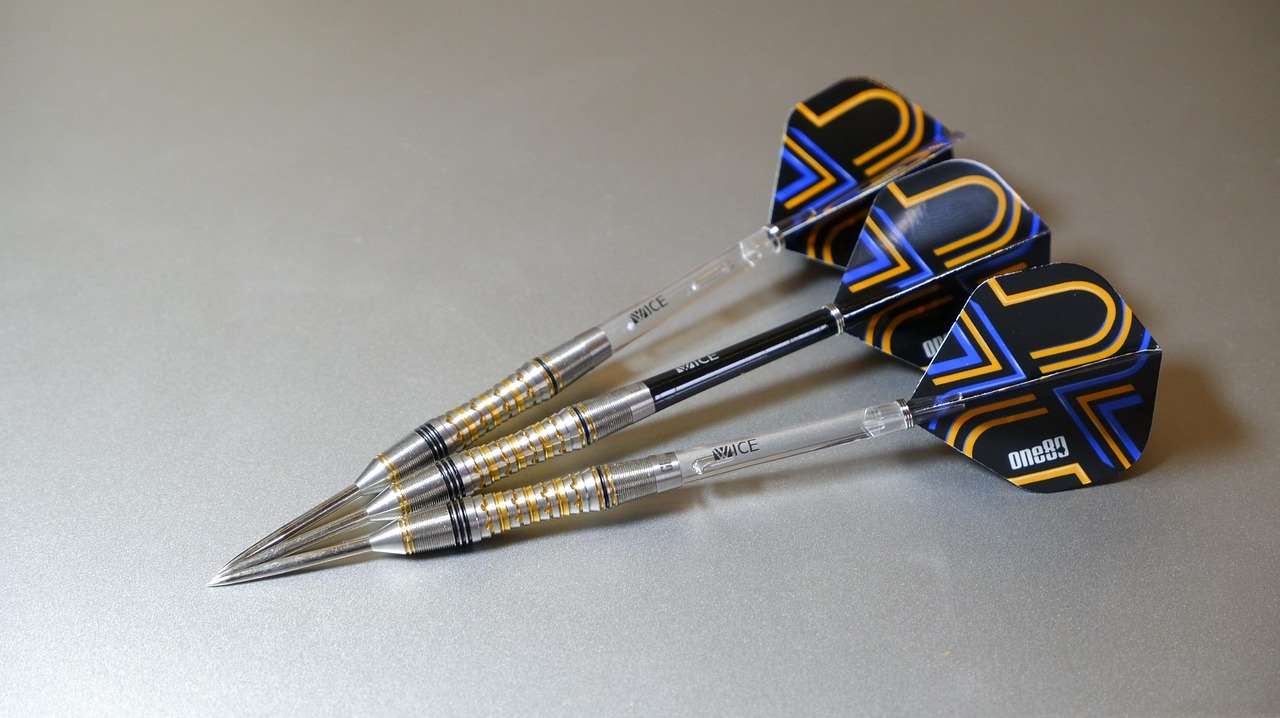
Choosing the Right Location for Your Dartboard
The location of your dartboard is crucial for both safety and enjoyment. Consider these factors when choosing a spot:
- Clearance: Ensure there’s enough clear space in front of the dartboard for players to stand and throw comfortably. The official oche (throwing line) is 7 feet 9 1/4 inches (2.37 meters) from the face of the dartboard.
- Lighting: Good lighting is essential. Ideally, you’ll want light coming from above and slightly in front of the dartboard to minimize shadows. Consider installing a dedicated dartboard light.
- Wall surface: Choose a wall that’s strong and sturdy. Avoid mounting to thin paneling or walls that are likely to vibrate.
- Proximity to furniture and walkways: Avoid placing the dartboard in a high-traffic area or near fragile furniture.
- Sound considerations: Electronic dartboards can be noisy. Consider the impact on others in your household, especially if you play late at night.
Protecting Your Surroundings
Even experienced dart players miss the board occasionally. To protect your walls, consider these options:
- Dartboard surround: A surround is a padded ring that surrounds the dartboard, catching stray darts and preventing damage to the wall.
- Backboard: A large backboard behind the dartboard provides a wider area of protection.
- Strategic placement: Position the dartboard so that misses are less likely to hit valuable items or injure someone.
Step-by-Step Guide to Electronic Dartboard Mounting
Follow these steps for a secure and accurate electronic dartboard mounting:
- Locate a stud (recommended): Use a stud finder to locate a wall stud. Mounting to a stud provides the most secure and stable attachment. If you can’t find a stud in the desired location, use appropriate wall anchors.
- Measure and mark the height: The center of the bullseye should be 5 feet 8 inches (1.73 meters) from the floor. Mark this point on the wall with a pencil.
- Attach the mounting bracket: Most electronic dartboards come with a mounting bracket that attaches to the back of the board. Follow the manufacturer’s instructions to attach the bracket securely.
- Position the dartboard: Hold the dartboard up to the wall, aligning the center of the bracket with the mark you made in step 2.
- Mark the screw holes: Using the mounting bracket as a template, mark the screw holes on the wall with a pencil.
- Drill pilot holes: Drill pilot holes at the marked locations. If you’re using wall anchors, drill holes that are the correct size for the anchors.
- Install wall anchors (if needed): Insert the wall anchors into the pilot holes.
- Secure the dartboard: Align the mounting bracket with the pilot holes (or wall anchors) and drive the screws into the wall until the dartboard is securely attached. Don’t overtighten the screws.
- Check for level: Use a level to ensure the dartboard is perfectly level. If it’s not level, adjust the mounting bracket or add shims behind the board until it is.
Using Wall Anchors for Added Support
If you can’t mount your dartboard to a stud, using wall anchors is essential for providing adequate support. There are several types of wall anchors available, each with different weight capacities. Choose anchors that are appropriate for the weight of your electronic dartboard. Here are a few common types:
- Plastic anchors: Suitable for light to medium-weight dartboards.
- Metal anchors: Stronger than plastic anchors and suitable for heavier dartboards.
- Toggle bolts: The strongest type of wall anchor, ideal for very heavy dartboards or walls with poor structural integrity.
Follow the manufacturer’s instructions for installing the specific type of wall anchor you choose. Make sure the anchors are securely installed before attaching the dartboard. The Quality Comparison Budget Premium Darts is important. But a well mounted dartboard is also!
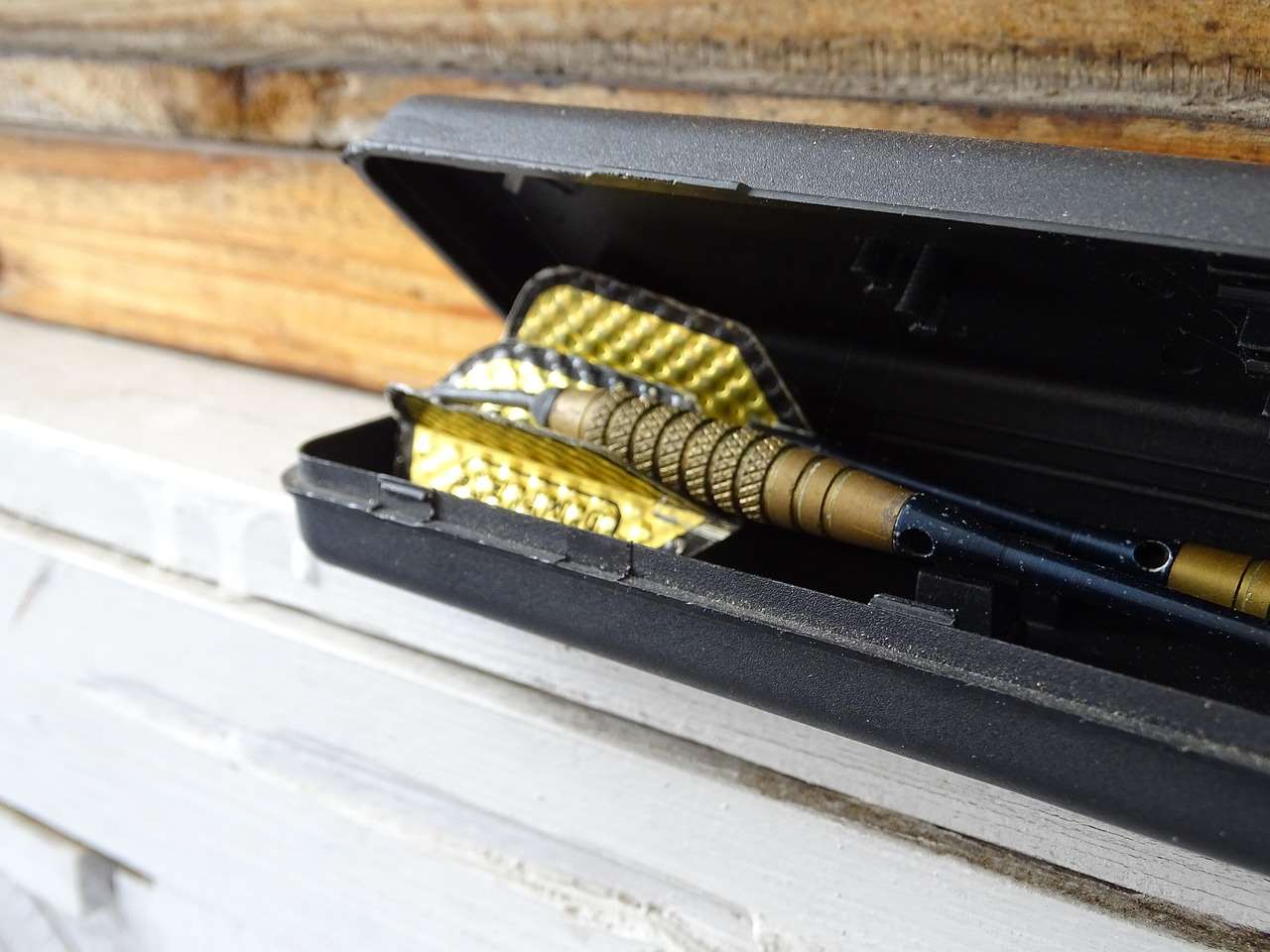
Tips for Leveling Your Dartboard
A level dartboard is essential for fair gameplay. Here are some tips for ensuring your dartboard is perfectly level:
- Use a bubble level: Place a bubble level across the face of the dartboard, both horizontally and vertically.
- Adjust the mounting bracket: If the dartboard isn’t level, try adjusting the mounting bracket. Some brackets allow for slight adjustments.
- Use shims: If you can’t adjust the mounting bracket, use shims (thin pieces of wood or plastic) to level the dartboard. Place the shims behind the board until it’s perfectly level.
- Double-check: Once you think you’ve leveled the dartboard, double-check it with the level to make sure it’s accurate.
Maintaining Your Electronic Dartboard Mounting
Once your dartboard is mounted, it’s important to maintain it to ensure it stays secure and level. Here are some tips:
- Regularly check the screws: Make sure the screws are still tight. Over time, vibrations can cause them to loosen.
- Inspect the wall anchors: If you’re using wall anchors, check them periodically to make sure they’re still securely in place.
- Clean the dartboard: Dust and debris can accumulate on the dartboard, affecting its performance. Clean it regularly with a soft, dry cloth.
- Replace damaged parts: If any parts of the mounting hardware become damaged, replace them immediately.
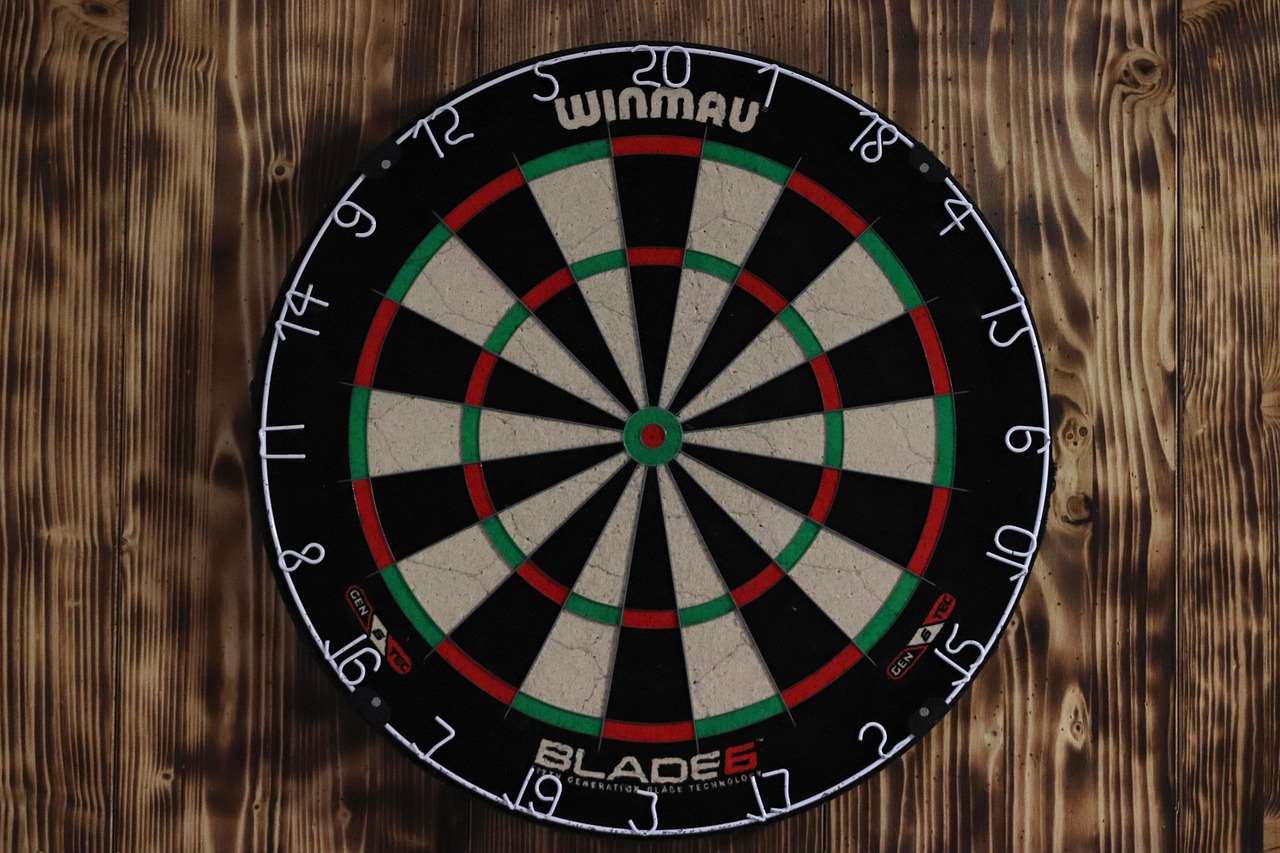
Common Mistakes to Avoid During Electronic Dartboard Mounting
To ensure a successful electronic dartboard mounting, avoid these common mistakes:
- Failing to locate a stud: Mounting to drywall or plaster without wall anchors is a recipe for disaster. Always try to locate a stud or use appropriate wall anchors.
- Using the wrong type of wall anchors: Choose wall anchors that are appropriate for the weight of your dartboard and the type of wall you’re mounting to.
- Mounting the dartboard at the wrong height: The center of the bullseye should be 5 feet 8 inches from the floor.
- Failing to level the dartboard: A level dartboard is essential for fair gameplay.
- Overtightening the screws: Overtightening the screws can damage the wall or the dartboard.
- Ignoring safety precautions: Wear safety glasses when drilling and be careful not to injure yourself.
Troubleshooting Common Mounting Problems
Even with careful planning, you may encounter problems during the electronic dartboard mounting process. Here are some common issues and how to resolve them:
- The dartboard is wobbly: This usually means the screws are loose or the wall anchors aren’t secure. Tighten the screws or replace the wall anchors.
- The dartboard isn’t level: Use shims or adjust the mounting bracket to level the dartboard.
- The screws won’t go into the wall: Make sure you’re using the correct size drill bit for the pilot holes. If you’re hitting a stud, you may need to pre-drill a larger hole.
- The wall anchors are pulling out of the wall: This usually means you’re using the wrong type of wall anchors or the wall is too weak. Try using stronger wall anchors or mounting to a different location.
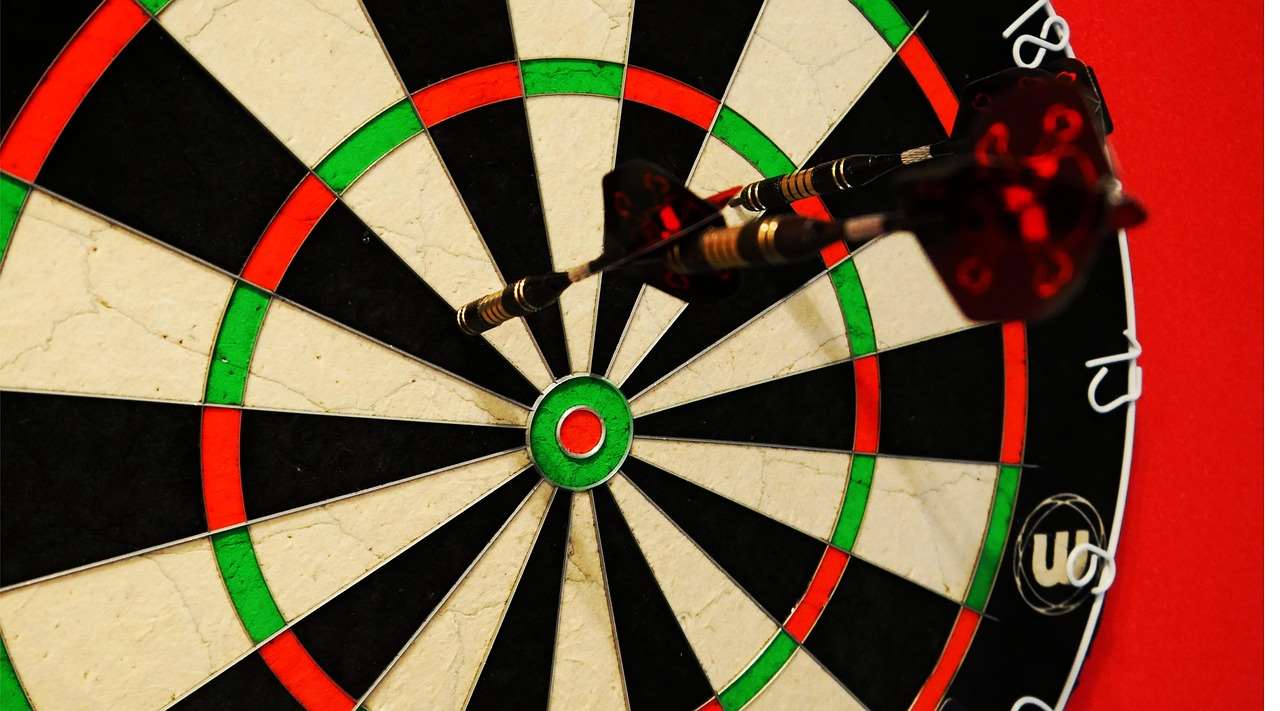
Electronic Dartboard Mounting: Safety Considerations
Safety should always be a top priority when mounting an electronic dartboard. Here are some safety tips to keep in mind:
- Wear safety glasses: Protect your eyes from dust and debris when drilling.
- Use caution when drilling: Be careful not to drill into electrical wires or plumbing.
- Mount the dartboard securely: A wobbly or unstable dartboard is a safety hazard.
- Keep children away from the dartboard: Darts can be dangerous if not used properly.
- Supervise children when they are playing darts: Make sure they understand the rules and safety precautions.
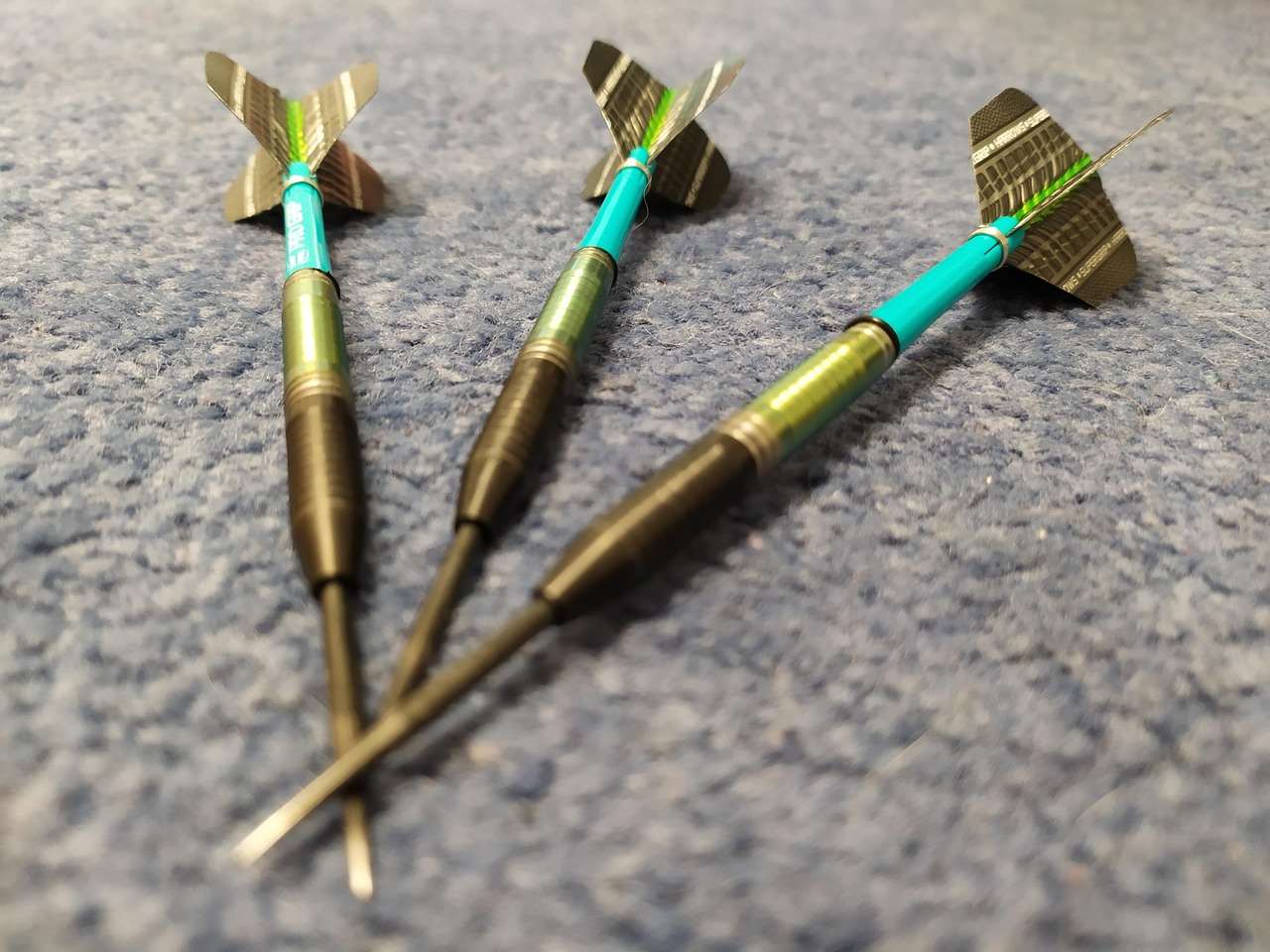
Enhancing Your Dartboard Setup
Once your dartboard is securely mounted, consider these additions to enhance your dart-playing experience:
- Dartboard lighting: Good lighting is essential for accurate throwing. Consider installing a dedicated dartboard light to eliminate shadows.
- Dartboard surround: A surround protects your walls from stray darts and adds a professional touch to your setup.
- Oche (throwing line): Mark the oche with tape or a dedicated oche mat to ensure consistent throwing distance.
- Dart storage: Keep your darts organized and protected with a dart case or dart holder.
Remember, investing in quality darts can also significantly improve your game. You can learn more about Investing In Premium Dart Equipment for better performance.
Conclusion
Proper electronic dartboard mounting is essential for safety, accuracy, and enjoyment. By following the steps outlined in this guide, you can ensure your dartboard is securely mounted and perfectly level, providing years of dart-playing fun. Remember to prioritize safety, choose the right location, use appropriate mounting hardware, and maintain your dartboard regularly. Now you are all set to Best Budget Darts For Beginners and improve your game. Get your dartboard mounted correctly, and let the games begin!

Hi, I’m Dieter, and I created Dartcounter (Dartcounterapp.com). My motivation wasn’t being a darts expert – quite the opposite! When I first started playing, I loved the game but found keeping accurate scores and tracking stats difficult and distracting.
I figured I couldn’t be the only one struggling with this. So, I decided to build a solution: an easy-to-use application that everyone, no matter their experience level, could use to manage scoring effortlessly.
My goal for Dartcounter was simple: let the app handle the numbers – the scoring, the averages, the stats, even checkout suggestions – so players could focus purely on their throw and enjoying the game. It began as a way to solve my own beginner’s problem, and I’m thrilled it has grown into a helpful tool for the wider darts community.