Want to sharpen your dart skills without needing an opponent? An electronic dartboard for solo play is the perfect solution, offering various game modes and difficulty levels to keep you challenged and entertained. This article will delve into the benefits, features, and considerations for choosing the best electronic dartboard for your solo practice sessions, helping you become a dart-throwing pro in no time!
⚠️ Still Using Pen & Paper (or a Chalkboard)?! ⚠️
Step into the future! The Dart Counter App handles all the scoring, suggests checkouts, and tracks your stats automatically. It's easier than you think!
Try the Smart Dart Counter App FREE!Ready for an upgrade? Click above!
The Allure of an Electronic Dartboard For Solo Play
The beauty of an electronic dartboard for solo play lies in its convenience and versatility. You don’t need to coordinate schedules with friends or family to enjoy a game of darts. Whenever you have some downtime, you can step up to the oche and hone your skills.
- Convenience: Play anytime, anywhere (where you have space, of course!).
- Practice Makes Perfect: Repeated solo sessions will dramatically improve your accuracy and consistency.
- Variety: Electronic dartboards offer a wide array of game modes to keep things interesting.
- Objective Feedback: The board automatically calculates your scores, eliminating the need for manual record-keeping and potential errors.
Furthermore, many electronic dartboards feature handicap settings, allowing you to tailor the difficulty to your current skill level. This ensures you’re always challenged but never discouraged. For many, it is far easier to practice solo, since it removes any potential competitive pressure, allowing you to concentrate on technique and improving your skills.
Key Features to Consider When Buying an Electronic Dartboard For Solo Play
Choosing the right electronic dartboard for solo play involves considering several key features:
Target Size and Segment Material
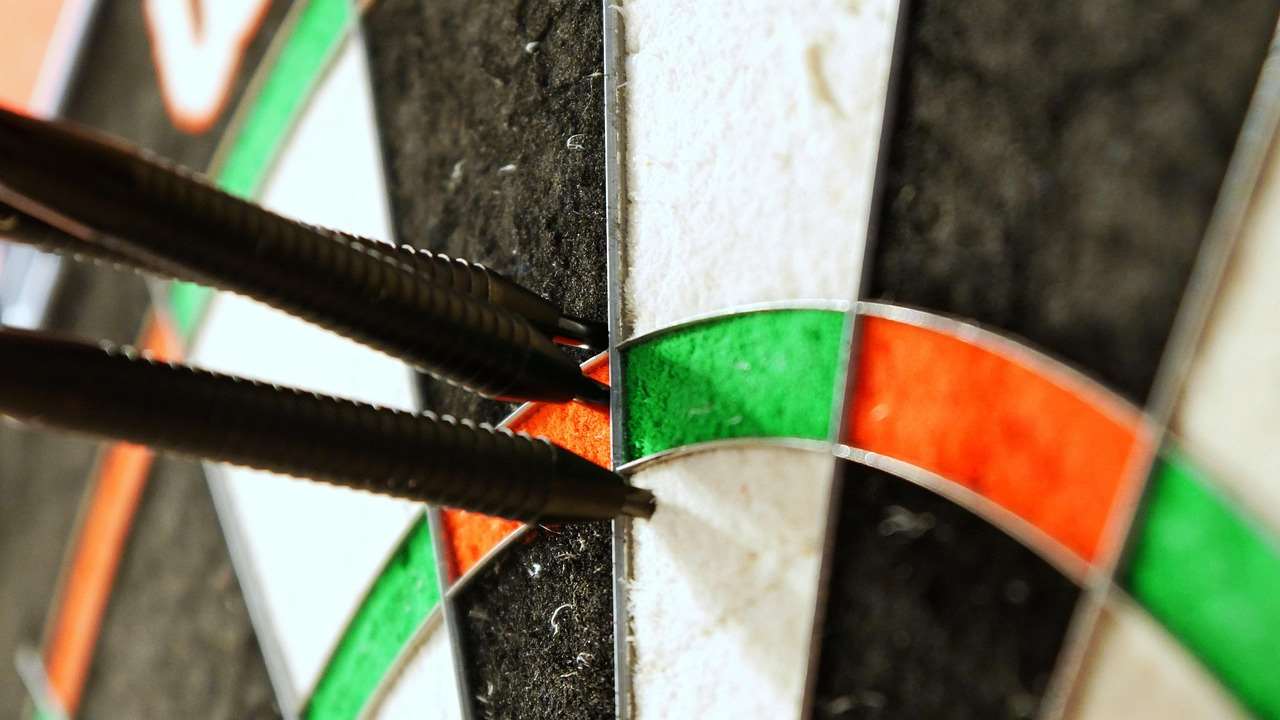
The size of the target area is crucial. A standard-size dartboard is 15.5 inches in diameter, but some electronic boards may have slightly smaller targets. As a beginner, a regulation size board can assist you in practicing effectively. The segment material also matters. Look for boards with durable segments that can withstand repeated impacts. High-quality plastic or composite materials are often used. Moreover, thin segment dividers reduce bounce-outs, which can be frustrating, especially during solo practice. Bounce-outs are when a dart hits the wire or plastic around the scoring segment, causing it to not stick and fall to the ground, not counting towards your score.
Game Options and Scoring
One of the main advantages of electronic dartboards is the variety of games they offer. Popular games include 301, 501, Cricket, Around the Clock, and many more. Some boards even offer variations of these games specifically designed for solo play. Look for a board with a clear and easy-to-read display that accurately tracks your score. Also, consider whether the board has features like automatic scoring, handicap settings, and player statistics. If you are new to dart throwing, you may want to look for a simple display and intuitive controls.

Durability and Construction
A durable dartboard is a worthwhile investment. Consider the materials used in the board’s construction, particularly the segment material and the outer casing. Look for boards with robust construction that can withstand regular use. Read reviews to see what other users have said about the board’s durability. Some boards also come with warranties, which can provide added peace of mind.
Power Source and Mounting
Most electronic dartboards are powered by either batteries or an AC adapter. Battery-powered boards offer greater portability, while AC-powered boards eliminate the need to replace batteries. Consider which power source is more convenient for your needs. Additionally, ensure the board comes with a secure mounting system. The board should be mounted at the correct height (bullseye at 5 feet 8 inches) and distance (7 feet 9.25 inches from the front of the board to the throwing line) for optimal gameplay. This will ensure proper throwing form. Choosing the Choose Best Dart Equipment can be a daunting decision, but carefully considering these factors will set you on the right path to improvement.
Practice Drills for Solo Dartboard Sessions
To maximize your solo practice sessions with an electronic dartboard for solo play, incorporate these effective drills:
- Around the Clock: Start by aiming for the number 1, then progress sequentially to each number on the board. This drill improves accuracy and consistency.
- 301/501 Practice: Play a standard game of 301 or 501 against the computer, focusing on hitting doubles to finish.
- Cricket Practice: Focus on hitting triples and doubles of the cricket numbers (20, 19, 18, 17, 16, 15, and bullseye).
- High Score Challenge: Set a goal to achieve a certain score within a limited number of darts.
Another effective drill is to focus on specific targets. For example, spend 15 minutes aiming solely for the bullseye, then another 15 minutes aiming for the triple 20. This helps develop muscle memory and improves your ability to hit specific areas of the board.
Benefits of Using an Electronic Dartboard For Solo Play
The advantages of using an electronic dartboard for solo play go beyond mere convenience. Here are some key benefits:
Improved Accuracy and Consistency
Regular practice is essential for improving your dart-throwing skills. Solo sessions allow you to focus on your technique without distractions. By repeating the same throwing motion and aiming at specific targets, you can develop muscle memory and improve your accuracy over time. Consistent practice is especially important for mastering the art of dart throwing.
Enhanced Focus and Concentration
Solo practice demands focus and concentration. You need to be mindful of your stance, grip, and throwing motion. By practicing regularly, you can improve your ability to concentrate, even when faced with distractions. This mental discipline can translate to other areas of your life.
Skill Development and Strategy
Playing against the computer allows you to develop your strategic thinking. You can experiment with different approaches and learn which tactics work best for you. For example, you might try to set up specific finishes or target particular numbers to gain an advantage. Strategic gameplay is a key component of successful dart throwing.

Tracking Progress and Motivation
Many electronic dartboards track your scores and statistics, allowing you to monitor your progress over time. Seeing your improvement can be highly motivating. You can set goals for yourself and track your performance to see how you’re progressing. This can help you stay engaged and motivated to continue practicing. Setting and achieving these goals is the best way to track improvement.
Tips for Setting Up Your Electronic Dartboard
Proper setup is crucial for an enjoyable and effective solo dartboard experience. Here are some tips to consider:
- Location: Choose a well-lit area with enough space to stand at the regulation throwing distance (7 feet 9.25 inches).
- Mounting: Securely mount the dartboard on a wall at the correct height (bullseye at 5 feet 8 inches). Use a level to ensure the board is perfectly vertical.
- Protection: Consider using a dartboard surround to protect your wall from stray darts.
- Lighting: Ensure adequate lighting to illuminate the dartboard. This will improve your visibility and accuracy.
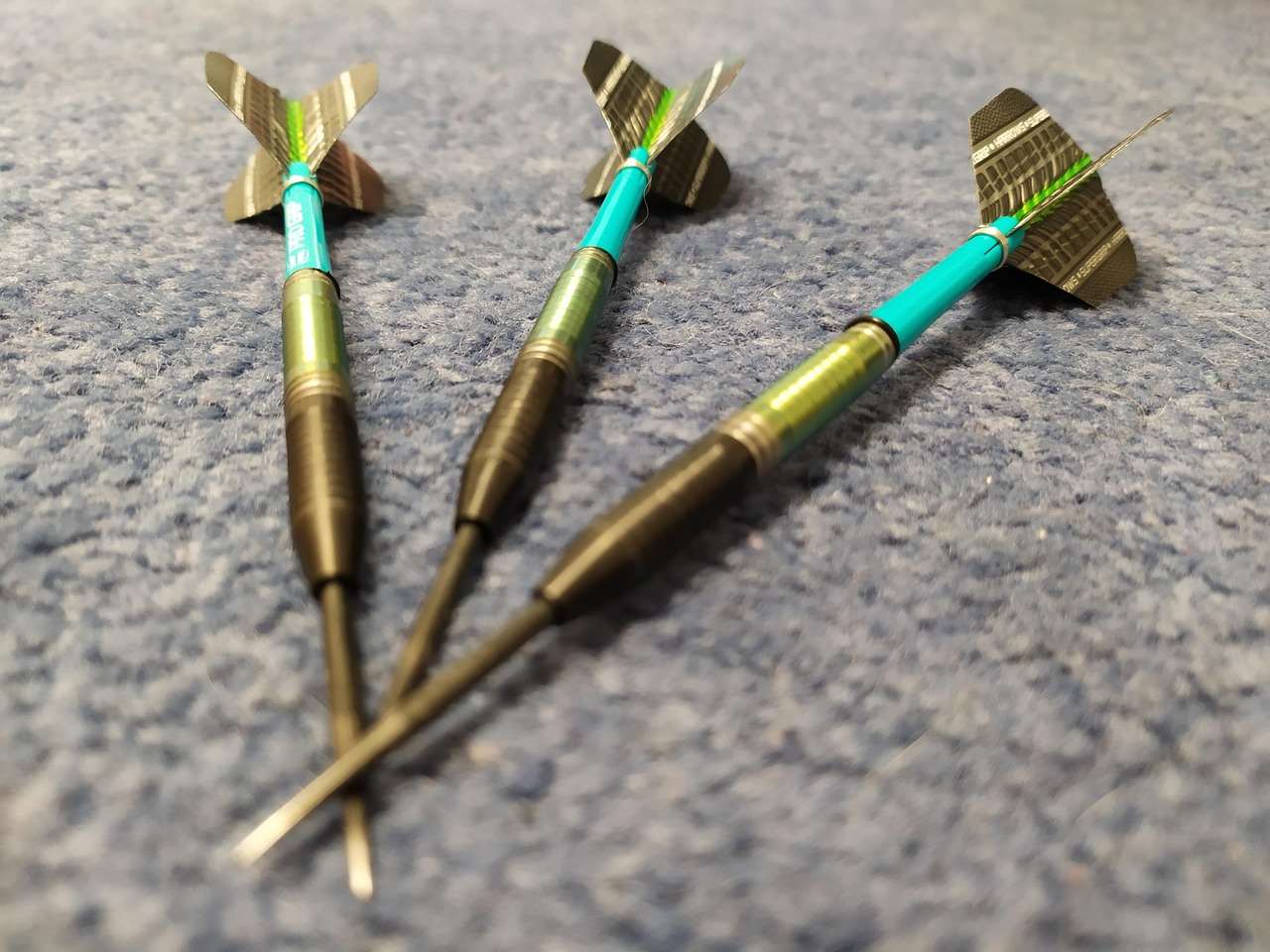
Furthermore, be sure to check the board regularly for wear and tear. Replace worn-out segments as needed to maintain optimal performance. Keeping your dartboard in good condition will extend its lifespan and ensure you continue to enjoy it for years to come. Understanding the What Makes Darts Premium Quality can help you choose the right equipment to complement your electronic dartboard.
Maintaining Your Electronic Dartboard for Longevity
Proper maintenance will extend the lifespan of your electronic dartboard for solo play. Dust the board regularly with a soft cloth to prevent dust buildup. Check the segments for wear and tear, and replace them as needed. Avoid using excessive force when throwing darts, as this can damage the board. Also, ensure the board is protected from extreme temperatures and humidity. The Budget vs Premium Darts Compared can impact the longevity of your equipment, so choose your darts carefully to protect your electronic dartboard.
Conclusion: Elevate Your Dart Game with Solo Practice
Investing in an electronic dartboard for solo play is a fantastic way to improve your dart skills, enhance your focus, and enjoy a challenging and rewarding activity. By considering the key features, incorporating effective practice drills, and maintaining your board properly, you can elevate your dart game to new heights. Whether you’re a beginner or an experienced player, solo practice can help you achieve your dart-throwing goals. So, set up your dartboard, grab your darts, and start practicing today!
Ready to find the perfect electronic dartboard for your solo practice sessions? Choose Best Dart Equipment and start your journey to becoming a dart-throwing master!

Hi, I’m Dieter, and I created Dartcounter (Dartcounterapp.com). My motivation wasn’t being a darts expert – quite the opposite! When I first started playing, I loved the game but found keeping accurate scores and tracking stats difficult and distracting.
I figured I couldn’t be the only one struggling with this. So, I decided to build a solution: an easy-to-use application that everyone, no matter their experience level, could use to manage scoring effortlessly.
My goal for Dartcounter was simple: let the app handle the numbers – the scoring, the averages, the stats, even checkout suggestions – so players could focus purely on their throw and enjoying the game. It began as a way to solve my own beginner’s problem, and I’m thrilled it has grown into a helpful tool for the wider darts community.