Getting started with darts is easier than ever with an electronic dartboard for beginners! These boards offer automatic scoring and a variety of game options, making the learning process fun and engaging. This article will guide you through everything you need to know to choose the right board, set it up, and start playing like a pro.
⚠️ Still Using Pen & Paper (or a Chalkboard)?! ⚠️
Step into the future! The Dart Counter App handles all the scoring, suggests checkouts, and tracks your stats automatically. It's easier than you think!
Try the Smart Dart Counter App FREE!Ready for an upgrade? Click above!
Why Choose an Electronic Dartboard For Beginners?
Traditional dartboards can be intimidating for new players. Keeping score manually can be tedious, and the risk of damaging your walls is always present. An electronic dartboard for beginners solves these problems and offers several key advantages:
- Automatic Scoring: No more mental math! The board automatically calculates your score and displays it clearly.
- Multiple Game Options: Electronic dartboards come pre-programmed with a variety of games, from classic 301 to more complex variations. This keeps things interesting and helps you develop different skills.
- Reduced Wall Damage: The soft-tip darts used with electronic dartboards are much less likely to damage your walls compared to steel-tip darts.
- Player vs. Computer Options: Many boards allow you to play against a computer opponent, perfect for solo practice.
- User-Friendly Interface: The displays and controls are generally designed to be simple and intuitive, making them easy for anyone to learn.
Ultimately, an electronic dartboard for beginners provides a more enjoyable and less intimidating introduction to the game of darts.
Essential Features To Look For In Electronic Dartboards For Beginners
When selecting an electronic dartboard for beginners, consider these essential features to ensure a satisfying and long-lasting experience:
- Target Size: A standard 15.5-inch target area is regulation size for steel-tip dartboards, but electronic boards may have slightly smaller target areas. A larger target area can be more forgiving for beginners.
- Segment Durability: The segments should be made from a durable material that can withstand repeated impacts. Look for boards with recessed segment holes to minimize bounce-outs.
- Display: A clear and easy-to-read display is crucial. Consider the size of the numbers and the overall brightness.
- Sound Effects: While some enjoy the sound effects, others may find them distracting. Look for a board with adjustable volume or the option to turn them off completely.
- Power Source: Electronic dartboards typically run on batteries or an AC adapter. Consider which option is more convenient for your needs.
- Number of Players: Most boards accommodate up to 8 players, but some may offer more.
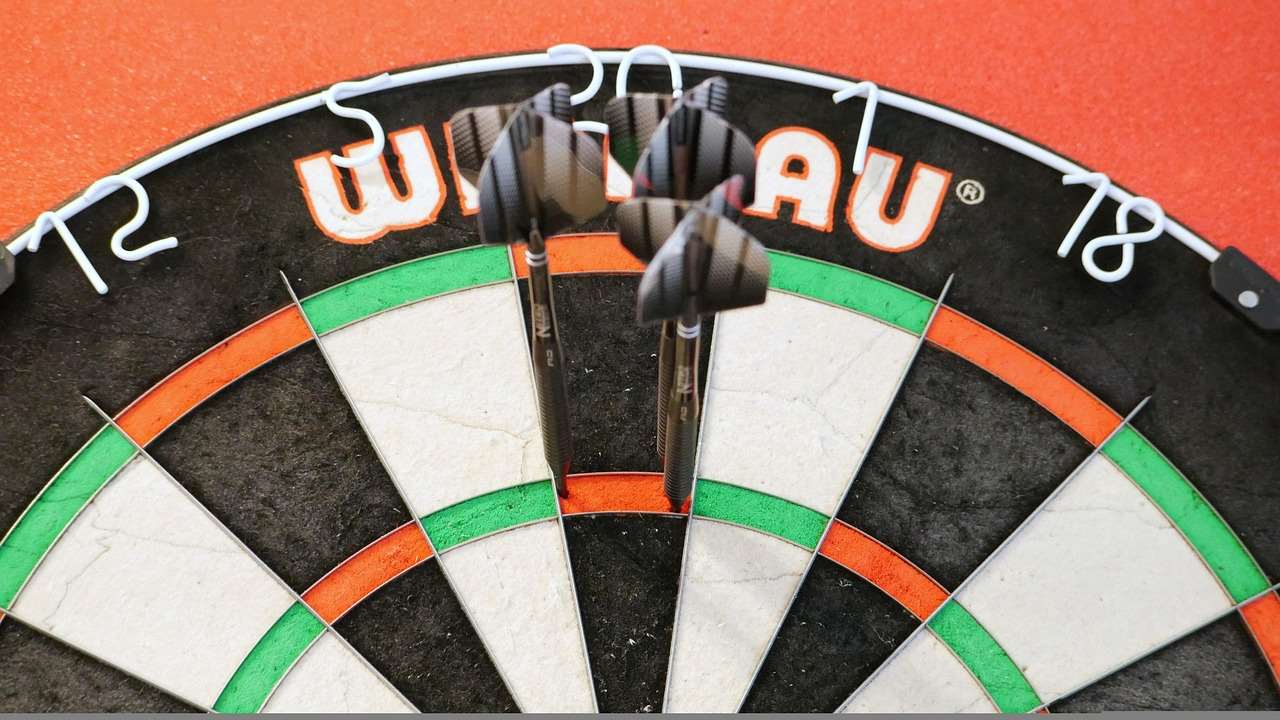
Choosing the right electronic dartboard for beginners involves weighing these features against your budget and preferences.
Setting Up Your Electronic Dartboard
Proper setup is essential for safe and enjoyable gameplay. Here’s a step-by-step guide to setting up your electronic dartboard for beginners:
- Mounting Height: The center of the bullseye should be 5 feet 8 inches (1.73 meters) from the floor. Use a measuring tape to ensure accurate placement.
- Throwing Distance: The official throwing distance (oche) is 7 feet 9 1/4 inches (2.37 meters) from the face of the dartboard. Mark this distance clearly on the floor.
- Wall Protection: Consider using a surround to protect your wall from stray darts.
- Secure Mounting: Use appropriate mounting hardware to securely attach the dartboard to the wall. Ensure it is level and stable.
- Power Up: Insert batteries or plug in the AC adapter and turn on the board.
Taking the time to set up your electronic dartboard for beginners correctly will enhance your playing experience and prevent accidents.
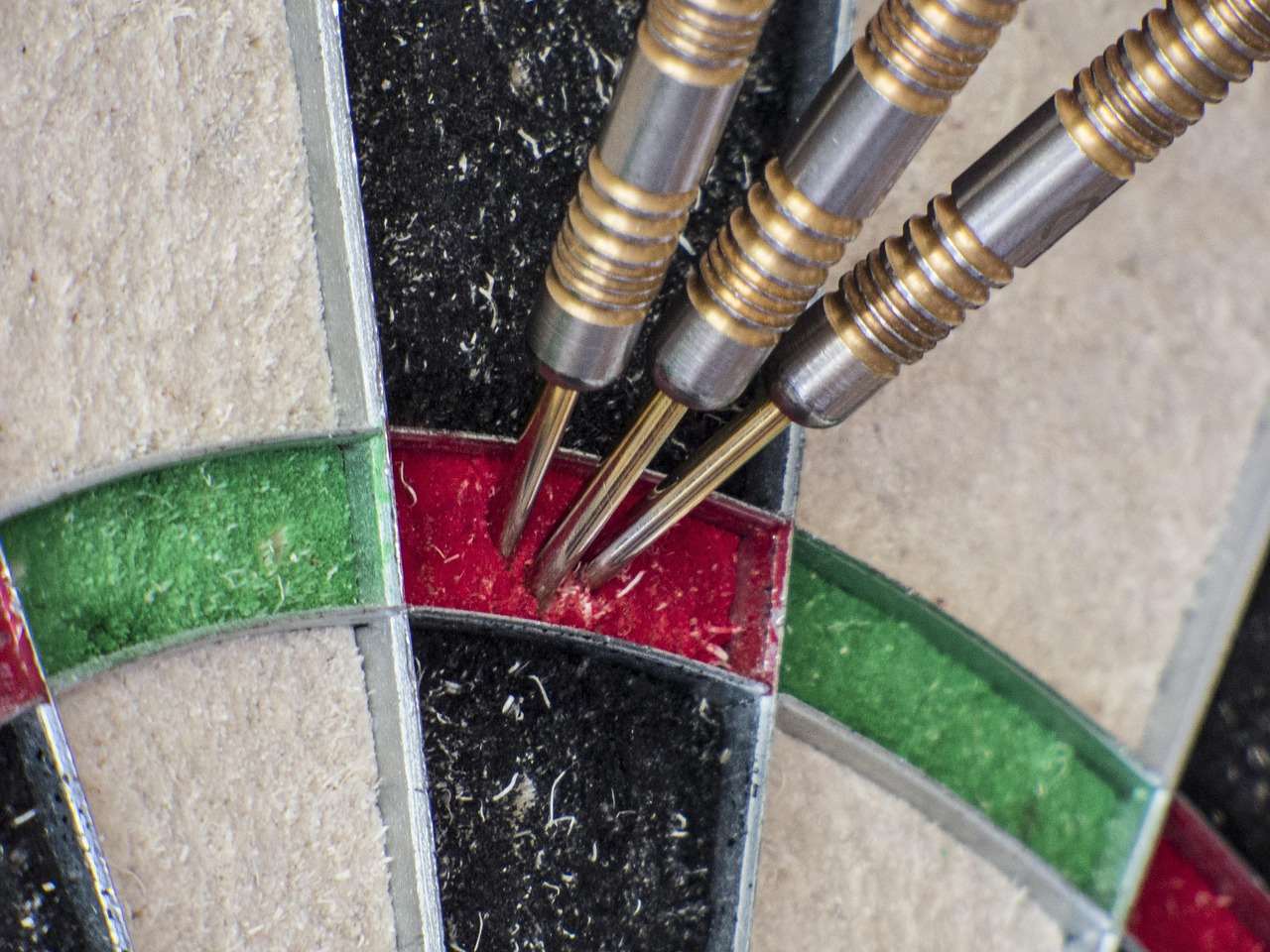
Understanding the Games Available On Your Electronic Dartboard For Beginners
One of the best features of an electronic dartboard for beginners is the variety of games available. Here are some popular options:
- 301/501: The most classic dart game. Each player starts with 301 or 501 points and must reduce their score to zero by throwing darts. The catch? You must finish with a double (hitting a double segment or the bullseye).
- Cricket: A strategic game where players must “close” numbers (20, 19, 18, 17, 16, 15, and the bullseye) by hitting them three times before their opponent does.
- Around the Clock: Players must hit each number on the board in sequence, starting with 1 and ending with 20 (and then the bullseye).
- Shanghai: A game where players aim to score as many points as possible on each number from 1 to 7 in sequence. Scoring a single, double, and triple of the number in a single round is a “Shanghai” and wins the game instantly.
- Killer: A game for multiple players where each player must establish a number as their own and then protect it from being “killed” by other players.
Experimenting with different games is a great way to improve your skills and discover your favorites. Remember, you can Choose Best Dart Equipment for optimal gameplay.
Basic Dart Throwing Techniques
Even with an electronic dartboard for beginners, mastering the basics of dart throwing is crucial for improving your game. Here are a few tips:
- Stance: Stand with your dominant foot forward, facing the board at a slight angle.
- Grip: Hold the dart comfortably, but firmly. Avoid gripping too tightly.
- Aiming: Focus on your target. Visualize the dart hitting the desired segment.
- Throwing Motion: Use a smooth, fluid motion, starting with your elbow and following through with your wrist.
- Follow Through: Maintain your throwing motion after releasing the dart.
Practice these techniques regularly to develop consistency and accuracy. You might want to consider Best Budget Darts For Beginners to get started with quality darts.
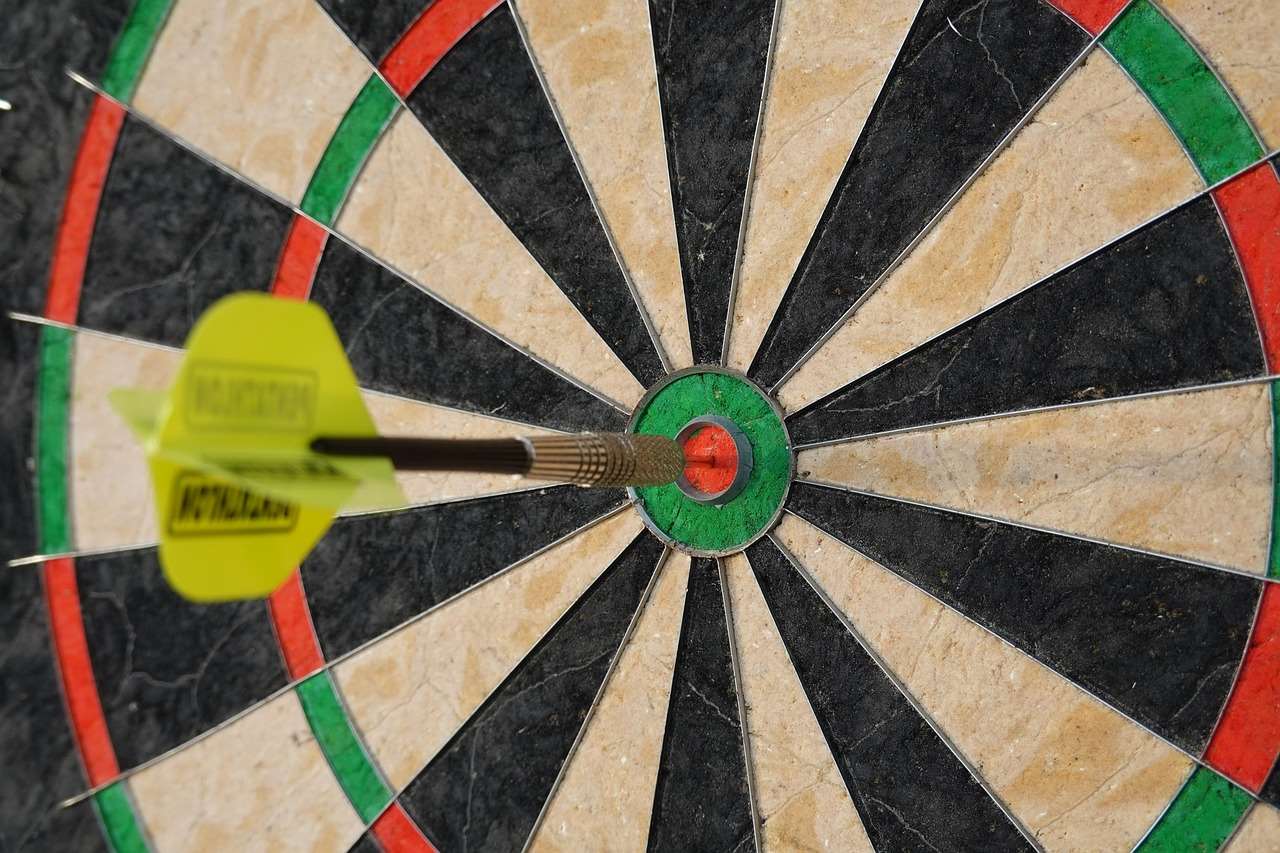
Common Mistakes to Avoid
As a beginner using an electronic dartboard for beginners, you’re likely to make some common mistakes. Identifying and correcting these errors can significantly improve your game:
- Gripping the dart too tightly: This can cause tension and affect your accuracy.
- Not following through: This can lead to inconsistent throws.
- Moving your head or body during the throw: This can disrupt your balance and aiming.
- Focusing on the dart instead of the target: Keep your eye on the prize!
- Not practicing regularly: Practice makes perfect.
By being aware of these common pitfalls and actively working to avoid them, you’ll accelerate your progress. You could even be thinking about Investing In Premium Dart Equipment sooner than you think!
Tips for Improving Your Game
Once you’ve mastered the basics on your electronic dartboard for beginners, here are some tips to take your game to the next level:
- Practice regularly: The more you play, the better you’ll become.
- Focus on your weaknesses: Identify areas where you struggle and dedicate extra practice to improving them.
- Watch professional players: Observe their techniques and try to incorporate them into your own game.
- Join a dart league: Competing against other players is a great way to improve your skills and learn new strategies.
- Experiment with different darts: Finding the right darts can make a big difference in your accuracy.
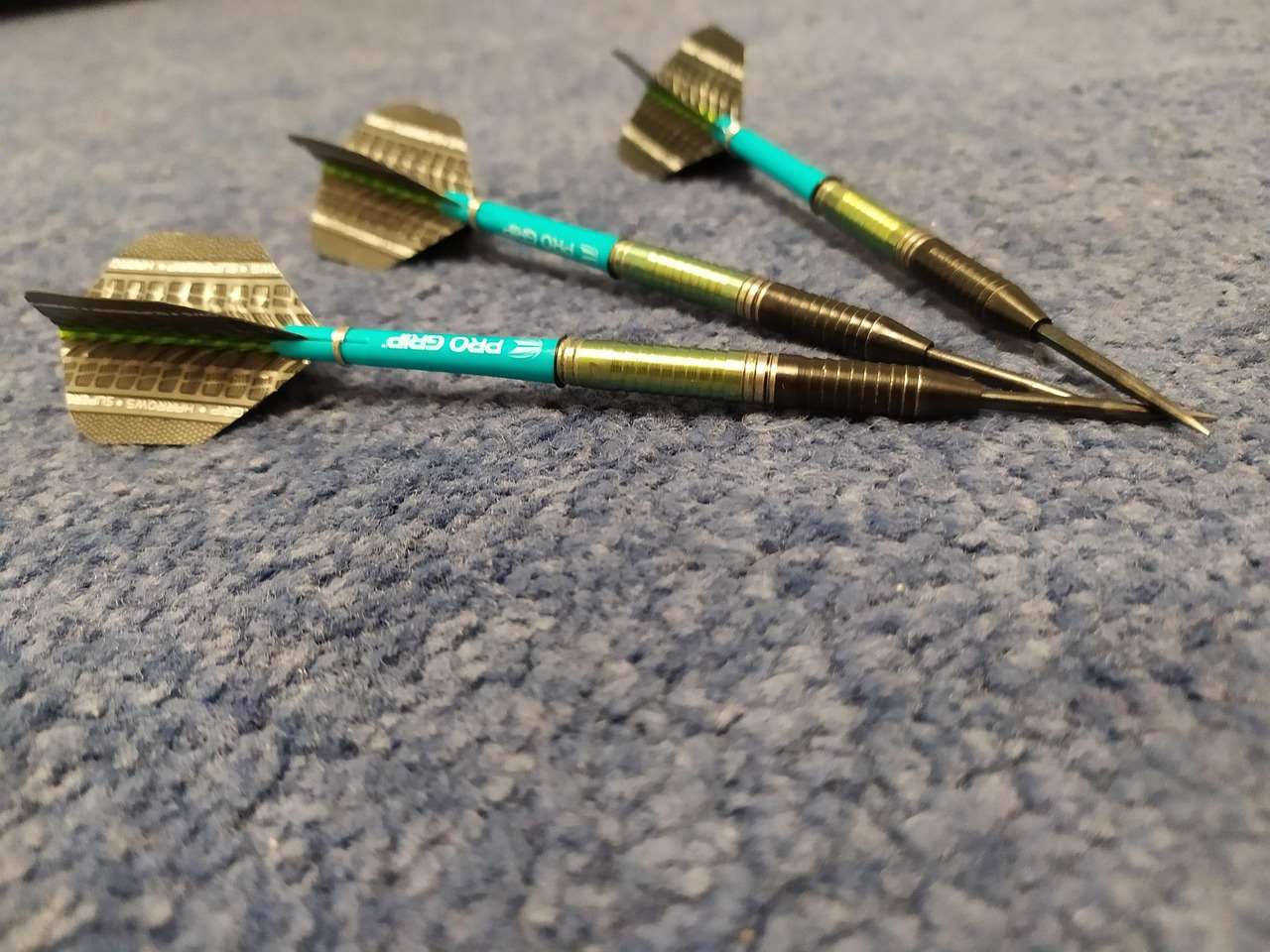
Consistent effort and a willingness to learn are key to becoming a better dart player, even when starting with an electronic dartboard for beginners. Remember, understanding the Buying Guide Budget Premium Dart Sets is important for upgrading your equipment in the future.
Maintaining Your Electronic Dartboard For Beginners
To ensure your electronic dartboard for beginners lasts for years to come, proper maintenance is essential:
- Clean the segments regularly: Use a soft cloth to wipe away dust and debris.
- Replace worn-out tips: Broken or worn tips can damage the board.
- Store the dartboard in a dry place: Avoid exposing the board to moisture.
- Check the batteries regularly: Replace them as needed to prevent power loss.
- Avoid using excessive force when throwing: This can damage the segments.
By following these simple maintenance tips, you can keep your electronic dartboard for beginners in top condition.
Advanced Strategies For Electronic Dartboard Play
Beyond the basics, advanced strategies can significantly improve your game. This applies even when you are using an electronic dartboard for beginners.
- Checkout Strategy: Learn common checkout combinations (e.g., 40 = Double 20, 32 = Double 16). Knowing these makes closing out games much faster.
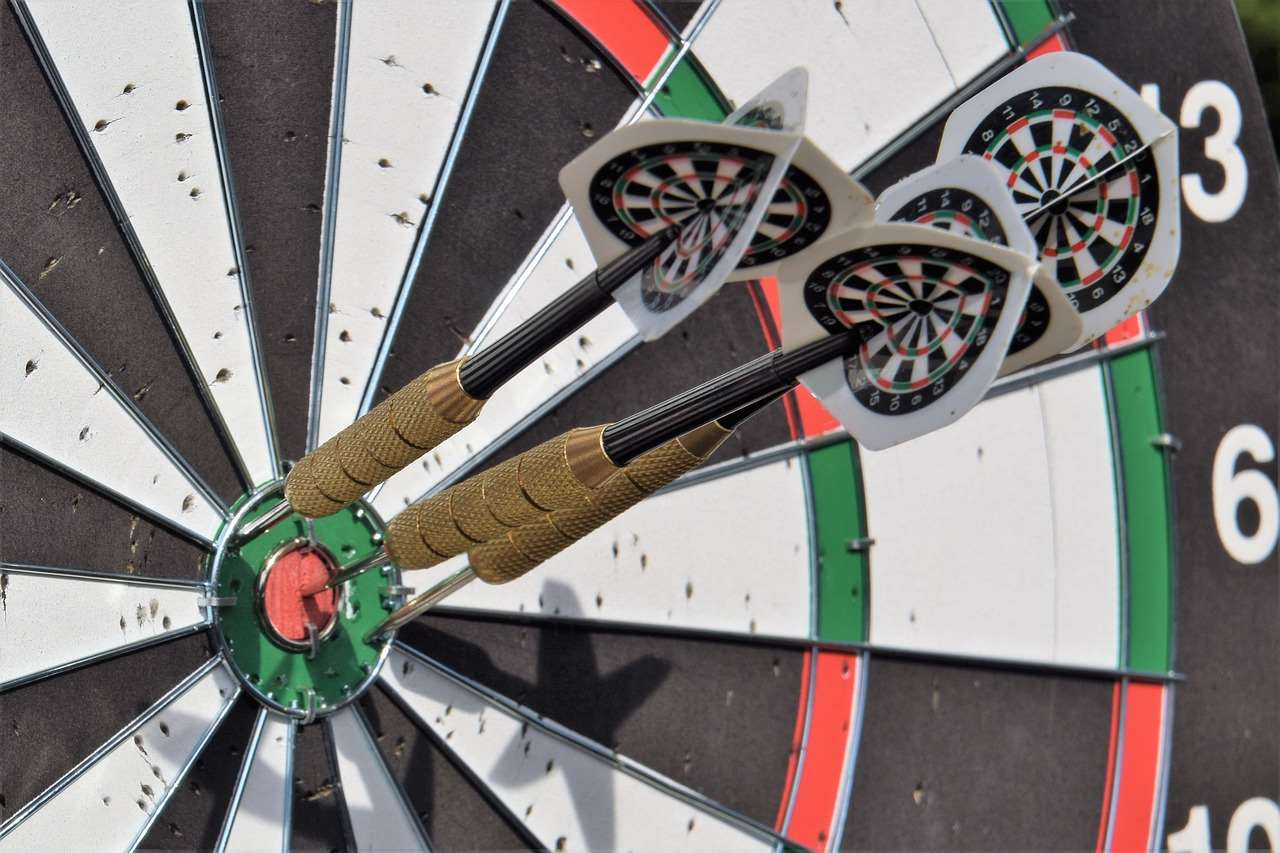
- Number Placement Awareness: Understand which numbers are next to each other on the board. Use this to your advantage for recovery shots when you miss your target.
- Opponent Analysis: Pay attention to your opponent’s strengths and weaknesses. Adjust your strategy accordingly.
- Mental Game: Darts is as much a mental game as it is a physical one. Stay focused, avoid getting discouraged by bad throws, and maintain a positive attitude.
Even with all of the automation provided by an electronic dartboard for beginners, implementing these advanced strategies will make you a much better player.
Conclusion
An electronic dartboard for beginners is an excellent way to learn and enjoy the game of darts. With automatic scoring, multiple game options, and reduced wall damage, these boards offer a user-friendly and engaging experience. Remember to choose a board with the essential features, set it up properly, practice regularly, and maintain it carefully. Now, grab your darts and start playing! Ready to upgrade your game? Quality Comparison Budget Premium Darts may be what you need.

Hi, I’m Dieter, and I created Dartcounter (Dartcounterapp.com). My motivation wasn’t being a darts expert – quite the opposite! When I first started playing, I loved the game but found keeping accurate scores and tracking stats difficult and distracting.
I figured I couldn’t be the only one struggling with this. So, I decided to build a solution: an easy-to-use application that everyone, no matter their experience level, could use to manage scoring effortlessly.
My goal for Dartcounter was simple: let the app handle the numbers – the scoring, the averages, the stats, even checkout suggestions – so players could focus purely on their throw and enjoying the game. It began as a way to solve my own beginner’s problem, and I’m thrilled it has grown into a helpful tool for the wider darts community.