Protecting your dartboard is crucial for longevity and maintaining scoring accuracy; fortunately, effective DIY Sisal Dartboard Protection is easily achievable with a few simple materials and techniques. This article will guide you through building a custom surround, a backboard, and implementing regular maintenance to extend the life of your dartboard and safeguard your walls.
⚠️ Still Using Pen & Paper (or a Chalkboard)?! ⚠️
Step into the future! The Dart Counter App handles all the scoring, suggests checkouts, and tracks your stats automatically. It's easier than you think!
Try the Smart Dart Counter App FREE!Ready for an upgrade? Click above!
Why Invest in DIY Sisal Dartboard Protection?
A dartboard is an investment, and like any investment, it needs protection. Without proper dartboard protection, you risk damaging not only the dartboard itself but also the surrounding walls. Stray darts can leave unsightly holes, requiring constant patching and repainting. Furthermore, the constant impact can degrade the dartboard’s sisal fibers, shortening its lifespan and affecting your scoring. DIY Sisal Dartboard Protection offers a cost-effective and customizable solution to these problems.
Beyond the financial aspects, consider the safety aspect. Darts bouncing off the board can be a hazard, especially in areas with children or pets. A good surround will catch those stray darts, preventing potential injuries.
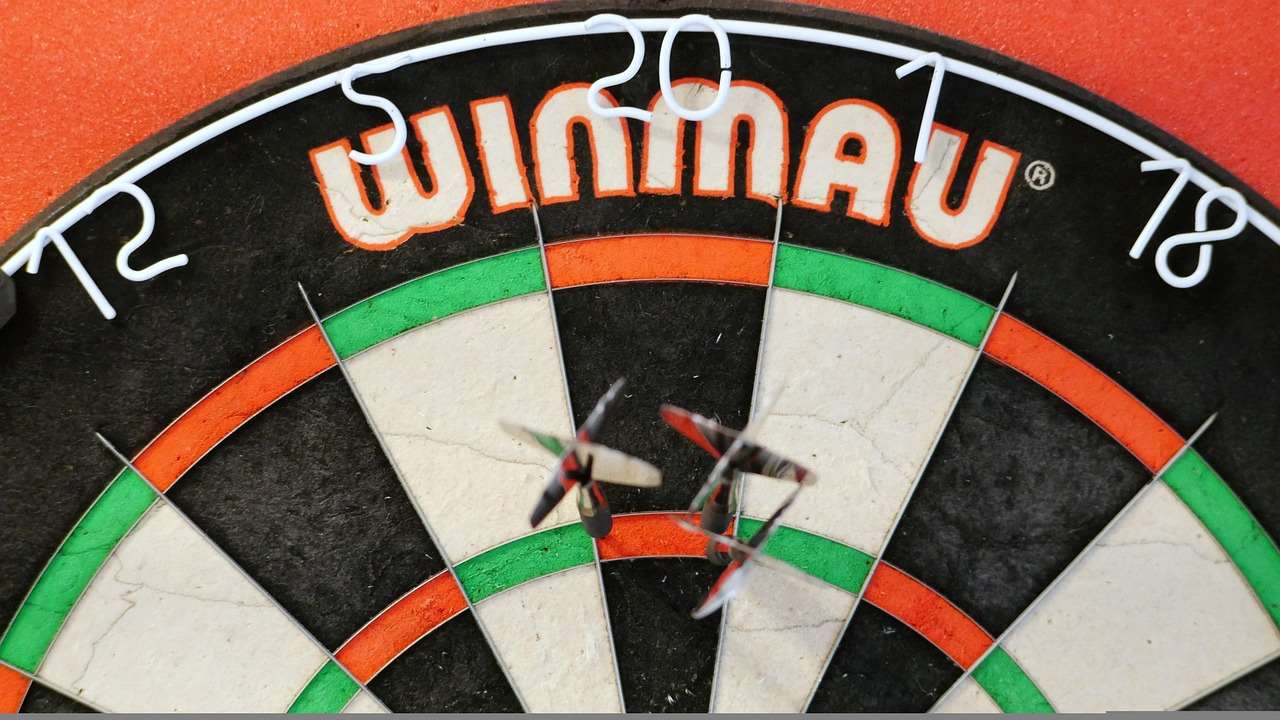
Creating a DIY Dartboard Surround
A dartboard surround is the first line of defense against errant darts. Here’s how to create your own:
Materials You’ll Need:
- Foam padding or recycled rubber mats: These will absorb the impact of the darts.
- Plywood or MDF board: For a sturdy backing.
- Fabric (optional): To cover the surround for a cleaner look.
- Adhesive: To attach the padding to the board.
- Staple gun (optional): For securing the fabric.
- Measuring tape, pencil, and saw.
Step-by-Step Instructions:
- Measure and Cut: Determine the desired size of your surround. A good starting point is about 4-6 inches wider than the dartboard on all sides. Cut the plywood or MDF board to this size.
- Attach the Padding: Apply adhesive to the board and carefully attach the foam padding or rubber mats. Ensure a smooth, even surface.
- Cover with Fabric (Optional): If desired, wrap the surround with fabric. Secure the fabric to the back of the board using a staple gun.
- Mount the Dartboard: Mount your dartboard in the center of the surround. Ensure it’s securely attached.
Consider using different materials for your surround. Some people prefer corkboard for its natural look and self-healing properties, while others opt for thicker foam for maximum protection. The key is to choose materials that are durable and effective at stopping darts.
Building a DIY Dartboard Backboard
While a surround protects the immediate area around the dartboard, a backboard offers broader wall protection. This is particularly useful if you have a large throwing area or are prone to wild throws. When considering your backboard, review the Choose Best Dart Equipment to improve your game.
Materials You’ll Need:
- Large sheet of plywood or MDF board: Aim for a size that covers a significant portion of the wall behind the dartboard.
- Paint or wallpaper: To decorate the backboard.
- Mounting hardware: To securely attach the backboard to the wall.
- Level, measuring tape, and pencil.
Step-by-Step Instructions:
- Measure and Cut: Determine the desired size of your backboard. It should be large enough to catch most stray darts. Cut the plywood or MDF board to this size.
- Decorate: Paint or wallpaper the backboard to match your room’s decor.
- Mount the Backboard: Use appropriate mounting hardware to securely attach the backboard to the wall. Ensure it’s level.
- Mount the Dartboard: Mount your dartboard in the center of the backboard.
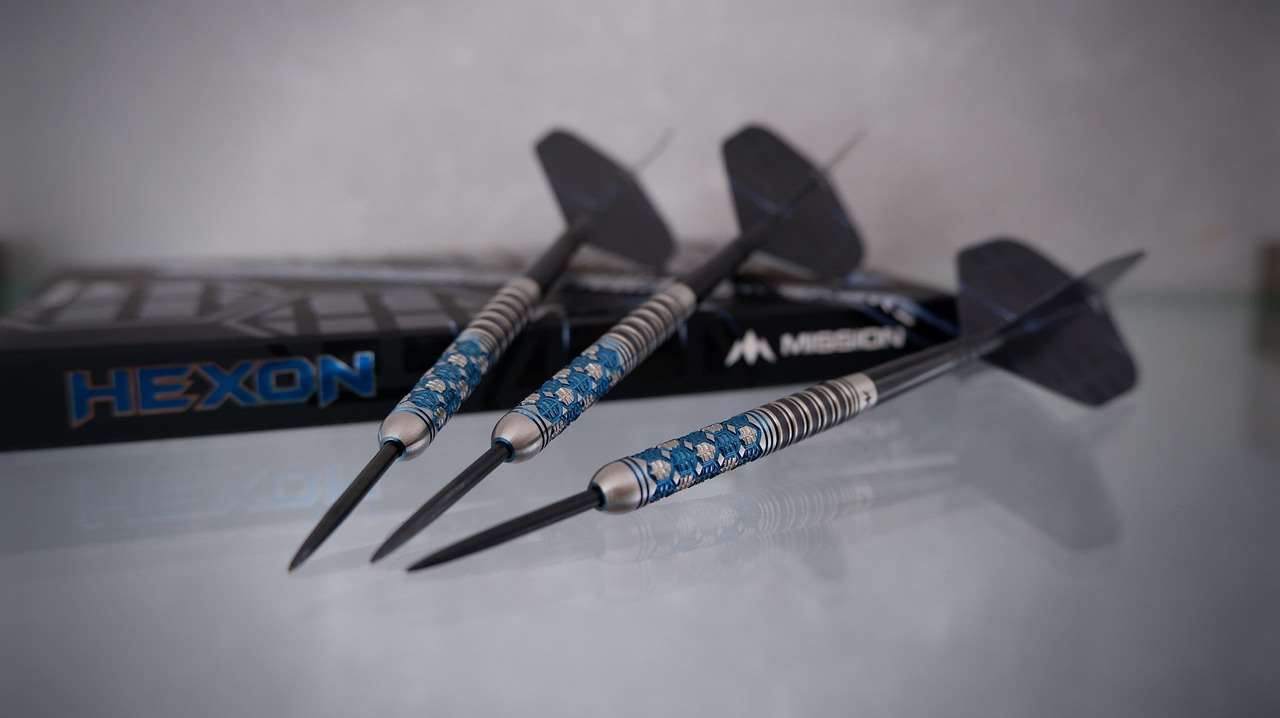
Think about adding extra features to your backboard, such as a scoreboard or a place to store your darts. You can also customize it with your favorite team’s logo or a dart-themed design. Proper lighting is also important. Consider reviewing Optimal Dartboard Lighting Solutions Guide to help with this.
Essential Dartboard Maintenance for Longevity
Even with the best protection, regular maintenance is crucial for extending the life of your sisal dartboard. Proper care will help maintain the board’s playability and prevent premature wear and tear.
Rotating Your Dartboard:
One of the simplest and most effective maintenance techniques is to regularly rotate your dartboard. This ensures that no single section of the board receives excessive wear. Over time, frequently hit areas will become softer, while less frequently hit areas remain firm. Rotating the board distributes the wear evenly, prolonging its lifespan. Aim to rotate your dartboard every few weeks or months, depending on how frequently you play.
Removing Loose Fibers:
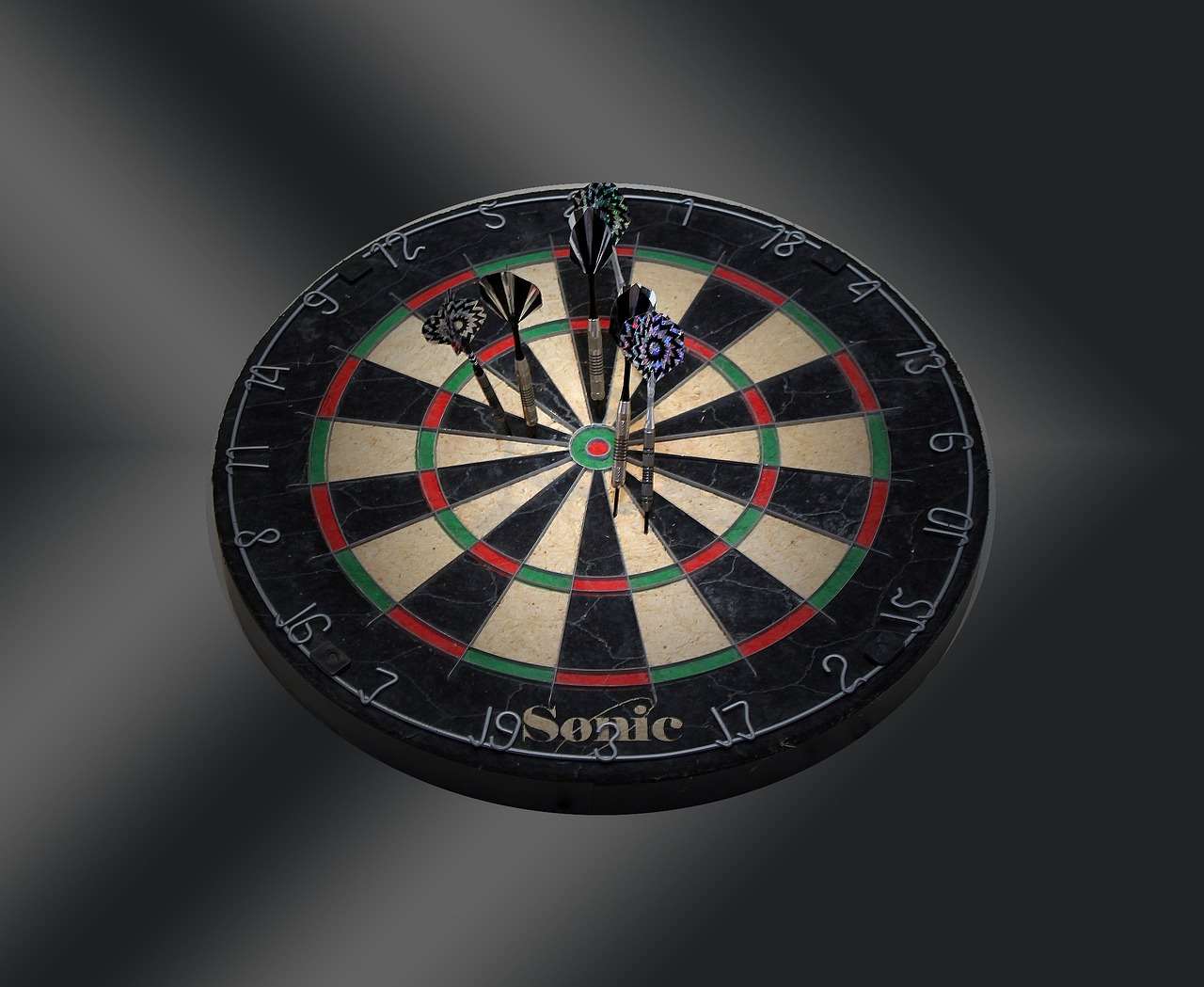
As you play, some of the sisal fibers may become loose or detached. Regularly remove these loose fibers to prevent them from interfering with your darts. You can use a pair of tweezers or a small brush to gently pluck or sweep away the loose fibers.
Moisturizing (If Necessary):
In very dry environments, the sisal fibers may become brittle and prone to cracking. If you notice this happening, you can lightly moisturize the dartboard. Use a spray bottle to mist the board with water, being careful not to saturate it. Allow the water to soak in and dry naturally. Avoid using oils or other lubricants, as these can damage the sisal fibers.
Avoid Over-Saturation:
While moisturizing can be beneficial in dry climates, it’s crucial to avoid over-saturating the dartboard. Excessive moisture can cause the sisal fibers to swell and warp, leading to unevenness and affecting the board’s playability. Always use a light mist and allow the board to dry completely before playing.
Alternative DIY Sisal Dartboard Protection Ideas
Beyond the standard surround and backboard, there are other creative ways to implement DIY Sisal Dartboard Protection. Consider these alternative ideas:
- Upcycled Materials: Use old tires, blankets, or cardboard to create a unique and eco-friendly surround.
- Magnetic Dart Catchers: Attach magnets to the darts and a metal sheet to the wall to catch stray throws.
- Dartboard Cabinets: These offer both protection and storage, and can be easily built or purchased.
Remember to prioritize safety and durability when choosing your materials and designs. The goal is to protect your dartboard and walls while enhancing your playing experience. Consider a Best Dartboard Lighting Systems in combination with a cabinet to improve visibility and to increase the overall aesthetic of your dart-playing area.
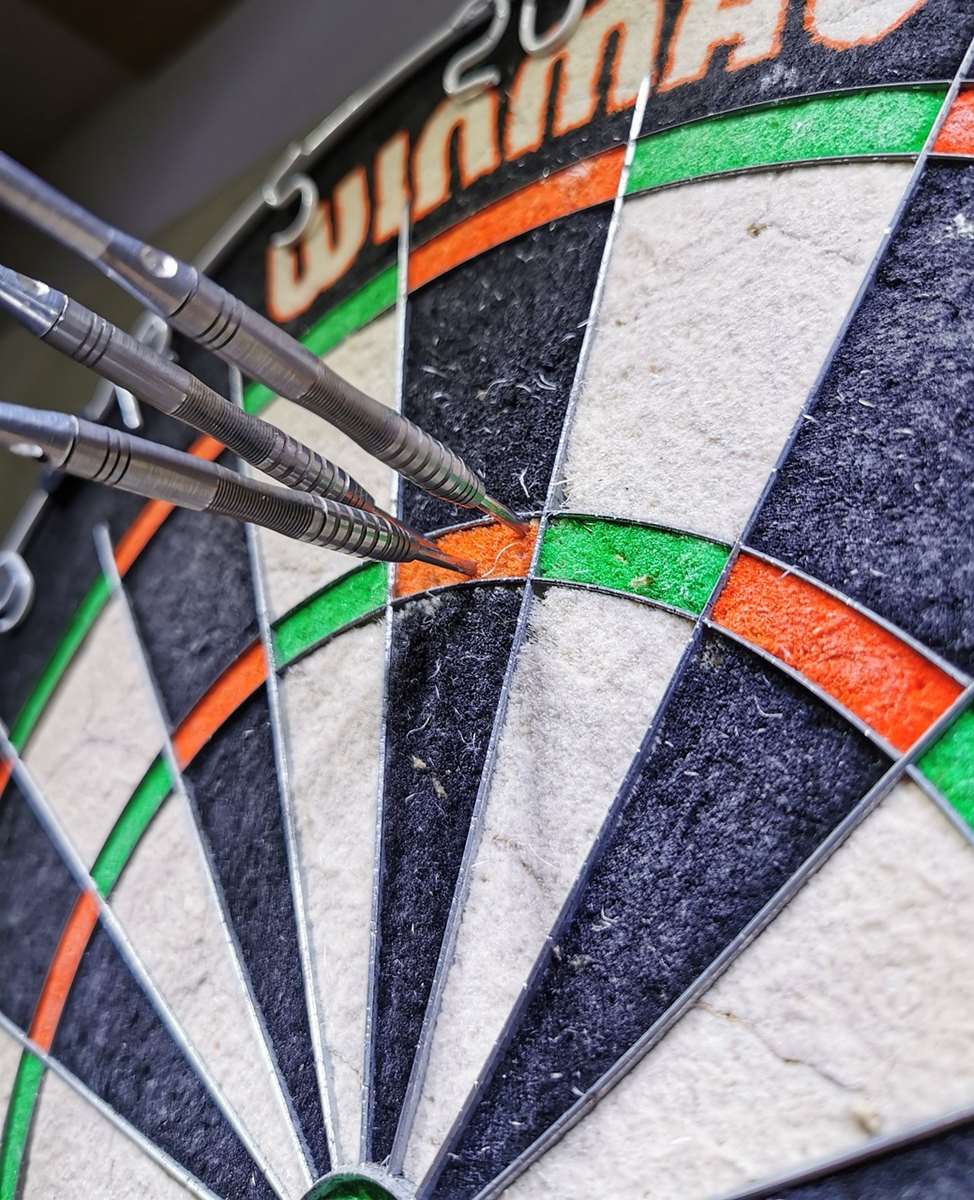
Cost-Effective Solutions for DIY Sisal Dartboard Protection
One of the biggest advantages of DIY Sisal Dartboard Protection is its cost-effectiveness. You can save a significant amount of money by building your own surround and backboard instead of buying pre-made options. Here are some tips for keeping costs down:
- Use Recycled Materials: Look for scrap wood, foam padding, or fabric that you can repurpose.
- Shop Around for Deals: Compare prices on materials at different stores.
- Buy in Bulk: If you plan on making multiple surrounds or backboards, buying materials in bulk can save you money.
- DIY Everything: Avoid outsourcing any part of the project. The more you do yourself, the more money you’ll save.
Remember that effective protection doesn’t have to be expensive. With a little creativity and resourcefulness, you can create a high-quality surround and backboard without breaking the bank. This is important because, as any dart enthusiast knows, darts are an ongoing expense!
Troubleshooting Common DIY Sisal Dartboard Protection Issues
Even with careful planning, you may encounter some challenges when implementing your DIY Sisal Dartboard Protection. Here are some common issues and how to troubleshoot them:
- Darts Still Bouncing Out: Ensure your surround is thick enough and made of a dense enough material. Consider adding an extra layer of padding.
- Surround or Backboard Not Secure: Use stronger mounting hardware or add extra support.
- Fabric Ripping or Tearing: Use a more durable fabric or reinforce the edges.
- Board is still experiencing wear and tear: Evaluate how often you are rotating the board, and review the quality of your darts.
Conclusion: Elevate Your Game with DIY Sisal Dartboard Protection
Investing in DIY Sisal Dartboard Protection is a smart move for any dart player. By building your own surround and backboard, you can protect your dartboard, walls, and floors, while also saving money and customizing your playing area. Remember to choose durable materials, follow the step-by-step instructions, and perform regular maintenance to extend the life of your dartboard. Whether it’s creating a robust dartboard setup with a custom-built surround or implementing simple maintenance techniques like regular rotation, the effort significantly contributes to the lifespan of your dartboard and the enjoyment of your game. Proper protection will enhance your dart playing experience, allowing you to focus on your game without worrying about damage. So, gather your materials, get creative, and start building your own DIY dartboard protection today!
Ready to take your dart game to the next level? Start building your DIY Sisal Dartboard Protection today and enjoy countless hours of worry-free fun! Consider starting by looking at some lighting, a vital companion piece.

Hi, I’m Dieter, and I created Dartcounter (Dartcounterapp.com). My motivation wasn’t being a darts expert – quite the opposite! When I first started playing, I loved the game but found keeping accurate scores and tracking stats difficult and distracting.
I figured I couldn’t be the only one struggling with this. So, I decided to build a solution: an easy-to-use application that everyone, no matter their experience level, could use to manage scoring effortlessly.
My goal for Dartcounter was simple: let the app handle the numbers – the scoring, the averages, the stats, even checkout suggestions – so players could focus purely on their throw and enjoying the game. It began as a way to solve my own beginner’s problem, and I’m thrilled it has grown into a helpful tool for the wider darts community.